







Estimated Reading Time: 14-18 minutes (3,050 words)
Introduction
Dreaming of tropical beaches, buzzing city streets, delicious street food, epic adventures, or zen-like wellness retreats? Asia has got it all — and it’s calling all Indian millennials and Gen Z travelers in 2026! With visa-free or visa-on-arrival access, new direct flights, and Instagrammable spots everywhere you turn, exploring Asia has never been easier (or more fun). Picture sipping coconut water on a Thai beach, wandering through Bali’s rice terraces, snapping pics under Japan’s cherry blossoms, or trekking the Himalayas in Nepal — all without breaking the bank. Whether you’re chasing culture, adventure, or just your next perfect photo, Asia is the ultimate playground for young travelers ready to make memories, discover hidden gems, and share stories worth telling.
🌏 Why Asia Still Dominates Indian Travel in 2026
Asia continues to reign as the go-to region for Indian travelers, and it’s easy to see why. With visa-friendly rules, budget-conscious options, and cultural vibes that feel both exciting and familiar, millions of Indians are flocking to the continent for adventures big and small.
Here’s what’s shaping millennial travel in 2026:
- 🌴 Microtravel is the new norm: Short, frequent trips are replacing month-long vacations, letting travelers explore more destinations without burning out.
- 📈 Visa-free and hassle-free entry is a game-changer: Destinations like Thailand, Malaysia, and Nepal are climbing the charts for convenience and affordability.
- ✈ More direct flights, fewer layovers: Cities like Hanoi, Tokyo, and Bali are now just a flight away, making spontaneous trips much easier.
- 💡 Local experiences over tourist traps: From street food hunts to hidden cafés and Instagram-worthy corners, millennials are chasing authenticity.
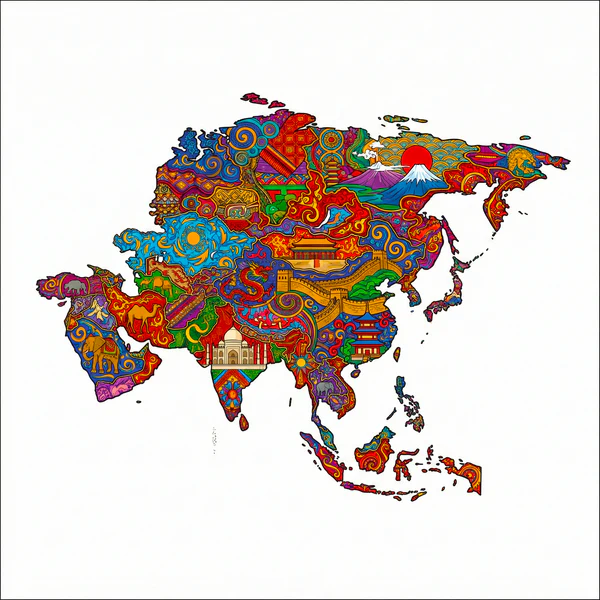
In short, Indian millennials want travel that’s affordable, accessible, adventure-packed, and shareable — and Asia delivers all of that in one incredible map of destinations.
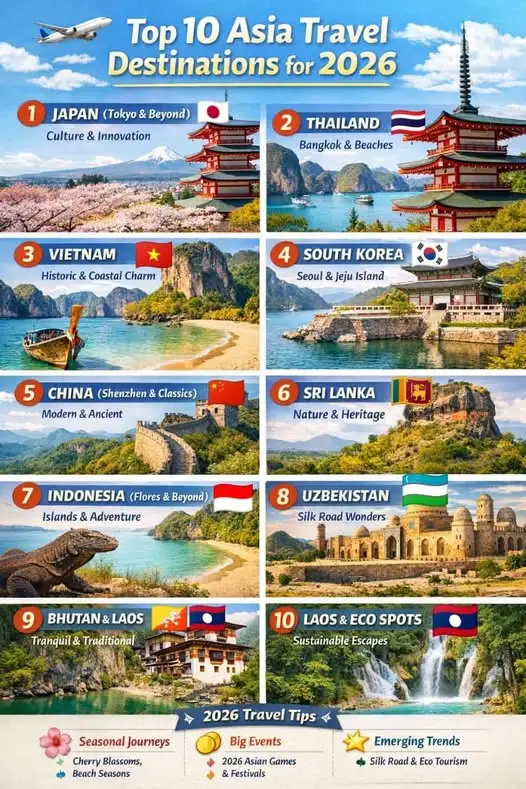
7 Must‑Visit Asian Destinations for Indian Millennials in 2026
🇹🇭 1. Thailand – The Visa-Free Adventure Playground
Why go: Thailand is a paradise for every kind of traveler — think sun-soaked beaches, glittering temples, buzzing night markets, mouthwatering street food, and adrenaline-pumping adventures. Best part? Visa-free entry for Indians in 2026 makes it a super easy, stress-free getaway.
Top Cities & Experiences:
- Bangkok: Explore ornate temples, shop till you drop at vibrant night markets, and cruise along the Chao Phraya River.
- Phuket & Krabi: Hop between islands, snorkel in crystal-clear waters, and unwind on powdery beaches.
- Chiang Mai: Wander through lush hills, ancient temples, and cozy, Instagram-ready cafés.
Must-Do Experiences:
✔ Take a Thai cooking class in Chiang Mai and master local flavors.
✔ Catch a breathtaking sunset at Promthep Cape in Phuket.
✔ Dance the night away at a full-moon beach party in Koh Phangan.
Best Time to Visit: November to February — enjoy cool, dry weather and perfect beach conditions.
🇮🇩 2. Indonesia (Bali) – Island Bliss for Millennials
Why go: Bali is the ultimate playground for young travelers in 2026. From wellness retreats and yoga escapes to surf culture, vibrant nightlife, and stunning rice terraces, Bali offers a little bit of everything — and yes, it’s totally Instagram-worthy.
Highlights:
- Ubud: Wander through forested valleys, join a yoga retreat, and soak in Bali’s spiritual vibes.
- Gili Islands: Dive into crystal-clear waters for snorkeling, scuba adventures, and underwater selfies.
- Uluwatu: Explore cliffside temples and sip cocktails while watching epic sunsets over the Indian Ocean.
Travel Tip: Rent a scooter to explore the island at your own pace — trust us, it’s the ultimate freedom for adventure seekers.
Best Time to Visit: April to October — enjoy dry, sunny days perfect for beaches, hikes, and island hopping.
🇲🇾 3. Malaysia – Urban Energy Meets Nature Escapes
Why go: Malaysia is a dream for young travelers in 2026 — visa-free entry for Indians, a vibrant multicultural scene, buzzing cities, and tropical islands all in one trip. It’s the perfect blend of adventure, culture, and photogenic spots for your Instagram feed.
Top Spots:
- Kuala Lumpur: Marvel at the iconic Petronas Towers, dive into bustling street food tours, and explore lively night markets.
- Penang: Wander through heritage streets, sample legendary local cuisine, and snap colorful murals around George Town.
- Langkawi: Relax on pristine white-sand beaches, take scenic cable car rides, and explore waterfalls tucked into lush jungles.
Bonus: Malaysia offers a mix of city vibes, foodie heaven, and natural beauty — all in one easy-to-reach destination for millennial travelers.
🇻🇳 4. Vietnam – Asia’s Hidden Gem
Why go: Vietnam is fast becoming a millennial favorite in 2026 — packed with rich culture, drool-worthy street food, fascinating history, and budget-friendly adventures. It’s the kind of place where every corner is Instagram-ready and every meal is an experience.
Top Experiences:
- Hanoi’s Old Quarter: Lose yourself in vibrant streets lined with street food stalls, quirky cafés, and buzzing markets — it’s chaos, charm, and coffee all in one.
- Ha Long Bay: Sail past dramatic limestone islands and emerald waters — the perfect backdrop for your next jaw-dropping Instagram shot.
- Central Vietnam: Step back in time exploring French colonial architecture, stroll along golden beaches, and wander the enchanting streets of Hoi An.
Pro Tip: Street food is the real MVP — slurp up a steaming bowl of pho and sip a creamy egg coffee like a local. Trust us, your taste buds will thank you.
🇯🇵 5. Japan – Where Tradition Meets Tomorrow
Why go: Japan is a playground of contrasts — from ultra-modern cities and cutting-edge tech to ancient temples, serene gardens, and four-season wonders. Millennials in 2026 are flocking here for the perfect mix of culture, adventure, and photogenic moments.
Top Picks:
- Tokyo: Feel the city’s electric energy with neon streets, quirky cafés, and futuristic shopping districts.
- Kyoto: Wander through peaceful zen gardens, historic shrines, and traditional tea houses — a total Instagram heaven.
- Osaka: Indulge your inner foodie with street eats, quirky cafés, and local specialties like takoyaki and okonomiyaki.
Best Time to Visit:
- March – May: Cherry blossoms in full bloom
- October – November: Gorgeous autumn foliage
Pro Tip: Buy a Japan Rail Pass for budget-friendly travel across multiple cities — it’s a game-changer for millennials exploring the country efficiently.
🇰🇷 6. South Korea – Trendy, Fun & Totally Photogenic
Why go: South Korea is the ultimate playground for millennials in 2026 — think K-pop vibes, historic palaces, quirky cafés, and scenic mountain hikes. It’s a country where tradition meets trend, and every corner is perfect for your feed.
Don’t Miss:
- Seoul: Dive into the city’s nightlife, street markets, and Gangnam culture — it’s fast-paced, vibrant, and full of surprises.
- Jeju Island: Escape to nature with waterfalls, volcanic landscapes, and beaches that feel straight out of a postcard.
- Busan: Chill on sandy beaches, explore coastal cafés, and enjoy local seafood delights.
Best Time to Visit: Spring & Fall — enjoy cherry blossoms, autumn foliage, and mild weather for outdoor adventures.
Pro Tip: Download local apps like KakaoMap and Naver for easy navigation and hidden gem discoveries — a millennial must!
🇳🇵 7. Nepal – Budget-Friendly Mountain Magic
Why go: Nepal is a dream destination for Indian millennials in 2026 — visa-free, easy to reach, and packed with epic mountain views and spiritual vibes. From serene lakes to adrenaline-pumping treks, Nepal offers an unforgettable mix of adventure, culture, and natural beauty — all on a budget.
Top Trails & Spots:
- Kathmandu: Explore ancient temples, UNESCO heritage sites, and vibrant local markets full of culture and color.
- Pokhara: Relax by the tranquil lakeside, go paragliding, or soak in panoramic Himalayan views.
- Trekking Routes: Adventure seekers can conquer trails like Annapurna Base Camp or the Everest View Trek, combining fitness with jaw-dropping scenery.
Pro Tip: Travel light, stay in guesthouses, and try local momos and dal bhat — your taste buds (and wallet) will thank you!
Visa & Entry Guide for Indian Passport Holders (2026)
Traveling across Asia in 2026 has never been easier for Indian millennials, thanks to visa-free options, visa-on-arrival facilities, and streamlined e-visa processes. Here’s a detailed guide for each top destination on your Asia travel map:
| Country | Visa Type | Notes & Tips |
| Thailand | Visa-Free | Indians can stay up to 60 days without a visa. Popular for beaches, nightlife, and city explorations. Always carry passport copies and proof of onward travel. |
| Indonesia (Bali) | Visa-On-Arrival / e-VOA | Obtainable on arrival at major airports or via online e-VOA. Valid for 30 days, extendable once. Ideal for surf trips, island hopping, and wellness retreats. |
| Malaysia | Visa-Free | Visa-free for Indians up to 30 days. Perfect for solo or family trips, urban explorations, and foodie adventures. |
| Nepal | Visa-Free | Simplest entry — no visa required for Indians. Just show your passport at the border. Great for Himalayan treks, spiritual journeys, and budget travel. |
| Vietnam | e-Visa | Apply online 1 month in advance; valid for 30 days single-entry. Quick and convenient for exploring cities like Hanoi, Hoi An, and Ho Chi Minh. |
| Japan | Standard Visa | Requires itinerary, flight bookings, and hotel confirmations. Apply 1–2 months in advance. Japan is perfect for culture, tech, and seasonal experiences. |
Quick Travel Tips for Millennials:
✔ Always double-check official government sites for the latest visa rules and changes.
✔ Apply for e-visas at least 1 month before travel to avoid last-minute hassles.
✔ Travel insurance is a must — cover flight delays, medical emergencies, or lost baggage.
✔ Keep digital and physical copies of your passport, visa, and ID while traveling.
✔ Some countries require proof of onward travel or sufficient funds, so plan ahead.
Pro Tip: Use apps like iVisa or VisaHQ for smooth e-visa applications and to get reminders for visa expiration dates — a millennial-friendly way to travel stress-free.
Best Time to Travel by Destination (2026)
Timing your trips can make all the difference — from sunny beaches and blooming flowers to crisp mountain air and perfect city strolls. Here’s the ultimate guide for Indian millennials planning their 2026 Asia adventures:
| Destination | Best Months | Why These Months? |
| Thailand | Nov – Feb | Enjoy cooler temperatures, dry weather, and clear skies — perfect for beaches, island hopping, and city sightseeing. Avoid the rainy season for hassle-free adventures. |
| Bali (Indonesia) | Apr – Oct | The dry season ensures sunny days, calm seas, and ideal beach conditions. Perfect for surfing, island hopping, and outdoor yoga retreats. |
| Japan | Mar – May | Cherry blossom season in spring offers breathtaking views and a festive vibe. Mild weather makes sightseeing and city explorations enjoyable. |
| Malaysia | Dec – Mar | Lower rainfall ensures city exploration and island trips are smooth. Ideal for Kuala Lumpur street food tours, Penang heritage walks, and Langkawi beaches. |
| Vietnam | Oct – Dec | Experience dry, mild weather across northern and central regions — great for cruising Ha Long Bay, exploring Hanoi, or wandering Hoi An. |
| South Korea | Mar – May, Sep – Nov | Spring brings cherry blossoms, while autumn offers vibrant foliage. Mild temperatures make hiking, city exploration, and café hopping comfortable. |
| Nepal | Oct – Nov | Clear skies and crisp air make this the best time for Himalayan treks, mountain photography, and lakeside relaxation in Pokhara. |
Pro Tips for Millennials:
- Plan outdoor activities during dry seasons to maximize adventure and photo opportunities.
- Avoid monsoon months in Southeast Asia for smoother travel.
- Check local festivals and events — timing trips with cultural experiences can make your journey extra memorable.
Pack season-appropriate gear — layers for Japan/South Korea, light clothing for Thailand/Bali/Malaysia.
Budget Highlights & Estimated Costs (For Millennials in 2026)
Planning a trip doesn’t have to break the bank. Here’s a realistic budget guide for a typical 7-day trip to Asia, perfect for Indian millennials looking for adventure, culture, and Instagram-worthy experiences without overspending:
| Destination | Flights* | Hotel (7 nights) | Food & Local Experiences | Total (Approx.) |
| Thailand | ₹22,000 – ₹30,000 | ₹10,000 – ₹18,000 | ₹7,000 – ₹10,000 | ₹39k – ₹58k |
| Bali (Indonesia) | ₹28,000 – ₹38,000 | ₹15,000 – ₹24,000 | ₹8,000 – ₹12,000 | ₹51k – ₹74k |
| Vietnam | ₹22,000 – ₹32,000 | ₹8,000 – ₹15,000 | ₹6,000 – ₹9,000 | ₹36k – ₹56k |
| Japan | ₹45,000 – ₹65,000 | ₹25,000 – ₹40,000 | ₹18,000 – ₹25,000 | ₹88k – ₹1.3L |
*Flight costs can vary depending on season, city of departure, and airline.
Budget-Savvy Tips for Millennials:
✔ Book flights in advance — snag early-bird deals to save up to 20–30%.
✔ Stay smart: Choose guesthouses, boutique hostels, or Airbnb options for a local experience at a lower cost.
✔ Eat like a local: Street food, night markets, and small cafés often give the best flavors at a fraction of the price.
✔ Public transport & scooters: Renting scooters or using metro systems saves money and gives flexibility to explore hidden gems.
✔ Travel apps & deals: Use apps like Skyscanner, Klook, and Traveloka to compare prices and find discounts.
Pro Tip: Keep a daily budget tracker on your phone — it helps you balance fun experiences without overspending, especially if you’re hopping multiple destinations in Asia.
Travel Tips for Millennials
Plan Smarter with Tech:
- 📱 Use AI tools like ChatGPT, Google Travel Planner, or TripHobo to create personalized itineraries, optimize budgets, and find hidden gems.
- 🎒 Travel during off-peak seasons — you can save up to 30% on flights and hotels while avoiding crowds.
- 💳 Use international cards with zero foreign transaction fees for hassle-free spending abroad.
- 🌐 Stay connected: Grab a local eSIM or SIM card for smooth navigation, ride bookings, and instant language translation.
Safety & Cultural Etiquette:
✔ Respect local customs, dress codes, and religious sites.
✔ Always check travel advisories and local safety updates.
✔ Keep digital and physical copies of your passport and visa.
✔ Be mindful of local laws, public holidays, and closures to avoid surprises.
🗺 Suggested 7-Day Itineraries (Millennial Edition)
🇹🇭 Thailand – Classic Southeast Asia
- Day 1–2: Bangkok – Temple tours, street food adventures, and river cruises.
- Day 3–5: Phuket – Sun-soaked beaches, island hopping, and sunset cocktails.
- Day 6–7: Chiang Mai – Explore ancient temples, night markets, and join a local cooking class.
🇮🇩 Bali (Indonesia) – Island Bliss
- Day 1–2: Ubud – Yoga retreats, rice terrace walks, and art markets.
- Day 3–5: Gili Islands – Snorkeling, scuba diving, and beach parties.
- Day 6–7: Uluwatu & Seminyak – Cliff temples, sunset cocktails, and beach clubs.
🇻🇳 Vietnam – Hidden Gem
- Day 1–2: Hanoi – Old Quarter streets, coffee shops, and street food hunts.
- Day 3–4: Ha Long Bay – Overnight cruise among limestone karsts.
- Day 5–7: Hoi An & Central Vietnam – French colonial streets, lantern-lit evenings, and beach time.
✅ Pro Tip: Millennial travelers love flexible itineraries — mix 1–2 “must-see” spots with offbeat local experiences to make every day Instagram-worthy and unforgettable.
FAQs Section
1. Which Asian countries are easiest for Indians to visit in 2026?
Thailand, Malaysia, and Nepal are the simplest to access — they offer visa-free entry, and the process is fast and hassle-free. Indonesia (Bali) allows Visa-On-Arrival or e-VOA, while Vietnam has a quick e-visa system. Japan and South Korea require standard visas, but with clear application guidelines, these can be prepared in advance. Always check the official government visa portals before planning your trip.
2. How long can an Indian stay in Thailand without a visa?
Indian travelers can enjoy up to 60 days visa-free in Thailand. Extensions may be possible for certain travel purposes at local immigration offices. Popular spots like Bangkok, Phuket, and Chiang Mai make it ideal for short and long itineraries alike.
3. Is Bali expensive for young travelers?
Not at all! Bali can fit a millennial budget if you choose hostels, boutique guesthouses, or Airbnb stays, eat at local warungs, and use scooters or public transport. Average daily expenses can range from ₹2,500–₹5,000, depending on your lifestyle. High-end resorts and private tours are optional upgrades.
4. What is the best time to visit Japan for cherry blossoms?
The cherry blossom season in Japan typically runs from late March to early May. Tokyo, Kyoto, and Osaka are prime spots. Spring temperatures are mild, and the streets and parks are filled with stunning blooms — perfect for photography, hanami picnics, and city strolls.
5. Do I need travel insurance for Southeast Asia?
Absolutely. Travel insurance is essential for millennials traveling internationally. It covers medical emergencies, flight delays, lost luggage, theft, and unexpected cancellations. Many countries may even require proof of insurance for visa applications or entry.
6. What is the average budget for a 7-day trip to Thailand or Vietnam?
- Thailand: ₹39,000–₹58,000
- Vietnam: ₹36,000–₹56,000
- This includes flights, budget accommodation, local transport, and meals. Millennials can save more by booking early flights, staying in hostels or guesthouses, and eating local street food.
7. Are solo travelers safe in these Asian countries?
Yes, but common-sense precautions apply. Always keep digital and physical copies of your passport, avoid unlit streets at night, use licensed taxis or ride-hailing apps, and respect local laws and customs. Countries like Thailand, Bali, Malaysia, and Japan are generally very welcoming to solo travelers.
8. Can I travel to multiple Asian countries in one trip?
Yes! Many millennials opt for multi-destination trips across Southeast and East Asia. For example, you could combine Thailand + Bali, or Vietnam + Japan, taking advantage of budget flights via airlines like AirAsia, Scoot, or VietJet. Plan visas, travel insurance, and inter-country flights in advance.
9. Are there Instagram-worthy spots in all these countries?
Absolutely. Millennials love photogenic locations:
- Thailand: Phi Phi Islands, Wat Arun, Bangkok rooftop bars
- Bali: Tegallalang Rice Terraces, Uluwatu cliffs
- Japan: Kyoto temples, Tokyo Shibuya Crossing
- Vietnam: Ha Long Bay, Hoi An lantern streets
- South Korea: Seoul rooftops, Jeju waterfalls
- Nepal: Phewa Lake, Himalayan viewpoints
10. How can I stay connected while traveling?
Get local eSIMs or SIM cards for data, calls, and navigation. Apps like KakaoMap (South Korea), Naver, or Google Maps offline mode are must-haves. Using international roaming cards or zero-FX credit/debit cards is also smart for millennials managing online payments.
11. Are offbeat destinations worth visiting for millennials?
Definitely. While cities are popular, offbeat spots offer authentic experiences, fewer crowds, and lower costs. Examples include:Chiang Rai (Thailand), Gili Islands (Bali), Sapa (Vietnam), Busan’s beaches (South Korea), Pokhara (Nepal).
They’re perfect for culture, adventure, and photo opportunities.
12. How can millennials save money while traveling in Asia?
- Book flights early and travel off-peak.
- Stay in hostels, guesthouses, or boutique homestays.
- Eat street food and local markets rather than restaurants.
- Use public transport, scooters, or shared rides.
- Take advantage of student or youth discounts where available.
Summary
- Asia dominates millennial travel: From beaches to mountains, culture to adventure, Asia offers diverse experiences for Indian millennials.
- Visa convenience matters: Visa-free, e-VOA, and e-visa options make traveling smooth and stress-free.
- Top destinations to explore: Southeast Asia (Thailand, Bali, Vietnam), Japan, South Korea, and Nepal lead the charts.
- Budget-friendly options abound: Affordable accommodations, local food, and public transport make trips accessible even for young travelers.
- Plan ahead for best experiences: Advance flight bookings, e-visa applications, and itinerary planning help maximize every trip.
- Offbeat adventures add value: Combining famous spots with hidden gems ensures authentic experiences and memorable Instagram moments.
Conclusion
Asia’s travel map for 2026 is more vibrant and diverse than ever, offering experiences that cater perfectly to Indian millennials. Whether it’s Thailand’s sun-soaked beaches and bustling nightlife, Japan’s blend of futuristic cities and serene temples, Bali’s tranquil rice terraces and wellness retreats, or Nepal’s majestic Himalayan treks, the continent has something for every kind of traveler.
With easy visa access, budget-friendly accommodations, and growing connectivity through direct flights, millennials can explore Asia like never before — from short “micro-trips” to extended adventures. By planning ahead, leveraging tech tools for itineraries, and mixing popular hotspots with offbeat experiences, young travelers can craft memorable journeys filled with culture, adventure, wellness, and Instagram-worthy moments.
In short, 2026 presents unprecedented opportunities for Indian millennials to discover, experience, and fall in love with Asia — one destination at a time.
Reference
https://data.worldbank.org/indicator/ST.INT.ARVL
https://www.statista.com/statistics/1253763/india-outbound-tourism
https://www.tourismthailand.org
https://www.indonesia.travel/gb/en/destinations/bali-nusa-tenggara/bali
https://www.malaysia.travel/en
https://vietnamtourism.gov.vn/english
https://english.visitkorea.or.kr/enu/index.kto
