









Estimated Reading Time: 28-32 minutes (5,456 words)
Introduction
The Indian Super Gaming League (ISGL) marks a pivotal moment in the evolution of esports in India, introducing a franchise-based structure that could fundamentally reshape the competitive gaming landscape. Much like how the Indian Premier League (IPL) revolutionized cricket by creating city-based teams, permanent franchises, and long-term fan engagement, ISGL aims to bring structure, sustainability, and professionalism to Indian esports.
For years, India’s esports ecosystem has been fragmented and unpredictable. Most competitions were ad-hoc tournaments organized by game publishers or event companies, often with short-lived prize pools and minimal investment in player welfare, training, or fan engagement. This fragmented approach made it difficult for players, creators, and brands to commit long-term or see tangible returns.
By adopting a franchise-based model, ISGL offers stability, consistent revenue streams, and a framework for long-term growth. City-based teams create fan loyalty, similar to traditional sports leagues, while attracting brand sponsorships, media attention, and investor interest. This system ensures that players have contracts, salaries, and structured career paths, while creators and content partners can leverage the league for audience growth and monetization.
In this post, we dive deep into:
- What the ISGL is and how it operates
- Why the franchise model is a game-changer for Indian esports
- The impact on players, brands, and content creators
- Practical ways YOU can benefit, whether as a gamer, streamer, brand, or investor
Whether you are a professional gamer, an esports enthusiast, a potential franchise owner, or a brand looking to tap into India’s booming gaming audience, understanding ISGL is essential for navigating the next decade of esports in India and beyond.
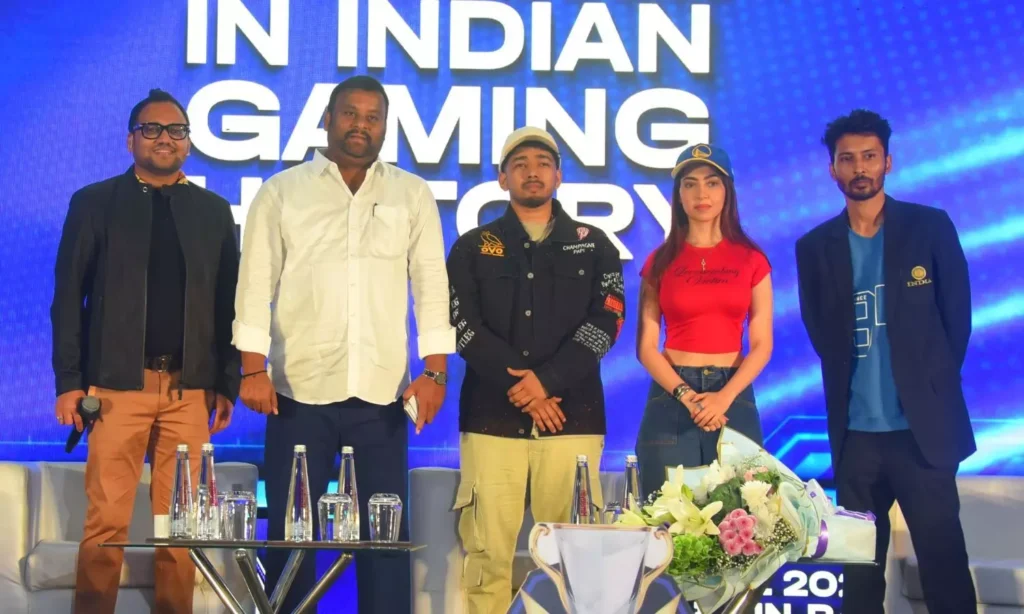
What Is the Indian Super Gaming League (ISGL)?
The Indian Super Gaming League (ISGL) is a groundbreaking initiative in the Indian esports ecosystem, representing the country’s first major franchise-based competitive gaming league. Unlike traditional esports tournaments, which are often one-off events with unpredictable prize pools, ISGL introduces a structured, professional, and long-term model that mirrors successful sports leagues worldwide.
Drawing inspiration from global franchises like the Indian Premier League (IPL) in cricket, the Big Bash League (BBL) in Australia, and the NBA in basketball, ISGL adapts the city-based team and franchise revenue model for esports. The league’s design aims to professionalize gaming, create sustainable revenue streams, and foster fan loyalty, positioning India as a rising hub in the global esports market.
🔑 Key Features of ISGL
- Permanent Teams with Franchise Owners
Teams are no longer temporary or tournament-specific. Each franchise is owned by investors or gaming brands, providing long-term stability for players, staff, and the league itself. - Franchise Revenue Sharing
ISGL introduces a shared revenue model, ensuring teams benefit from media rights, sponsorships, merchandise sales, and league profits, rather than relying solely on prize money. - League Schedule with Season Matches
Instead of sporadic tournaments, ISGL runs structured seasons with regular matches, fostering continuous fan engagement and predictable content for broadcasters and sponsors. - Player Contracts & Salaries
Gamers are offered professional contracts with salaries, benefits, and performance incentives, giving them career stability and incentivizing long-term growth in esports. - Fan Engagement — City Rivalries, Merchandise, Fan Tokens
By assigning teams to cities, ISGL builds local rivalries and fan loyalty. Fans can engage via team merchandise, digital fan tokens, and interactive experiences, creating community-driven monetization opportunities.
In essence, ISGL is more than just a league — it is a blueprint for transforming Indian esports into a sustainable, professional, and globally competitive ecosystem.
Why the Franchise Model Matters in Esports
The esports industry has historically operated on a tournament-based model, where competitions are often ad-hoc, short-lived, and heavily dependent on sponsorships or publisher funding. While this model allowed rapid growth in the early days, it has several limitations:
⚡ Limitations of Traditional Esports Tournaments
- Project-Based – Each event is organized as a one-time project with no long-term team commitments.
- Short-Term Focus – Prize pools and fan engagement last only during the tournament, making it difficult to build sustained loyalty.
- Sponsorship Dependent – Funding is tied to individual events, making financial planning unpredictable and unstable for teams and organizers.
- Limited Career Stability – Players often have uncertain incomes, no long-term contracts, and minimal professional support.
- Fragmented Audience – Fans engage sporadically, without city-based loyalty or consistent team affiliation.
🌟 Advantages of Franchise-Based Esports Leagues
Franchise leagues, like the Indian Super Gaming League (ISGL), address these challenges and transform esports into a sustainable ecosystem:
- Ownership Value
Franchise teams are permanent assets, owned by investors, brands, or celebrities, which builds long-term financial and brand value. - Consistent Revenue Streams
Revenue is diversified across media rights, sponsorships, merchandise, ticket sales, and digital fan tokens, reducing dependency on individual events. - Predictable Seasons
Structured leagues with fixed season schedules keep fans engaged year-round and allow sponsors and media partners to plan campaigns in advance. - Stronger Fan Base
City-based teams foster local rivalries, loyalty, and community engagement, turning casual viewers into invested fans. - Better Monetization Opportunities
Franchise leagues make esports advertiser-friendly, attracting non-endemic brands such as banks, telecoms, FMCG, and gaming peripherals. - Career Professionalization
Players gain contracts, salaries, coaching, and health support, creating a stable career path and incentivizing long-term participation.
✅ Bottom Line
By moving from sporadic tournaments to franchise leagues, esports can achieve financial stability, professional credibility, and global competitiveness. The franchise model is not just a structural change—it is the foundation for a thriving, long-term esports ecosystem in India and worldwide.
Market Size & Growth (India + Global)
Understanding the market size and growth trajectory of esports is critical for grasping why franchise leagues like the Indian Super Gaming League (ISGL) are emerging now — and why this evolution is timely for players, brands, creators, and investors.
🌏 Global Esports Market
The global esports industry has evolved from grassroots competitions to multi‑billion‑dollar commercial ecosystems anchored by sponsorships, media rights, and franchised leagues. According to industry research platforms like Newzoo, Statista, and esports analytics firms:
| Metric | Estimated Value / Forecast |
| 2025 Global Market Size | $2.6+ billion |
| 2030 Global Market Forecast | $6.5–7.0+ billion |
| Global Esports Viewers (2025) | 600+ million |
| Global CAGR (2024–2030) | ~20–22% |
📌 Key Insight: Esports has sustained one of the fastest growth rates among digital entertainment sectors, outpacing many traditional media categories. This growth is driven by factors like increasing Internet penetration, expanded mobile gaming adoption, and evolving monetization models that include media deals and franchised leagues.
Primary Global Growth Drivers:
- Rapid expansion of mobile and competitive gaming worldwide
- Massive esports viewership on streaming platforms (YouTube Gaming, Twitch, etc.)
- Brand partnerships across endemic and non‑endemic sectors
- Introduction of franchise leagues in multiple regions
Sources: Newzoo esports reports, Statista industry data, esports analytics studies
🇮🇳 Indian Esports: Rapid Expansion
India is one of the fastest‑growing esports markets globally, driven by a young population, affordable mobile Internet, and surging gaming engagement:
| Metric | India Estimated Value / Forecast |
| Total Gamers (2025) | ~590–620 million |
| Mobile Gamers Share | ~90%+ |
| Indian Esports Market Size (2025) | ~$200–250 million |
| Projected CAGR | ~30–35%+ |
| Professional Players (Active) | 25,000+ competitive players |
📌 Key Insight: India’s esports market, though smaller in absolute value compared to mature regions like North America or East Asia, is expanding at a much higher growth rate, fueled predominantly by mobile gaming titles.
Drivers of Indian Growth:
- Explosive growth of mobile competitive gaming (BGMI, Free Fire, COD Mobile)
- Widespread digital adoption among Gen Z and Millennials
- Growth of gaming content creators and streamer ecosystems
- Early monetization opportunities for teams, brands, and influencers
🎯 Why This Matters for ISGL
The numbers reveal two powerful trends that support the emergence of a franchise league in India:
- Market Ready for Professionalization:
High CAGR and audience growth prove Indian esports is no longer niche — it’s commercially viable. - Brands Are Investing Faster:
With increasing viewership, brands are more willing to invest in long‑term, season‑based exposure rather than short promotional bursts. - Fan Engagement Is Growing:
A large, young viewer base is ready for city‑based team loyalty — a hallmark of franchise leagues. - Revenue Models Are Diversifying:
Outside traditional tournament prize pools, revenue streams are now coming from media rights, sponsorships, merchandise, and digital fan engagement.
📊 What the Numbers Mean
📌 Global esports could more than double by 2030, with revenues spiking as leagues adopt franchised structures and media monetization becomes central.
📌 India’s esports boom is even faster, positioning it as a future global growth leader, not just a casual participant.
Franchise leagues like ISGL are emerging not by chance but by design — to harness this explosive growth and convert decentralized tournament value into structured, long‑term, commercial ecosystems.
🇮🇳 India Esports Snapshot
| Metric | India Est. |
| Gamers | 590–620M |
| Mobile Gamers | ~90% |
| Indian Esports Value | $200–250M |
| CAGR | ~30–35% |
| Professional Players | 25,000+ |
India is one of the fastest growing esports markets, driven by mobile gaming, youth adoption, and increasing internet access.
Revenue Models in Franchise Esports
One of the most important reasons franchise leagues like the Indian Super Gaming League (ISGL) are transforming esports is their diverse and sustainable revenue models. Unlike traditional one-off tournaments that rely primarily on prize money, franchise leagues create multiple, predictable income streams for teams, investors, and the league itself.
1️⃣ Sponsorship & Brand Deals
Franchise esports attract both endemic and non-endemic brands.
- Endemic brands: Gaming peripherals, PC/console manufacturers, energy drinks, mobile games.
- Non-endemic brands: Banks, telecoms, FMCG, fintech, automobiles.
Long-term league structures allow brands to secure season-long campaigns rather than sporadic tournament visibility, increasing ROI and engagement metrics.
2️⃣ Media Rights
Media rights are a major revenue engine for franchises:
- Streaming on platforms like YouTube Gaming, Twitch, and OTT platforms creates subscription, ad, and sponsorship opportunities.
- Structured league schedules allow broadcasters to plan consistent content, increasing monetization potential.
- Exclusive media deals for city-based teams can boost viewer loyalty and fan engagement.
3️⃣ Merchandise & Fan Tokens
Franchise leagues create opportunities for merchandising and fan-driven revenue:
- Team jerseys, caps, and collectibles for fans.
- Digital fan tokens or NFTs that allow fans to interact, vote, or unlock exclusive content.
- Merchandise sales strengthen team identity and brand loyalty, while creating an additional revenue stream.
4️⃣ Ticket Sales & Live Events
Offline events are increasingly viable revenue sources:
- Season matches and finals attract stadium or arena audiences.
- Ticketing, VIP experiences, and fan zones provide direct fan monetization.
- Live events also boost sponsorship and merchandise sales, creating a multiplier effect.
5️⃣ Franchise Fees & Revenue Sharing
Franchises themselves generate revenue through:
- Initial franchise fee paid by investors or brands to own a team.
- Revenue-sharing models where a portion of sponsorships, media rights, and merchandise sales is distributed among franchise owners.
This creates long-term asset value for team owners, unlike short-term tournaments with unpredictable prize pools.
✅ Bottom Line
Franchise leagues professionalize esports, turning it from a series of sporadic events into a predictable, commercially viable ecosystem. Teams, investors, and the league benefit from diverse revenue streams, which in turn improves player salaries, fan engagement, and long-term growth.
What ISGL Changes for Indian Players
The launch of the Indian Super Gaming League (ISGL) is not just a milestone for esports in India—it is a career-defining opportunity for competitive gamers. For years, players relied on short-term tournaments with unpredictable prize money, making it difficult to plan a long-term career in esports. ISGL introduces a structured ecosystem that prioritizes player stability, development, and professional growth.
🔑 Key Benefits for Indian Players
- Stable Contracts & Salaries
Players are now offered professional contracts with fixed salaries, performance-based incentives, and bonuses, reducing dependency on tournament winnings. This allows gamers to focus on skill development and competition rather than financial uncertainty. - Health & Performance Support
Franchises invest in player wellness, including physical and mental health programs. This includes access to fitness trainers, nutrition guidance, physiotherapy, and mental health counselors, ensuring players perform at their peak consistently. - Training Facilities
Professional esports teams now have dedicated training centers, equipped with high-end gaming PCs, mobile setups, simulators, and high-speed internet. These facilities allow structured practice, team coordination, and strategy refinement, similar to traditional sports academies. - Professional Coaching
Players benefit from experienced coaches, analysts, and strategists, helping them improve skills, develop team tactics, and understand meta-game strategies. Coaching also emphasizes career development, teamwork, and leadership skills. - Pathway from College to Pro
ISGL creates a clear progression for emerging talent, linking college leagues and grassroots tournaments to professional franchises. This enables young players to transition from amateur competitions to paid professional careers, building the next generation of esports stars. - Career Stability Beyond Prize Money
Unlike traditional tournament-based systems, ISGL ensures that players have long-term income, recognition, and brand exposure, turning esports into a viable and respected career option in India.
✅ Bottom Line
With ISGL, Indian esports players no longer live from one tournament to the next. Instead, they gain career security, professional development, and global visibility, aligning Indian esports with international franchise standards and opening doors to sponsorships, endorsements, and long-term opportunities.
What ISGL Means for Brands & Sponsors
The Indian Super Gaming League (ISGL) is not just a game-changer for players — it also opens up significant opportunities for brands, marketers, and sponsors. By introducing a franchise-based structure, ISGL transforms esports into a predictable, measurable, and highly engaging marketing platform, much like traditional sports leagues such as the IPL or NBA.
🔑 Benefits for Brands
- Predictable Exposure
Unlike one-off tournaments, franchise leagues run structured seasons with regular matches, ensuring consistent brand visibility across the league’s schedule. This allows marketers to plan campaigns months in advance and measure engagement effectively. - Loyal and Engaged Viewership
City-based teams create local rivalries and fan communities, resulting in highly engaged audiences that follow teams consistently. For brands, this translates to fan loyalty, repeated impressions, and better ROI. - Monthly or Seasonal Campaigns
Franchised esports leagues allow brands to design long-term campaigns tied to league milestones, player sponsorships, or merchandise launches. This approach increases brand recall and conversion rates compared to short-term ad placements. - Data-Driven Targeting
Digital-first streaming and interactive fan engagement generate rich audience insights. Brands can target campaigns based on age, geography, device type, interests, and in-game behavior, creating highly efficient marketing strategies. - Premium Advertising Rates
Esports audiences, especially niche gaming segments, often command higher CPM (Cost Per Mille) rates than traditional digital ads. Brands investing in esports can therefore access high-value, performance-oriented advertising opportunities.
🎯 Affiliate Marketing Opportunities
ISGL also opens doors for affiliate marketing, where brands and creators can monetize their content while serving esports audiences:
- Gaming peripherals: Keyboards, mice, headsets, and gaming laptops.
- Energy drinks & nutrition: Products targeting young, active gamers.
- Mobile devices & accessories: Smartphones, chargers, and gaming controllers.
- OTT subscriptions & streaming platforms: Partnerships for exclusive content or match broadcasts.
- Gaming chairs & furniture: Ergonomic gear for serious players and streamers.
By leveraging affiliate programs alongside sponsorships, brands and creators can tap directly into the esports revenue ecosystem, building both awareness and sales simultaneously.
✅ Bottom Line
For brands and sponsors, ISGL turns esports into a professional, long-term marketing channel. With structured seasons, loyal fans, premium ad rates, and data-driven insights, franchise esports allows marketers to maximize reach, engagement, and ROI in one of India’s fastest-growing entertainment sectors.
Challenges to the Franchise Model
While franchise-based esports leagues like the Indian Super Gaming League (ISGL) offer enormous opportunities, they also come with unique challenges. Understanding these hurdles is essential for players, investors, brands, and organizers to navigate the ecosystem successfully.
1️⃣ High Franchise Investment Barriers
Starting a franchise in ISGL requires a significant initial investment for team acquisition, infrastructure, player salaries, and marketing. This high entry cost can limit participation to well-funded investors or established brands, potentially excluding smaller stakeholders or grassroots initiatives.
2️⃣ Sustainability of Team Revenues
Even with sponsorships and media rights, teams must maintain long-term financial sustainability. Revenue depends on fan engagement, merchandise sales, and consistent viewership. Teams that fail to attract sponsors or build loyal audiences may struggle financially.
3️⃣ Player Welfare & Burnout
Franchise esports introduces intense schedules, training regimens, and travel. Without proper health, mental wellness, and performance management, players risk burnout, reducing both team performance and long-term career longevity.
4️⃣ Oversaturation of Leagues
With multiple tournaments and potential new franchises, the market could face oversaturation, diluting viewership and sponsorship attention. Strategic scheduling and differentiation are critical to maintain league relevance and engagement.
5️⃣ Regulatory Uncertainties in Gaming/Rules
Esports in India still operates in a relatively unregulated environment. Potential issues include:
- Legal restrictions on prize money
- Data privacy regulations for online platforms
- Copyright or intellectual property issues for game content
- Future government policies affecting online gaming or betting
Navigating these regulatory uncertainties is essential for investor confidence and long-term league viability.
✅ Bottom Line
Franchise esports leagues are transformative, but they require careful planning, financial discipline, and regulatory awareness. By addressing these challenges proactively, leagues like ISGL can sustain growth, protect players, and create a scalable ecosystem that benefits all stakeholders.
Case Studies: Franchise Esports Wins
Examining successful global franchise esports leagues provides valuable insights into how India’s ISGL can structure teams, attract investment, and build sustainable fan engagement.
🎮 Overwatch League (OWL)
The Overwatch League, launched by Blizzard Entertainment in 2018, is one of the first esports leagues to adopt a city-based franchise model, closely resembling traditional sports leagues.
Key Features:
- City Franchises: Teams are assigned to cities (e.g., San Francisco Shock, Seoul Dynasty), fostering local fan loyalty.
- Long-Term Team Investment: Franchise owners commit to multi-year investments covering player salaries, training facilities, and team branding.
- Broadcaster Deals: OWL secured exclusive media rights with Twitch, YouTube, and regional TV partners, generating predictable revenue streams.
Outcome:
- Successes: OWL established strong brand partnerships, high fan engagement, and international visibility.
- Challenges: Profitability remains mixed due to high franchise fees and operating costs, highlighting the importance of sustainable financial planning for new leagues.
Lessons for India:
- City-based loyalty drives fan engagement
- Long-term contracts stabilize teams and players
- Media and sponsorship deals are essential to offset operational costs
🏆 League of Legends Championship Series (LCS)
The League of Legends Championship Series (LCS) in North America is another prominent example of a franchise-based esports league. It has successfully transitioned from tournament-based competition to a permanent league structure.
Key Features:
- Structured Seasonal Competition: Teams compete in regular seasons, playoffs, and finals, allowing fans and sponsors to follow a predictable schedule.
- Revenue Sharing: League revenue—including media rights, sponsorships, and merchandise—is shared among franchise owners, incentivizing long-term investment.
Outcome:
- Sustained Growth: LCS viewership has continued to grow year-on-year, demonstrating that franchise leagues can create stable, long-term engagement.
- Financial Stability: Revenue sharing ensures that all franchises benefit from league success, reducing financial risks for individual team owners.
Lessons for India:
- Predictable schedules and revenue sharing stabilize the ecosystem
- Structured competition enhances fan loyalty and sponsorship appeal
- Long-term growth depends on balancing operational costs with brand partnerships
✅ Key Takeaways from Global Case Studies
- City-based teams foster strong fan engagement and merchandise sales.
- Revenue diversification (media rights, sponsorships, ticketing) is essential for financial sustainability.
- High entry costs require careful planning and investor commitment.
- Structured seasonal competitions drive consistent viewership and fan loyalty.
- Player stability and professional support are critical for league credibility and longevity.
These case studies provide a proven blueprint for ISGL to implement city franchises, secure sponsors, and build a long-term, sustainable esports ecosystem in India.
Step-by-Step: How ISGL Franchise Teams Are Built
Building a successful franchise team in the Indian Super Gaming League (ISGL) involves a structured, multi-stage process. This framework ensures team stability, competitive performance, and commercial viability, while aligning with international franchise esports best practices.
1️⃣ Application & Vetting
- Potential franchise owners submit applications to the ISGL governing body.
- Vetting includes financial capability, business background, and alignment with league standards.
- This ensures only committed and credible investors join the league.
2️⃣ Franchise Fee Payment
- Approved owners pay an initial franchise fee, which covers league administration, operational costs, and media rights contribution.
- Fees vary depending on the market potential of the city and league tier, ensuring balanced financial participation.
3️⃣ City Assignment
- Each franchise is assigned a city to represent, fostering local fan engagement and regional rivalries.
- City-based branding allows teams to develop merchandise, fan clubs, and city-centric marketing campaigns.
4️⃣ Roster Signing & Contracts
- Franchises recruit players through tryouts, scouting, and partnerships with college leagues.
- Professional contracts with salaries, bonuses, and performance incentives are signed to ensure player stability and career development.
- Support staff, including coaches, analysts, and managers, are also recruited at this stage.
5️⃣ Training & Branding
- Teams establish training facilities with high-end gaming setups, internet connectivity, and practice spaces.
- Branding efforts include team logos, jerseys, social media channels, and marketing collateral.
- Professional coaching develops team strategies, gameplay tactics, and skill optimization.
6️⃣ Season Match Schedule
- Teams follow a structured seasonal calendar, including regular season matches, playoffs, and finals.
- Consistent schedules enable fans to follow teams year-round and allow sponsors and media partners to plan campaigns.
7️⃣ Fan Engagement Activities
- Franchises engage fans through meet-and-greets, live streams, tournaments, community events, and social media campaigns.
- Digital tools like fan tokens, voting systems, and interactive content strengthen loyalty and brand visibility.
8️⃣ Merchandise & Monetization Launch
- Teams launch city-branded merchandise such as jerseys, caps, and collectibles.
- Additional monetization channels include sponsorships, affiliate programs, digital fan experiences, and in-game content.
- This stage ensures the franchise becomes financially sustainable and commercially viable.
✅ Bottom Line
The ISGL franchise model is systematic, professional, and investor-friendly, combining competitive performance with robust business operations. By following these steps, teams can maximize fan engagement, sponsor value, and player growth, setting the stage for long-term success in India’s esports ecosystem.
Comparison: Traditional Esports vs Franchise Model
To understand the impact of franchise leagues like the Indian Super Gaming League (ISGL), it helps to compare them directly with traditional esports tournaments. The differences highlight why franchises are transforming India’s competitive gaming ecosystem.
| Aspect | Traditional Esports | Franchise Esports (ISGL) |
| Duration | One-off tournaments, often lasting a few days or weeks | Structured season-based leagues with regular matches, playoffs, and finals |
| Team Ownership | Teams are temporary or player-led; no permanent ownership | Permanent franchises owned by investors, brands, or celebrities |
| Revenue Sources | Primarily prize money and small event sponsorships | Multiple revenue streams: sponsorships, media rights, merchandise, ticketing, and fan tokens |
| Sponsorship Model | Event-based, short-term exposure | Long-term brand partnerships across the season |
| Fan Loyalty & Engagement | Limited; fans follow tournaments sporadically | Strong; city-based teams create regional rivalries and community engagement |
| Player Career Stability | Short-term earnings; inconsistent contracts | Professional contracts, salaries, health support, and career pathways |
| Market Predictability | Revenue and audience fluctuate per event | Predictable schedules, stable fanbase, and structured financial planning |
🔑 Key Takeaways
- Franchise leagues ensure consistent engagement — fans follow teams rather than just single events.
- Revenue diversification reduces financial risk for teams and investors compared to relying on prize money.
- Professional player development becomes possible, with salaries, training, and career growth opportunities.
- Brands and sponsors gain predictable exposure, maximizing ROI over the entire season.
- Franchise structure supports long-term league sustainability, making it more appealing for investors and media partners.
✅ Bottom Line
While traditional tournaments helped build esports awareness, the franchise model takes the ecosystem to the next level — creating stability, monetization opportunities, and global competitiveness. For India, ISGL is positioned to replicate the success of leagues like IPL and LCS, ensuring esports is both a career and a business opportunity.
Key Stats You Need to Know
Understanding the numbers behind the esports boom helps players, brands, and investors grasp why franchise leagues like ISGL are a game-changer.
- India’s Massive Gamer Base
- India is projected to have over 600 million gamers by 2025, making it one of the largest gaming markets in the world.
- This includes mobile, PC, and console gamers, with mobile gaming accounting for the majority of engagement.
- India is projected to have over 600 million gamers by 2025, making it one of the largest gaming markets in the world.
- Rapid Esports Growth in India
- The Indian esports market is growing at an estimated 30%+ CAGR, fueled by youth adoption, increasing smartphone penetration, and affordable internet.
- This rapid growth indicates strong demand for structured, professional esports leagues.
- The Indian esports market is growing at an estimated 30%+ CAGR, fueled by youth adoption, increasing smartphone penetration, and affordable internet.
- Global Franchise League Value
- Franchise-based esports leagues worldwide are projected to be worth $7 billion by 2030, highlighting the global monetization potential and investor interest.
- Leagues such as OWL, LCS, and LCK demonstrate how franchises can create sustainable revenue, fan loyalty, and global sponsorships.
- Franchise-based esports leagues worldwide are projected to be worth $7 billion by 2030, highlighting the global monetization potential and investor interest.
- Dominance of Mobile Gaming in India
- Around 90% of Indian gamers play on mobile devices, making India a mobile-first esports market.
- Titles like BGMI, Free Fire, and COD Mobile dominate competitions and viewership, creating opportunities for mobile-focused franchise teams.
- Around 90% of Indian gamers play on mobile devices, making India a mobile-first esports market.
- Franchise Leagues Drive Predictable Revenue
- Structured leagues offer seasonal matches, merchandise, sponsorships, and media rights, unlike ad-hoc tournaments, which are one-off events.
- Structured leagues offer seasonal matches, merchandise, sponsorships, and media rights, unlike ad-hoc tournaments, which are one-off events.
- Player & Audience Engagement Potential
- Large audiences, combined with structured leagues, mean higher CPMs, better sponsorship ROI, and long-term fan engagement.
- City-based teams strengthen regional identity and loyalty, which further drives monetization opportunities.
- Large audiences, combined with structured leagues, mean higher CPMs, better sponsorship ROI, and long-term fan engagement.
✅ Bottom Line
These stats highlight why India is primed for franchise esports, and why ISGL’s model could unlock massive growth for players, brands, and investors alike.
FAQs Section
1️⃣ What games will ISGL feature?
The Indian Super Gaming League (ISGL) focuses on popular competitive games in India, primarily mobile shooters, battle royales, and team-based strategy titles. Examples include:
- BGMI (Battlegrounds Mobile India) – India’s top mobile battle royale game with a massive competitive scene.
- Free Fire – Known for fast-paced mobile esports tournaments.
- Mobile Legends & Valorant Mobile/PC – Team-based strategy and shooter games that foster tactical gameplay.
Over time, ISGL may expand to PC and console esports titles, aligning with global trends and attracting broader audiences. Game selection is based on player base, viewership potential, and commercial viability.
2️⃣ Can colleges participate in ISGL?
ISGL is a professional-tier league, meaning only franchise-backed teams compete in the main season. However:
- India has a vibrant college esports ecosystem, which acts as a talent feeder for ISGL franchises.
- Outstanding players from college tournaments may be scouted and signed to professional franchises.
- This pathway ensures career continuity for young talent and strengthens India’s overall esports pipeline.
3️⃣ How do franchise teams earn money?
Franchise teams generate diverse revenue streams, unlike traditional tournament-only models:
- Sponsorships & Brand Deals: Long-term partnerships with endemic (gaming accessories, energy drinks) and non-endemic brands (banks, telecoms, fintech).
- Merchandise Sales: Team-branded jerseys, caps, collectibles, and digital goods.
- Media Rights: Streaming rights on platforms like YouTube Gaming, Twitch, and OTT channels.
- Ticket Sales & Live Events: Revenue from offline events, fan zones, and VIP experiences.
- Revenue Sharing: Teams share a portion of league-wide income, ensuring predictable earnings beyond prize money.
4️⃣ Do players get salaries?
Yes. Players in ISGL receive:
- Professional contracts with monthly salaries and performance incentives.
- Health and wellness support, including physiotherapy, nutrition guidance, and mental health counseling.
- Bonuses for tournament wins or fan engagement, ensuring players are rewarded for both performance and brand value. This approach ensures career stability, reducing dependence on prize pools
5️⃣ Is ISGL only for mobile games?
Currently, mobile games dominate India’s esports landscape (~90% of gamers), so ISGL prioritizes mobile-friendly titles.
- Future Expansion: ISGL plans to introduce PC and console titles as infrastructure, audience demand, and monetization opportunities grow.
- This strategy ensures scalable growth, aligning with India’s mobile-first gaming culture while keeping the door open for global-standard esports titles.
6️⃣ Who can buy a franchise?
ISGL franchises are open to:
- Investors and Venture Capital firms seeking high-growth digital entertainment assets.
- Gaming brands looking for visibility and market penetration.
- Celebrity owners who want to leverage fan followings for esports branding.
- Strategic corporate partners interested in long-term sponsorship and merchandising opportunities.
Franchise ownership requires financial capability, league approval, and alignment with ISGL standards.
7️⃣ Is franchising sustainable?
Early signs indicate positive growth, but long-term sustainability depends on:
- Revenue Diversification: Balancing sponsorships, merchandise, media rights, and fan engagement.
- Fan Loyalty: Building strong city-based followings to maintain consistent viewership.
- Professional Team Management: Ensuring players, coaches, and staff are supported to reduce attrition and burnout.
- Cost Management: Controlling operational expenses and franchise fees to ensure profitability.
Franchise models turn sporadic esports events into predictable, long-term business ventures.
8️⃣ Are fans earning from esports?
Yes, ISGL introduces mechanisms for fan monetization:
- Fan Tokens & NFTs: Fans can own digital collectibles, vote in team decisions, or access exclusive content.
- Affiliate Programs: Partners can earn commissions promoting gaming peripherals, subscriptions, or event tickets.
- Merchandise Incentives: Fans can benefit from loyalty programs linked to purchases or match engagement.
This direct fan monetization is unique to franchise esports and helps build community-driven revenue streams.
9️⃣ How can Indian gamers benefit?
Indian gamers benefit from ISGL in multiple ways:
- Stable Careers: Contracts, salaries, and long-term development paths reduce financial uncertainty.
- Professional Coaching: Access to tactical, analytical, and physical training to improve competitive skills.
- Exposure & Branding: Players gain visibility to sponsors, content platforms, and media.
- Community Growth: City-based teams and fan engagement programs allow players to build personal brands and connect with fans.
- Pathways from Amateur to Pro: College leagues and grassroots tournaments act as stepping stones to franchise teams.
🔟 What’s next after ISGL?
The Indian esports ecosystem is evolving rapidly. Future developments may include:
- Regional Leagues: Tier-2 and Tier-3 city competitions feeding into national franchises.
- College Feeder Systems: Structured pathways for emerging talent to join professional teams.
- OTT Broadcast Deals: Partnerships with streaming and entertainment platforms for broader visibility and monetization.
- Global Collaborations: Cross-border franchise partnerships and tournaments to increase international competitiveness.
- Enhanced Fan Engagement Tools: Fan tokens, interactive apps, and virtual events to grow loyalty and revenue.
summary
- Introduction of ISGL – The Indian Super Gaming League (ISGL) launches India’s first franchise-based esports model, aiming to professionalize competitive gaming similar to IPL’s impact on cricket.
- Franchise Model Significance – Moving from tournament-based events to permanent city-based franchises ensures player stability, fan loyalty, predictable revenue, and long-term growth for the esports ecosystem.
- Market Growth & Potential – India’s esports market is growing at ~30–35% CAGR with ~600M+ gamers, while the global market is projected to reach $6.5–7B by 2030, highlighting enormous opportunity for franchises and investors.
- Revenue Opportunities – ISGL introduces multiple monetization streams including sponsorships, media rights, merchandise, ticket sales, and franchise fees, making esports more commercially sustainable than ever before.
- Impact on Players & Brands – Gamers gain professional contracts, training support, and career paths, while brands benefit from predictable visibility, fan engagement, and high-CPM advertising opportunities.
- Future Outlook – Over the next decade, India is poised to become a global esports powerhouse with regional leagues, OTT broadcasting, college feeder systems, and a fully professionalized ecosystem, creating long-term growth for all stakeholders.
Conclusion
The launch of the Indian Super Gaming League (ISGL) marks a watershed moment for Indian esports. For years, competitive gaming in India was fragmented, relying on irregular tournaments, publisher-run events, and unpredictable prize pools. ISGL changes the game by introducing a structured, franchise-based model that mirrors successful leagues worldwide, such as the IPL, Overwatch League, and LCS.
✅ Key Impacts of ISGL
- Professionalization of Indian Esports
- Players now have access to stable contracts, salaries, coaching, and health support, making esports a viable career path.
- Structured seasons and permanent teams ensure long-term competitive consistency, replacing short-term, project-based tournaments.
- Players now have access to stable contracts, salaries, coaching, and health support, making esports a viable career path.
- Enhanced Brand and Investor Opportunities
- Brands gain predictable exposure, loyal audiences, and data-driven marketing channels, making esports sponsorships more attractive.
- Investors and franchise owners benefit from diverse revenue streams, including media rights, merchandising, ticketing, and fan engagement programs.
- Brands gain predictable exposure, loyal audiences, and data-driven marketing channels, making esports sponsorships more attractive.
- Fan Engagement and Community Growth
- City-based teams foster regional loyalty and fan communities, boosting merchandise sales, viewership, and interactive fan experiences like fan tokens and digital collectibles.
- Fans are no longer passive observers—they can participate, influence, and even monetize their engagement.
- City-based teams foster regional loyalty and fan communities, boosting merchandise sales, viewership, and interactive fan experiences like fan tokens and digital collectibles.
- Catalyst for India’s Gaming Economy
- ISGL signals India’s readiness to compete on the global esports stage, attracting international attention, investment, and partnerships.
- The league strengthens college-to-pro pipelines, regional competitions, and OTT broadcasting opportunities, creating a sustainable esports ecosystem.
- ISGL signals India’s readiness to compete on the global esports stage, attracting international attention, investment, and partnerships.
- Long-Term Growth Potential
- With projected CAGR growth of 30%+ for Indian esports and franchise leagues globally worth $7B by 2030, ISGL is poised to unlock unprecedented economic and career opportunities for gamers, creators, and brands alike.
- With projected CAGR growth of 30%+ for Indian esports and franchise leagues globally worth $7B by 2030, ISGL is poised to unlock unprecedented economic and career opportunities for gamers, creators, and brands alike.
💡 Bottom Line
The Indian Super Gaming League transforms Indian esports from a fragmented, prize-dependent scene into a professional, franchise-driven industry. It empowers players, engages fans, and creates lucrative opportunities for brands and investors, laying the foundation for India to become a global esports powerhouse over the next decade.
References
Here are verified links to authoritative reports, industry data, and expert research that you can cite or link in your blog to support facts about esports market size, growth trends, and professional insights:
📊 Industry & Market Reports
- Statista – Esports Market in India
Overview of India’s esports revenue, user penetration, and forecast data. Statista: Esports – India Market Forecast & Key Figures - Expert Market Research – India Esports Market Report
In‑depth analysis of India esports market value, growth drivers, and projections to 2035. India Esports Market Size & Share Growth Analysis (2025‑2035) - Statista – Esports in India Statistics
Key stats about players, viewership, and industry trends. Statista Report: Esports in India (Statistics & Facts) - IMARC Group – India Esports Market Report
Forecast and segmentation of the esports market through 2033. India Esports Market Growth (2025‑2033) – IMARC Report - Newzoo – Global Games Market Report 2025
Comprehensive global games & esports market forecast, trends, and revenue insights. Newzoo Global Games Market Report 2025 (Free Edition)
🧠 Professional Insights & Player Interviews
- ResearchGate – Professional Gamers Interview Study
Academic study analyzing interviews with Indian esports professionals and growth constraints. Challenges in Esports: Interview Study of Professional Gamers in India - YouGov‑JetSynthesys Report on Indian Esports Careers (Industry Insight)
Survey revealing Indian esports players’ perspectives on career viability, sponsorship needs, and ecosystem growth. Indian Esports Players See Gaming as Career Option – YouGov Report
📌 Additional Industry Sources You Can Reference
Redseer Article: Mapping the Esports Boom in India – market outlook and growth drivers.Game On: Mapping the eSports Boom in India (Redseer)
