









Estimated Reading Time: 28-30 minutes (5,497 words)
Introduction
Healthcare is undergoing a fundamental transformation. No longer limited to hospitals, clinics, or emergency care, health management is increasingly shifting into homes, onto smartphones, and around the clock. Advances in artificial intelligence, wearable technology, and digital health platforms are empowering individuals to take greater control of their well-being—daily, proactively, and on their own terms.
From AI-powered fitness and nutrition apps to smartwatches that continuously track heart rate, sleep, stress, and oxygen levels, at-home wellness technology is redefining how people understand and manage their health. Virtual health coaches, remote patient monitoring tools, and personalized wellness dashboards are replacing one-size-fits-all health advice with data-driven, customized routines tailored to individual lifestyles and bodies.
This shift is being driven by several powerful global and India-specific factors:
- Rising lifestyle diseases such as diabetes, obesity, cardiovascular disorders, and hypertension, which require continuous monitoring rather than occasional hospital visits
- Growing mental health awareness, accelerating the adoption of digital therapy, meditation, and stress-management tools
- Widespread smartphone and wearable adoption, making advanced health tracking accessible to millions of users
- AI-driven personalization, enabling predictive insights, early risk detection, and adaptive health recommendations
- Post-pandemic telehealth behavior, which normalized remote consultations, home diagnostics, and virtual care models
As a result, at-home wellness has evolved into a multi-billion-dollar global industry, spanning fitness, mental health, chronic disease management, preventive care, and smart home healthcare. Notably, India is emerging as one of the fastest-growing markets, fueled by affordable health tech, a large digitally connected population, and an increasing shift toward preventive and holistic wellness.
In this article, we explore how AI and technology are transforming daily health routines, supported by global and Indian market data, real-world case studies, expert insights, and future projections. Whether you’re a consumer looking to improve your health, a creator building authority in wellness content, or a business exploring growth opportunities, this deep dive will help you understand why at-home wellness represents the next major health revolution.

1. What Is At-Home Wellness?
At-home wellness refers to the use of digital health technologies, artificial intelligence, wearables, mobile apps, and smart medical devices to monitor, manage, and improve physical and mental well-being from the comfort of one’s home, without the need for frequentoutine hospital visits or constant clinical supervision.
Unlike traditional healthcare models that focus primarily on diagnosing and treating illness after symptoms appear, at-home wellness emphasizes continuous health monitoring, early detection, lifestyle optimization, and preventive care. It enables individuals to take an active role in managing their health on a daily basis, supported by real-time data and personalized insights.
🔍 What At-Home Wellness Includes
Modern at-home wellness ecosystems cover a wide range of health needs, including:
- Fitness & Activity Tracking
Smartwatches and fitness bands track steps, calories burned, heart rate, workouts, and mobility patterns, helping users build consistent exercise habits and reduce sedentary behavior. - Nutrition & Calorie Monitoring
AI-powered nutrition apps analyze dietary intake, recommend personalized meal plans, track macronutrients, and support weight management and metabolic health. - Sleep Optimization
Wearables and sleep apps monitor sleep duration, quality, cycles, and disturbances, offering insights and recommendations to improve rest, recovery, and overall energy levels. - Mental Health Therapy & Meditation
Digital mental wellness platforms provide guided meditation, breathing exercises, cognitive behavioral therapy (CBT) tools, stress tracking, and AI-based emotional support to improve psychological well-being. - Chronic Disease Monitoring
Connected devices such as glucose monitors, blood pressure machines, and heart health trackers help individuals manage long-term conditions like diabetes, hypertension, and cardiovascular disease at home. - Preventive Health Insights
AI algorithms analyze long-term health data to identify patterns, flag potential risks, and encourage early lifestyle interventions before serious medical issues arise.
🔄 From Reactive Care to Preventive Wellness
This shift toward at-home wellness represents a fundamental transformation in healthcare delivery. Instead of reacting to illness after it occurs, individuals can now prevent, manage, and optimize their health continuously using data-driven insights.By combining AI, connected devices, and user-friendly digital platforms, at-home wellness bridges the gap between everyday lifestyle choices and long-term health outcomes—making healthcare more accessible, affordable, personalized, and proactive than ever before.
2. Key Technologies Powering At-Home Wellness
The rapid growth of at-home wellness is made possible by a powerful combination of artificial intelligence, connected devices, and cloud-based data systems. Together, these technologies create an intelligent health ecosystem that continuously collects data, analyzes it in real time, and delivers personalized, actionable insights to users at home.
🔹 Artificial Intelligence (AI): The Brain Behind Personalized Wellness
Artificial intelligence is the core engine driving modern at-home wellness solutions. AI systems process large volumes of health and behavioral data to identify patterns that would be impossible for humans to detect manually.
AI analyzes user data to:
- Predict health risks early
By studying trends in heart rate, sleep quality, activity levels, and biometrics, AI can flag early warning signs of conditions such as fatigue, stress overload, cardiovascular risk, or metabolic imbalance. - Personalize workout and diet plans
AI adapts fitness routines and nutrition recommendations based on age, gender, goals, activity history, recovery patterns, and even daily energy levels, ensuring more effective and sustainable health outcomes. - Detect irregular heart rates or sleep issues
Advanced algorithms can identify anomalies such as irregular heart rhythms, abnormal sleep cycles, or breathing disturbances, prompting timely medical follow-ups. - Provide virtual coaching and behavioral nudges
AI-powered virtual health coaches send reminders, motivation alerts, and habit-building prompts, helping users stay consistent with exercise, hydration, medication, and mental wellness routines.
👉 Why AI matters: It transforms raw health data into meaningful, personalized guidance, shifting wellness from generic advice to precision health.
🔹 Internet of Things (IoT): Connecting the Body to Technology
The Internet of Things (IoT) forms the physical layer of at-home wellness by enabling health devices to communicate with apps, platforms, and healthcare providers in real time.
Connected devices include:
- Smart scales that measure weight, body fat percentage, muscle mass, and BMI
- Blood pressure monitors for daily hypertension tracking
- Glucose sensors and continuous glucose monitors (CGMs) for diabetes management
- Sleep trackers and smart rings that monitor sleep stages, oxygen levels, and recovery
These devices automatically send real-time health data to mobile apps and dashboards, eliminating manual tracking and improving accuracy.
👉 Impact of IoT: Continuous monitoring allows users to detect changes instantly rather than relying on occasional checkups.
🔹 Cloud Computing & Big Data: The Foundation of Scalable Wellness
Cloud infrastructure and big data technologies provide the backbone that supports millions of users and devices simultaneously.
Secure cloud platforms enable:
- Long-term health trend tracking
Users can view progress over weeks, months, or years, helping them understand how lifestyle choices affect long-term health. - Predictive analytics and insights
By combining historical data with AI models, platforms can forecast future health risks and suggest preventive actions. - Doctor-patient data sharing and telehealth integration
With user consent, health data can be securely shared with doctors, nutritionists, or caregivers, improving diagnosis, treatment decisions, and remote consultations.
👉 Why cloud matters: It ensures scalability, data security, and seamless integration across devices, apps, and healthcare systems.
🔄 How These Technologies Work Together
When combined, AI + IoT + Cloud create a closed-loop wellness system:
- IoT devices collect real-time health data
- Cloud platforms securely store and organize the data
- AI analyzes the data and generates personalized insights
- Users receive actionable recommendations and alerts
- Healthcare professionals can intervene when necessary
This integrated ecosystem enables continuous, intelligent, and preventive at-home wellness, redefining how individuals manage their health every day.
3. AI’s Role in Personalized Health Routines
Artificial intelligence has become the intelligent core of modern at-home wellness platforms. Unlike traditional health tools that rely on generic recommendations, AI enables deep personalization, adapting daily health routines to an individual’s unique body signals, habits, environment, and goals.
By continuously analyzing data from wearables, mobile apps, and connected devices, AI transforms raw information into real-time, actionable guidance, helping users make smarter health decisions every day.
🔍 How AI Personalizes Daily Health Routines
AI-driven wellness platforms personalize health across multiple dimensions:
🏋️ Adjusts Workouts Based on Fatigue & Recovery
AI evaluates metrics such as heart rate variability (HRV), sleep quality, resting heart rate, and recent activity levels to assess recovery status.
- On high-fatigue days, workouts are scaled down to prevent injury
- On high-energy days, intensity and volume are increased
This dynamic adjustment improves performance while reducing burnout and overtraining.
🥗 Recommends Meals Based on Glucose Response & Metabolism
Advanced nutrition platforms use AI to analyze:
- Blood glucose patterns
- Meal timing
- Activity levels
- Individual metabolic responses
Instead of generic diet plans, AI recommends foods that stabilize energy levels, improve digestion, and support long-term metabolic health—a game changer for weight management and diabetes prevention, especially in India.
🚨 Detects Early Signs of Illness or Health Imbalances
AI systems monitor subtle deviations in:
- Heart rate
- Sleep duration and quality
- Oxygen saturation
- Stress indicators
These deviations can signal early signs of infections, chronic stress, or cardiovascular risks, prompting users to rest, hydrate, or seek medical advice before symptoms worsen.
😴 Suggests Sleep Improvements Using Behavioral Patterns
By analyzing sleep cycles, bedtime routines, screen exposure, caffeine intake, and stress levels, AI identifies sleep-disrupting habits and offers targeted recommendations such as:
- Optimizing sleep schedules
- Adjusting workout timing
- Improving sleep environment
Better sleep directly impacts immunity, mental health, productivity, and overall wellness.
🔄 From Generic Advice to Adaptive Health Coaching
What makes AI unique is its ability to learn continuously. The more data it collects, the more accurate and personalized its recommendations become. This creates an adaptive health coaching model, where guidance evolves alongside the user’s lifestyle, age, and health goals.
For users, this means:
- Fewer trial-and-error health decisions
- Higher adherence to wellness routines
- Measurable improvements over time
📊 Key Insight: Growing Trust in AI-Driven Wellness
📌 Research Insight:
Studies indicate that over 70% of users trust AI-driven health recommendations, particularly when those insights are supported by real-time wearable data. Transparency, consistent results, and data-backed explanations play a key role in building this trust.
As AI systems become more explainable and regulated, user confidence in digital wellness solutions is expected to grow even further—accelerating adoption across fitness, mental health, nutrition, and preventive care.
🌍 India & Global Impact
In high-population countries like India, AI-powered personalization is especially valuable. It enables scalable wellness solutions that:
- Reduce dependence on overburdened healthcare systems
- Provide affordable, daily health guidance
- Support preventive care for lifestyle-related diseases
AI is no longer just enhancing health routines—it is reshaping how wellness is delivered, experienced, and sustained at home.
4. Wearables & Smart Devices: The Backbone of Home Wellness
Wearables and smart health devices form the foundation of the at-home wellness ecosystem. These technologies act as continuous health companions, collecting real-time physiological data and translating it into meaningful insights that help users understand, manage, and improve their health on a daily basis.
By enabling passive, always-on monitoring, wearables eliminate the need for manual tracking and occasional clinic visits, making preventive healthcare more accessible and proactive.
🔍 Popular Wearables & Smart Health Devices
At-home wellness relies on a growing range of connected devices, each designed to track specific health parameters:
- Smartwatches
Track heart rate, ECG, blood oxygen (SpO₂), physical activity, sleep stages, stress levels, and in some cases detect irregular heart rhythms and falls. - Fitness Bands
Lightweight and affordable devices focused on step tracking, calorie burn, basic heart rate monitoring, and sleep tracking—ideal for beginners and budget-conscious users. - Smart Rings
Compact devices worn on the finger that offer advanced sleep, recovery, and readiness insights with high accuracy, gaining popularity for long-term wellness tracking. - Smart Blood Pressure Monitors
Enable daily hypertension monitoring at home, automatically logging readings to apps for trend analysis and doctor consultations. - Continuous Glucose Monitors (CGMs)
Provide real-time glucose tracking for people with diabetes or metabolic concerns, helping users understand how food, stress, sleep, and exercise impact blood sugar levels.
💡 Why Wearables Matter in At-Home Wellness
Wearables are not just gadgets—they are critical tools for preventive and personalized healthcare:
- Passive Data Collection
Health data is collected automatically in the background, reducing human error and improving accuracy. - Continuous Monitoring
Unlike periodic medical tests, wearables provide 24/7 insights into how the body functions across different activities and environments. - Early Detection of Health Anomalies
Sudden changes in heart rhythm, sleep patterns, or oxygen levels can be flagged early, enabling timely medical intervention. - Seamless Integration with AI Apps
Wearables feed data into AI-powered platforms that analyze trends, generate predictions, and offer personalized recommendations.
🔄 From Tracking to Actionable Health Insights
The real value of wearables lies in their integration with AI and digital health platforms. When combined:
- Devices collect real-time data
- AI algorithms analyze patterns and deviations
- Users receive alerts, insights, and guidance
- Healthcare professionals can intervene if needed
This closed-loop system turns raw data into actionable, life-improving decisions.
📦 Real-World Case Example: Early Detection Saves Lives
📌 Case Insight:
Smartwatch-based heart rhythm monitoring has helped users detect irregular heart patterns such as atrial fibrillation (AFib). Early alerts prompted medical evaluations, significantly reducing the risk of stroke and other cardiovascular complications.
This real-world impact highlights how wearables can bridge the gap between everyday wellness and clinical care, especially for individuals who may not show obvious symptoms.
🇮🇳 India Context: Wearables at Scale
In India, the affordability and accessibility of fitness bands and smartwatches have accelerated adoption across urban and semi-urban populations. Combined with smartphone integration and AI-powered health apps, wearables are becoming a key tool in managing lifestyle diseases, improving fitness habits, and promoting preventive care.
⚠️ Quick Tip Box
💡 Tip:
Wearables work best when used consistently over time. Focus on long-term trends rather than daily fluctuations for meaningful health insights.
5. Mental Health Goes Digital
Mental health has emerged as one of the strongest drivers of at-home wellness adoption worldwide. Rising stress levels, burnout, anxiety, sleep disorders, and post-pandemic emotional challenges have pushed individuals to seek accessible, affordable, and stigma-free mental health support—and digital wellness tools are filling that gap.
At-home mental wellness solutions allow users to manage emotional well-being privately and consistently, making mental health care more inclusive and scalable than traditional in-person therapy alone.
🧠 Why Mental Health Is Moving Online
Several factors are accelerating the shift toward digital mental wellness:
- Increasing awareness around mental health and emotional well-being
- Shortage of mental health professionals in many regions
- High cost and time barriers associated with traditional therapy
- Growing comfort with mobile apps and virtual interactions
- Need for 24/7 support rather than occasional sessions
Digital platforms offer immediate access, anonymity, and personalized guidance, encouraging more people to seek help early.
🛠 Digital Mental Wellness Tools Transforming At-Home Care
Modern mental health platforms use AI, behavioral science, and user data to deliver customized support through a variety of tools:
- AI Chat Therapists
AI-powered conversational agents provide emotional support, stress check-ins, and coping techniques. While not a replacement for human therapists, they offer immediate assistance and help users manage daily emotional challenges. - Meditation & Mindfulness Apps
These apps offer guided meditation, breathwork, focus exercises, and relaxation techniques tailored to stress levels, sleep quality, and user preferences. - Sleep Soundscapes & Relaxation Tools
Sound-based therapies—such as white noise, nature sounds, and binaural beats—help users unwind, reduce anxiety, and improve sleep quality. - CBT-Based Self-Therapy Programs
Cognitive Behavioral Therapy (CBT) modules help users identify negative thought patterns, manage anxiety, improve mood, and build emotional resilience through structured exercises.
📊 Data Insight: Explosive Growth in Mental Wellness Apps
📈 Key Trend:
Mental wellness app usage surged by 200%+ globally after the pandemic, as people prioritized emotional health alongside physical wellness.
🇮🇳 India-Specific Growth:
India has seen particularly strong adoption among Gen Z, millennials, and working professionals, driven by:
- Workplace stress and burnout
- Remote and hybrid work environments
- Increased openness toward mental health conversations
- Affordable subscription-based wellness apps
This growth has positioned digital mental wellness as a core pillar of the at-home wellness ecosystem.
🔄 The Role of AI in Personalized Mental Wellness
AI enhances digital mental health by:
- Adapting content based on mood and usage patterns
- Tracking emotional trends over time
- Recommending exercises during high-stress periods
- Encouraging consistency through gentle reminders
These personalized interventions help users build sustainable mental wellness habits rather than relying on sporadic support.
⚠️ Important Reminder
🛑 Quick Safety Note:
Digital mental wellness tools are highly effective for stress management, habit building, and early support—but they should not replace professional care for severe mental health conditions or emergencies.
🌍 Why Digital Mental Wellness Matters for the Future
As mental health becomes central to overall well-being, digital solutions will continue to evolve—integrating AI, wearables, and even biometric data to offer holistic, proactive emotional care at home.
For individuals, this means better access to support.
For healthcare systems, it means reduced burden.
For creators and businesses, it represents a high-growth, high-impact content and monetization opportunity.
6. Chronic Disease Management from Home
Chronic diseases are among the largest and fastest-growing health challenges globally, accounting for the majority of long-term healthcare costs and hospitalizations. Conditions such as diabetes, hypertension, obesity, heart disease, and respiratory disorders require continuous monitoring and lifestyle management, making them ideal candidates for at-home wellness solutions.
With the help of AI, connected medical devices, and remote monitoring platforms, individuals can now manage chronic conditions safely and effectively from home—reducing complications, improving quality of life, and easing pressure on healthcare systems.
🩺 Chronic Conditions Commonly Managed at Home
At-home wellness technology supports the management of multiple long-term conditions, including:
- Diabetes
Continuous glucose monitors (CGMs) and AI-driven nutrition apps help track blood sugar levels in real time, understand food responses, and prevent dangerous glucose fluctuations. - Hypertension (High Blood Pressure)
Smart blood pressure monitors enable daily BP tracking, trend analysis, and early detection of hypertension-related risks such as stroke or heart attack. - Obesity & Metabolic Disorders
Wearables combined with AI-based fitness and nutrition guidance help manage weight, improve metabolism, and support long-term lifestyle changes. - Heart Disease
Smartwatches and ECG-enabled devices monitor heart rhythm, detect irregularities, and alert users to seek medical attention when necessary. - Respiratory Disorders (Asthma, COPD)
Smart inhalers, oxygen monitors, and symptom-tracking apps help patients manage breathing issues and identify environmental triggers.
🤖 How AI Transforms Chronic Disease Management
AI plays a critical role in making chronic disease care proactive rather than reactive:
- Predicts Glucose Spikes and Drops
AI analyzes food intake, activity levels, sleep patterns, and stress to forecast blood sugar changes—allowing users to take preventive action. - Monitors Blood Pressure Trends
Instead of isolated BP readings, AI evaluates long-term trends to identify worsening conditions and optimize treatment plans. - Sends Medication and Lifestyle Reminders
Smart reminders improve medication adherence and encourage healthy habits such as regular exercise, hydration, and timely meals. - Alerts Caregivers and Doctors
In case of abnormal readings, AI systems can notify family members or healthcare professionals, enabling rapid intervention.
🔄 From Hospital-Centric Care to Home-Based Monitoring
Traditional chronic disease care relies heavily on periodic hospital visits, which often miss early warning signs. At-home monitoring fills this gap by providing:
- Continuous health visibility
- Faster response to abnormalities
- Reduced emergency hospitalizations
- Better patient engagement and self-management
This shift improves outcomes while lowering long-term healthcare costs.
🇮🇳 India Context: A High-Impact Use Case
🇮🇳 Why India Matters:
India is home to 77 million+ people living with diabetes, along with a rapidly rising burden of hypertension and heart disease. Limited healthcare infrastructure in many regions makes frequent hospital visits challenging.
AI-powered home monitoring offers India:
- Affordable chronic care solutions
- Reduced pressure on hospitals and clinics
- Improved access in semi-urban and rural areas
- Data-driven preventive healthcare at scale
As a result, India is witnessing rapid adoption of AI-enabled glucose monitors, BP devices, and remote health platforms, positioning at-home chronic disease management as a cornerstone of future healthcare.
⚠️ Quick Caution Box
🛑 Important:
At-home chronic disease tools are highly effective for monitoring and prevention but must be used in coordination with medical professionals for diagnosis and treatment decisions.
🌍 Why This Matters for the Future
Chronic disease management from home represents one of the most impactful applications of AI in healthcare. As devices become more affordable and AI more accurate, millions of patients will gain better control over their health—without being tied to hospital beds or constant clinic visits.
For healthcare systems, it means sustainability.
For patients, it means empowerment.
For wellness platforms, it means long-term engagement and trust.
🇮🇳 7. India’s At-Home Wellness Boom
India is rapidly emerging as one of the most dynamic and high-growth markets for at-home wellness and digital health technologies. The convergence of affordability, large-scale digital adoption, rising health awareness, and supportive government initiatives has created fertile ground for AI-powered wellness solutions to scale across urban and semi-urban populations.
Unlike mature Western markets, India’s at-home wellness growth is being shaped by cost efficiency, accessibility, and preventive care, making it a global case study for scalable digital health innovation.
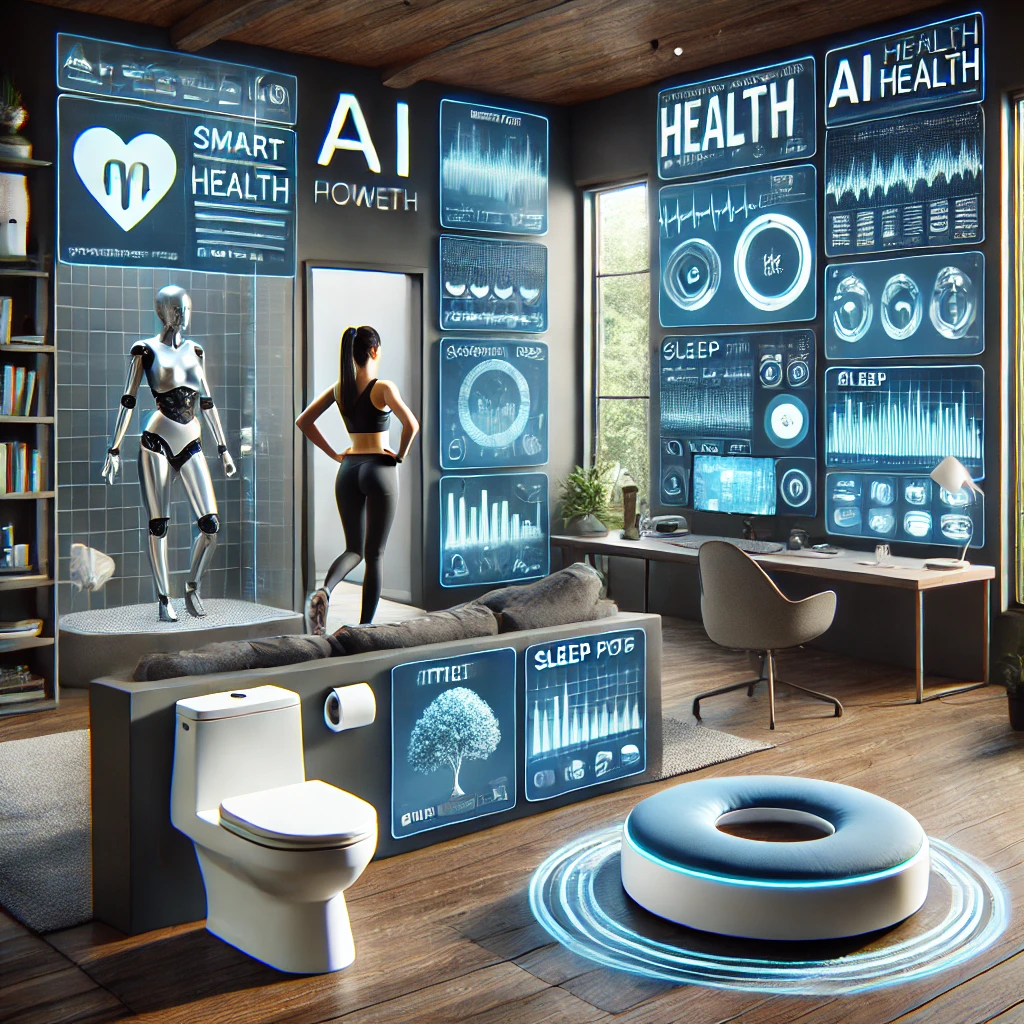
📈 Key Growth Drivers Fueling India’s At-Home Wellness Market
Several structural and behavioral factors are accelerating adoption:
- Affordable Smartphones & Internet Access
India’s low-cost smartphones and widespread mobile data availability have made wellness apps and wearable integrations accessible to millions of users across income segments. - Rising Middle Class & Health-Conscious Consumers
A growing middle class is increasingly willing to invest in fitness, mental well-being, nutrition, and preventive healthcare solutions rather than only seeking treatment during illness. - Shift Toward Preventive Health Awareness
Increasing lifestyle diseases such as diabetes, obesity, and heart conditions have pushed Indians to adopt proactive health monitoring and early intervention tools. - Government-Led Digital Health Initiatives
National programs like digital health IDs, telemedicine platforms, and e-health records are strengthening India’s digital health infrastructure and encouraging remote care adoption. - Thriving Health-Tech Startup Ecosystem
India is home to hundreds of startups innovating in AI-driven fitness, nutrition, mental health, diagnostics, and chronic disease management—many of which focus on affordability and regional customization.
👥 Indian Consumer Preferences in At-Home Wellness
Indian users display distinct preferences that influence product design and content strategies:
- Low-Cost Wearables & Subscription Models
Consumers favor affordable fitness bands, entry-level smartwatches, and freemium app models that offer value without high upfront costs. - Vernacular Language Support
Wellness apps offering regional language interfaces and culturally relevant content see higher engagement, especially beyond metro cities. - Preventive & Holistic Wellness Approach
Indian consumers increasingly seek solutions that combine physical fitness, mental well-being, nutrition, and lifestyle management in a single ecosystem. - Ayurveda + AI Integrations
Platforms blending traditional Indian wellness systems like Ayurveda and yoga with modern AI-driven personalization are gaining popularity, especially among older users and families.
🚀 India’s Global Position & Future Outlook
📊 Market Outlook:
India is projected to become one of the top three fastest-growing digital health and at-home wellness markets globally by the early 2030s, driven by scale, affordability, and innovation.
This growth will be fueled by:
- AI-powered personalization at scale
- Increased insurance and employer wellness partnerships
- Smart home health devices adapted for Indian households
- Deeper integration of wellness apps with healthcare providers
🌍 Why India Matters for the Global Wellness Industry
India’s at-home wellness boom demonstrates how technology can democratize healthcare in large, diverse populations. Solutions built for India—affordable, multilingual, preventive, and mobile-first—are increasingly being adopted in other emerging markets worldwide.
For creators, businesses, and investors, India represents:
- Massive user acquisition potential
- Long-term engagement-driven monetization
- Innovation that can scale globally
💡 Quick Insight Box
💡 Insight:
Health tech solutions that succeed in India often succeed globally—because they solve healthcare challenges at scale, cost, and complexity.
8. Key Facts & Market Statistics
🌍 Global:
- Wellness app market expected to cross $45B+ by 2034
- Smart home healthcare growing at 20%+ CAGR
- Wearables market nearing 1B devices worldwide
🇮🇳 India:
- Digital health market expected to exceed $24B by 2033
- Wellness app CAGR ~15–18%
- 700+ health-tech startups using AI
9. Benefits & Risks of AI-Driven Wellness
AI-driven wellness platforms offer powerful tools to improve daily health routines, but they also introduce new challenges that users, healthcare providers, and policymakers must carefully navigate. Understanding both sides is essential for responsible adoption.
✅ Key Benefits of AI-Driven At-Home Wellness
1. Hyper-Personalized Health & Wellness Care
AI analyzes continuous data from wearables, apps, and user inputs to deliver highly personalized recommendations for fitness, nutrition, sleep, and mental well-being—far beyond one-size-fits-all health advice.
2. Early Disease Detection & Preventive Insights
By identifying subtle changes in heart rate, sleep patterns, glucose levels, or activity trends, AI can flag potential health issues early—often before symptoms become severe—enabling timely medical intervention.
3. Lower Healthcare Costs Over Time
Preventive monitoring reduces unnecessary hospital visits, emergency care, and late-stage treatments. For chronic disease patients, remote monitoring can significantly cut long-term healthcare expenses.
4. Convenience, Accessibility & 24/7 Support
AI-powered wellness tools are available anytime, anywhere—particularly beneficial for people in remote areas, busy professionals, elderly users, and individuals with limited access to healthcare facilities.
5. Continuous Motivation & Behavior Change
Smart nudges, reminders, and progress tracking help users stay consistent with workouts, medication schedules, hydration, and sleep routines—key drivers of long-term health improvement.
⚠️ Key Risks & Limitations of AI-Driven Wellness
1. Data Privacy & Security Concerns
AI wellness platforms collect highly sensitive personal health data. Weak security, unclear consent policies, or data sharing with third parties can expose users to privacy breaches and misuse.
2. Over-Reliance on AI Recommendations
Users may place excessive trust in AI-generated insights, delaying professional medical consultation—even when symptoms require urgent clinical evaluation.
3. Algorithm Bias & Data Gaps
AI systems trained on limited or non-diverse datasets may produce inaccurate or biased recommendations, particularly for underrepresented populations, age groups, or regional health patterns.
4. Lack of Clinical Validation & Regulation
Many wellness apps and devices are not regulated as medical devices. Without rigorous clinical trials, some insights may be advisory rather than medically reliable.
5. False Positives & Health Anxiety
Continuous monitoring can sometimes flag harmless anomalies, leading to unnecessary stress, anxiety, or over-testing among users.
⚖️ Striking the Right Balance
AI-driven wellness works best when:
- Used for prevention, monitoring, and lifestyle improvement
- Integrated with doctor consultations and clinical care
- Supported by transparent data policies and regulatory oversight
⚠️ Quick Warning Box
⚠️ Important Note:
AI-powered wellness tools are designed to support and enhance health awareness, not to diagnose or replace qualified medical professionals. Always consult a healthcare provider for medical decisions or serious health concerns.
💡 Expert Insight
💡 Bottom Line:
AI wellness is a powerful ally for daily health management—but only when used responsibly, ethically, and in partnership with traditional healthcare systems.
The Next 10 Years: What the Future Holds (2026–2036)
What’s Coming:
- AI health copilots
- Predictive disease prevention
- Smart homes with health sensors
- Integration with insurance & employers
- Hyper-personalized wellness ecosystems
💡 Future Outlook:
Healthcare will shift from “treating illness” to “preventing illness at home.”
FAQs Section
1. Is at-home wellness technology safe for long-term, everyday use?
Yes, at-home wellness technology is safe for daily and long-term use when consumers choose certified devices, regulated platforms, and evidence-based apps. Most reputable wearables and wellness platforms undergo clinical testing, algorithm validation, and regulatory approvals (FDA, CE, ISO, CDSCO).
However, safety depends on:
- Accuracy of sensors
- Data quality & frequency
- Responsible interpretation of insights
👉 Best practice: Use wellness tools for monitoring, prevention, and habit-building, while consulting doctors for diagnosis or treatment.
2. Can AI-powered wellness tools completely replace doctors or hospitals?
No—AI cannot and should not replace doctors.
AI excels at:
- Pattern recognition
- Continuous monitoring
- Preventive alerts
- Lifestyle optimization
Doctors excel at:
- Diagnosis
- Clinical judgment
- Emergency care
- Ethical decision-making
💡 Future model:
AI handles data + prevention, doctors handle care + treatment. This hybrid approach improves outcomes and reduces healthcare overload.
3. How accurate are AI health insights compared to traditional medical tests?
AI insights are directionally accurate but not diagnostic.
- Wearables measure trends, not lab-grade precision
- AI predicts risk, not certainty
- Accuracy improves with long-term data collection
For example:
- AI can detect irregular heart rhythms
- Blood tests confirm heart disease or diabetes
👉 Think of AI as an early warning system, not a medical verdict.
4. Are AI wellness apps scientifically proven to work?
Yes, many AI wellness platforms are backed by peer-reviewed studies, especially in:
- Fitness adherence
- Sleep improvement
- Weight management
- Diabetes prevention
- Stress reduction
Studies show:
- 30–60% higher habit consistency
- Better lifestyle compliance
- Improved preventive outcomes
⚠️ Still, effectiveness varies by:
- User consistency
- App quality
- Personal health conditions
5. Is at-home wellness technology affordable for Indian consumers?
Absolutely. India is one of the most cost-effective markets for wellness tech.
Why affordability is high:
- Budget wearables starting under ₹2,000
- Freemium health apps
- Government digital health push
- Local startup innovation
This makes at-home wellness viable for:
- Middle-income families
- Students & professionals
- Seniors
- Semi-urban users
6. Which is better: smartwatch, fitness band, or smart ring?
Each device serves different users:
- Fitness Bands: Affordable, basic tracking, ideal for beginners
- Smartwatches: Advanced health metrics, ECG, fall detection
- Smart Rings: Sleep & recovery-focused, discreet, premium
👉 Choose based on goals, not hype:
- Weight loss → Fitness band
- Chronic care → Smartwatch
- Sleep optimization → Smart ring
7. Do these wellness tools function without internet access?
Partially, yes.
Offline:
- Steps
- Heart rate
- Sleep duration
Online required for:
- AI recommendations
- Health reports
- Cloud storage
- Doctor sharing
💡 Tip: Sync your device at least once daily for accurate insights.
8. How safe is my personal health data on wellness platforms?
Data security varies widely.
Secure platforms offer:
- End-to-end encryption
- Consent-based sharing
- Compliance with GDPR, HIPAA
Risks include:
- Data selling to advertisers
- Weak cybersecurity
- Unclear privacy terms
👉 Always read privacy policies and avoid apps with vague data practices.
9. Can senior citizens and elderly people comfortably use at-home wellness tech?
Yes. Many products are designed specifically for senior care.
Senior-friendly features include:
- Fall detection
- Emergency SOS
- Caregiver dashboards
- Medication reminders
This allows:
- Independent living
- Reduced hospital visits
- Peace of mind for families
10. Is AI-powered wellness effective for mental health support?
AI wellness tools are effective for:
- Stress management
- Sleep disorders
- Burnout prevention
- Habit formation
They are not substitutes for therapists or psychiatrists, especially in:
- Severe depression
- PTSD
- Self-harm risk
💡 Best use: Early intervention + lifestyle support.
11. Can AI wellness tools help manage chronic diseases at home?
Yes—this is one of their strongest use cases.
Conditions supported:
- Diabetes (CGMs + AI)
- Hypertension (BP monitoring)
- Obesity (nutrition tracking)
- Heart disease (ECG alerts)
Benefits:
- Fewer hospital visits
- Better medication adherence
- Early complication detection
12. Will insurance companies support or reward wellness technology usage?
Increasingly, yes.
Insurance trends:
- Premium discounts for active users
- Wearable-based reward programs
- Corporate wellness partnerships
This shift promotes preventive healthcare and lowers claim costs.
13. Who should NOT rely heavily on AI-driven wellness tools?
AI wellness should be limited for:
- Pregnant women (without doctor supervision)
- Rare disease patients
- Acute or emergency symptoms
- Complex medical conditions
In such cases, AI should be supportive, not central.
14. What are the biggest mistakes users make with at-home wellness tools?
Common mistakes:
- Ignoring medical advice
- Obsessing over daily metrics
- Using non-certified devices
- Misinterpreting AI alerts
💡 Smart users focus on trends, not daily fluctuations.
15. What does the future hold for at-home wellness technology?
The future includes:
- Predictive disease prevention
- AI health copilots
- Personalized longevity plans
- Insurance-integrated wellness
- Doctor-AI collaboration
📈 At-home wellness is shifting healthcare from treatment-first to prevention-first.
Summary
- At-home wellness is becoming the new normal as AI-powered apps, wearables, and smart devices enable people to manage fitness, nutrition, sleep, and mental health from the comfort of their homes.
- Artificial intelligence is driving personalization in daily health routines, using real-time data to tailor workouts, diet plans, sleep recommendations, and preventive health insights based on individual behavior and biometrics.
- Wearables and connected health devices form the backbone of home wellness, offering continuous monitoring of heart rate, activity, sleep, blood oxygen, glucose levels, and more, helping users detect health issues early.
- Mental health support has gone digital, with AI-based therapy tools, meditation apps, and sleep platforms making emotional well-being more accessible, especially among working professionals and younger users in India and globally.
- At-home wellness technology is transforming chronic disease management, allowing conditions like diabetes, hypertension, and obesity to be monitored remotely, reducing hospital visits and long-term healthcare costs.
India is emerging as a high-growth market for digital wellness, driven by smartphone adoption, affordable health tech, AI-led startups, and rising preventive health awareness, positioning at-home wellness as a key pillar of future healthcare.

Conclusion
The future of healthcare is no longer limited to hospitals, clinics, or emergency visits—it is steadily moving into our homes, guided by artificial intelligence, smart devices, and data-driven wellness platforms. At-home wellness is not a short-term trend; it represents a fundamental shift from reactive treatment to proactive, preventive, and personalized health management.
AI-powered wellness tools are enabling individuals to understand their bodies better than ever before. From tracking sleep and physical activity to managing stress, nutrition, and chronic conditions, technology is turning everyday health decisions into informed, data-backed actions. Wearables and smart health devices are acting as continuous health companions, offering real-time insights and early warnings that can prevent serious medical complications.
For countries like India, this transformation is especially significant. With a large population, rising lifestyle diseases, limited healthcare infrastructure in many regions, and high smartphone penetration, at-home wellness technology offers a scalable and cost-effective solution. Affordable wearables, AI-driven wellness apps, and remote monitoring tools are helping millions of Indians take control of their health while reducing the burden on hospitals and healthcare professionals.
However, as adoption accelerates, responsible usage becomes critical. AI-driven wellness solutions must prioritize data privacy, ethical AI practices, clinical validation, and transparency. These tools should support—not replace—medical professionals, ensuring that technology enhances human expertise rather than undermining it.
Looking ahead, the next decade will see the rise of AI health copilots, predictive disease prevention, smart homes with embedded health sensors, and deeper integration between wellness platforms, insurance providers, and healthcare systems. As technology becomes more intuitive and personalized, at-home wellness will evolve from a convenience into a core pillar of global healthcare systems.
For consumers, creators, and businesses alike, the message is clear: embracing at-home wellness today means investing in a healthier, more empowered future. Those who adopt, innovate, and educate responsibly will not only improve quality of life but also shape the next generation of healthcare—one home at a time.
References & Sources
- https://www.who.int/health-topics/digital-health
- https://www.mckinsey.com/industries/healthcare/our-insights/the-future-of-digital-healthcare
- https://www.statista.com/markets/418/topic/489/digital-health
- https://www.pwc.com/gx/en/industries/healthcare/publications/top-health-industry-issues.html
- https://www.niti.gov.in/health-sector
- https://www.ayushmanbharat.in
- https://www.economictimes.indiatimes.com/industry/healthcare/biotech/healthcare
- https://www.ibef.org/industry/healthcare-india
- https://www.fortuneindia.com/healthcare
- https://www.gartner.com/en/industries/healthcare-providers
- https://www.ncbi.nlm.nih.gov/pmc/articles/PMC8299786/
- https://www.weforum.org/topics/digital-health
