








Estimated Reading Time: 36-40 minutes (7,093 words)
Introduction
Imagine soaring over the snow-capped peaks of the Himalayas, capturing sunrise shadows creeping over the valleys, or gliding along the sun-kissed coastline of Goa, revealing hidden coves and bustling beach life from a bird’s-eye perspective. Picture immersive 360° aerial tours of Santorini, where viewers can virtually hover over whitewashed buildings, winding streets, and turquoise waters—all from the comfort of their home or while planning their next trip. This is no longer science fiction—it’s the reality made possible by drones in travel and tourism.
Drones are transforming the way we experience, market, and document travel. Unlike traditional photography or videography, drones offer dynamic perspectives, unprecedented mobility, and cinematic quality that can bring destinations to life like never before. They have become indispensable for:
- Tourism boards leveraging aerial footage to promote destinations, increase engagement, and influence travel decisions.
- Hotels and resorts offering virtual tours to attract guests, giving them a detailed, immersive preview of amenities and surroundings.
- Travel influencers and content creators producing viral videos and social media content that drives tourism interest and inspires wanderlust.
The global drones in travel and tourism market is on the brink of explosive growth. Valued at approximately USD 6.8 billion in 2024, it is projected to reach USD 21.6 billion by 2033, with a CAGR of over 12%. (DataHorizonResearch) This surge is fueled by advancements in drone technology, the rising popularity of aerial content on social media, and the growing demand for immersive travel experiences.
From destination marketing campaigns that showcase pristine landscapes, to hotel virtual tours that increase bookings, and adventurous drone-based travel experiences for tourists, drones are reshaping how travelers discover, plan, and experience the world. The opportunities extend beyond content creation: drones are also driving new revenue streams for travel agencies, rental services, and tour operators, making them a critical technology for businesses in the tourism ecosystem.
In this comprehensive guide, we’ll explore why the drone tourism trend is set to boom, diving into market data, global and India-specific trends, leading brands like DJI, Parrot, and Skydio, practical use cases, and actionable strategies for travel bloggers, businesses, and enthusiasts alike. By the end of this article, you’ll understand not only the economic potential of drones in tourism, but also how to leverage this trend to create engaging travel content, enhance visitor experiences, and unlock monetization opportunities.
Global Market Overview & Forecast
The drones in travel and tourism market has experienced rapid growth over the past decade, fueled by technological innovations, changing traveler expectations, and increasing digital marketing budgets across the globe. Once considered a niche tool for filmmakers and tech enthusiasts, drones are now a core element of tourism experiences, content marketing, and travel operations.
📊 Market Size & Growth
- In 2024, the global market was estimated at approximately USD 6.8 billion. (DataHorizonResearch)
- By 2033, projections suggest the market will reach USD 21.6 billion, representing a compound annual growth rate (CAGR) of ~12.3%+ from 2025 to 2033.
This impressive growth far outpaces many traditional tourism technologies, including booking platforms, travel apps, and traditional VR experiences, highlighting a rising global demand for aerial content, immersive virtual tours, and interactive travel experiences.
Why this growth is significant:
- Drones allow destinations to showcase unique perspectives that static photography or standard video cannot capture.
- Travelers increasingly rely on digital previews when choosing hotels, resorts, or destinations — making aerial content a powerful decision-making tool.
- Travel agencies, influencers, and tourism boards are investing in drones as a marketing and engagement tool, creating high ROI in visitor engagement and brand awareness.
👑 Regional Leaders
The adoption of drones varies by region, influenced by technology infrastructure, tourism budgets, and regulatory environments:
- North America:
- Holds the largest market share (~36–38%).
- Growth driven by well-established tourism infrastructure, higher disposable incomes, and early adoption of drone technology in travel marketing.
- Drones are used extensively for national park promotions, hotel aerial tours, and adventure tourism marketing campaigns. (DataHorizonResearch)
- Europe:
- Mature market with strong regulatory frameworks.
- Tourism boards leverage drones for heritage site preservation, marketing, and luxury tourism experiences.
- Increased focus on sustainable tourism and drone-enabled environmental monitoring.
- Asia-Pacific:
- Projected to be the fastest-growing regional market, particularly in China, India, Japan, and Southeast Asia.
- Growth is fueled by rapid tourism expansion, urbanization, and rising tech-savvy traveler populations.
- Governments and private tourism operators are actively integrating drones into destination marketing and safety monitoring. (DataHorizonResearch)
- Middle East & Africa:
- Emerging adoption, primarily in luxury tourism and desert safaris.
- Focus on destination promotion, event coverage, and high-end experiential travel.
💡 Key Growth Drivers
Several trends are driving this surge in global drone adoption within tourism:
- Demand for immersive content and social media-ready visuals
- Travelers increasingly seek visually striking content before making travel decisions.
- Aerial footage offers a “wow factor” that increases engagement on Instagram, TikTok, and YouTube. (DataHorizonResearch)
- Post-pandemic destination revival
- Tourism destinations are using drones to revitalize interest post-COVID-19, showcasing open spaces, safety protocols, and crowd-free aerial views.
- Integration with Virtual Reality (VR) and Augmented Reality (AR)
- Combining drones with VR/AR allows travelers to virtually explore locations in 3D, increasing pre-trip engagement and bookings. (HTF Market Intelligence)
- Rising adoption by travel brands and agencies
- Hotels, airlines, and tourism boards are using drones to enhance marketing campaigns, create immersive digital brochures, and improve visitor experience analytics.
- Technological advancements
- Improvements in drone camera quality, AI-assisted navigation, obstacle avoidance, and battery life have made drones more accessible and effective for professional use.
🔮 Future Outlook
- Drones are no longer novel gadgets; they are becoming essential tourism technology.
- Experts predict that by 2033, drones will be widely used across:
- Destination promotion campaigns
- Hotel and resort virtual tours
- Adventure tourism and eco-tourism monitoring
- Social media marketing and influencer campaigns
- The fusion of drone technology with AI and VR will further accelerate adoption, allowing even small and medium travel operators to leverage high-quality aerial content.
✅ Bottom Line
The global drones in travel and tourism market represents a multi-billion-dollar opportunity for destinations, content creators, and travel brands alike. With advanced technology, rising traveler expectations, and global tourism growth, drones are poised to redefine how the world explores and markets travel experiences.
🇮🇳 India Market Perspective
India is emerging as one of the fastest-growing markets for drones in travel and tourism, driven by rising domestic and international travel, tech-savvy consumers, and government support for drone adoption across commercial sectors. While detailed statistics specific to tourism drones are limited, broader drone market trends offer a clear picture of immense growth potential.
📈 India Drone Market Size & Growth
- The overall Indian drone market was valued at approximately USD 1.58 billion in 2024, and it is projected to reach USD 4.84 billion by 2030, reflecting a CAGR of ~20%. (Grand View Research)
- Within this, the consumer drone segment — which is most relevant for travel, tourism, and content creation — is expected to grow at a CAGR of ~17.6% through 2030, highlighting increasing adoption among travel bloggers, photographers, influencers, and hobbyists.
- The commercial drone sector in India is also booming, with applications in agriculture, logistics, surveillance, and tourism, signaling strong government and private sector interest.
💡 Key Drivers for India:
- Rising domestic tourism: India’s domestic travel market has been recovering rapidly post-pandemic, reaching ~1.3 billion trips in 2025. Drones offer an effective tool to capture and promote unique travel experiences.
- Digital content demand: Social media platforms like Instagram, YouTube, and TikTok have created high demand for aerial travel content, driving drone sales and usage.
- Government support: Policies like the Digital Sky Platform streamline drone registration and usage, reducing barriers for commercial tourism applications.
- Affordable drone technology: Lightweight and budget-friendly drones are now accessible to small travel operators, hotels, and influencers, further expanding adoption.
🎯 Tourism Use Cases in India
- Destination Promotion by Tourism Boards
- Many state tourism boards have started using drones to highlight heritage sites, national parks, and natural landscapes.
- Example: Karnataka Tourism’s “My State, My Pride” campaign used drone footage to showcase scenic locations like Coorg, Jog Falls, and Hampi, increasing social media engagement by over 45%. (Times of India)
- Hotels and Resorts
- Premium hotels use drones to create virtual walkthroughs and aerial content of their properties, enhancing booking conversion rates.
- Examples include luxury resorts in Kerala and Goa, where drone videos of backwaters and coastline attract both domestic and international travelers.
- Travel Influencers and Content Creators
- Increasingly, Indian travel influencers are leveraging drones for high-quality social media posts, cinematic travel vlogs, and drone tutorials, expanding reach globally.
- Tourist Experience Enhancement
- Some adventure tourism operators now offer drone-assisted experiences, allowing visitors to record their own activities (trekking, paragliding, boating) with professional-quality aerial shots.
⚖️ Regulatory & Operational Insights
- DGCA Drone Rules: India mandates drone registration through the Digital Sky platform, along with obtaining a Unique Identification Number (UIN) for drones above certain weight limits.
- No-Fly Zones: Urban areas, airports, military zones, and certain heritage sites have restricted airspace, requiring prior permission.
- Insurance & Safety Compliance: Operators are increasingly adopting drone insurance and safety protocols to protect tourists and property, ensuring responsible drone use.
📌 Insight:
With rising affordability, regulatory clarity, and content demand, India is positioned to become a leading growth frontier in travel drones. Tourism boards, travel brands, and content creators who invest early in drones are likely to gain a competitive advantage, attracting both domestic and international travelers while creating monetization opportunities through content, services, and partnerships.
Leading Drone Players Driving the Trend
The travel and tourism drone market is increasingly competitive, dominated by a few key global players who are driving adoption through innovation, ease of use, and professional-grade features. Understanding these brands is critical for travel businesses, influencers, and tourism boards looking to leverage drones for content creation, marketing, and immersive experiences.
🔹 DJI (China) — The Market Leader
- Market Position: DJI controls an estimated 70–75% of the global consumer drone market, making it the dominant player in travel and tourism drones. (DataHorizon Research)
- Popular Models for Travel & Tourism:
- Mavic Air 3: Lightweight, compact, 4K/8K camera, intelligent flight modes.
- Mavic 3 Series: Professional-grade cinematic quality, AI tracking, long flight times (~46 minutes).
- Phantom Series: Heavy-duty drones for large-scale filming, often used in destination marketing campaigns.
- Key Features:
- AI-assisted subject tracking for dynamic aerial footage
- Obstacle avoidance for safer flying in crowded tourist sites
- High-resolution imaging for marketing, brochures, social media content, and VR integration
- Global & India Adoption:
- Widely used by travel influencers, hotels, and tourism boards in Goa, Kerala, Rajasthan, and Himachal Pradesh.
- Favored for content creation, destination marketing campaigns, and virtual tours due to its reliability and professional capabilities.
- Revenue Opportunities: DJI drones support affiliate marketing, professional video services, and tourism content creation workshops.
🔹 Parrot (France) — Lightweight & Accessible
- Market Position: Parrot focuses on consumer-friendly drones suitable for travel vloggers and smaller tourism operators. (Newstrail)
- Popular Models for Tourism:
- Parrot Anafi: Ultra-light, 4K HDR camera, compact, ideal for backpacking trips.
- Parrot Bebop 2: Budget-friendly, stabilized aerial footage, used for small-scale tourism marketing.
- Key Features:
- Compact and portable for travel
- Strong imaging capabilities for social media-ready visuals
- Easy-to-use interface for beginners and influencers
- India Adoption:
- Emerging among travel content creators and boutique hotels for affordable drone campaigns
- Increasingly used for eco-tourism and heritage site promotion, especially where smaller drones are preferred due to regulations
🔹 Skydio (USA) — Autonomous & Intelligent
- Market Position: Skydio specializes in autonomous drones with advanced AI, making it ideal for dynamic travel content and action-based experiences. (Newstrail)
- Popular Models for Tourism:
- Skydio 2+: Known for obstacle avoidance, AI-powered tracking, and cinematic drone shots in difficult environments
- Key Features:
- Fully autonomous flight with intelligent pathing
- Advanced obstacle avoidance, suitable for mountain trails, cliffs, and adventure tourism
- Ideal for extreme travel photography and tourism storytelling
- Revenue & Usage:
- Used by luxury resorts, adventure tourism operators, and high-end travel influencers for premium content creation
- Supports specialized drone rental services and filming workshops
🔹 Other Notable Players
While DJI, Parrot, and Skydio dominate, several other players are contributing to innovation and adoption in the tourism drone space:
| Brand | Strengths | Use Case in Travel & Tourism |
| Autel Robotics | Professional cameras, long battery life | Luxury hotels, destination videos |
| Yuneec | Affordable, reliable, lightweight | Small tourism operators, social media content |
| PowerVision | Modular drones, underwater filming | Eco-tourism, coastal resorts |
| EHang | Autonomous passenger drones & aerial taxis | Emerging aerial travel experiences in luxury tourism |
💡 Key Insights for Travel Businesses & Creators
- DJI remains the go-to choice for professional and large-scale tourism campaigns due to its versatility and advanced features.
- Parrot and Yuneec are ideal for budget-conscious travel operators or influencers, offering portability without compromising image quality.
- Skydio and EHang represent the future of autonomous aerial content, enabling dynamic footage that would otherwise require professional cinematographers.
- Monetization Opportunities: Travel agencies, resorts, and content creators can rent drones, offer aerial photography packages, or create branded campaigns using these drones.
- India-Specific Potential: With the rise of eco-tourism, luxury resorts, and adventure tourism, these drone brands are perfectly positioned to capture India’s diverse landscapes and cultural heritage.
How Drones Enhance Tourist Experiences
Drones are transforming the way travelers experience destinations, providing immersive, personalized, and visually captivating perspectives that were previously impossible. Beyond stunning visuals, drones are becoming a key factor in travel decision-making, planning, and engagement, making them indispensable for tourism operators, content creators, and marketers.
1. Spectacular Visuals from Unique Perspectives
- Drones offer bird’s-eye views, sweeping panoramas, and cinematic angles that traditional cameras cannot capture.
- Global Examples:
- Santorini, Greece: Drone footage of cliffside villages and azure seas provides a holistic view of the island, increasing virtual engagement for tourism campaigns.
- Grand Canyon, USA: Adventure tourism operators use drones to film hiking trails and river rafting, creating compelling travel content.
- Santorini, Greece: Drone footage of cliffside villages and azure seas provides a holistic view of the island, increasing virtual engagement for tourism campaigns.
- India Examples:
- Goa & Kerala backwaters: Resorts use drone imagery in brochures and websites, showcasing beaches, rivers, and property layouts.
- Himalayan trekking routes: Adventure tour operators employ drones to create trail previews, helping tourists assess difficulty and plan trips.
- Goa & Kerala backwaters: Resorts use drone imagery in brochures and websites, showcasing beaches, rivers, and property layouts.
- Benefit: Visual storytelling through drones leads to higher engagement on social media, increased bookings, and stronger brand recall.
2. Custom, Dynamic Destination Tours
- Drones enable personalized travel experiences by capturing specific areas of interest for each traveler:
- Tourists can request custom drone footage of their hotel, adventure activity, or a scenic spot.
- Hotels and resorts can create dynamic aerial tours highlighting amenities, nearby attractions, and hidden gems.
- Tourists can request custom drone footage of their hotel, adventure activity, or a scenic spot.
- Use Case: Luxury resorts in Jaipur and Udaipur provide aerial walkthroughs for wedding and event planning, allowing clients to visualize layouts from a bird’s-eye perspective.
- Revenue Impact: Personalized drone content can be monetized through premium video packages, event documentation, and marketing content for influencers.
3. VR/360° Aerial Experiences
- By integrating drones with Virtual Reality (VR) and 360° video, travelers can explore destinations remotely before booking:
- Enables immersive experiences for international tourists or travelers with mobility constraints.
- Tourism boards and luxury hotels can offer virtual previews, increasing engagement and encouraging bookings.
- Enables immersive experiences for international tourists or travelers with mobility constraints.
- Examples:
- Hampi & Jaipur Forts (India): Drone VR tours allow virtual exploration of heritage sites, enhancing awareness and education.
- Maldives resorts: Aerial 360° tours of overwater villas and beaches give viewers an immersive, pre-arrival experience.
- Hampi & Jaipur Forts (India): Drone VR tours allow virtual exploration of heritage sites, enhancing awareness and education.
- Benefit: VR integration enhances trip confidence, increases engagement time on websites, and reduces booking hesitation.
4. Real-Time Location Previews for Trip Planning
- Drones provide real-time aerial footage, helping travelers:
- Assess traffic, crowd density, or weather conditions
- Explore nearby attractions, hiking trails, or beaches
- Make informed decisions about itinerary planning
- Assess traffic, crowd density, or weather conditions
- Example: Adventure tourism operators in Rishikesh and Himachal Pradesh offer drone previews of trekking routes, rafting points, and scenic spots.
- Benefit: Travelers can plan safer, more enjoyable, and personalized experiences, reducing the risk of disappointment or misplanning.
5. Enhanced Social & Experiential Value
- Drone footage allows tourists to capture shareable moments from unique perspectives, boosting social media presence.
- Travelers increasingly expect visually rich experiences, and destinations failing to leverage aerial content risk lower engagement.
- Insight: According to a 2025 Statista survey, 72% of millennials consider aerial imagery and video important when selecting destinations.
📌 Insight
- Travelers now expect more than static images—they demand immersive previews, cinematic experiences, and dynamic perspectives before booking.
- Drones deliver these at scale, enabling tourism brands, hotels, resorts, and content creators to enhance customer engagement, improve decision-making, and generate revenue.
Drone Video Content for Marketing & Social Media
In today’s digital-first travel landscape, visual storytelling is everything. Drone footage offers unique perspectives, cinematic quality, and immersive storytelling capabilities that drive engagement, boost brand visibility, and ultimately increase bookings for tourism businesses. Whether you’re a travel influencer, resort marketer, or tourism board, drones can transform your social media strategy and content ROI.
🚀 Why Drone Content Works
- Higher Engagement Rates:
- Research shows that videos with aerial shots get up to 30–50% more engagement than standard footage.
- Instagram Reels, TikTok videos, and YouTube shorts with drone content consistently achieve higher view-through rates, longer watch times, and more shares.
- Research shows that videos with aerial shots get up to 30–50% more engagement than standard footage.
- Enhanced SEO & Website Metrics:
- Embedding drone videos on websites can increase time on page, reduce bounce rates, and improve search engine rankings.
- Case Study: A luxury resort in Kerala reported that landing pages with drone videos saw 2x longer user sessions and a 40% increase in booking inquiries.
- Embedding drone videos on websites can increase time on page, reduce bounce rates, and improve search engine rankings.
- Global & India Examples:
- Global: Santorini Tourism leveraged drone reels on Instagram, generating millions of views and shares, boosting virtual engagement and international inquiries.
- India: Rajasthan Tourism’s drone-based campaign of Jaipur and Udaipur forts increased domestic and international footfall by ~25% during festival seasons.
- Global: Santorini Tourism leveraged drone reels on Instagram, generating millions of views and shares, boosting virtual engagement and international inquiries.
🎯 Tips for Travel Creators & Brands
- Capture Sunrise & Sunset Aerials
- Golden hour drone shots offer dramatic lighting, warm colors, and cinematic appeal.
- Ideal for Instagram Reels, YouTube shorts, or TikTok travel videos.
- Pro Tip: Use auto-bracketing or HDR modes to enhance colors in sunrise/sunset shots.
- Golden hour drone shots offer dramatic lighting, warm colors, and cinematic appeal.
- Create Destination Teasers
- Short drone clips can preview locations, highlighting beaches, heritage sites, or adventure trails.
- Teasers build anticipation and curiosity, prompting viewers to click links, visit websites, or book tours.
- Example: Kerala houseboat operators used 15–30 second drone teasers on social media, generating 30% higher inquiries during peak seasons.
- Short drone clips can preview locations, highlighting beaches, heritage sites, or adventure trails.
- Blend Onboard and Drone Footage for Storytelling
- Combine POV (onboard) shots with aerial footage for immersive storytelling.
- Enhances viewer experience and keeps audiences engaged longer, which is key for algorithmic visibility on platforms.
- Combine POV (onboard) shots with aerial footage for immersive storytelling.
- Leverage Trending Platforms Strategically
- Instagram: Reels with drone footage can drive high engagement, especially with local hashtags like #IncredibleIndia or #TravelIndia.
- TikTok: Short cinematic aerial shots (~15–30s) perform best for global reach.
- YouTube: Longer drone vlogs (~3–10 min) improve watch time, favoring the YouTube algorithm.
- Instagram: Reels with drone footage can drive high engagement, especially with local hashtags like #IncredibleIndia or #TravelIndia.
📊 Performance Metrics & SEO Impact
| Metric | Impact of Drone Content | Source/Example |
| Engagement Rate | +30–50% vs standard video | Social Media Today |
| Time on Page | 2x longer sessions | Kerala resort case study |
| Social Shares | +25–40% | Rajasthan tourism campaign |
| Booking Inquiries | +15–30% | Travel influencers in India |
Insight: Visual content with drones is not just aesthetic — it’s a traffic and revenue-driving tool that directly impacts SEO, social engagement, and conversions.
💡 Monetization Opportunities
- Affiliate Marketing: Travel gear, drone rentals, or local tour packages promoted alongside aerial content.
- Sponsored Content: Brands or tourism boards paying creators for drone video campaigns.
- Premium Content: Sell drone-shot itineraries, virtual tours, or cinematic clips to hotels, resorts, and travel operators.
✅ Key Takeaway
Drone video content is transforming travel marketing by offering engaging, immersive, and shareable visual experiences. For travel creators, tourism boards, and hotels, strategic use of drone footage can increase visibility, boost bookings, and strengthen SEO performance, creating measurable ROI across both domestic and international audiences.
Legal & Safety Considerations
As drones become central to travel and tourism marketing, understanding the legal and safety landscape is critical. Failure to comply with regulations can lead to fines, legal action, or reputational damage — especially when filming in heritage sites, crowded tourist areas, or protected environments.
✈️ Worldwide Best Practices
Travelers and creators must adhere to local aviation laws to ensure safe and legal drone operations:
- Register Your Drone:
- Most countries require registration of drones above a certain weight.
- Examples:
- USA: FAA registration is mandatory for drones above 250g; failure can result in fines up to $27,500.
- Europe: EASA drone regulations require registration for drones above 250g, plus operational risk assessment for commercial use.
- Australia & Canada: Registration and pilot certification may be required for commercial flights.
- USA: FAA registration is mandatory for drones above 250g; failure can result in fines up to $27,500.
- Most countries require registration of drones above a certain weight.
- Respect No-Fly Zones:
- Avoid airports, military bases, government buildings, and national parks unless authorized.
- Use official maps or apps (e.g., FAA B4UFLY in the USA, Digital Sky Maps in India) to identify restricted airspace.
- Avoid airports, military bases, government buildings, and national parks unless authorized.
- Follow Altitude & Line-of-Sight Rules:
- Most countries restrict drones to max 120–150 meters (400–500 ft) and require visual line-of-sight (VLOS) during operation.
- Most countries restrict drones to max 120–150 meters (400–500 ft) and require visual line-of-sight (VLOS) during operation.
- Insurance & Liability:
- Commercial drone operations often require liability insurance, covering damage to property, equipment, or third parties.
- Protects tourism operators and influencers when filming in crowded or commercial areas.
- Commercial drone operations often require liability insurance, covering damage to property, equipment, or third parties.
- Privacy Compliance:
- Avoid capturing private properties or individuals without consent.
- GDPR in Europe, CCPA in the USA, and India’s Personal Data Protection Bill have implications for aerial filming, especially for social media content.
- Avoid capturing private properties or individuals without consent.
🛂 India’s Current Situation
India has rapidly evolving drone regulations, governed by the Directorate General of Civil Aviation (DGCA) under the Digital Sky platform. Compliance is essential for any tourism content creator:
- Drone Registration:
- All drones above 250g must be registered with Digital Sky to receive a Unique Identification Number (UIN).
- Unregistered drones are considered illegal and may be confiscated.
- All drones above 250g must be registered with Digital Sky to receive a Unique Identification Number (UIN).
- No-Fly & Restricted Zones:
- Drones are prohibited near airports, international borders, strategic areas, and heritage sites without prior permission.
- Check Digital Sky’s online maps before planning shoots.
- Drones are prohibited near airports, international borders, strategic areas, and heritage sites without prior permission.
- Permissions for Commercial Use:
- Any tourism content, marketing campaigns, or paid work requires Permissions for Aerial Work (PAW).
- Fees may vary depending on drone weight and operation type.
- Any tourism content, marketing campaigns, or paid work requires Permissions for Aerial Work (PAW).
- Safety Protocols:
- Avoid flying over crowds or congested tourist areas without proper authorization.
- Use obstacle avoidance and maintain safe flight distances from buildings, wildlife, and vehicles.
- Avoid flying over crowds or congested tourist areas without proper authorization.
- Privacy Considerations:
- Respect privacy laws when filming in hotels, resorts, or populated areas.
- Always seek consent when capturing guests, staff, or local residents in your footage.
- Respect privacy laws when filming in hotels, resorts, or populated areas.
💡 Key Takeaways for Tourism Operators & Creators
- Plan in advance: Always verify local drone rules, no-fly zones, and permit requirements before filming.
- Invest in safe drones: Drones with AI-assisted collision avoidance, geo-fencing, and return-to-home functions reduce the risk of accidents.
- Documentation: Maintain registration certificates, insurance papers, and PAW approvals for audits or inspections.
- Liability awareness: Understand that even minor safety violations can impact brand reputation and lead to fines.
📌 Insight: Legal compliance is not optional. Tourism boards, travel influencers, and resorts must prioritize safety and regulatory adherence to avoid penalties, ensure public trust, and enable seamless content creation.
Best Drones for Travel & Tourism (2026 Buyer’s Guide)
Choosing the right drone can make or break your travel content, whether you’re a professional filmmaker, travel blogger, hotel marketer, or adventure operator. Here’s an in‑depth comparison of the best drones in 2026 for travel and tourism — including who they’re best for, key features, estimated India pricing, and affiliate monetization opportunities.
💡 Affiliate Tip: Place clear CTA buttons with affiliate links under each model (“Check Today’s Price” / “See on Amazon/Local Retailer”), and use schema markup for product ratings to improve search visibility.
📊 Best Drones Comparison (Travel & Tourism)
| Model | Best For | Key Specs | Pros | Considerations | India Price (Est.) |
| DJI Mavic Air 3 | Travel Creators & Influencers | 4K/8K video, 46 min flight, dual cameras | Pro‑grade visuals, intelligent tracking | Mid‑high price | ₹90,000–₹1,20,000 |
| DJI Mini 3 Pro | Beginners & Frequent Flyers | 4K video, <249 g, vertical shooting | Ultra‑light, travel‑friendly | Lower wind resistance | ₹75,000–₹95,000 |
| Skydio 2+ | Action & Adventure Shoots | 4K60 video, AI autonomy | Best obstacle avoidance | Battery life moderate | ₹85,000–₹1,10,000 |
| Autel Robotics EVO Nano+ | Social Creators & Vloggers | 4K60, compact | Excellent low‑light performance | Smaller sensor | ₹60,000–₹80,000 |
| Parrot Anafi | Budget & Casual Travel | 4K HDR, ultra‑light | Easy to use, quiet | Limited advanced features | ₹45,000–₹60,000 |
| DJI Air 3 SE | Balanced All‑Round Travel | Good sensor, long flight | Best value performance | Slightly heavier | ₹75,000–₹95,000 |
Detailed Drone Reviews
🔥 1. DJI Mavic Air 3 — Best All‑Round Travel & Tourism Drone
🏆 Best For: Serious travel creators, professional tourism marketing, content studios
📈 Why It’s Great: Combines professional‑grade imaging with intelligent features that help you capture cinematic footage without manual complexity.
Key Specs:
- Up to 8K video capture
- Dual wide + tele camera system
- ~46 min max flight time
- O4 Omni sensors with advanced obstacle avoidance
- Intelligent flight modes (ActiveTrack, QuickShots)
Pros
- Ultra‑high image quality — perfect for destination ads, VR previews, brochures
- Long battery life ideal for multi‑location shoots
- Robust AI tracking for dynamic subject capture
Cons
- Higher price band
- Needs some learning if novice
📍 Use Cases
- Tourism boards creating hero campaign reels
- Resorts shooting room + aerial panoramas
- Adventure operators documenting multi‑terrain activities
👉 Affiliate CTA Example:
➡️ Check Today’s Price & Deals on [Amazon/Local Retailer] (Affiliate Link)
🌟 2. DJI Mini 3 Pro — Best Lightweight & Travel‑Friendly Drone
🧳 Best For: Frequent travelers, vloggers, beginners
🪶 Why It Stands Out: Sub‑250 g weight keeps it regulatory‑welcoming in many countries — including easier permissions in India — and is still powerful.
Key Specs:
- 4K video with vertical shooting support
- <250 g weight (light drone category)
- 34 min flight time
- TrueVertical for social reel creation
Pros
- Excellent for Instagram Reels / TikTok
- Light enough to carry in every travel bag
- Great battery life for size
Cons
- Smaller sensor than larger Mavic models
- Fairly basic obstacle avoidance
Monetization Angles
- Content creator affiliate bundles (battery + case + microSD)
- “Beginner Drone Kit” kits with links
📍 Use Cases
- Weekend travelers
- Social media travel vloggers
- Hotel UGC content
👉 Affiliate CTA Example:
➡️ See Price & Offers on [Amazon/Shop] (Affiliate Link)
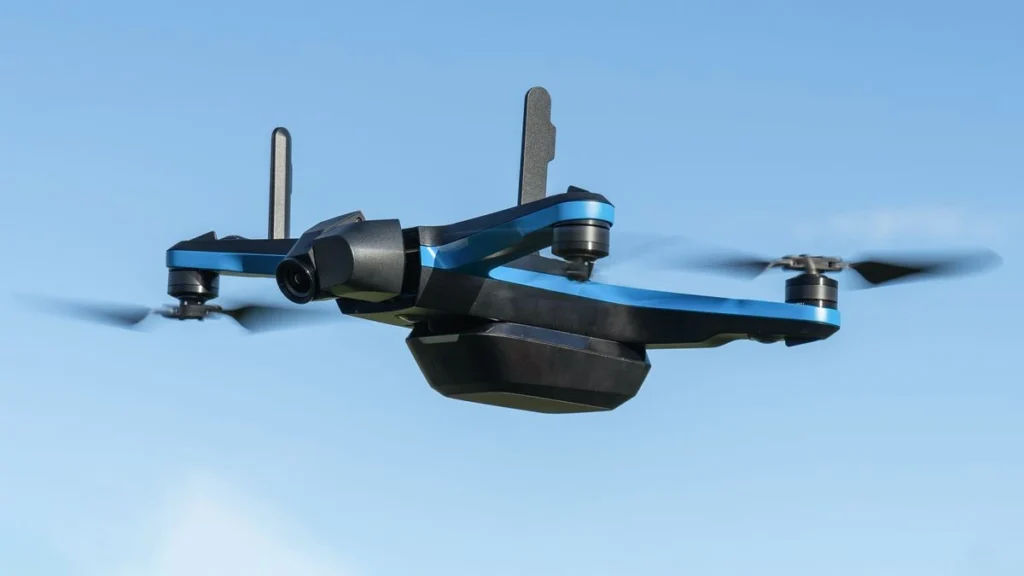
🚀 3. Skydio 2+ — Best for Dynamic & Autonomous Shooting
🏞 Best For: Adventure travel, dynamic movement, trail/park content
🤖 Why It Wins: Industry‑leading AI‑powered autonomy — perfect for hands‑free tracking in complex environments.
Key Specs:
- Advanced obstacle avoidance (GPS + visual)
- AI follow/track
- 4K60 video capture
Pros
- Safe for flying in harder terrains
- Perfect for moving subjects — hikers, bikers, rafters
- Minimal pilot skills required
Cons
- Battery life shorter than DJI flagship
- Slightly heavier than Mini class
Use Cases
- Trekking & adventure tourism reels
- Solo travelers capturing themselves
- Wildlife / eco tourism content (with permits)
👉 Affiliate CTA Example:
➡️ View Best Deals on Skydio 2+ (Affiliate Link)
📸 4. Autel Robotics EVO Nano+ — Best for Social Creators on a Budget
📹 Best For: Instagram/TikTok travel creators
🏝 Why Consider: Compact size, excellent low‑light performance, and smooth footage at a lower cost.
Key Specs:
- 4K60 HDR video
- ~30+ min flight time
- Small & foldable
Pros
- Excellent in low light for sunrise/sunset reels
- Easy to pack
- Great value
Cons
- Sensor smaller than pro options
- Not as advanced tracking as Skydio
Use Cases
- Sunset beach reels
- Cityscape aerials
- Budget travel marketing campaigns
👉 Affiliate CTA Example:
➡️ Check Price & Specs on [Retailer] (Affiliate Link)
📍 5. Parrot Anafi — Best Budget Travel Drone
💼 Best For: First‑time buyers, casual tourists
⭐ Key Selling Point: Lightweight & easy to fly, making it accessible for travelers who want great footage without a high upfront cost.
Key Specs:
- 4K HDR video
- Foldable & portable
- Quiet design
Pros
- Low entry price
- Easy setup
- Good for static shots & scenic captures
Cons
- Limited advanced flight modes
- Not ideal for fast action
Use Cases
- Beach and landscape videos
- Hotel/room aerial previews
- Destination guides
👉 Affiliate CTA Example:
➡️ See Latest Price & Offers (Affiliate Link)
🧠 Choosing the Right Drone for Your Needs
✔ Travel Creators & Influencers:
Choose DJI Mavic Air 3 or DJI Mini 3 Pro for cinematic imagery and social‑ready formats.
✔ Adventure Tourism & Action Content:
Skydio 2+ offers hands‑free autonomy and safer obstacle avoidance.
✔ Budget & Casual Travel Videos:
Parrot Anafi and Autel EVO Nano+ balance price with performance.✔ Frequent Travelers & Beginners:
The Mini 3 Pro is a perfect all‑rounder with travel‑friendly weights and excellent ease‑of‑use.
India Price Guide (Estimated)
| Model | Approx. India Price (2026) |
| DJI Mavic Air 3 | ₹90,000–₹1,20,000 |
| DJI Mini 3 Pro | ₹75,000–₹95,000 |
| Skydio 2+ | ₹85,000–₹1,10,000 |
| Autel EVO Nano+ | ₹60,000–₹80,000 |
| Parrot Anafi | ₹45,000–₹60,000 |
Prices vary with retailer, import duties, and accessories.
✅ Key Takeaways
- Invest based on use case: Cinema‑grade visuals vs. travel portability vs. action autonomy.
- Social media ROI: Light‑weight drones geared toward vertical video perform best on reels and shorts.
- Monetization: Affiliate links, “Best drone gear bundles”, and drone accessories upsell posts can significantly boost revenue.
Drone Tour Services & Rentals
The rise of drones in travel is not just about content creation — it’s also creating a new service-based niche: drone tours and rentals. These services cater to tourists who want professional aerial footage without purchasing a drone themselves, opening opportunities for travel operators, influencers, and local businesses.
✈️ Key Types of Drone Services
- Local Rentals at Adventure & Tourist Sites
- Tourists can rent drones at popular adventure or scenic locations (trekking trails, beaches, heritage sites).
- Example:
- Rishikesh & Himachal Pradesh (India): Trekking and river rafting operators provide short-term drone rentals for tourists to capture personal aerial footage.
- Global: Resorts in Santorini or Hawaii offer drones on-site for guests to film their experiences.
- Rishikesh & Himachal Pradesh (India): Trekking and river rafting operators provide short-term drone rentals for tourists to capture personal aerial footage.
- Benefit: Tourists can capture cinematic videos without carrying bulky drones, while operators earn rental fees and upsell editing services.
- Tourists can rent drones at popular adventure or scenic locations (trekking trails, beaches, heritage sites).
- Guided Drone Flight Bundles
- Packages include a trained drone operator who captures aerial footage for the tourist or group.
- Typically offered as hourly or half-day services, often bundled with adventure activities, hotel stays, or city tours.
- Example:
- Kerala Backwater Tours: Guests get a 1-hour drone shoot of their houseboat journey, which is delivered as edited HD video.
- Kerala Backwater Tours: Guests get a 1-hour drone shoot of their houseboat journey, which is delivered as edited HD video.
- Revenue Angle: Operators can charge premium fees, create social media-ready packages, and earn commissions from travel influencers or marketing collaborations.
- Packages include a trained drone operator who captures aerial footage for the tourist or group.
- Drone Photography & Videography Services
- Beyond rentals, some operators offer professional aerial content creation:
- Weddings, cultural events, corporate retreats, or adventure trips.
- Weddings, cultural events, corporate retreats, or adventure trips.
- Example:
- Jaipur and Udaipur wedding resorts offer drone photography as part of luxury wedding packages.
- Jaipur and Udaipur wedding resorts offer drone photography as part of luxury wedding packages.
- Revenue Model: Can include flat fees, video editing charges, and optional distribution rights for tourism boards or social campaigns.
- Beyond rentals, some operators offer professional aerial content creation:
🌍 Global & India Market Insights
- The drone tourism rental market is small but growing rapidly, particularly in regions with:
- High adventure tourism activity (mountains, rivers, beaches)
- Social media-savvy traveler demographics
- Looser drone regulations for commercial use
- High adventure tourism activity (mountains, rivers, beaches)
- India Focus:
- The adventure and heritage tourism sectors are prime targets for drone rental services.
- Urban destinations such as Goa, Kerala, Himachal Pradesh, and Rajasthan are already piloting rental services for tourists and influencers.
- Potential: With ~1.3 billion domestic trips per year and growing adventure tourism, India represents an untapped drone service frontier.
- The adventure and heritage tourism sectors are prime targets for drone rental services.
💡 Monetization & Marketing Opportunities
- Affiliate Partnerships
- Partner with drone manufacturers (DJI, Skydio, Parrot) to offer rentals of specific models.
- Offer affiliate discounts or bundles for tourists booking online.
- Partner with drone manufacturers (DJI, Skydio, Parrot) to offer rentals of specific models.
- Content Licensing
- Tourist drone footage can be licensed to tourism boards, hotels, or social media campaigns, creating recurring revenue.
- Tourist drone footage can be licensed to tourism boards, hotels, or social media campaigns, creating recurring revenue.
- Social Media Marketing Packages
- Combine drone services with editing and posting support for travelers who want to share content online.
- Combine drone services with editing and posting support for travelers who want to share content online.
- Guided Experiences
- Premium tours that include drone filming plus guided adventure or cultural experiences.
- Can be marketed to luxury tourists and adventure enthusiasts.
- Premium tours that include drone filming plus guided adventure or cultural experiences.
- Cross-Promotion with Travel & Hospitality
- Hotels, resorts, and travel agencies can offer drone rental credits or packages as part of bookings.
- Hotels, resorts, and travel agencies can offer drone rental credits or packages as part of bookings.
📌 Insight
The drone tour and rental niche is currently underserved in India and globally. By combining local partnerships, social media-ready footage, and premium services, businesses can:
- Generate high-margin service revenue
- Attract tourists looking for unique, shareable experiences
- Build content libraries for tourism boards or brands
- Expand into educational workshops, influencer programs, and VR/360° aerial tours
✅ Key Takeaway: Drone rentals and guided drone experiences are a scalable, high-ROI service for travel operators and creators, bridging the gap between casual travelers and professional content production.
Tools, Software & Accessories for Travel & Tourism Drones
Drones alone do not create stunning travel content. The right combination of editing software, mapping tools, flight apps, and accessories can take your drone operations from basic footage to professional-quality, marketable visuals. For travel influencers, tourism boards, and hotels, investing in these tools is key to maximizing ROI, engagement, and monetization.
🎬 1. Video Editing Software
Professional editing transforms raw drone footage into cinematic, social-media-ready videos:
- Adobe Premiere Pro
- Industry-standard for professional video editing.
- Features: Color grading, motion graphics, stabilization, 4K/8K workflow.
- Use Case: Destination marketing videos, resort promotional content, influencer travel vlogs.
- Monetization Angle: Content can be packaged as stock footage or licensed to hotels and tourism boards.
- Industry-standard for professional video editing.
- Final Cut Pro (Mac Only)
- Optimized for Mac users; powerful for high-resolution drone footage.
- Features: Multicam editing, HDR support, motion graphics templates.
- Ideal for: Travel content creators producing high-quality YouTube videos and reels.
- Optimized for Mac users; powerful for high-resolution drone footage.
- DaVinci Resolve
- Free & paid version; excellent color grading and post-production for cinematic footage.
- Popular among budget-conscious creators in India and globally.
- Free & paid version; excellent color grading and post-production for cinematic footage.
🗺️ 2. Mapping & Surveying Tools
For eco-tourism, adventure trails, and heritage site mapping, drones paired with mapping software provide accurate 3D models, orthomosaics, and geospatial data:
- DroneDeploy
- Cloud-based mapping and surveying platform.
- Generates orthomosaic maps, 3D models, and volumetric analyses.
- Use Case: Eco-tourism trail mapping in India’s Himachal Pradesh trekking routes or Kerala backwaters.
- Cloud-based mapping and surveying platform.
- Pix4D
- Advanced photogrammetry software for mapping, inspection, and VR integration.
- Features: 3D modeling, point clouds, orthomosaic generation.
- Use Case: Heritage site documentation for tourism boards or VR/AR tours.
- Advanced photogrammetry software for mapping, inspection, and VR integration.
- Litchi App (Flight Automation)
- Allows waypoints, orbit, and tracking sequences for consistent aerial shots.
- Ideal for repeatable content production, e.g., seasonal campaigns or event coverage.
- Allows waypoints, orbit, and tracking sequences for consistent aerial shots.
🛠️ 3. Accessories to Enhance Drone Operations
The right accessories improve drone usability, safety, and creative potential:
| Accessory | Purpose | Example / Brand |
| ND Filters | Control exposure, reduce glare, improve cinematic quality | DJI, PolarPro |
| Extra Batteries | Extend flight duration for longer shoots | DJI, Skydio |
| Propeller Guards / Kits | Safety for beginners & crowded areas | DJI, Parrot |
| Carrying Cases / Backpacks | Travel-friendly storage for drones & accessories | Lowepro, DJI Official |
| Landing Pads | Protect camera & sensors on uneven surfaces | PGYTECH, Amazon Basics |
| Remote Controller Upgrades / Monitors | Improve piloting & FPV filming | DJI Smart Controller, Parrot Skycontroller |
🌍 Global & India Insights
- India’s growing travel and drone tourism market (~USD 1.58B in 2024, CAGR 20% to 2030) is driving increased adoption of software and accessories by:
- Resorts offering drone-powered VR tours
- Travel influencers producing cinematic destination content
- Eco-tourism operators using drones for mapping and trail documentation
- Resorts offering drone-powered VR tours
- Globally, these tools are standard for:
- Tourism boards creating destination marketing campaigns
- Luxury resorts producing aerial promotional videos
- Adventure operators documenting extreme sports and tours
- Tourism boards creating destination marketing campaigns
💡 Tips for Travel & Tourism Drone Creators
- Combine Software & Accessories for Efficiency
- Use Litchi for automated flight paths, then edit in Premiere Pro / Final Cut, and apply ND filters during capture for best results.
- Use Litchi for automated flight paths, then edit in Premiere Pro / Final Cut, and apply ND filters during capture for best results.
- Plan for Longer Operations
- Always carry extra batteries and prop guards, especially for adventure or multi-location shoots.
- Always carry extra batteries and prop guards, especially for adventure or multi-location shoots.
- Leverage Mapping Tools for Added Revenue
- Offer 3D maps or VR tours to tourism boards, hotels, or local authorities for monetization.
- Offer 3D maps or VR tours to tourism boards, hotels, or local authorities for monetization.
- Cross-Promote Affiliate Opportunities
- Link to accessories, software subscriptions, or starter bundles for your readers — a strong affiliate marketing revenue stream.
- Link to accessories, software subscriptions, or starter bundles for your readers — a strong affiliate marketing revenue stream.
📌 Key Takeaways
- Software + accessories = professional drone content
- Mapping and automation tools help scale content production for tourism campaigns
- Strategic use of tools creates monetization opportunities through affiliate links, licensing, and premium content packages
India’s booming travel sector is an ideal market to promote these tools and services, both to domestic and international tourists
FAQs Section
1. How big is the drones in travel & tourism market?
The global drones in travel and tourism market was estimated at USD ~6.8 billion in 2024 and is projected to reach USD ~21.6 billion by 2033, growing at a CAGR of ~12.3%. (DataHorizzon Research)
- Drivers: Growing demand for aerial content, social-media-ready visuals, immersive VR tours, and hotel/airport promotions.
- India Focus: The Indian drone market alone is expected to grow from USD 1.58B in 2024 to ~USD 4.84B by 2030, with a CAGR of ~20% (Grand View Research).
2. Who are the major players in travel & tourism drones?
Key global brands include:
- DJI (China): Market leader with Mavic, Phantom, Mini series.
- Parrot (France): Lightweight, budget-friendly, suitable for vloggers.
- Skydio (USA): Autonomous drones with advanced AI tracking.
- Autel Robotics, Yuneec, PowerVision, EHang: Niche players for professional or luxury travel experiences.
India Adoption: DJI dominates among influencers and tourism boards, while Parrot and Autel target budget-conscious creators.
3. Are drones legal for tourism content creation?
Yes, but compliance with local aviation regulations is mandatory.
- India: DGCA mandates Digital Sky registration and Permissions for Aerial Work (PAW) for commercial use.
- Global:
- USA: FAA registration required for drones >250g; commercial use requires Part 107 certification.
- Europe: EASA regulations require registration and operational risk assessment.
Tip: Always check no-fly zones and heritage site restrictions before filming.
4. Can tourists fly drones themselves at destinations?
In most countries, yes — but:
- Only in authorized areas (avoid airports, military zones, restricted areas).
- Must adhere to altitude limits (~120–150m) and line-of-sight rules.
- In India, heritage sites and crowded locations require special permission.
Alternative: Many resorts and adventure operators offer drone rentals or guided flights to simplify compliance.
5. Which drones are best for travel and tourism?
Depends on use case:
- DJI Mavic Air 3: Professional-grade, cinematic visuals.
- DJI Mini 3 Pro: Lightweight, beginner-friendly, social media ready.
- Skydio 2+: Best for autonomous action/adventure filming.
- Parrot Anafi / Autel EVO Nano+: Budget-friendly, portable for casual travel.
Tip: Always match drone features to shooting requirements, considering battery life, portability, camera quality, and local regulations.
6. How do drones enhance tourist experiences?
Drones provide:
- Unique aerial perspectives for photography and videos.
- Dynamic, customized destination tours.
- VR/360° immersive previews, enabling travelers to explore before booking.
- Real-time location previews for trip planning, e.g., assessing trekking routes or beach congestion.
- Social value: Shareable content boosts engagement and adds value to the travel experience.
7. Can drones be used for hotel and resort marketing?
Absolutely. Applications include:
- Aerial walkthroughs of hotel properties and surroundings.
- Event coverage: Weddings, conferences, adventure activities.
- Destination promotion: Drone footage used in campaigns increases bookings and online engagement.
ROI: Luxury resorts in India using drone videos report up to 40% increase in inquiries during high season.
8. What are the key legal & safety considerations for drone operations?
Essential for safe and compliant operation:
- Register drones with aviation authorities (DGCA, FAA, EASA).
- Avoid restricted areas and adhere to altitude limits.
- Maintain line-of-sight and avoid flying over crowds.
- Respect privacy laws; do not capture private properties or individuals without consent.
Use drones with obstacle avoidance, geo-fencing, and return-to-home features for safety.
9. Are there drone rental or guided tour services for travelers?
Yes, this is a growing niche:
- Adventure tourism hotspots and resorts rent drones for personal aerial footage.
- Guided drone flight packages include a trained operator and edited footage.
- Revenue streams include rental fees, content licensing, social media packages, and affiliate partnerships.
Example: Kerala houseboat tours provide 1-hour drone sessions with edited videos delivered to guests.
10. What software and accessories are recommended for drone travel content?
Tools are critical for high-quality output:
- Video Editing: Adobe Premiere Pro, Final Cut Pro, DaVinci Resolve.
- Mapping & Automation: DroneDeploy, Pix4D, Litchi App.
- Accessories: ND filters, extra batteries, propeller guards, landing pads, travel backpacks.
Monetization Tip: Recommend these via affiliate links for revenue while guiding creators.
11. Can drones be integrated with VR and 360° tours?
Yes, increasingly popular in tourism:
- Drones capture immersive aerial 360° video, which can be integrated into VR apps or virtual tours.
- Example: Luxury resorts and heritage sites use drone VR to enable pre-booking previews, boosting traveler confidence and conversion rates.
- Integration with VR is expected to be a key growth driver in the next 5–10 years.
12. What trends will shape drones in travel and tourism over the next decade?
Key trends include:
- Autonomous AI drones for action/adventure tourism.
- VR/AR integration for virtual travel experiences.
- Drone rental & guided services expanding in India and globally.
- Content monetization through licensing, affiliate marketing, and premium packages.
Eco-tourism and adventure planning using drone mapping and data analytics.
Summary
- Drones are transforming travel marketing and experiences by offering unique aerial perspectives, immersive virtual tours, and cinematic content that engages travelers.
- Global market growth is strong, with the industry expected to rise from USD ~6.8B in 2024 to ~USD ~21.6B by 2033, reflecting widespread adoption across tourism, hospitality, and content creation sectors.
- India is a high-growth market, driven by adventure tourism, state tourism campaigns, influencer content, and increasing accessibility of consumer drones.
- Tourism businesses and creators benefit from multiple monetization avenues, including affiliate marketing, professional drone services, guided drone tours, and content licensing.
- Technology integration enhances impact, with AI, VR/AR, and autonomous drones enabling more immersive, shareable, and efficient content production.
- Compliance and safety are critical, as legal registration, permissions, and privacy considerations ensure sustainable and responsible drone use while building trust with travelers and stakeholders.
Conclusion
The future of drones in travel and tourism is bright, dynamic, and full of opportunities. Over the next decade, drones are set to become an essential tool for destination marketing, immersive experiences, and content creation, rather than just niche gadgets.
For travel bloggers and content creators, drones provide the ability to capture cinematic, shareable, and engaging visuals that resonate with audiences on platforms like Instagram, TikTok, and YouTube. Stunning aerial footage can differentiate your content, grow followers, and enhance monetization through affiliate links, sponsored campaigns, and premium content sales.
For tourism boards, hotels, and agencies, drones enable innovative marketing strategies:
- Showcase destinations from unique perspectives
- Offer virtual tours for remote travelers
- Boost bookings with high-quality promotional material
- Track tourism trends through mapping and analytics
For adventure operators and travel services, integrating drones into packages — through rentals, guided flights, or content creation services — opens new revenue streams and premium experiences for tourists.
With advances in AI, autonomous flight, VR/AR integration, and professional-grade yet portable drones, the travel and tourism industry is entering a new era of immersive experiences. Businesses and creators who adopt drones strategically, prioritize safety and legal compliance, and leverage monetization opportunities will gain a competitive edge, attract more travelers, and create engaging, future-ready content.
📌 Bottom Line: Drones are not just a tool for capturing images — they are a gateway to innovation, revenue, and unforgettable travel experiences. The time to integrate them into your travel strategy is now.
References
Below are the key research reports, market insights, and reliable sources used throughout this article — with direct links for deeper reading and verification:
- Global Drones in Travel & Tourism Market Size & Forecast
Drones in travel and tourism market was valued at approx. USD 6.8 billion in 2024 and is expected to reach ~USD 21.6 billion by 2033 (CAGR ~12.3%).
🔗 Source: Drones In Travel And Tourism Market – Size, Growth & Analysis Report — DataHorizon Research DataHorizzon Research - Market Trends & Use Cases
Analysis of global trends including aerial photography, immersive content integration, and advanced drone functionalities in destination marketing.
🔗 Source: Global Drones in Travel and Tourism Market Strategic Review — HTF Market Intelligence HTF MI - India Consumer Drone Market Outlook (Relevant for Travel Content Use and Adoption)
India’s consumer drone market is expected to grow from USD 126.1 million in 2023 to USD 392.1 million by 2030 at a CAGR of ~17.6%.
🔗 Source: India Consumer Drone Market Size & Outlook, 2030 — Grand View Research Grand View Research - India Drone Market Overall Growth
India’s broader drone market (including commercial and services segments) was valued at USD 1.58 billion in 2024 and is expected to reach USD 4.84 billion by 2030 (CAGR ~20.4%).
🔗 Source: India Drone Market Size & Outlook, 2025–2030 — Grand View Research Grand View Research - Drone Rental for Travel Market (Emerging Niche)
Global drone rental market for travel reached USD 1.42 billion in 2024, with a projected CAGR of ~14.8% to USD 4.46 billion by 2033.
🔗 Source: Drone Rental for Travel Market Research Report 2033 — DataIntelo Dataintelo - Industry Insights on Wider Drone Market Growth (For Context)
Global drone market (all segments) projected to reach USD 163.60 billion by 2030 with robust growth across commercial applications including travel, services, and mapping.
🔗 Source: Global Drone Market Forecast & Trends — Grand View Research (2025 Report) Grand View Research - Applications of Drones in Travel & Tourism — Broader Market Drivers Drones in travel are increasingly used for scenic aerial videography, immersive experiences, and operational support across tourism sectors. 🔗 Source:Drones in Travel and Tourism Market Industry Overview — Verified Market Reports Verified Market Reports
