








Estimated Reading Time: 22-26 minutes (4,594 words)
Introduction
India’s esports industry has long been powered by passionate gamers, a mobile-first audience, and a rapidly expanding network of grassroots and collegiate tournaments. Competitive gaming in the country grew organically—driven by affordable data, rising smartphone performance, and millions of young players discovering esports through streaming platforms. However, despite massive participation and viewership, one crucial piece was missing: consistent, large-scale involvement from global consumer technology giants willing to invest meaningfully in the ecosystem.
That changed in 2025.
Samsung’s entry into India’s esports ecosystem through its partnership with Ampverse DMI is far more than a routine sponsorship or branding exercise. It represents a strategic, long-term bet on India’s digital youth economy, where gaming, content creation, and mobile technology intersect. With over 500 million gamers, some of the lowest smartphone and data costs in the world, and explosive growth in live-streaming and esports viewership, India has emerged as one of the most attractive and underpenetrated esports markets globally.
This article explains why Samsung chose to enter Indian esports now, what the Ampverse DMI partnership includes, and how this move could reshape the future of Indian esports—for gamers, brands, creators, and the broader digital economy.
What Is the Samsung–Ampverse DMI Partnership?
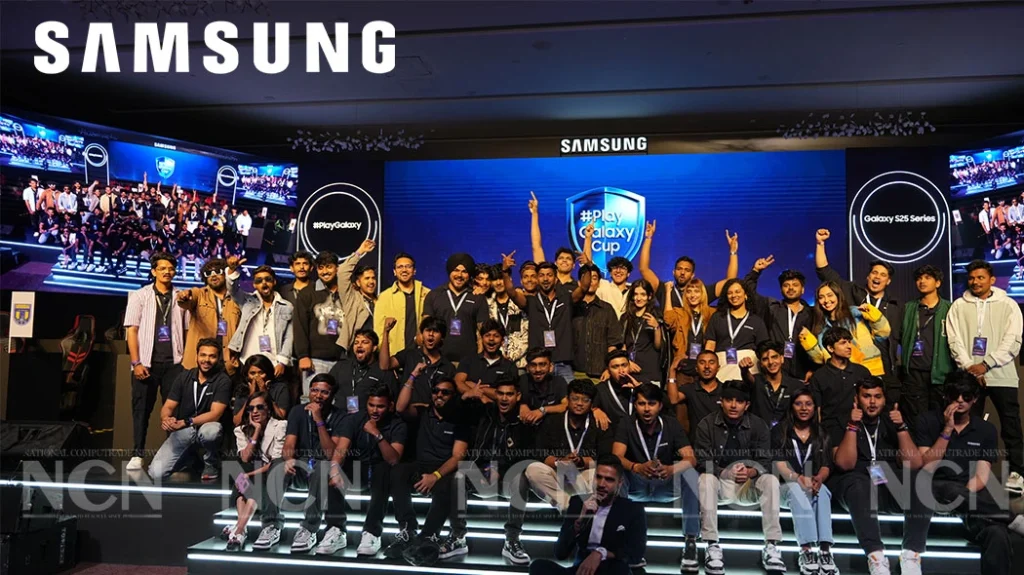
Samsung has entered India’s competitive gaming ecosystem through a strategic partnership with Ampverse DMI, a leading gaming and esports marketing agency known for building large-scale tournaments, creator ecosystems, and brand-led gaming IPs across Asia. As part of this collaboration, Samsung became a key sponsor and technology partner for College Rivals, one of India’s largest and fastest-growing collegiate esports tournaments.
Rather than focusing solely on professional leagues, Samsung deliberately chose the college esports route—a segment that sits at the intersection of youth culture, competitive ambition, and long-term brand loyalty. College Rivals brings together student gamers from across the country, creating a structured pathway from casual play to organized competition, while allowing brands to engage audiences in a highly authentic, community-driven environment.
The partnership positions Samsung not just as a sponsor, but as an enabler of competitive play, using its Galaxy smartphones as the primary devices for tournament matches. This approach allows Samsung to showcase real-world gaming performance—battery efficiency, thermal control, refresh rates, and processor power—under high-pressure competitive conditions.
🔑 Key Highlights:
- Focus game: Battlegrounds Mobile India (BGMI) — India’s most popular competitive mobile esports title, with millions of active players and viewers.
- Coverage: 70+ colleges across India, reaching students in metro cities as well as emerging Tier-2 and Tier-3 education hubs.
- Devices: Samsung Galaxy smartphones used in live competition, turning tournaments into large-scale product demonstrations.
- Target audience: Gen Z & college students — India’s most digitally native, gaming-centric, and brand-influential demographic.
💬 “Esports is where youth culture, technology, and entertainment intersect.”
— Industry Analyst, Economic Times
By aligning with Ampverse DMI’s grassroots esports infrastructure, Samsung gains deep access to India’s campus gaming communities, while Ampverse benefits from the credibility, resources, and technological backing of a global consumer electronics leader. Together, the partnership reflects a growing industry trend where brands move beyond advertising and actively participate in building the esports ecosystem itself.
Why India Is a Priority Market for Esports
India has rapidly transformed from a casual gaming market into one of the most strategically important esports ecosystems in the world. What makes India especially attractive is not just its scale, but the combination of demographics, digital infrastructure, and cultural behavior that strongly favors competitive and community-driven gaming.
🇮🇳 India’s Unique Advantage:
- 500M+ gamers, majority on mobile
India is now one of the largest gaming populations globally, with mobile devices accounting for over 75–80% of all gaming activity. Competitive titles like BGMI, Free Fire, and Call of Duty Mobile thrive because smartphones are the primary gaming console for Indian users. - Cheapest mobile data globally
India continues to enjoy some of the lowest mobile data costs in the world, enabling long gaming sessions, high-quality live streams, and constant social sharing without affordability barriers—an essential ingredient for esports growth. - Median age under 30
With a median age of around 28 years, India has one of the youngest digital populations globally. This Gen Z and young millennial audience is highly engaged with gaming, esports, creators, and online communities, making it ideal for long-term brand cultivation. - Explosive creator & streaming economy
Platforms like YouTube Gaming and regional streaming apps have turned gaming into a viable career path. Indian esports viewership and gaming content consumption have grown rapidly, with creators playing a central role in influencing device purchases, games, and platforms.
🌍 Global Brands Are Watching India
India is no longer viewed as a “future opportunity”—it is a current growth engine for global and domestic brands seeking scale, engagement, and cultural relevance. Esports provides a direct entry point into India’s youth-driven digital lifestyle.
Key sectors actively investing in esports include:
- Smartphone brands seeking performance credibility and Gen Z loyalty
- FMCG advertisers targeting daily engagement and lifestyle integration
- OTT & streaming platforms competing for watch time and subscriptions
- Fintech & digital wallets leveraging esports audiences for digital adoption
Samsung’s entry into Indian esports serves as a powerful validation that esports has evolved into a mainstream advertising, branding, and engagement channel—on par with traditional sports and digital entertainment. It signals to the broader market that competitive gaming in India is not just culturally relevant, but commercially scalable and strategically essential.
Key Stats: Indian & Global Esports Market
The scale and momentum of esports become clearer when India’s numbers are viewed alongside global benchmarks. While global esports is already a multi-billion-dollar industry, India stands out as one of the fastest-growing and most underpenetrated markets, offering long-term upside for brands, publishers, and platforms.
📈 Market Snapshot (2025)
| Metric | India | Global |
| Esports Revenue | $140–250M | $2.5B+ |
| Gamers | 500M+ | 3.3B+ |
| Esports Viewers | 100M+ | 640M+ |
| CAGR (Next 5 yrs) | ~6–8% | ~20% |
What these numbers reveal:
- Esports Revenue:
India’s esports revenue is still relatively small compared to global figures, but this reflects early-stage monetization rather than lack of demand. Sponsorships, media rights, and brand integrations are only beginning to scale, which creates significant room for growth. - Gamers:
With over 500 million gamers, India already represents one of the largest gaming populations worldwide. This massive base gives esports platforms unmatched reach, especially among younger audiences entering competitive gaming for the first time. - Esports Viewers:
India’s esports viewership has crossed 100 million, driven by YouTube Gaming, regional language streams, and mobile-friendly formats. While average revenue per user remains lower than Western markets, engagement time and audience loyalty are exceptionally high. - CAGR (Next 5 Years):
Global esports continues to grow at an aggressive ~20% CAGR due to mature sponsorship markets and media deals. India’s slightly lower CAGR (~6–8%) reflects its transition phase—from informal competitions to structured leagues, college tournaments, and brand-backed ecosystems.
📌 Mobile esports accounts for over 75% of India’s esports engagement, making India one of the most mobile-centric esports markets in the world. Unlike PC- or console-dominated regions, Indian esports growth is directly tied to smartphone innovation, affordable devices, and performance-focused mobile hardware—a key reason why smartphone brands like Samsung see India as strategically critical.
Who Is Ampverse DMI?
Ampverse DMI is a leading gaming and esports marketing and solutions company operating across Asia, with a strong focus on building scalable esports ecosystems, creator-driven communities, and brand-led gaming properties. The company is best known for helping global and regional brands move beyond traditional advertising by embedding themselves directly into gaming culture.
Rather than treating esports as a media-buying channel, Ampverse DMI positions it as a community-first engagement platform, where tournaments, creators, and interactive content form the backbone of long-term audience relationships.
Ampverse DMI specializes in:
- Esports tournaments
Designing and executing large-scale competitive events across professional, semi-professional, and collegiate levels—ensuring consistent participation, structured formats, and high viewer engagement. - Gaming IPs
Creating proprietary tournament formats and competitive gaming properties that can be scaled across regions, platforms, and seasons, offering brands recurring visibility rather than one-off exposure. - Influencer & creator ecosystems
Managing and activating gaming creators, streamers, and esports personalities to amplify reach, build authenticity, and drive organic community engagement around gaming initiatives. - Brand integrations in gaming
Seamlessly embedding brands into gameplay, live streams, tournaments, and community interactions—making brand presence feel native rather than intrusive.
By bridging the gap between brands and gaming communities, Ampverse DMI enables companies like Samsung to engage India’s gaming audience in a way that feels credible, performance-driven, and culturally aligned. This makes Ampverse DMI a strategic partner rather than just an execution agency, perfectly suited to support Samsung’s long-term ambitions in India’s rapidly evolving esports landscape.
Why Samsung Chose College Esports
Rather than entering Indian esports through elite professional leagues alone, Samsung strategically focused on college-level esports, a segment that sits at the heart of India’s youth culture and competitive gaming pipeline. Campus esports offers brands something traditional advertising cannot: authentic, repeated, and peer-influenced engagement with Gen Z consumers at a formative stage of brand preference.
🎯 Strategic Reasons:
- Early brand loyalty among Gen Z
College years are when long-term brand preferences are formed. By engaging students during this phase, Samsung positions its Galaxy devices as the default gaming smartphone before purchase habits fully mature. - Authentic engagement (not forced ads)
Esports tournaments create natural, immersive environments where brand exposure happens through participation and performance—not interruptions. Players experience Samsung devices in real gameplay scenarios, which builds trust and credibility. - Campus tournaments = repeat exposure
Multi-week college leagues and inter-campus competitions ensure continuous interaction with the brand across matches, streams, and social media, significantly increasing recall compared to one-time campaigns. - Peer-driven product validation
In college ecosystems, recommendations spread quickly through peer groups. When top players perform well on Samsung Galaxy devices, it acts as organic endorsement, influencing purchase decisions far more effectively than traditional ads.
📦 Samsung Galaxy devices act as both:
- Tournament hardware
Devices are used under competitive conditions, showcasing real-world performance factors such as frame rates, thermal efficiency, battery endurance, and network stability. - Live product demonstrations
Each match effectively becomes a live demo—proving device capabilities to both players and viewers, and reinforcing Samsung’s positioning as a gaming-optimized smartphone brand.
By choosing college esports, Samsung is not just sponsoring competitions—it is embedding its technology directly into the daily gaming experiences of India’s future consumers, creating long-term value far beyond the tournament itself.
Impact on Indian Gamers
Samsung’s entry into the Indian esports ecosystem through Ampverse DMI has meaningful implications for players at every level, from college competitors to aspiring professionals. The involvement of a global technology brand brings increased legitimacy, resources, and visibility—elements that Indian gamers have historically lacked.
✅ Positive Outcomes:
- More organized tournaments
Brand-backed competitions follow structured formats, clear rules, and professional scheduling. This reduces uncertainty for players and creates a more reliable competitive environment compared to informal or short-lived tournaments. - Better prize pools
Corporate sponsorships significantly increase prize money, making competitive gaming more financially rewarding. This helps players justify time investment and encourages consistent participation. - Professional exposure
College esports tournaments now attract attention from esports organizations, scouts, and creators. Talented players gain pathways into professional teams, content creation, or influencer roles. - Hardware access & sponsorships
Many gamers struggle with subpar devices. Brand partnerships provide access to high-performance smartphones, peripherals, and technical support—levelling the playing field and improving overall competition quality.
⚠️ Challenge:
- Skill gap, lack of coaching infrastructure, and inconsistent regulations still exist
While sponsorships improve visibility and rewards, India still lacks widespread access to professional coaching, analytics, sports psychology, and standardized regulations. Without these support systems, many talented players struggle to transition from amateur to professional levels.
Overall, Samsung’s entry is a net positive for Indian gamers, accelerating professionalization and opportunity. However, sustainable growth will require continued investment in training, governance, and grassroots development alongside brand participation.
Impact on Brands & Advertisers
Samsung’s entry into Indian esports doesn’t just benefit gamers—it sends a strong signal to the entire advertising ecosystem. When a global consumer electronics giant commits to esports at a grassroots level, it reduces perceived risk for other brands and accelerates broader industry participation. This move effectively opens the floodgates for multi-sector brand investment in competitive gaming.
Samsung’s move opens the floodgates for:
- Smartphone brands
Competing device manufacturers now see esports as a credible battleground to showcase performance features like refresh rates, cooling systems, battery life, and network stability in real gameplay environments. - Energy drinks
Esports audiences align perfectly with energy drink consumption patterns—long sessions, late-night gaming, and competitive intensity—making tournaments ideal platforms for product placement and sampling. - Fintech wallets
Digital wallets and payment platforms benefit from esports’ young, tech-savvy audience. Integrations such as prize payouts, in-game purchases, and ticketing reinforce daily app usage and digital adoption. - Gaming accessories
Brands selling headphones, controllers, cooling fans, and power banks gain high-intent exposure. Viewers often purchase the exact gear used by top players and streamers.
📌 Why Brands Love Esports:
- High engagement
Esports audiences actively participate through chats, polls, and social media, creating two-way interaction rather than passive consumption. - Long watch times
Competitive matches and tournaments drive significantly higher average watch durations compared to traditional digital ads, increasing message retention. - Loyal communities
Gaming communities are tightly knit and creator-led. Once trust is established, brand loyalty tends to be strong and long-lasting. - Native brand integration
Brands can integrate seamlessly into gameplay, streams, and events—appearing as equipment, overlays, or tournament partners rather than disruptive advertisements.
In essence, esports offers advertisers a rare combination of scale, authenticity, and measurable engagement. Samsung’s move confirms that Indian esports has evolved into a mainstream, brand-ready ecosystem, encouraging others to follow.
Case Study: BGMI & Campus Esports Boom
The return of Battlegrounds Mobile India (BGMI) marked a pivotal moment for Indian esports, especially at the college and grassroots level. As one of the country’s most popular competitive mobile titles, BGMI’s re-entry reignited player interest, revived dormant communities, and restored confidence among tournament organizers and sponsors.
After BGMI’s return:
- Tournament participation surged
Gaming communities and esports organizers reported a sharp increase in registrations, with both amateur and semi-professional players returning to competitive play. Campus tournaments, in particular, saw renewed enthusiasm due to BGMI’s familiarity and strong skill-based gameplay. - College leagues doubled registrations
Collegiate esports leagues experienced rapid growth as students re-engaged with structured competitions. Many colleges that previously struggled to sustain esports clubs saw renewed momentum, leading to higher participation across multiple campuses. - Streaming hours spiked on YouTube & Loco
BGMI’s comeback drove a significant rise in live-streaming hours, with creators, college teams, and tournament organizers broadcasting matches to large audiences. Viewership spikes translated into higher engagement, chat activity, and social media traction.
Samsung strategically capitalized on this resurgence by aligning its Galaxy smartphones with moments of peak competitive intensity. By positioning its devices at the center of campus tournaments, Samsung linked hardware performance—frame stability, thermal management, and battery endurance—with competitive credibility, ensuring that the brand became part of the gameplay narrative rather than a peripheral sponsor.
This case study highlights how timing, platform relevance, and grassroots access can amplify brand impact in esports—especially in a market as mobile-driven and community-centric as India.
Revenue & Monetization Opportunities
The commercialization of Indian esports is accelerating rapidly, and Samsung’s entry further strengthens the revenue stack across the ecosystem. From platforms and players to creators and publishers, esports now offers multiple, scalable monetization pathways—many of which are still underutilized in India.
For Platforms:
- Ads & sponsorships
Esports platforms generate revenue through title sponsorships, in-stream ads, branded segments, and integrated product placements. As brand confidence grows, deal sizes and long-term partnerships are increasing. - Media rights
Exclusive streaming rights for tournaments—especially college leagues and regional competitions—are becoming valuable assets for platforms competing for watch time and subscriptions. - Ticketed offline finals
Hybrid esports events with offline finals create new income streams through ticket sales, merchandise, and on-ground brand activations, blending digital reach with physical fan experiences.
For Creators & Players:
- Brand deals
Players and creators with loyal followings attract sponsorships from device brands, energy drinks, gaming accessories, and fintech apps—often becoming brand ambassadors rather than one-off promoters. - Affiliate links (gaming gear)
Streamers and esports players monetize by recommending smartphones, headphones, triggers, and accessories used during gameplay, earning commissions on each sale. - Streaming revenue
Income from ads, memberships, donations, and platform-specific monetization features allows creators to build sustainable careers beyond tournament winnings.
For Blogs (You 👇):
- Gaming phone reviews
In-depth reviews and comparisons of esports-optimized smartphones rank well on search and convert strongly, especially during tournament seasons and new device launches. - Affiliate accessories
Articles featuring gaming headsets, cooling fans, controllers, power banks, and network accessories offer high-intent affiliate opportunities with repeat purchase potential. - Tournament coverage ads
News, previews, and analysis around major esports tournaments attract spikes in traffic, making them ideal for display ads, sponsored posts, and brand collaborations.
Together, these revenue streams highlight why esports is evolving from a passion-driven space into a multi-layered digital economy—one where platforms, creators, and publishers can all build sustainable income models by aligning content, commerce, and community.
Future Outlook: 2025–2035
The next decade will be defining for Indian esports. As infrastructure improves and corporate participation deepens, esports is expected to evolve from a fast-growing digital pastime into a structured, professionally governed entertainment and sports ecosystem. Samsung’s entry is an early indicator of the scale and seriousness of what lies ahead.
What’s Coming:
- More global brands (Apple, Xiaomi, OnePlus)
Samsung’s move is likely to trigger a competitive response from other smartphone and consumer tech brands. As device performance becomes a key differentiator in mobile esports, brand-led tournaments and long-term sponsorships will become increasingly common. - Esports in schools & universities
Competitive gaming is expected to be formally integrated into educational institutions through clubs, inter-school leagues, and varsity-level competitions. This will help build structured talent pipelines and normalize esports as a skill-based activity. - Government recognition & policy clarity
Clear regulations around esports, skill-based gaming, and online competitions will improve investor confidence. Formal recognition could lead to standardized governance, athlete welfare frameworks, and national-level esports programs. - Web3 fan engagement
Blockchain-based fan tokens, digital collectibles, and community-driven ownership models may transform how fans interact with teams and tournaments—unlocking new monetization avenues and deeper loyalty.
📈 India could become a top-5 global esports market by 2035, driven by its massive youth population, mobile-first gaming culture, improving digital infrastructure, and increasing participation from global brands and institutions.
This long-term outlook suggests that esports in India is not a short-term trend, but a sustained growth story—with opportunities expanding across gaming, media, technology, education, and digital commerce.
FAQs Section
1. Why did Samsung enter Indian esports in 2025?
Samsung entered Indian esports as part of a long-term strategic shift toward youth-centric digital ecosystems. India’s Gen Z and young millennials increasingly spend more time gaming, watching esports, and engaging with creators than consuming traditional television or digital ads. Esports offers Samsung a performance-led marketing channel, where smartphones are tested in real competitive conditions rather than showcased through scripted advertising.
Additionally, India’s esports ecosystem is mobile-first, aligning perfectly with Samsung’s Galaxy smartphone portfolio. By entering through campus tournaments instead of only professional leagues, Samsung ensures early brand loyalty, repeated exposure, and peer-driven validation—key drivers of long-term consumer preference in India.
2. What is Ampverse DMI and why did Samsung partner with them?
Ampverse DMI is a leading gaming, esports, and youth culture marketing company operating across Asia. The company specializes in building scalable esports tournaments, gaming IPs, creator ecosystems, and brand-native integrations. Samsung partnered with Ampverse DMI because of its deep understanding of grassroots gaming communities, especially at the college level.
Unlike traditional agencies, Ampverse DMI does not treat esports as ad inventory. Instead, it embeds brands into the competitive and cultural fabric of gaming, ensuring authenticity, trust, and sustained engagement—making it an ideal execution partner for Samsung’s India esports strategy.
3. What exactly does the Samsung–Ampverse DMI partnership include?
The partnership includes Samsung acting as a key sponsor and technology partner for Ampverse DMI’s collegiate esports initiatives, most notably the College Rivals tournament series. Samsung Galaxy smartphones are used as official tournament devices, positioning them as competition-ready hardware.
Beyond branding, the partnership includes:
- On-ground campus activations
- Live-stream integrations
- Creator collaborations
- Performance-driven storytelling around devices
This makes Samsung an active participant in the esports ecosystem rather than a passive advertiser.
4. Why is Battlegrounds Mobile India (BGMI) central to this partnership?
BGMI is India’s most culturally embedded competitive mobile game. It combines accessibility, skill depth, and mass popularity, making it ideal for campus tournaments. BGMI’s strong spectator appeal also ensures high live-stream engagement, chat activity, and social sharing.
For brands like Samsung, BGMI offers scale plus credibility. Performance issues such as frame drops, overheating, or battery drain are immediately visible during competitive play—turning each match into a live stress test for devices.
5. How did BGMI’s return impact Indian esports overall?
BGMI’s return acted as a catalyst for ecosystem revival. Tournament registrations surged, campus leagues regained momentum, and creators returned to streaming competitive gameplay. Importantly, sponsors regained confidence, seeing BGMI as a stable platform for long-term investment.
This resurgence created the perfect entry window for Samsung, allowing the brand to align itself with a moment of renewed optimism and growth in Indian esports.
6. How large is India’s esports market compared to global markets?
India’s esports market is currently estimated at $140–250 million in 2025, much smaller than North America or China in revenue terms. However, India compensates with massive scale—over 500 million gamers—and extremely high engagement.The key difference lies in monetization maturity. While Western markets monetize heavily through media rights and sponsorships, India is still in the early monetization phase, offering enormous upside over the next decade.
7. Why is India considered one of the most attractive future esports markets?
India’s attractiveness lies in a rare combination of:
- A young population (median age under 30)
- Cheapest mobile data globally
- Mobile-first gaming behavior
- Explosive creator and streaming growth
These factors create a market where esports adoption is organic, habitual, and community-driven, rather than dependent on expensive infrastructure like gaming PCs or consoles.
8. Is esports a sustainable career option for Indian gamers?
Esports can be sustainable, but only for those who approach it professionally and strategically. Pure tournament winnings are rarely sufficient. Successful Indian esports professionals typically combine:
- Competitive play
- Live streaming
- Content creation
- Brand collaborations
There are also growing non-playing career paths in coaching, event management, analytics, shoutcasting, and production—making esports a multi-role industry, not just a player-only space.
9. How does college esports change the career pathway for gamers?
College esports acts as a talent discovery and grooming layer. It provides structured competition, exposure, and early brand association. Players gain experience in pressure situations while building resumes that include tournaments, rankings, and streaming presence.
For brands, college esports ensures access to future professionals before they peak, creating mutual long-term value.
10. What does Samsung’s entry mean for other brands?
Samsung’s entry reduces hesitation among advertisers. When a global brand invests deeply, it validates esports as brand-safe and ROI-positive. This encourages participation from smartphone competitors, FMCG brands, fintech apps, OTT platforms, and accessory manufacturers.
Esports becomes a mainstream marketing channel, not an experimental one.
11. How can content creators and bloggers benefit from this esports boom?
Creators and publishers can monetize esports through:
- Gaming smartphone reviews
- Tournament coverage and analysis
- Affiliate links for gaming gear
- Sponsored content and brand partnerships
Esports content has high intent and long session durations, making it ideal for AdSense + affiliate monetization—especially in India’s price-sensitive but high-volume market.
12. What role will smartphones play in Indian esports over the next decade?
Smartphones will remain the primary esports device in India through at least 2035. Advances in processors, cooling systems, displays, and connectivity will directly influence competitive outcomes.
This makes smartphone brands—not console manufacturers—the core infrastructure providers of Indian esports.
13. What challenges still exist in Indian esports?
Despite growth, challenges remain:
- Limited coaching and training infrastructure
- Inconsistent regulations and governance
- Mental health and burnout risks
- Income instability for early-stage players
Addressing these issues will be critical for long-term sustainability.
14. What is the long-term future of Indian esports (2025–2035)?
India is projected to become a top-5 global esports market by 2035, driven by scale, mobile dominance, institutional involvement, and global brand investment. The ecosystem will likely expand into schools, universities, and hybrid online-offline leagues.
Esports in India is transitioning from subculture to structured digital sport.
Summary
- Samsung’s entry validates Indian esports
The participation of a global technology giant signals that Indian esports has matured into a mainstream, commercially viable industry, attracting both domestic and international investment. - College esports is the next growth frontier
Campus-level competitions provide brands with early access to Gen Z, structured talent pipelines, and peer-driven engagement, making it a key driver for ecosystem growth. - Mobile gaming continues to dominate
Over 75% of India’s esports engagement occurs on smartphones, making mobile-first strategies crucial for both developers and brand sponsors. - Brands now see esports as a serious marketing channel
High engagement, long watch times, and loyal communities have made esports a measurable and authentic platform for advertising, product launches, and consumer engagement. - Professionalization and infrastructure are improving
With Samsung and other brands investing in tournaments, prize pools, and live events, India is moving toward structured leagues, professional pathways, and high-quality competitive experiences. - Long-term growth outlook is extremely promising India is projected to become a top-5 global esports market by 2035, driven by mobile-first gamers, creator economies, institutional support, and innovative fan engagement models like Web3 and hybrid events.
Conclusion
Samsung’s partnership with Ampverse DMI represents a watershed moment in the evolution of Indian esports. By committing resources, technology, and branding to college-level tournaments, Samsung has not only validated the competitive gaming ecosystem but also demonstrated that esports is now a mainstream, commercially credible industry. This move signals confidence in India’s young, mobile-first gamer population and sets a benchmark for other global brands to follow, elevating the entire sector’s visibility and legitimacy.
For gamers, the partnership brings enhanced infrastructure, professional opportunities, and access to high-performance devices, creating pathways from amateur play to professional careers. Content creators and streamers benefit from greater sponsorship opportunities, increased viewership, and a growing ecosystem that rewards authentic engagement. At the same time, brands and publishers can now tap into India’s massive, highly engaged audience in a way that blends entertainment, technology, and community-driven marketing—unlocking innovative monetization channels and long-term growth prospects.
Looking ahead, this is just the beginning of India’s esports revolution. With mobile gaming dominance, expanding college tournaments, global brand participation, and emerging technologies like Web3-based fan engagement, Indian esports is poised for exponential growth. Stakeholders who actively participate now—whether as gamers, creators, brands, or content publishers—stand to shape the trajectory of an industry set to become a top-five global esports market by 2035, making it one of the most exciting and strategic opportunities in the digital entertainment landscape.
References
- Economic Times – India Esports Industry & Market Dynamics
- From RMG ban to esports glory: India’s gaming rollercoaster in 2025 — coverage of industry growth, esports trends, and formal recognition of esports in India. From RMG ban to esports glory: India’s gaming rollercoaster in 2025 (Economic Times)
- Statista – Esports Market Data (India)
- India Esports Market Forecast & Revenue Figures — projections for 2025 revenue, growth rate, user penetration, and future trends in India’s esports ecosystem. Esports – India Market Outlook (Statista)
- EY India – Gaming & Esports Reports
- India’s esports industry set to quadruple in size by 2025 — EY analysis on CAGR, prize pools, teams, and professionalization of the ecosystem. India’s esports industry set to quadruple in size by 2025 (Economic Times / EY Report)
- Storyboard18 – Samsung’s Esports Entry News
- Breaking: Samsung enters booming Indian esports scene via Ampverse DMI — detailed coverage of the Samsung partnership, tournament integration, and industry context. Breaking: Samsung enters booming Indian esports scene via Ampverse DMI (Storyboard18)
- PwC – India Gaming & Esports Market Outlook
- Indian Entertainment & Media Outlook 2024‑28 — insights on online gaming and esports revenue growth, mobile first adoption, and industry forecasts. India’s Entertainment & Media Outlook 2024‑28 (PwC India)
- PwC & Other Global Reports – Growth of Gaming & Esports
- Online gaming & esports revenue projections to 2028 — broader industry context and CAGR across segments including esports within the larger digital entertainment industry. Indian esports & online gaming market growth (PwC Report)
- IMARC Group – India Esports Market Future Forecast
- India Esports Market 2025‑2033 — long-term forecast with CAGR and size estimates, aiding future outlook sections. India Esports Market to Grow at 18.40% During 2025‑2033 (IMARC Group)
- Statista – Esports Participation & Titles eSports in India – statistics & facts — demographic insights, game popularity data, and team growth, useful for audience & participant trends. eSports in India – Statistics & Facts (Statista)
