








Estimated Reading Time: 22-28 minutes (4,804 words)
Introduction
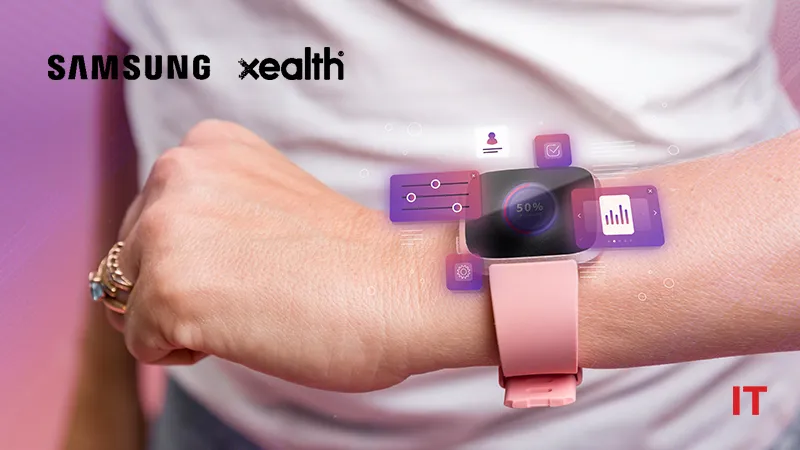
In 2025, Samsung Electronics made a strategic acquisition of Xealth, a leading digital health platform that empowers hospitals to prescribe, monitor, and optimize wellness apps, digital therapeutics, and connected care solutions. This move is more than a tech investment—it signals a major shift in the healthcare landscape, where preventive wellness, consumer health technologies, and clinical care converge. By integrating Xealth’s platform with its existing ecosystem of wearables, smart devices, and AI-driven analytics, Samsung aims to create a seamless experience for patients, bridging the traditional gap between personal wellness tracking and professional medical guidance. Globally, this reflects the growing trend of “connected care,” where hospitals and consumers increasingly rely on digital tools for real-time health monitoring and proactive interventions.
For India, this acquisition is particularly impactful. The country’s digital health market is projected to grow from USD 14.5 billion in 2024 to over USD 106 billion by 2033, driven by telemedicine adoption, wearable health devices, and government initiatives like the Ayushman Bharat Digital Mission (ABDM). Millions of Indians are already using smartphones and fitness trackers to monitor vitals such as heart rate, blood pressure, sleep patterns, and activity levels. Integrating these consumer-generated health data streams with hospital systems can revolutionize chronic disease management, enabling doctors to monitor patients remotely, detect early warning signs, and tailor treatments with greater precision.
The promise of Samsung-Xealth goes beyond convenience—it is about transforming healthcare into a continuous, proactive process rather than episodic treatment. Patients could soon move seamlessly from wearable devices to hospital dashboards, receiving real-time insights and personalized recommendations. Chronic disease patients, fitness enthusiasts, and preventive care seekers alike stand to benefit from this integrated ecosystem. By combining Samsung’s hardware expertise, Xealth’s clinical platform, and India’s growing digital health infrastructure, the acquisition represents a landmark moment in the journey toward connected, patient-centric healthcare.
What is Xealth and Why it Matters
Xealth Overview
Founded in 2015, Xealth has rapidly positioned itself as a leading digital health platform that bridges the gap between clinical care and consumer wellness technology. Today, Xealth connects over 500 hospitals and integrates with more than 70 digital health apps worldwide, ranging from fitness and nutrition trackers to chronic disease management and mental health platforms. Its platform enables healthcare providers to prescribe digital interventions, monitor patient adherence, and track real-time outcomes, all within the existing clinical workflow.
One of Xealth’s standout features is its seamless integration with Electronic Health Records (EHRs), ensuring that patient-generated health data—from wearable devices, health apps, or remote monitoring tools—flows directly into clinicians’ dashboards. This interoperability reduces manual data entry, prevents errors, and allows doctors to make more informed decisions. Hospitals leveraging Xealth have reported improvements in patient engagement, adherence to care plans, and overall efficiency, particularly in chronic disease programs like diabetes, hypertension, and cardiac rehabilitation.
Why Xealth Matters
The true value of Xealth lies in its ability to address the longstanding gap between consumer health technologies and clinical care. Millions of users worldwide track their health metrics on smartwatches and mobile apps, but until platforms like Xealth, these insights rarely reached their healthcare providers in actionable ways. By enabling physicians to prescribe and monitor digital health tools, Xealth facilitates preventive care, early intervention, and better management of chronic conditions, which is crucial in India, where chronic diseases account for over 60% of deaths annually.
Additionally, Xealth contributes to healthcare efficiency and personalization. Hospitals can reduce unnecessary visits, optimize treatment plans, and allocate resources more effectively, while patients benefit from tailored care programs based on real-time data. With Samsung’s acquisition, these capabilities are expected to scale globally and in India, integrating wearables, AI analytics, and hospital systems to create a truly connected, patient-centered healthcare ecosystem.
Global Digital Health Market Trends
The global digital health market is undergoing unprecedented growth, driven by technological innovation, rising consumer awareness, and a shift toward preventive and personalized healthcare. According to Mordor Intelligence, the market size is estimated at USD 347.45 billion in 2025 and is projected to reach USD 768.30 billion by 2030, registering a robust CAGR of 17.2%. This surge reflects a growing reliance on telemedicine, wearable health technologies, remote patient monitoring (RPM), and AI-powered diagnostics across hospitals, clinics, and consumer health platforms worldwide.
Key Drivers of Growth
- Telemedicine & Virtual Care:
Telehealth adoption has skyrocketed due to the COVID-19 pandemic and ongoing demand for convenient, remote consultations. Hospitals and clinics now use digital platforms to monitor patients, deliver care, and reduce hospital visits, creating significant opportunities for platforms like Xealth that integrate these services with wellness apps. - Wearables & Consumer Health Devices:
Smartwatches, fitness bands, smart rings, and biosensors are now widely used to track vitals such as heart rate, sleep, activity, oxygen saturation, and blood glucose. By 2030, wearable devices are expected to generate billions of data points, feeding into AI-driven analytics platforms to improve preventive care and patient engagement. Integration with health apps allows for seamless data sharing with clinicians, bridging the consumer–provider gap. - AI & Advanced Analytics:
Artificial Intelligence (AI) is increasingly used for predictive care, patient risk scoring, and personalized recommendations. For example, AI algorithms can analyze wearable and clinical data to identify early warning signs of heart disease or diabetes flare-ups, enabling proactive interventions rather than reactive treatments. - Remote Patient Monitoring (RPM):
RPM tools track chronic conditions, medication adherence, and recovery post-hospitalization. These tools reduce readmissions, lower healthcare costs, and improve outcomes. The combination of RPM with telemedicine platforms is a key factor driving digital health expansion globally.
Notable Trends in Integration
- Hospitals and healthcare providers are increasingly adopting platforms that combine consumer health apps with clinical workflows, ensuring real-time monitoring and personalized care plans.
- Partnerships between tech giants (like Samsung) and health startups (like Xealth) accelerate the convergence of wellness and medical care, enabling patients to manage health proactively while clinicians receive actionable insights.
Expert Quote:
“Samsung’s Xealth acquisition marks a strategic move to merge consumer health and clinical care, enabling true connected care ecosystems.” – Dr. Anil Sinha, HealthTech Analyst
Implications for Content and SEO
- High-traffic keywords: “Digital health market 2025,” “global telemedicine trends,” “wearables in healthcare,” “AI in healthcare.”
- Content angles: Data-driven insights, forecasts, country comparisons, and emerging technologies.
- Monetization potential: Affiliate links for wearables, telemedicine apps, AI-based health tools, or digital health subscriptions.
India’s Digital Health Revolution
India is rapidly emerging as one of the fastest-growing digital health markets in the world. According to recent reports, the market size is projected to grow from USD 14.5 billion in 2024 to approximately USD 106.97 billion by 2033, registering a staggering CAGR of around 25.12%. This exponential growth is fueled by increasing smartphone and internet penetration, government initiatives, rising healthcare awareness, and the accelerated adoption of telemedicine and wearable health devices.
Key Drivers of Growth
- Smartphone and Internet Penetration:
India has over 900 million smartphone users in 2025, coupled with affordable 4G and emerging 5G connectivity. This digital infrastructure enables consumers to access health apps, telemedicine platforms, and wearable integrations across urban and semi-urban areas. - Telehealth & Virtual Care Adoption:
Telemedicine usage in urban India has tripled between 2021–2025, driven by convenience, reduced hospital crowding, and growing acceptance of digital consultations. Platforms like Practo, 1mg, and Apollo TeleHealth are examples of how digital consultations are becoming mainstream. - Wearable Health Devices & mHealth Apps:
Over 60% of Indian consumers now regularly use fitness or wellness apps, ranging from step counters to chronic disease management tools. Wearables such as smartwatches and fitness bands are increasingly integrated with hospitals and clinics, enabling real-time monitoring of vitals, sleep patterns, and activity levels. - Government Support & Digital Infrastructure:
The Ayushman Bharat Digital Mission (ABDM) is a cornerstone initiative that promotes digital health IDs, interoperable health records, and telemedicine adoption, laying the groundwork for nationwide connected care. This infrastructure allows platforms like Samsung-Xealth to integrate health data from consumer devices directly into hospital workflows.
Key Stats Highlighting the Digital Health Revolution
- Telemedicine Growth: Tripled in urban India (2021–2025).
- Consumer Engagement: 60%+ of smartphone users track health metrics using apps.
- Chronic Disease Management: Diabetes, hypertension, and cardiovascular conditions remain primary targets for digital interventions.
- Hospital Digital Adoption: Over 70% of urban hospitals now leverage digital tools for patient monitoring and management.
Opportunities for Stakeholders
- Hospitals & Clinics: Can integrate wearable data and app-based interventions to reduce hospital readmissions and improve patient outcomes.
- Health Startups & App Developers: Access to hospital networks via platforms like Xealth opens avenues for scaling and collaboration.
- Content Creators & Bloggers: India’s high adoption of digital health apps presents opportunities for affiliate marketing, product reviews, and educational content on connected care.
Why This Matters
The Indian market demonstrates a unique blend of rapid tech adoption and unmet healthcare needs, making it an ideal environment for integrated wellness and clinical care platforms. With Samsung-Xealth entering this ecosystem, patients, hospitals, and developers stand to benefit from data-driven, preventive healthcare solutions that are both scalable and personalized.
How Samsung Bridges Wellness & Medical Care
Samsung’s acquisition of Xealth is more than a corporate move—it represents a strategic integration of consumer wellness tools and clinical care workflows. By leveraging its ecosystem of wearables, smart devices, AI analytics, and cloud infrastructure, Samsung is creating a truly connected care environment where patient data, digital therapeutics, and medical guidance converge seamlessly.
1. Wearables Integration
Samsung’s Galaxy Watch, smart sensors, and other connected devices continuously collect biometrics such as heart rate, blood oxygen levels, sleep patterns, stress indicators, and physical activity metrics. Through Xealth’s platform, this real-time data is shared securely with healthcare providers, allowing doctors to monitor patient health remotely. In India, where chronic diseases like diabetes and hypertension are prevalent, such continuous monitoring can detect early warning signs, prevent complications, and reduce unnecessary hospital visits.
2. Digital Prescriptions
Doctors can now prescribe digital interventions through the Xealth-Samsung ecosystem. These interventions include diet plans, exercise routines, sleep programs, mindfulness apps, and chronic disease management tools. For example, a patient with Type 2 diabetes may receive a tailored app-based exercise program, diet tracking, and glucose monitoring reminders—all integrated into the hospital’s dashboard for adherence tracking.
3. Data Analytics & AI Insights
Samsung uses advanced AI algorithms to analyze patient data from wearables and apps. These algorithms generate actionable insights for both patients and clinicians. Predictive analytics can identify patients at risk of heart disease, diabetes flare-ups, or medication non-adherence, enabling early intervention. Personalized recommendations help patients optimize lifestyle choices, while clinicians can adjust treatment plans dynamically, improving outcomes.
4. Telehealth Platforms
Xealth’s integration with Samsung enables seamless virtual consultations, where clinicians can review real-time biometric data during appointments. Patients in remote or underserved regions of India can receive high-quality medical guidance without traveling to hospitals, reducing costs and improving accessibility. This is especially valuable in tier-2 and tier-3 cities, where specialist care is often limited.
5. Remote Monitoring & Patient Engagement
Hospitals can track patient adherence and progress in real time, receiving alerts if a patient misses medication, deviates from a fitness plan, or shows abnormal vitals. This level of monitoring enhances patient engagement, motivates behavior change, and reduces hospital readmissions. In pilot programs, early adoption of such connected care models has improved adherence by up to 30% and reduced chronic disease complications by 15–20%.
Impact on Healthcare
By integrating wearables, AI, digital prescriptions, telehealth, and remote monitoring, Samsung-Xealth transforms healthcare from reactive to proactive. Patients receive personalized, continuous care, while healthcare providers gain a data-rich platform to optimize treatment plans. For India, this means better management of chronic diseases, increased patient compliance, and broader access to preventive care, positioning the country at the forefront of the digital health revolution.
Benefits for Consumers, Providers, and Startups
The integration of Samsung and Xealth creates a connected health ecosystem that benefits patients, healthcare providers, and startups alike. By combining real-time data from wearables, AI-driven analytics, and digital health platforms, each stakeholder gains actionable insights and measurable outcomes.
Consumers
- Personalized Health Insights:
Wearables and health apps collect continuous biometric data—heart rate, blood pressure, glucose levels, sleep quality, and activity. Through Xealth, these insights are analyzed and delivered directly to patients with personalized recommendations. For instance, a patient at risk of hypertension may receive customized alerts, exercise suggestions, and dietary tips based on real-time readings. - Better Chronic Disease Management:
Patients with diabetes, cardiovascular conditions, or obesity can benefit from digital prescriptions and remote monitoring. Doctors can adjust medications and care plans without requiring in-person visits, reducing complications and improving long-term outcomes. Pilot programs in India have shown that digital interventions can improve adherence by 25–30% among chronic disease patients. - Reduced Hospital Visits:
Continuous monitoring, AI-driven alerts, and telehealth consultations minimize unnecessary hospital visits, saving time and reducing exposure to infections. Rural and semi-urban patients particularly benefit from virtual access to specialists, helping bridge the healthcare accessibility gap.
Healthcare Providers
- Data-Driven Treatment Plans:
Physicians gain access to real-time, patient-generated health data, enabling precise, evidence-based care. AI analytics provide predictive insights, identifying patients at risk of complications before they become critical. - Increased Patient Adherence:
By integrating wearable and app data, providers can monitor whether patients follow prescribed interventions. Automated reminders and follow-ups improve compliance, ultimately leading to better clinical outcomes. - Enhanced Operational Efficiency:
Hospitals can streamline workflows, reduce readmissions, and allocate resources more effectively. Clinicians spend less time collecting data manually, focusing instead on care delivery and personalized patient engagement.
Startups and Health Tech Innovators
- API & Integration Opportunities:
Health tech startups can leverage Xealth’s API framework to integrate their apps into hospital workflows, enabling prescription-based digital interventions. - Access to Hospital Networks:
Startups gain entry into 500+ hospital networks already partnered with Xealth, providing a platform to scale digital health solutions quickly in India and globally. - Co-Marketing with Samsung Ecosystem:
Collaborations with Samsung’s hardware and software ecosystem allow startups to market their apps to millions of wearable users, combining brand visibility with actionable healthcare data integration.
India-Specific Impact
For India, where chronic diseases account for over 60% of deaths and healthcare access varies widely between urban and rural areas, this integrated approach offers scalable, data-driven solutions. Patients benefit from improved preventive care and reduced hospital dependency, while providers can optimize treatment delivery. Startups can tap into a rapidly growing market with significant digital health adoption, leveraging Samsung-Xealth as a springboard for innovation and monetization.
Key Challenges and Risks
While the Samsung-Xealth integration promises to revolutionize healthcare, it also faces several critical challenges and risks that need careful consideration. Understanding these hurdles is essential for providers, startups, and consumers looking to adopt connected care solutions.
1. Data Privacy & Security
Health data is among the most sensitive personal information, encompassing medical histories, biometric readings, prescription data, and lifestyle habits. In a connected care ecosystem, this data flows between wearables, mobile apps, hospital EHRs, and cloud platforms, making it a prime target for cyberattacks or misuse.
- Global Compliance: Samsung-Xealth must comply with HIPAA (Health Insurance Portability and Accountability Act) in the U.S., GDPR in Europe, and other international standards to protect patient privacy.
- Indian Regulations: In India, IT Act 2000, Personal Data Protection Bill (PDPB, pending enactment), and healthcare-specific regulations govern patient data. Compliance challenges include cross-border data storage, consent management, and secure data sharing.
- Risk Mitigation: Platforms need end-to-end encryption, secure APIs, and multi-factor authentication to ensure data integrity and build patient trust. A breach could damage credibility, incur penalties, and slow adoption.
2. Digital Divide
India faces a digital divide between urban, semi-urban, and rural populations:
- Internet Access: Although India has over 900 million smartphone users, rural regions still face intermittent connectivity, limiting access to telemedicine and wearable monitoring.
- Digital Literacy: Many patients are unfamiliar with installing apps, syncing wearables, or interpreting health insights.
- Implications: Without targeted strategies, Samsung-Xealth’s ecosystem risks leaving behind large segments of the population, exacerbating healthcare inequality.
- Opportunities: Initiatives like ABDM (Ayushman Bharat Digital Mission) and low-cost mobile training programs can bridge this gap, allowing remote patients to benefit from connected care.
3. Integration Complexity
Integrating Xealth with hospitals and healthcare systems is technically challenging:
- EHR Variability: Hospitals use multiple Electronic Health Record (EHR) platforms, often with proprietary formats, making seamless data flow difficult.
- Workflow Alignment: Clinicians may need to adapt to new dashboards, alert systems, and digital prescription processes, requiring training and workflow adjustments.
- Scalability Concerns: Large hospital networks may face delays in implementing and scaling connected care due to infrastructure limitations, IT costs, and change management.
Mitigation Strategies:
- Standardizing data exchange through HL7/FHIR protocols
- Phased rollouts with pilot programs
- Providing clinician training and patient education
Conclusion on Risks
While the potential benefits of connected care are immense, Samsung-Xealth must address privacy, accessibility, and integration challenges to achieve widespread adoption. For India, targeted government initiatives, rural outreach programs, and interoperability standards will be critical in overcoming these obstacles and realizing the full promise of digital health.
Future Outlook: 2025–2035
The next decade promises a dramatic transformation in digital health, driven by rapid technological innovation, growing consumer adoption, and evolving regulatory frameworks. Both global and Indian markets are expected to experience significant growth, although the pace and drivers differ due to infrastructure, policy, and adoption levels.
1. Market Size & Growth
- Global Outlook: The global digital health market is projected to reach USD 768 billion by 2030, growing at a CAGR of 17% from 2025. Key growth segments include telemedicine, remote patient monitoring (RPM), AI-based diagnostics, and wearable devices. The integration of consumer wellness platforms with clinical care, as exemplified by Samsung-Xealth, is expected to accelerate market expansion, particularly in North America, Europe, and Asia-Pacific.
- India Outlook: India’s digital health market is projected to surge from USD 14.5 billion in 2024 to USD 106 billion by 2033, representing a CAGR of approximately 25%. Growth is fueled by widespread smartphone adoption, wearable device penetration, telehealth expansion, and government initiatives like the Ayushman Bharat Digital Mission (ABDM) that promote digital health IDs and nationwide EHR integration.
2. Wearables and Device Integration
- Global Trends: Wearable devices—smartwatches, smart rings, biosensors—are increasingly integrated with hospital systems and consumer health apps. By 2030, wearables will generate billions of health data points, feeding into predictive analytics and enabling personalized, proactive care.
- India Trends: Wearables and health apps are growing rapidly, especially among urban millennials and working professionals. Integration with telemedicine platforms allows real-time monitoring of vitals, activity, and lifestyle metrics, empowering patients and clinicians to manage chronic diseases more effectively.
3. AI in Healthcare
- Global Perspective: Artificial Intelligence will play a central role in predictive analytics, risk scoring, and personalized treatment recommendations. Hospitals and insurers increasingly rely on AI algorithms to identify high-risk patients, optimize resource allocation, and improve outcomes.
- India Perspective: AI adoption is growing in telemedicine startups, diagnostic labs, and hospital chains. AI-driven chatbots, predictive models for chronic disease management, and personalized wellness recommendations are becoming standard, particularly in urban and tier-2 cities. Integration with platforms like Samsung-Xealth will further accelerate AI-powered preventive care.
4. Interoperability and Data Integration
- Global: Interoperability standards such as HL7 and FHIR will drive seamless integration between EHRs, wearables, and digital health apps. This ensures that patient data flows securely and efficiently between providers, devices, and platforms.
- India: The ABDM initiative aims to create unique health IDs for all citizens, enabling standardized EHRs and seamless data exchange between hospitals, telemedicine platforms, and digital health apps. This framework supports integrated care models, making platforms like Samsung-Xealth particularly relevant in the Indian context.
5. Implications for Patients, Providers, and Startups
- Patients: Increased access to real-time health monitoring, predictive insights, and personalized care plans will lead to better disease prevention and management, particularly for chronic conditions like diabetes, hypertension, and cardiovascular disease.
- Providers: Hospitals and clinics will benefit from data-driven decision-making, enhanced operational efficiency, and improved patient adherence, leading to higher-quality care delivery.
- Startups: India’s booming digital health ecosystem offers opportunities for app developers, telemedicine platforms, and wearable tech companies to scale rapidly by integrating with hospital networks and consumer ecosystems.
Summary
By 2035, the convergence of wearables, AI, telemedicine, and interoperable EHRs is expected to redefine healthcare globally and in India. Platforms like Samsung-Xealth will play a pivotal role in bridging the gap between wellness and clinical care, creating connected, proactive, and personalized healthcare experiences for patients while opening avenues for startups and healthcare providers to innovate and monetize.
FAQs Section
1. What is Xealth?
Xealth is a digital health platform designed to bridge the gap between consumer wellness technologies and clinical care. It connects hospitals with over 70+ digital health apps globally, allowing doctors to prescribe, monitor, and track patient adherence to wellness programs, chronic disease management tools, and digital therapeutics. Xealth integrates seamlessly with Electronic Health Records (EHRs), ensuring that data from wearables, mobile apps, and remote monitoring devices is securely transmitted to clinicians, enabling real-time decision-making and personalized care. For example, a hospital using Xealth can prescribe a diabetes management app, monitor blood glucose levels remotely, and adjust treatment plans dynamically.
2. Why did Samsung acquire Xealth?
Samsung acquired Xealth to unify consumer wellness tracking and clinical care into a single, connected ecosystem. By leveraging Samsung’s wearables (Galaxy Watch, smart sensors) and AI analytics, Xealth enables real-time patient monitoring, personalized recommendations, and digital prescriptions. The acquisition strengthens Samsung’s position in preventive healthcare, chronic disease management, and telemedicine, allowing patients to track health metrics while doctors receive actionable insights. Globally and in India, this approach supports data-driven, proactive healthcare, improving outcomes and engagement.
3. How will this impact Indian consumers?
Indian patients stand to benefit significantly. With growing telemedicine adoption and the rise of smart wearables, Xealth’s integration enables patients to:
- Track vitals like heart rate, blood pressure, and blood sugar using wearables.
- Receive AI-driven personalized lifestyle recommendations.
- Access remote consultations with doctors, reducing hospital visits.
- Participate in preventive care programs, crucial for managing chronic diseases such as diabetes, hypertension, and cardiovascular conditions, which affect millions in India.
Rural and semi-urban populations may initially face adoption challenges, but government initiatives like the Ayushman Bharat Digital Mission (ABDM) will facilitate greater access to connected care.
4. What are the global market trends in digital health?
The global digital health market is projected to reach USD 768 billion by 2030, growing at a CAGR of 17%. Key trends include:
- Telemedicine & Virtual Care: Remote consultations and virtual clinics reduce costs and increase accessibility.
- Wearables & Health Apps: Smart devices track vitals, activity, sleep, and chronic conditions.
- AI & Analytics: Algorithms predict health risks, optimize treatment plans, and suggest preventive interventions.
- Remote Patient Monitoring (RPM): Continuous tracking of chronic patients reduces hospital readmissions.
Platforms like Samsung-Xealth are driving integration of consumer health tools with clinical systems, accelerating connected care adoption globally.
5. Can startups leverage Xealth in India?
Yes. Digital health startups and app developers can leverage Xealth through:
- API Integrations: Seamlessly connecting their apps with hospital systems.
- Co-marketing Opportunities: Partnering with Samsung to reach wearable users.
- Access to Hospital Networks: Deployment across 500+ hospital networks globally, including India, allowing startups to scale quickly.
This presents a lucrative opportunity in India’s booming digital health market, particularly for apps focused on chronic disease management, fitness, and preventive care.
6. Are there privacy concerns?
Absolutely. Health data is highly sensitive. Samsung-Xealth must comply with:
- HIPAA (US) for patient privacy.
- GDPR (Europe) for data protection and cross-border data transfers.
- Indian regulations: IT Act, Personal Data Protection Bill (pending), and healthcare-specific norms.
Patients and providers must ensure encrypted data storage, secure APIs, consent management, and adherence to local compliance standards. Violations could result in legal penalties and loss of trust.
7. How do wearables help in connected care?
Wearables like Galaxy Watch or fitness bands provide continuous, real-time biometric data including heart rate, sleep quality, activity levels, blood oxygen, and stress metrics. When integrated with Xealth:
- Doctors can monitor patients remotely, enabling early intervention.
- AI algorithms generate personalized recommendations for exercise, diet, and lifestyle.
- Chronic disease patients can track adherence to prescribed routines, reducing complications.
In India, wearables are becoming particularly valuable for urban professionals and patients with limited access to regular in-person care.
8. What role does AI play in the Samsung-Xealth ecosystem?
AI is central to predictive and personalized healthcare. Within Xealth:
- AI algorithms analyze wearable and app data to identify at-risk patients.
- Predictive models alert clinicians to potential health events like heart arrhythmias, blood sugar spikes, or stress-related issues.
- Personalized recommendations guide patients on diet, exercise, sleep, and medication adherence.
AI ensures that care is proactive rather than reactive, improving outcomes and efficiency.
9. Will rural India benefit from this technology?
Adoption in rural India will be gradual due to:
- Limited internet connectivity in remote areas.
- Lower digital literacy, making app and wearable adoption challenging. However, initiatives like ABDM, telemedicine kiosks, and community health worker training are bridging these gaps. Over time, rural patients can benefit from remote monitoring, preventive care, and digital health consultations, reducing the need for long hospital visits.
10. How does Xealth integrate with hospitals?
Xealth integrates using secure APIs and EHR interoperability standards (HL7/FHIR). Hospitals can:
- Connect patient apps and wearables to clinical dashboards.
- Prescribe and track digital health interventions like exercise programs or diet apps.
- Receive real-time updates on adherence, vitals, and progress, enabling timely clinical decisions.
This integration ensures continuous patient engagement, improved adherence, and better health outcomes, making it a key tool for both global and Indian healthcare providers.
Summary
- Samsung-Xealth Bridges Wellness and Clinical Care:
The acquisition integrates consumer health apps, wearables, and clinical data, creating a seamless ecosystem for proactive, patient-centered healthcare. Patients can track vitals while doctors receive actionable insights, improving chronic disease management and preventive care. - Explosive Growth of Global Digital Health:
The global digital health market is projected to reach USD 768 billion by 2030, driven by telemedicine, wearables, AI analytics, and remote patient monitoring. This highlights a clear shift toward connected, data-driven healthcare worldwide. - India Leading in Digital Health Adoption:
India’s market is growing even faster, with a CAGR of ~25% (2025–2033). Initiatives like Ayushman Bharat Digital Mission (ABDM), increased smartphone penetration, and telemedicine adoption are enabling widespread connected care, particularly for chronic diseases and preventive health programs. - Wearables, Telemedicine, and AI Enable Personalized Care:
Integration of smart devices, health apps, and AI-driven analytics allows for real-time monitoring, predictive risk assessment, and personalized lifestyle recommendations, transforming healthcare from reactive to preventive. - Opportunities for Startups and Health Tech Innovators:
Startups can leverage Xealth’s APIs and hospital network access to scale digital health solutions. Health app developers, wearable manufacturers, and telemedicine platforms can co-market within the Samsung ecosystem, tapping into India’s rapidly expanding digital health market. - Content Creators and Bloggers Can Monetize Trends:
With growing consumer interest in wellness, telemedicine, and wearable health devices, bloggers and content creators can monetize through affiliate programs, app reviews, lead magnets, and educational content, targeting both global and India-first audiences.
Conclusion
The Samsung-Xealth acquisition signals a transformative shift in healthcare, moving from traditional, episodic treatment to a connected, data-driven, and patient-centric model. By integrating wearable devices, digital health apps, AI analytics, and hospital systems, the platform enables continuous monitoring, personalized recommendations, and preventive care, allowing patients to take control of their health like never before. Globally, this reflects a growing trend of converging consumer wellness and clinical care, where technology not only supports treatment but actively guides lifestyle and chronic disease management.
For Indian consumers, the impact is particularly profound. With the rise of telemedicine, smartphone adoption, and government initiatives like the Ayushman Bharat Digital Mission (ABDM), Samsung-Xealth has the potential to bridge healthcare accessibility gaps, especially in urban and semi-urban populations. Chronic conditions such as diabetes, hypertension, and cardiovascular diseases, which account for a significant portion of India’s healthcare burden, can now be managed remotely and proactively, reducing hospital visits, improving outcomes, and empowering patients with actionable health insights.
Beyond consumers, the acquisition opens up strategic opportunities for content creators, startups, and investors. Health tech startups can integrate apps into the Xealth platform, gain access to hospital networks, and scale solutions rapidly. Bloggers and digital creators can monetize trends in wearables, telehealth, and digital wellness through affiliate programs, product reviews, and educational content. For investors, the rapidly expanding Indian and global digital health markets represent a high-impact, high-growth sector, making Samsung-Xealth a key catalyst for the next decade of healthcare innovation.
References
Here are the key references and sources used in this blog — including direct links so you can cite them or explore further:
- Samsung Electronics Acquires Xealth — Official Samsung announcement on the acquisition and vision for connected care. Samsung Electronics Acquires Xealth: Bridging Wellness & Medical Care (Samsung News)
- Samsung Electronics Completes Acquisition of Xealth — Coverage of the finalized acquisition and integration goals. Samsung Electronics Completes Acquisition of Xealth (Xealth Blog)
- Global Digital Health Market Forecast 2025–2030 — Mordor Intelligence report on market size and key growth drivers (telemedicine, wearables, AI). Digital Health Market Growing at 17.2% CAGR to 2030 (GlobeNewswire)
- India Digital Health Market Report (Grand View Research) — Market forecast showing India’s digital health growth trajectory through 2033. India Digital Health Market Size & Forecast 2025–2033 (Grand View Research)
- India Digital Health Market Insights (IMARC Group) — Alternative industry forecast with segmentation and growth analysis. India Digital Health Market Size, Share & Growth Trends (IMARC Group)
- India Telemedicine Market Size & Trends — India telemedicine market growth and projected CAGR. India Telemedicine Market Size & Outlook (Mordor Intelligence)
- Digital Healthcare Trends in India — Overview of government initiatives and digital healthcare evolution in India. Digital Healthcare in India: Trends & Drivers (PwC India)
- Ayushman Bharat Digital Mission (ABDM) — India’s flagship digital health ecosystem initiative enabling universal digital health IDs and records. Ayushman Bharat Digital Mission (Wikipedia)
