








Estimated Reading Time: 20-25 minutes ( 4,149 words)
Introduction
Imagine a day in India in 2025 without carrying cash or standing in long bank queues. You pay your morning chai vendor through a simple QR code scan, split rent with your roommates instantly using a mobile app, transfer money to friends while waiting for your metro, invest in mutual funds or stocks during your commute, and even check your credit score before applying for a loan — all from the convenience of your smartphone.
This is no longer a futuristic vision; it’s the everyday reality for millions of Indians. The fintech revolution has transformed how people manage money, bridging banking, investing, payments, credit, insurance, and personal finance — all in one place. Digital wallets, UPI apps, investing platforms, and credit management tools are no longer optional; they are essential tools that simplify lives, save time, and empower financial decision-making.
In this post, we will explore the top 5 fintech apps Indians can’t live without in 2025, backed by the latest data on user adoption, transaction volume, and unique features. From daily payments to long-term investing, these apps cater to every financial need, making them indispensable for anyone navigating India’s increasingly digital economy.
Whether you’re a salaried professional, a student, a freelancer, a small-business owner, or an aspiring investor, this guide will help you identify the right apps for your lifestyle, maximize their benefits, and stay ahead in managing your personal finances efficiently. By the end, you’ll know exactly which fintech apps deserve a spot on your phone and why they’ve become a must-have for modern India.
Why Fintech Apps Are a Way of Life in India (2025 Context)
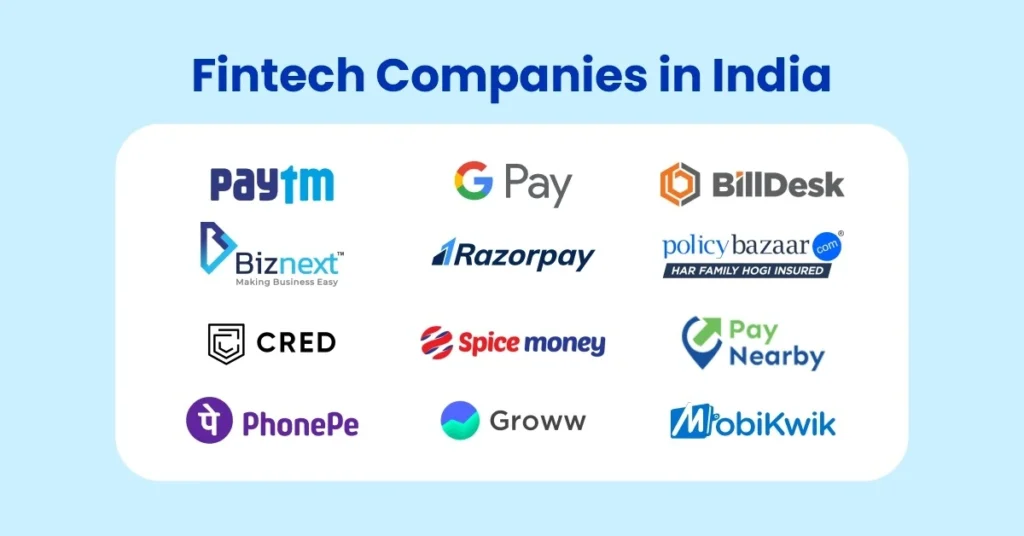
The fintech ecosystem in India has grown at an unprecedented pace, transforming not only how people pay for goods and services but also how they manage every aspect of their financial lives. Central to this transformation is the Unified Payments Interface (UPI) — a real-time payment infrastructure that has made digital transactions seamless across cities, towns, and even rural India. In 2025, UPI is no longer a niche service; it has become the backbone of everyday financial activity, with hundreds of millions of users conducting billions of transactions each month. (GrabOn, The Bridge Chronicle, Outlook Business)
But India’s fintech apps are not limited to payments alone. Modern apps integrate banking, investing, credit, insurance, bill payments, and personal finance management, all within a single mobile interface. This convergence makes them incredibly convenient and “sticky” — once a user starts leveraging multiple services through a single app, switching becomes cumbersome.
For millions of Indians, these apps have replaced traditional banking in daily life. Transactions that previously required multiple trips to banks, long queues, or manual processing can now be completed in seconds. From paying utility bills, booking tickets, or transferring money to peers, to managing investments and checking credit scores, fintech apps have brought a level of efficiency and accessibility that was previously reserved for urban elites.
With such widespread adoption, strong integration, and daily utility, it’s no surprise that certain apps have become truly indispensable. They are no longer just tools; they are a way of life, shaping how Indians spend, save, invest, and plan for their financial future.
Criteria: What Makes an App “Can’t Live Without”
To select the top apps, we evaluated based on:
- User base & transaction volume (mass adoption)
- Daily utility (payments / billings / transfer / credit / investing)
- Feature breadth (payments + investing/credit/finance + value-adds)
- Trust and reliability (security, regulatory compliance)
- Potential for growth & impact (not just trend, but long-term staying power)
Top 5 Fintech Apps Indians Rely On — 2025
India’s fintech landscape has grown explosively in the past decade, transforming how millions of users pay, invest, borrow, and manage money. By 2025, a handful of apps dominate daily financial activity due to their wide adoption, rich features, reliability, and trust. Here’s a detailed breakdown of the top five fintech apps Indians can’t live without.
4.1 PhonePe
Why it dominates:
- Market share & usage: PhonePe processed 8.54 billion UPI transactions in June 2025, securing 46–48% of India’s total UPI market share, making it the most widely used payments app in the country. (Adda247, Business Standard)
- Nationwide reach: Its services extend from metros to tier-2 and tier-3 cities, and even rural regions, thanks to aggressive merchant onboarding including kirana shops, local vendors, taxis, and online platforms. (The Bridge Chronicle)
- Multi-functional ecosystem:
- UPI-based payments & QR code scanning
- Bill payments (electricity, water, gas, broadband)
- Mobile/DTH recharges
- Insurance (term, health, and micro-insurance products)
- Investment options (mutual funds, digital gold)
- Bill splitting & peer-to-peer transfers
- Merchant payments & digital receipts
- UPI-based payments & QR code scanning
- User engagement: PhonePe’s gamification, cashback, and rewards program keeps users active daily.
- Security & compliance: NPCI-regulated, two-factor authentication, device-based UPI PIN, biometric login, fraud alerts, and encrypted transaction data.
Who it’s best for:
Everyday consumers, small-business owners, and frequent shoppers who want a one-stop app for payments, bills, and merchant services.
Case Study:
A 2025 survey found that over 70% of urban smartphone users rely on PhonePe for daily UPI payments, while 40% of rural merchants now accept PhonePe QR, highlighting its ubiquity.
4.2 Google Pay
Why it’s indispensable:
- Market share & usage: Google Pay handles 6–7 billion UPI transactions per month (~35–37% market share), consistently ranking second after PhonePe. (Exam Guru, Business Standard)
- Integration with Google ecosystem: Gmail, Google Maps, and Google Pay together provide seamless user experiences — from paying a friend to ordering groceries or paying subscriptions.
- Simplicity & accessibility:
- Clean, clutter-free interface
- Peer-to-peer UPI transfers in seconds
- Bill payments and recurring payments setup
- Rewards and cashback programs to incentivize usage
- Clean, clutter-free interface
- Trust & reliability: Backed by Google’s global brand and infrastructure, ensuring secure transactions and prompt fraud resolution.
Who it’s best for:
Tech-savvy users, younger demographics, and urban residents familiar with Google products who prioritize speed, ease, and brand reliability.
Case Study:
A fintech adoption report in 2025 showed high retention among Gen Z users for Google Pay, with over 65% of first-time digital payment users continuing to use it as their primary UPI app within 6 months.
4.3 Paytm
Why it’s still relevant:
- Legacy & brand trust: As one of India’s first digital wallet providers, Paytm has a wide user base of over 350 million registered users. (Exam Guru)
- Diverse services:
- UPI payments and QR-based merchant payments
- Paytm wallet for cashless transactions
- Bill payments (utilities, mobile, broadband)
- Mobile/DTH recharge
- FASTag payments for highways
- Ticket bookings (bus, train, flight, movies)
- Insurance, lending, and mutual fund investment
- UPI payments and QR-based merchant payments
- Offline & rural reach: Many smaller merchants and vendors still prefer Paytm wallet over UPI, making it a reliable fallback option.
- User incentives: Paytm offers cashback, discounts, and Paytm First membership for loyalty.
Who it’s best for:
Users who value familiarity, loyalty programs, and broad offline acceptance, or those who frequently transact in areas where UPI QR is less common.
Case Study:
Even in 2025, surveys indicate that over 30% of tier-2 and tier-3 merchants still rely on Paytm wallet payments, ensuring continued relevance.
4.4 Groww
Why it stands out (beyond payments):
- Market reach & adoption: Groww has over 100 million downloads and is now one of India’s largest investment platforms by active users. (Outlook Business, NDTV Profit)
- Comprehensive investment offerings:
- Mutual funds (equity, debt, hybrid)
- Stocks (Indian & US markets)
- SIPs & recurring investments
- IPO subscriptions
- ETFs & digital gold
- Mutual funds (equity, debt, hybrid)
- User experience: Intuitive dashboards, personalized recommendations, in-app tutorials, and goal-based investing tools for beginners.
- Security & regulation: SEBI and RBI compliant, encrypted transactions, two-factor authentication, and secure KYC processes.
Who it’s best for:
Young professionals, first-time investors, and anyone seeking a simple, unified platform for wealth creation without navigating multiple brokerage accounts.
Case Study:
Groww overtook Zerodha in active client count in 2025, driven by millennial and Gen Z adoption, especially for SIPs and small-ticket investments.
Monetization potential:
Affiliate links, premium subscriptions, and referral programs are key for bloggers writing Groww guides.
4.5 CRED
Why it’s a “must-have” for credit-savvy users:
- Target audience: Caters to high-credit-score users, typically managing multiple credit cards and high-value transactions. (Arise Times)
- Features & services:
- Credit card bill payments and reminders
- Rewards and cashback on payments
- Pay-later and instant loan options
- Partner offers (rent payments, subscription services)
- Credit score tracking and financial insights
- Credit card bill payments and reminders
- Financial behavior: Encourages responsible credit usage by rewarding timely payments and offering perks for high financial discipline. (Moneycontrol)
- Security: Multi-layered encryption, PCI DSS compliance, biometric login, and fraud detection mechanisms.
Who it’s best for:
Salaried professionals, freelancers, and young adults with multiple credit cards seeking rewards, credit management, and financial wellness tools.
Case Study:
In 2025, CRED reported that over 15 million active users regularly used the app for credit card payments, with 40% of them engaging with pay-later or rewards programs, highlighting both stickiness and user loyalty.
Comparison Table: Features, Strengths & Ideal User
| App | Core Strength | Best Suited For | Unique Advantages | Adoption & Market Share (2025) | Security & Compliance | Monetization Opportunities / Blog Angle |
| PhonePe | UPI payments, bill payments, mobile recharges, merchant transactions, insurance, investments | Everyday consumers, frequent shoppers, small-business owners, rural & urban users | Largest UPI share (~46–48%), wide merchant acceptance, multi-service in one app, gamified rewards, instant QR payments | 8.54B UPI transactions/month, 46–48% market share | NPCI-compliant, 2FA, biometric login, encrypted transactions | Affiliate links for investment/insurance products, guides for merchants, cashback & offers articles |
| Google Pay | Simple, trust-based UPI payments, peer-to-peer transfers, recurring payments, rewards | Tech-savvy millennials, Gen Z, urban smartphone users familiar with Google ecosystem | Clean UI, fast peer/merchant payments, trusted global brand, integration with Google apps, rewards & cashback | 6–7B UPI transactions/month, ~35–37% market share | PCI DSS compliant, Google-grade security, fraud detection, device-based authentication | Tutorials on recurring payments, referral-based blog guides, UPI rewards optimization tips |
| Paytm | Wallet + UPI payments, bill payments, mobile/DTH recharge, ticketing, FASTag, insurance, lending | Users with older wallet history, wallet-based payments, offline merchants | Combination of wallet & UPI, familiar interface, accepted at older merchants, diversified services including Paytm First membership | ~6–8% UPI share, 350M+ registered users | RBI-regulated, encrypted wallet transactions, KYC verified | Content on cashback maximization, offline merchant guides, wallet features for beginners |
| Groww | Investing (mutual funds, stocks, SIPs, ETFs, US stocks, IPOs), wealth management, goal-based investing | First-time investors, young professionals, beginners looking for simple investment platforms | Easy onboarding, all-in-one investment interface, educational resources, seamless SIP/stocks/US stocks | 100M+ downloads, largest active client base in India (surpassed Zerodha) | SEBI & RBI-compliant, encrypted transactions, 2FA, secure KYC | Investment guides, affiliate links for SIPs/mutual funds, wealth-building content, first-time investor tutorials |
| CRED | Credit card bill payments, rewards, pay-later options, credit insights, partner offers | Credit-worthy salaried individuals, freelancers, young professionals with multiple credit cards | Rewards for timely payments, premium offers, credit tracking tools, pay-later & instant loan services | 15M+ active users, high engagement among credit-worthy segments | PCI DSS compliant, encrypted transactions, biometric login, fraud alerts | Credit card management tips, rewards optimization, pay-later strategy guides, premium fintech reviews |
Notes / Highlights from the Table
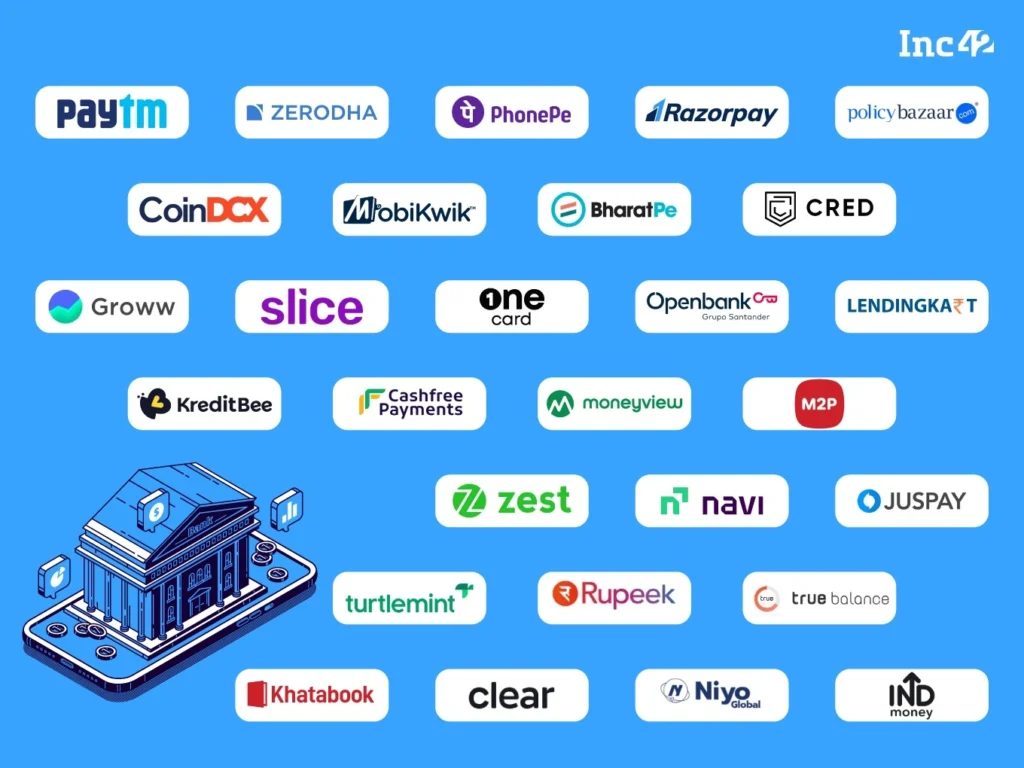
- PhonePe & Google Pay dominate UPI, making them the most widely used apps for daily payments.
- Paytm remains relevant due to offline acceptance and wallet legacy.
- Groww empowers investing even for beginners, making financial planning accessible.
- CRED focuses on credit-savvy users, offering rewards and pay-later features beyond basic payments.
- Each app has unique monetization potential for blogs: affiliate marketing, referral guides, cashback tutorials, or investment tutorials.
Key Stats & Growth Trends (2020–2025)
- UPI — the backbone of India’s digital payments — has seen explosive growth. From humble beginnings in 2016 to billions of monthly transactions by 2025. GrabOn+1
- As per mid-2025 NPCI data, PhonePe holds roughly 46–48% of all UPI transactions. Business Standard+2The Bridge Chronicle+2
- Apps like Groww have recorded over 100 million downloads, making them among the most widely installed fintech/investment apps in India. Outlook Business+1
- Growing investor base: Groww now leads in active clients among stock-brokerage & investment apps, overtaking older players. The Economic Times+1
- The shift from traditional cash/cheque/NEFT banking to app-based payments & investing indicates a longer-term behavioral change in India’s millennials and Gen Z.
Why These Apps Matter — Impact on Daily Life, Economy & Behaviour
Fintech apps have gone beyond convenience; they are reshaping financial behavior, driving economic growth, and promoting financial inclusion across India. Here’s a detailed look at their impact in 2025:
7.1 Financial Inclusion
- Apps like PhonePe, Google Pay, and Paytm have brought millions of previously unbanked or underbanked users into the digital financial ecosystem.
- Small towns and rural regions now participate in cashless transactions, whether paying local kirana shops, farmers selling produce, or small service providers.
- According to NPCI 2025 data, over 75% of UPI transactions now occur outside top-tier metros, highlighting the penetration of fintech into semi-urban and rural India.
- Impact: Easier access to banking and payments reduces dependence on cash, fosters savings, and strengthens local economies.
7.2 Reduced Friction in Daily Life
- Tasks that once took hours — paying utility bills, splitting rent with roommates, transferring money to family, or shopping at local stores — can now be completed within seconds.
- Multi-functional apps consolidate payments, billings, recharges, and in-app services into a single platform, minimizing the need for multiple apps or visits to banks.
- Example: PhonePe’s “bill split” feature lets users instantly divide rent or utility bills with peers, while CRED ensures credit card bills are paid on time with minimal hassle.
- Impact: Significant time-saving and convenience, leading to higher user retention and widespread adoption.
7.3 Democratizing Investing
- Investment apps like Groww have made investing accessible to first-time users, removing traditional barriers like minimum brokerage fees, paperwork, or complex account management.
- By offering mutual funds, SIPs, ETFs, US stocks, and IPO access on mobile, these platforms enable individuals to grow wealth and participate in capital markets from anywhere.
- Educational content, goal-based dashboards, and in-app calculators enhance financial literacy, particularly among millennials and Gen Z.
- Impact: Wider participation in equity and debt markets, stronger financial awareness, and an emerging culture of disciplined investing.
7.4 Credit Awareness & Responsibility
- Platforms like CRED target users with good credit scores, promoting responsible credit usage.
- Features such as timely reminders, pay-later options, rewards, and credit insights encourage disciplined repayment behavior and improve credit health.
- This contributes to better financial planning, lower default rates, and stronger individual credit profiles.
- Impact: Encourages financial responsibility, educates users on credit management, and builds a segment of financially empowered millennials and professionals.
7.5 Scaling the Digital Economy
- Widespread adoption of fintech apps fuels e-commerce, local businesses, gig economy platforms, and digital services, creating new revenue streams and jobs.
- By simplifying transactions for merchants, freelancers, and small businesses, these apps help integrate micro and small enterprises into the formal economy.
- According to a 2025 McKinsey report, digital payments in India now contribute over 15% to GDP in terms of transaction value, showcasing their macroeconomic significance.
- Impact: Beyond personal convenience, fintech apps are catalysts for broader economic growth, financial transparency, and digital adoption.
7.6 Behavioral Transformation
- Daily interaction with these apps fosters habitual digital behavior, from saving and budgeting to investing and timely bill payments.
- Gamified rewards, cashback incentives, and goal-based investing encourage users to actively manage their finances instead of passive spending.
- Over time, these behavioral changes contribute to enhanced financial literacy, savings culture, and responsible credit usage.
Key Takeaway:
Fintech apps are no longer just payment tools — they are financial enablers, economic accelerators, and behavioral influencers. From increasing accessibility in rural India to promoting responsible credit and democratizing investments, these apps are central to the digital transformation of the Indian economy and everyday life in 2025.
Risks, Challenges & What Users Should Watch Out For
While fintech apps offer unprecedented convenience and financial empowerment, they also come with risks and challenges that users must understand. Responsible usage and awareness are key to safely navigating India’s digital finance ecosystem in 2025.
8.1 Over-Dependency on a Few Players
- The UPI and digital payments space is highly concentrated, with PhonePe, Google Pay, and Paytm dominating the market.
- Risk: A technical outage, server downtime, or regulatory intervention affecting one or more major apps can temporarily disrupt everyday transactions, bill payments, and merchant payments.
- Users should maintain backup options — multiple UPI apps, wallets, or bank apps — to ensure uninterrupted access to payments.
8.2 Security & Fraud Risks
- Digital payments are prime targets for cybercriminals. Common threats include:
- Phishing attacks via SMS, email, or fake apps
- UPI frauds, such as payment requests from unknown numbers
- Fake QR codes at merchants
- Account takeover through stolen credentials
- Phishing attacks via SMS, email, or fake apps
- Preventive measures:
- Always verify payee details before sending money
- Avoid sharing OTPs, PINs, or banking credentials
- Enable two-factor authentication (2FA) and biometrics
- Only download apps from official app stores
- Always verify payee details before sending money
- Awareness and vigilance are crucial to minimize the risk of financial loss.
8.3 Data Privacy Concerns
- Fintech apps collect highly sensitive personal and financial information, including bank account numbers, credit card data, transaction history, and KYC details.
- Risks include:
- Data breaches by hackers
- Unauthorized use of personal information for marketing or credit decisions
- Data breaches by hackers
- Best practices:
- Read privacy policies before signing up
- Use apps with strong encryption and compliance with RBI, SEBI, and GDPR standards
- Limit sharing sensitive data outside trusted platforms
- Read privacy policies before signing up
8.4 Over-Investing / Impulsive Investing
- Platforms like Groww make investing extremely accessible, but ease of access can lead to over-investment or high-risk decisions by inexperienced users.
- Risks include:
- Chasing short-term gains without understanding market volatility
- Over-allocating to risky stocks or derivatives
- Chasing short-term gains without understanding market volatility
- Mitigation:
- Diversify investments across assets
- Set up SIPs for long-term wealth building
- Use app-based research and educational tools before investing
- Diversify investments across assets
8.5 Credit Misuse & Overspending
- Apps like CRED and other pay-later platforms provide instant credit or deferred payment options, which can tempt users into overspending.
- Risks include:
- Accumulating unmanageable debt
- Missing payments and harming credit scores
- Accumulating unmanageable debt
- Best practices:
- Track monthly spending limits
- Pay credit-card and pay-later balances on time
- Treat credit as a tool for planned purchases, not impulsive spending
- Track monthly spending limits
8.6 Regulatory & Policy Risks
- Fintech apps operate under dynamic regulations by RBI, SEBI, and NPCI, which can change transaction limits, cashback incentives, or service eligibility.
- Users should stay updated on policy changes, particularly for investments, pay-later schemes, and digital banking services.
⚠️ Key Takeaway / Warning
Fintech apps are powerful financial tools, not toys. Using them responsibly means:
- Diversify app usage to avoid dependency on a single platform.
- Prioritize security with 2FA, strong passwords, and official apps.
- Monitor investments and credit carefully to prevent overspending or high-risk exposure.
- Stay informed about privacy policies, terms, and regulatory updates.
By combining convenience with awareness and discipline, users can maximize the benefits of fintech apps while minimizing potential risks.
FAQs Section
1. What qualifies a fintech app as “top” or indispensable in India?
A fintech app becomes indispensable when it combines high adoption, daily utility, and reliability. Key factors include:
- User base: Millions of active users across urban, semi-urban, and rural India.
- Daily usage: Frequent engagement for payments, bill payments, investing, credit, or financial planning.
- Merchant & peer acceptance: Can be used across stores, online platforms, and for peer-to-peer transactions.
- Security & reliability: Compliant with RBI/NPCI guidelines, encrypted transactions, and robust fraud prevention.
- Feature set: Offers multi-functional tools like UPI, wallet, bill splitting, investing, credit tracking — convenience drives stickiness.
2. Are UPI apps like PhonePe & Google Pay safe?
Yes, these apps are heavily regulated by NPCI and partner banks. Safety depends on user practices:
- Never share UPI PIN, OTP, or credentials with anyone.
- Always verify payee details and QR codes before confirming payment.
- Use app-level locks, 2FA, and biometric authentication.
- Avoid clicking on unknown links or phishing attempts.
3. Why should I use both a payment app and an investing app?
Payment apps handle daily financial needs: money transfers, bill payments, shopping, or merchant transactions. Investing apps like Groww focus on long-term wealth creation: mutual funds, stocks, SIPs, and goal-based investing. Using both ensures your short-term convenience and long-term financial growth are covered.
4. Can I trust investment apps like Groww or Zerodha?
Yes. These platforms are regulated brokers and SEBI-compliant, serving millions of investors. Best practices:
- Diversify investments to reduce risk.
- Only invest what you can afford to lose, especially in volatile markets.
- Use app educational resources to understand instruments and market trends.
5. Does having multiple fintech apps increase risk?
Only if security is neglected. Safe practices:
- Use unique passwords and UPI PINs for each app.
- Enable two-factor authentication and biometrics.
- Regularly review transaction history and app permissions.
6. What if I don’t have a smartphone — can I use UPI or fintech services?
Most fintech services are mobile-first and require a smartphone.
- Basic UPI payments are smartphone-dependent.
- Feature-rich apps like Groww, CRED, or Paytm require smartphones with internet access for investing, bill payments, or credit services.
7. Are these apps free to use?
Most UPI/payment apps are free for basic transfers and bill payments.
- Investment apps may charge brokerage, fund management fees, or subscription fees for premium features.
- Always check the fee structure before using advanced services.
8. How do fintech apps make money if payments are free?
Revenue sources include:
- Brokerage fees on investing apps.
- Commissions from banks, merchants, and insurance providers.
- Value-added services like premium features, subscriptions, or pay-later charges.
- Partnerships & ads within apps.
9. Which should I choose first — a UPI payment app or an investing app?
Start with a UPI/payment app if you need daily convenience for transfers, bills, and shopping. Once comfortable, adopt an investing app to grow wealth long-term and practice disciplined financial planning.
10. Can NRIs or Indians living abroad use these apps?
It depends on the app:
- UPI/payment apps usually require an Indian bank account and phone number.
- Investing apps require Indian KYC and residency proof.
- Always check app-specific eligibility criteria before signing up.
11. Can fintech apps help improve my credit score?
Yes, apps like CRED and Paytm monitor payments and provide timely reminders for bills and credit cards. Timely payments and responsible credit usage can boost your credit score, while late payments may negatively impact it.
12. What are the risks of impulsive investing or overuse of credit?
Easy access can tempt users to:
- Over-invest in high-risk stocks without research.
- Overspend using pay-later or credit features, leading to debt accumulation. Mitigation: Track budgets, diversify investments, and treat credit as a planned tool, not a spending hack.
13. How secure is my data on fintech apps?
Most top apps follow RBI, SEBI, and GDPR-level compliance, with encrypted storage, secure KYC, and 2FA authentication. Avoid apps outside official app stores to minimize data breach risks.
14. Are fintech apps helping financial literacy in India?
Absolutely. Apps like Groww provide educational content, tutorials, goal tracking, and portfolio insights, helping first-time investors understand markets, SIPs, and long-term wealth creation strategies.
Key Takeaways from FAQs:
- Top fintech apps are defined by adoption, security, utility, and stickiness.
- Use apps responsibly — monitor credit, diversify investments, and practice safe digital habits.
- These tools simplify daily financial tasks, democratize investing, and improve credit behavior, but awareness of risks is crucial.
Summary
- Fintech apps have become essential to daily Indian life, enabling instant payments, budgeting, investing, insurance, and credit access — all through simple mobile interfaces driven by UPI, AI, and digital KYC.
- PhonePe leads the UPI ecosystem, offering seamless payments, bill settlements, insurance options, and personal finance tools, making it the default money app for millions.
- Google Pay remains a favourite for fast, secure transactions, rewards-based payments, and integration with banking services through its clean UI and dependable UPI performance.
- Paytm continues to dominate offline + online payments, with its wide merchant acceptance, wallet features, FASTag, ticket bookings, and financial services like loans and insurance.
- Groww is the top investing app for young Indians, simplifying access to mutual funds, stocks, ETFs, and fixed-income products with transparent fees and an easy onboarding process.
- CRED has redefined credit card management, rewarding timely bill payments, providing cashback, exclusive offers, and offering members-only financial products like CRED cash and rent payments.
Conclusion
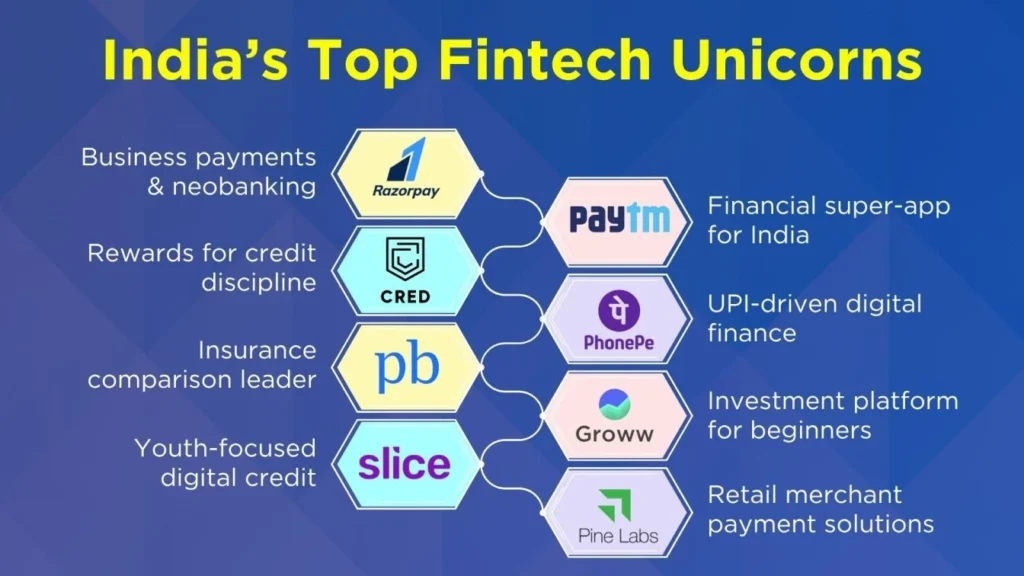
India’s fintech revolution is far more than a passing trend — it represents a structural shift in how millions of people manage money, transact, and invest. By 2025, apps like PhonePe, Google Pay, Paytm, Groww, and CRED have become integral to daily financial life, seamlessly blending convenience, security, and accessibility.
These apps serve different but complementary purposes:
- PhonePe & Google Pay: Everyday UPI payments, bill payments, merchant transactions, and peer-to-peer money transfers.
- Paytm: Legacy wallet features combined with payments, offline acceptance, recharges, and ticketing.
- Groww: Democratizing investing for first-time and experienced investors alike, offering mutual funds, stocks, SIPs, and US markets.
- CRED: Managing credit responsibly, paying bills on time, earning rewards, and accessing pay-later options for credit-savvy users.
Key takeaways for users:
- Choose apps aligned with your lifestyle and goals — whether daily payments, investing, or credit management.
- Use multiple apps responsibly — diversify to avoid over-dependence but always follow security best practices.
- Prioritize safety & awareness — enable two-factor authentication, monitor transactions, and avoid phishing or suspicious links.
- Leverage apps for financial literacy & wealth building — Groww and CRED, for example, provide educational tools to improve investing and credit behavior.
- Maximize convenience & efficiency — these apps reduce friction in daily transactions, automate payments, and save time.
- Adopt a long-term mindset — integrating payments, investing, and credit management through these platforms can help build financial discipline, savings, and wealth over time.
In essence, India’s top fintech apps are no longer optional utilities — they are indispensable financial companions. With responsible use, awareness of risks, and strategic planning, these platforms can help you simplify life, gain control over finances, and achieve your long-term money goals.
Reference & source
PhonePe maintains its dominance in the UPI ecosystem: in June 2025 it processed 8.54 billion UPI transactions, capturing 46.46% market share. Business Standard+2Rediff+2
In the same period, Google Pay handled ~6.54 billion transactions (~ 35.6% share) and Paytm around 1.26 billion (≈ 6.9%), showing the concentration of UPI payments among a few apps. adda247+2Head and Tale Media Pvt Ltd+2
Groww became the first Indian investment app to surpass 100 million downloads, and by 2025 was reportedly among India’s largest investment platforms by user count. Outlook Business
CRED continues to be a major player in the credit-card bill payment + fintech segment: as of FY24, its revenue rose 66% to ₹2,473 crore, and payment value (TPV) surged to ₹6.87 trillion. Business Standard+2Moneycontrol+2
Cred reportedly serves “over 15 million active customers” (high-credit-score users) and is pursuing an expansion with new features (wallet, UPI payments, wealth-management) beyond just credit-card bill payments. Arise Times+2Business Today+2
