









Estimated Reading Time: 22-26 minutes (4,625 words)
Introduction
Buying a house or property in India — whether it’s your first home, an investment flat, a commercial property, or a plot of land — is often one of the biggest financial and emotional commitments a person can make. For many, it represents years of savings, planning, and aspirations for a secure future. However, what happens when that dream investment turns into a nightmare because of fraud or deception?
In recent years, real estate scams in India have been on the rise, fueled by booming demand, rapid urbanization, and increasingly complex property laws. From duplicate sale deeds and forged ownership documents to fake online listings and stalled or abandoned projects, the spectrum of fraud is wide and often sophisticated. Buyers are not just losing money — they’re getting trapped in lengthy legal battles, facing delayed possession, or discovering that the property they invested in doesn’t legally belong to them.
The risks are particularly high for first-time buyers, NRIs investing remotely, and even seasoned investors who assume due diligence is enough. Fraudsters exploit loopholes in registration, approvals, and title documentation, making vigilance absolutely critical.
In this guide, we’ll explore the most common real estate scams in India in 2025, uncover the tactics fraudsters use, share real-life case studies, and provide actionable steps to protect yourself. By understanding these risks and learning how to navigate them, you can safeguard your investments, avoid costly mistakes, and approach property buying with confidence and clarity.
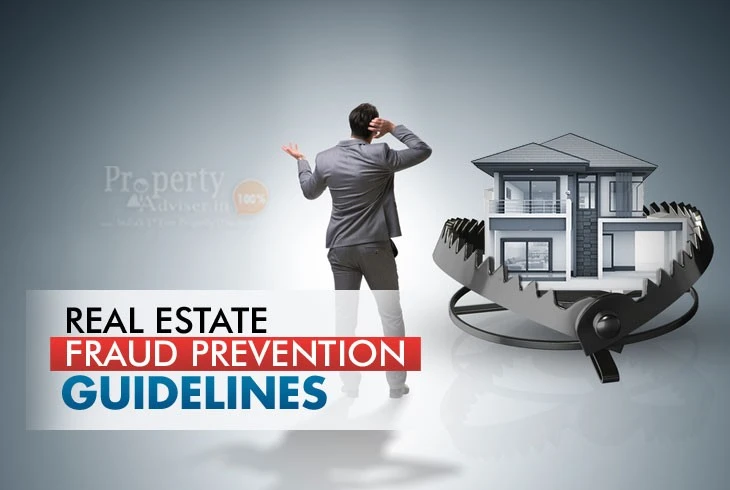
Why Real Estate Fraud Is Growing in India (and Globally)
The Indian real estate market has seen explosive growth over the past decade. The demand for property — including residential homes, investment flats, commercial spaces, and plots of land — is rising sharply due to factors such as urbanization, population growth, rural-to-urban migration, and increasing aspirations for wealth and security. This surge in demand has led to higher transaction volumes, larger investments, and consequently, more opportunities for fraudsters to exploit unsuspecting buyers.
Property-fraud analysts note that many buyers rely solely on “paper checks” like sale deeds or registry documents, assuming that registration alone guarantees legitimacy. However, even registered sale deeds can be fraudulent if underlying documents are forged or ownership is misrepresented. Real estate platforms like Business Today and advisory services such as SquareYards have reported cases where buyers, trusting only basic documentation, have been defrauded by sellers manipulating the property title or chain of ownership.
Several factors make India particularly vulnerable to real estate scams:
- Complex ownership histories: Many properties have multi-generational ownership, multiple heirs, or inherited land. Without careful verification, buyers may inadvertently purchase a property that is subject to unresolved legal claims.
- Power-of-attorney (PoA) misuse: Especially for NRIs, fraudsters may use forged or expired PoA documents to sell property without the true owner’s knowledge.
- Weak record-keeping and inconsistent state-level land registries: In some states, records are outdated, incomplete, or digitized inconsistently, creating loopholes that scammers exploit. Sources like OLX India and Aran Realtors emphasize that these structural gaps significantly increase the risk of fraud.
Additionally, the rise of digital property portals and online listings has expanded the reach of scammers. Fake listings, phantom properties, and pre-launch schemes can now be marketed nationwide or even internationally, making it easier to target remote investors, first-time buyers, and NRIs. Platforms such as Ghar.tv highlight how scammers use glossy online presentations and “too-good-to-be-true” pricing to lure unsuspecting buyers.
Even with robust regulatory frameworks — including state-level real estate laws, mandatory registration, and consumer protection acts — enforcement remains a challenge. Cross-state property disputes, inherited property complexities, and cases involving forged documents often take years to resolve in courts.
In essence, the growth of real estate fraud in India is driven by a combination of high demand, lucrative property values, complex ownership structures, digital reach, and regulatory gaps. This perfect storm creates a fertile ground for fraudsters to operate, making awareness, due diligence, and legal verification absolutely critical for anyone investing in property today.
Most Common Real Estate Scams in India
The Indian real estate sector is booming, but alongside legitimate growth, fraud and scams have also increased. Buyers, investors, and NRIs are often targeted by sophisticated schemes that exploit gaps in documentation, regulation, and buyer awareness. Here are the most common real estate scams in India in 2025 and how they operate:
1. Title Fraud & Fake Ownership
Title fraud occurs when fraudsters sell land or property without actually owning it. Documents may be forged, altered, or manipulated, and buyers often remain unaware until legal disputes arise. Even if the sale deed is registered, the buyer may later find that the seller had no legitimate title to the property.
- This scam disproportionately affects NRIs and absentee owners, who rely on intermediaries or power-of-attorney holders. Scammers may forge PoA documents or impersonate the owner to sell the property without their consent.
- Real estate advisory sources like Aran Realtors and SquareYards report cases where multiple properties were fraudulently sold under forged titles, leading to protracted legal battles.
- Online portals such as OLX India and Ghar.tv warn that these scams often occur in properties that are not actively monitored by the owner.
Red flag: If the seller cannot produce original title deeds or ownership verification, proceed with extreme caution.
2. Multiple-Sale / Duplicate Sale-Deed Fraud
This scam involves the sale of the same property to multiple buyers. Fraudsters provide each buyer with seemingly valid documentation, including sale deeds, receipts, and agreements. Problems surface when buyers attempt to occupy or mortgage the property — resulting in disputes over ownership.
- Often facilitated through incomplete or forged paperwork, or by manipulating property registry records.
- This scam is prevalent in urban areas where demand is high and buyers may not check previous ownership chains thoroughly.
- Sources like SquareYards, Ghar.tv, and Trailblazing Entrepreneur highlight instances where buyers ended up in long and costly court disputes due to duplicate sale deeds.
Red flag: Verify the property’s past ownership and check for multiple encumbrances before finalizing a deal.
3. Builder Fraud & Delayed / Stalled Projects
Many developers take advance payments or booking amounts for under-construction projects but fail to complete the construction on time — or, in worst cases, abandon the project entirely. Funds may be diverted, or construction may stall indefinitely.
- Buyers often continue paying EMIs or installments for properties that may never be delivered.
- This scam is common in smaller cities and Tier-2/3 markets, where regulatory oversight is weaker.
- Sources like OLX India and Adxcorp.in report multiple cases where buyers lost money on unregistered or unapproved projects.
Red flag: Always verify the builder’s credentials, project approvals, RERA registration, and payment-linked milestone clauses.
4. Fake Online Listings & Phantom Properties
With the rise of digital property portals, scammers post attractive property ads — often priced below market — for flats, plots, or commercial spaces that do not exist.
- Buyers are lured into paying advance booking amounts or token payments before realizing that the property is a phantom.
- This scam can target both domestic buyers and NRIs who rely on online listings for remote investment decisions.
- Platforms like Ghar.tv frequently caution buyers against deals that look “too good to be true.”
Red flag: Conduct physical verification and insist on original documentation before making any payment.
5. Power of Attorney (PoA) / Forged Documents Fraud
Scammers exploit forged or expired PoA documents, or fake identity proofs, to impersonate property owners and sell their property without real consent.
- This is especially common for properties owned by NRIs or elderly owners, who may grant PoA to intermediaries or family members.
- Reports from OLX India and Ghar.tv highlight cases where properties were sold using fraudulent PoAs, leaving the real owners unaware until legal action became necessary.
Red flag: Verify PoA authenticity through a notary and ensure any representative is trustworthy.
6. Encumbered / Illegally Zoned / Unapproved Property Sales
Some properties come with hidden legal complications:
- Existing mortgages or unpaid loans
- Boundary disputes with neighbors or government
- Illegal zoning or land-use violations
- Missing building approvals or structural certifications
Purchasing such properties can expose buyers to legal disputes, fines, or even demolition orders. Fraudsters or negligent sellers may deliberately hide these issues to complete the sale. Sources like SquareYards and Aran Realtors emphasize that such encumbrances are often only revealed after due diligence.
Red flag: Always check encumbrance certificates, local municipal approvals, zoning regulations, and any pending litigation before buying a property.
Real‑World Cases & Recent Examples
Real estate scams in India are not just theoretical risks — they are happening daily, often with severe financial consequences for buyers and investors. Recent reports and consumer-protection analyses highlight several patterns of fraud that illustrate how complex and damaging these scams can be.
- Title disputes even after registration: A 2025 investigative report by Business Today revealed instances where buyers, despite registering their sale deeds, received legal notices claiming they did not have a “clear title.” In these cases, siblings or heirs of the original seller had undisclosed ownership claims, which were not reflected in the documents provided to the buyer. Such cases often result in long and costly legal battles, leaving buyers financially and emotionally strained.
- Multiple-sale / duplicate sale-deed fraud: Consumer-protection blogs and real estate advisory platforms like Ghar.tv and Aran Realtors have documented numerous cases where the same apartment, flat, or plot was sold to multiple buyers. Each buyer received seemingly valid sale deeds, but conflicts arose when one tried to occupy, mortgage, or resell the property. These disputes often require prolonged litigation, and many victims struggle to recover their money.
- Stalled or unapproved projects: Another recurring issue involves developers who collect booking amounts or advance payments for under-construction projects but fail to deliver the property on time — or abandon the project entirely. Investigations by Adxcorp.in report that many first-time buyers and NRIs fall victim to such schemes, particularly when projects lack regulatory approvals or are not registered under bodies like RERA. Buyers often pay EMIs or installments while waiting indefinitely for possession.
- Unregistered developers and hidden encumbrances: Across Indian cities, especially in Tier-2 and Tier-3 markets, buyers encounter projects by unregistered developers or properties with hidden legal complications — such as mortgages, pending litigation, zoning issues, or missing municipal approvals. These “legal blind spots” are frequently exploited by fraudsters to complete sales before buyers can verify the legitimacy.
- Impact on NRIs and absentee owners: NRIs often rely on power-of-attorney arrangements or intermediaries to handle property purchases remotely. Fraudsters exploit forged PoA documents or false representations, selling property without the owner’s knowledge. Multiple cases documented by OLX India and Ghar.tv show that even experienced investors can be caught off guard without thorough due diligence.
These examples underscore a stark reality: real estate fraud in India is not a marginal problem; it is widespread and systematic. Thousands of cases go unreported every year, and victims often face prolonged legal challenges, financial loss, and stress. For homebuyers and investors, this highlights the critical importance of thorough due diligence, legal verification, and cautious investment practices before committing money to any property.
Red Flags: How to Spot a Scam Early
Buying property in India requires vigilance. Scammers are increasingly sophisticated, using forged documents, fake listings, and high-pressure tactics to target unsuspecting buyers. Before you sign any agreement or pay money, watch for the following warning signs:
📄 Seller cannot or refuses to show original documents, title deeds, or proof of ownership
One of the earliest red flags is when a seller is unable or unwilling to produce original ownership documents. This includes the title deed, mutation records, or past conveyance documents. Fraudsters often provide photocopies, forged papers, or incomplete documentation. Without verifying the originals, buyers risk investing in a property they do not legally own.
Source: Ghar.tv
🏷️ Property offered at a price significantly below market value
While discounts exist, properties priced 20–30% below comparable market rates often signal potential fraud. Scammers use below-market pricing to lure buyers into quick decisions. If a deal looks too good to be true, it usually is. Always compare with recent transaction data and consult local property experts before committing.
Source: Ghar.tv
🏗️ Under-construction or pre-launch projects with no registered approval
Pre-launch or off-plan properties may be attractive, but check for:
- RERA registration (if applicable)
- Approved building plans and municipal clearances
- Regulatory portal listings
Buying an unregistered or unapproved project exposes you to legal risk, delayed possession, or even project abandonment. Many buyers fall victim because these projects are heavily marketed online but lack formal approvals.
Sources: Maadiveedu Blog, Adxcorp.in
🖼️ Fake or limited photos; avoidance of site visits
Fraudsters often post professional-looking but fake images of properties online. They may avoid site visits, discourage inspections, or insist on quick advance payments. Always visit the property in person (or send a trusted representative) and compare physical reality with listing images.
Source: Ghar.tv
📝 Duplicate or forged documents, inconsistent paperwork
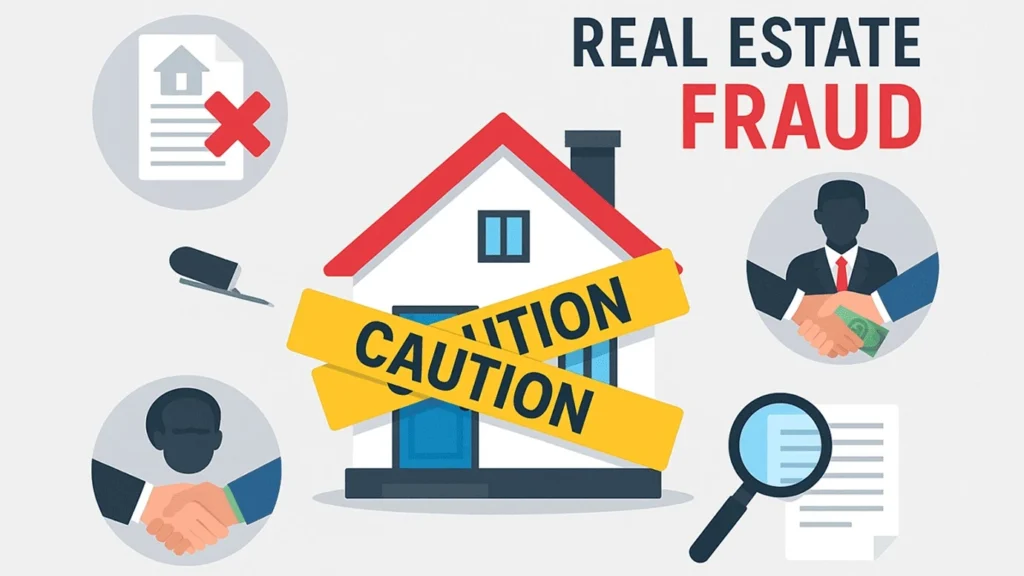
Check carefully for:
- Missing or forged encumbrance certificates
- Incomplete No Objection Certificates (NOCs)
- Discrepancies in approved building plans or other municipal approvals
Even registered sale deeds can be fraudulent if underlying documents are manipulated. Fraudsters often mix legitimate paperwork with fake documents to create a false sense of security.
Sources: Maadiveedu Blog, SquareYards
✍️ High-pressure tactics
Be wary of sellers or brokers using pressure tactics such as:
- “Pay now or lose the deal”
- “Token amount is non-refundable”
- Limited-time offers on pre-launch or off-plan projects
These tactics are designed to force hasty decisions before due diligence can be completed. Never succumb to pressure — legitimate sellers allow time for verification.
Source: Maadiveedu Blog
🧑💼 Pushy or unregistered brokers / agents
Unregistered brokers or agents may:
- Refuse to communicate clearly
- Avoid providing full property details
- Discourage written agreements
Always deal with licensed brokers, registered developers, or verified property representatives. Insist on written agreements and documentation for every step of the transaction.
Source: Maadiveedu Blog
Pro Tip: Combine these red flags with legal verification, site visits, and document checks. If you notice multiple warning signs together, pause the transaction immediately and consult a property lawyer. Early caution can prevent financial loss and legal headaches.
Due Diligence & Protection Checklist (Before Buying)
| Step | What to Do / Verify |
| 1 | Hire a property lawyer / real estate attorney — for title search, review history 20–30 years back. |
| 2 | Check original title documents & ownership history — not just sale deed, but past conveyance, mutation, family tree if inherited, previous owners. |
| 3 | Ensure property is free from encumbrances or legal disputes — check encumbrance certificate, pending loans, court cases, zoning approvals/NOCs. |
| 4 | For under‑construction / off‑plan properties: verify builder credentials & approvals — valid building plan, clearances, RERA registration (if applicable), project approvals. |
| 5 | Avoid paying full amount in advance — pay in installments linked to project milestones / possession. |
| 6 | Insist on proper written agreement mentioning unit number, floor, amenities, handover timelines. |
| 7 | Visit the site in person (or send a trusted representative) before making any payment. |
| 8 | Avoid deals that seem “too good to be true” — suspiciously low prices, heavy discounts, high pressure to close urgently. |
| 9 | Get independent verification or survey if buying older / inherited property — check physical boundaries, past records, land-use approvals. |
| 10 | Avoid dealing with only brokers / middlemen; interact directly with seller/developer or authorized representative. |
What to Do If You Suspect a Fraud or Have Already Been Scammed
Discovering that you may be a victim of real estate fraud can be stressful and overwhelming. Acting quickly and methodically is crucial to minimize financial loss and protect your legal rights. Here’s a step-by-step guide:
1. Stop all further payments and document everything
The moment you suspect fraud:
- Cease any advance payments, installments, or EMIs immediately.
- Collect and preserve all documentation: sale agreements, receipts, bank transfers, emails, WhatsApp messages, screenshots, property listings, and any other correspondence with the seller, broker, or developer.
- Maintaining a well-organized record will strengthen your case with authorities or in court.
2. Engage a lawyer specializing in real estate/property law
- Consult an experienced property lawyer who understands local property regulations, RERA guidelines, and civil/criminal procedures.
- Lawyers can help verify documents, assess legal ownership, detect forged papers, and advise whether you have grounds for civil or criminal action.
- Early legal consultation can prevent costly mistakes, such as inadvertently signing agreements that worsen your liability.
3. File a police complaint for criminal fraud or forgery
- If documents are forged or false representations were made, file a First Information Report (FIR) at your local police station under sections for cheating, fraud, or forgery.
- Provide all documentation and correspondence as evidence.
- Keep a copy of the FIR, as it may be required for legal proceedings, bank claims, or regulatory complaints.
4. Approach regulatory authorities and consumer forums
Depending on the type of scam:
- Builder/developer fraud or stalled projects: File complaints with RERA (Real Estate Regulatory Authority) in your state. RERA mandates project registration, timely delivery, and refunds in case of violation.
- Consumer protection authorities: State consumer forums or the National Consumer Helpline (NCH) can provide avenues for filing complaints seeking compensation.
- Alert other potential buyers: Share verified warnings on online forums, social media groups, and local property associations to prevent others from falling victim.
5. Consider civil legal action
- In many cases, victims pursue civil suits for refund, compensation, or cancellation of agreements.
- Remedies can include recovery of paid amounts, interest, or punitive damages, depending on the severity of fraud and evidence provided.
- Timely action increases the chances of a favorable outcome and may encourage settlement by the developer or seller.
6. Monitor the case and stay proactive
- Regularly follow up with your lawyer, police, and regulatory authorities.
- Keep track of court dates, official notices, and updates from consumer forums.
- Avoid settling matters informally unless fully verified and legally documented, as scammers may exploit informal arrangements to avoid liability.
Pro Tip: Early vigilance, careful documentation, and professional legal assistance significantly improve the chances of recovering funds or safeguarding property rights. Acting quickly is essential — the longer you delay, the more difficult recovery becomes.
Why India Is Particularly Vulnerable & What’s Changing
India’s real estate market presents unique challenges that make it more susceptible to fraud compared to many other countries. At the same time, evolving technology, regulatory reforms, and growing buyer awareness are starting to shift the landscape.
1. Complex land ownership patterns
- Many properties in India have multi-generational ownership, especially in joint families or inherited land. Multiple heirs may have legal claims that are undocumented or unclear, creating loopholes for fraudsters.
- Weak record-keeping across states — especially in rural or Tier-2/3 areas — compounds the problem. Historical disputes, missing mutation records, or inconsistencies in land registries make it easier for scammers to manipulate ownership or sell the same property multiple times.
Source: OLX India
2. Rise of digital property portals & online listings
- Platforms such as 99acres, MagicBricks, OLX India, and Ghar.tv have made property searches easier, but they also create new avenues for fraud.
- Scammers can now reach buyers remotely, post fake listings, use stolen identities, or misrepresent property details without physical verification.
- NRIs and first-time buyers are particularly vulnerable, as they may rely heavily on online portals and images rather than in-person inspections.
3. Growing awareness among buyers
- Increasingly, buyers recognize the importance of title verification, legal due diligence, and risk assessment before purchasing property.
- Some buyers are now opting for title insurance or professional property verification services, which can flag hidden encumbrances, pending disputes, or fraudulent documents.
- Experts and platforms like Business Today recommend deep title verification and legal checks before any transaction, particularly for high-value investments or off-plan properties.
4. Regulatory push and evolving consumer-protection framework
- Laws such as RERA (Real Estate Regulatory Authority), mandatory registration, and consumer-protection provisions are designed to protect buyers.
- RERA ensures developers adhere to project timelines, provide accurate disclosures, and refund buyers in case of delays or violations.
- However, enforcement remains uneven, and fraud persists where regulatory oversight is weak. Combining public vigilance, transparency, and digital record-keeping with regulatory frameworks can significantly deter scams in the long term.
Bottom Line:
India’s vulnerability to real estate fraud stems from a combination of historical land complexities, weak documentation, and rapid digitization. But rising buyer awareness, professional verification services, and regulatory reforms are gradually creating a safer environment. Buyers who leverage these tools and remain vigilant can significantly reduce their risk of falling victim to scams.
FAQs Section
1. Does a registered sale deed guarantee that the property is genuine and fraud‑free?
No. While registration of a sale deed is a legal requirement, it does not automatically ensure that the property is free from fraud. Many registered deeds have underlying issues such as:
- Forged title documents: Scammers sometimes use fake conveyance papers or backdate documents to give a property the appearance of legality.
- Unresolved ownership disputes: Siblings, heirs, or co-owners may have legal claims that are not disclosed during the sale.
- Incorrect or manipulated records: Historical land records may have discrepancies in mutation, encumbrance certificates, or past sale deeds.
Expert Tip: Always combine registration with a deep title verification, checking encumbrance certificates, mutation records, chain of ownership for the past 20–30 years, and confirming authenticity with a licensed property lawyer. Sources: Business Today, OLX India.
2. What is duplicate / multiple-sale deed fraud? How does it happen?
This scam occurs when a single property is fraudulently sold to multiple buyers. Each buyer receives a seemingly legitimate sale deed, often with forged supporting documents. The first buyer to register or occupy may appear secure, while later buyers face disputes and legal complications.
Common methods used by scammers:
- Forging previous sale deeds or tampering with registry records
- Using unverified intermediaries or agents to sell the same property multiple times
- Targeting off-plan or high-demand urban properties where buyers are in a hurry
Consequences: Buyers may spend years in litigation, with legal fees, interest on loans, and emotional stress. Recovery of money is uncertain.
Prevention: Always verify the property’s encumbrance certificate (EC) and past ownership chain. Cross-check with the local sub-registrar office to ensure no prior sales or liens exist. Sources: SquareYards, Ghar.tv.
3. Are under-construction or pre-launch projects riskier than ready-to-move properties?
Generally yes. Off-plan or pre-launch properties are particularly vulnerable to fraud because:
- Developers may collect large booking amounts or advance payments but fail to start construction.
- Some projects operate without RERA registration, municipal approval, or environmental clearance, putting buyers at legal and financial risk.
- Funds may be diverted for other projects or personal use, delaying completion indefinitely.
Practical tips:
- Check RERA registration and review project details on the official portal.
- Inspect building approvals, municipal NOCs, and environmental clearances.
- Pay in installments tied to construction milestones, rather than full upfront payment.
Example: A 2024 report by Adxcorp.in documented several pre-launch residential projects in Tier-2 cities where buyers lost over ₹50 lakh each due to stalled construction.
4. What is power-of-attorney (PoA) fraud?
PoA fraud occurs when scammers forge or misuse PoA documents to impersonate the property owner. Common scenarios include:
- Expired or fake PoA: Fraudsters submit invalid or counterfeit PoA documents to sell property without the owner’s consent.
- NRI properties: NRIs often grant PoA to intermediaries for remote transactions; scammers exploit this by forging documents or bypassing the owner.
- Elderly owners: Unsuspecting senior citizens may grant PoA to relatives or agents, who then sell the property fraudulently.
Warning signs: Quick requests for token payments, resistance to legal verification, or unusual documentation methods.
Prevention: Verify PoA authenticity at a notary, request original owner confirmation, and involve a reliable lawyer for any remote transactions.
5. How can buyers verify the true title of a property?
Verifying property title is critical to avoid fraud. Steps include:
- Encumbrance Certificate (EC): Confirms whether the property has any mortgages, loans, or legal disputes.
- Mutation Records: Shows ownership transfers and property taxes paid.
- Past Sale Deeds: Trace the property’s chain of ownership for at least 20–30 years.
- Court Records: Check for any pending litigation or disputes over the property.
- Professional Verification: Hire a licensed property lawyer or title verification service for detailed checks.
Pro Tip: NRIs or remote buyers should visit in person or appoint a trusted representative for on-ground verification.
6. What documents should a buyer always insist on before paying money?
Always insist on:
- Original title documents and sale deeds
- Encumbrance Certificate (EC)
- No Objection Certificates (NOCs) from local authorities or society
- Approved building plans and RERA registration (if applicable)
- Written agreement detailing property unit, floor, amenities, timelines, and payment schedule
Tip: Never rely solely on photocopies, WhatsApp scans, or verbal assurances.
7. Is paying in installments better than full upfront payment?
Yes. Milestone-based payments reduce risk because:
- If construction stalls, your exposure is limited
- You can withhold payments until approvals, RERA registration, or possession timelines are confirmed
- Installments encourage developer accountability
Expert Advice: Avoid paying full upfront for off-plan projects or unapproved properties.
8. What should NRIs or remote buyers be cautious about?
NRIs often face higher risk because of distance and reliance on intermediaries. Tips include:
- Insist on original documentation and verified PoA
- Hire a local property lawyer or trustworthy representative for in-person checks
- Avoid paying large sums upfront or sending money without verification
- Cross-check property approvals and RERA registration
Example: OLX India reports multiple cases where NRIs lost lakhs to forged PoA property sales.
9. Can you recover money if you are defrauded?
Recovery is possible but challenging and time-consuming:
- File a police FIR for fraud, cheating, or forgery
- Approach RERA, consumer protection forums, or civil courts
- Seek agreement cancellation, refunds, or compensation
Reality Check: Legal proceedings may take months or years. Prevention and due diligence are far more effective than relying on recovery.
10. Is real estate really risky? Should I avoid property investment?
Real estate remains a viable and profitable asset class if approached carefully. Risks exist primarily due to fraud, lack of due diligence, and weak documentation.
Tips for safe investment:
- Verify ownership and approvals thoroughly
- Avoid deals that seem too good to be true
- Pay in milestone-based installments
- Use professional verification and legal guidance
With proper risk management and vigilance, real estate can be a stable, long-term investment.
Summary & Key Takeaways
- Real estate fraud in India is widespread and varied — from forged documents and fake sales to stalled projects and phantom listings.
- Registration alone does not guarantee safety; deep title and legal due diligence is essential.
- Always insist on proper documentation, approvals, written agreements, and avoid pressure‑based or “too good to be true” deals.
- For under‑construction or off‑plan properties, pay in milestones and verify builder credentials and project approvals.
- When in doubt, hire a property lawyer — prevention is far less expensive (in money, time, and stress) than a legal battle later.
Conclusion
Real estate continues to be one of the most attractive and potentially rewarding investments in India, offering long-term wealth creation and financial security. However, the rising incidence of property scams, fraudulent sale deeds, stalled projects, and forged documents has made the market riskier than ever. Buyers, investors, and NRIs must recognize that vigilance, knowledge, and proper due diligence are your strongest tools against fraud.
By approaching property transactions carefully — verifying titles, checking approvals, consulting a trusted lawyer, and documenting every step — you can dramatically reduce the chances of falling victim to scams. Awareness of red flags, understanding common fraud schemes, and leveraging professional verification services are not just precautions; they are essential for protecting your investment and peace of mind.
Take Action Now:
- Stay informed: Subscribe to this blog for the latest property-investment tips, scam alerts, and step-by-step guides.
- Share knowledge: Forward this guide to friends, family, or colleagues who are considering buying property in India — prevention is always better than cure.
- Engage experts: Always consult legal and real estate professionals before making significant financial commitments.
Remember: Smart investment starts with informed decisions. Protect your property, protect your future.
References & Sources
The information in this guide is compiled from credible and up-to-date industry reports, investigative journalism, government sources, and expert analyses:
- Business Today – Investigative reports on property fraud, title disputes, and legal cases in India (2023–2025)
- SquareYards – Real estate advisory insights on duplicate sale deeds, builder fraud, and market trends
- OLX India – Analysis of online property scams, PoA fraud, and fake listings targeting NRIs and urban buyers
- Ghar.tv – Consumer protection alerts, case studies, and practical tips for property verification
- Adxcorp.in – Reports on stalled projects, pre-launch frauds, and developer-related risks
- Maadiveedu Blog – Guidance on red flags, due diligence, and safe investment practices
- RERA Official Portals (State-level Real Estate Regulatory Authority) – Project registration, approvals, and regulatory compliance
- Legal and Government Resources – Indian Registration Act, Consumer Protection Act, and civil/criminal procedures for property disputes
These sources provide verified data, case studies, and expert recommendations that have informed the content of this blog, ensuring it is accurate, actionable, and aligned with 2025 market realities.
