







Estimated Reading Time: 30-35 minutes (6,106 words)
Introduction
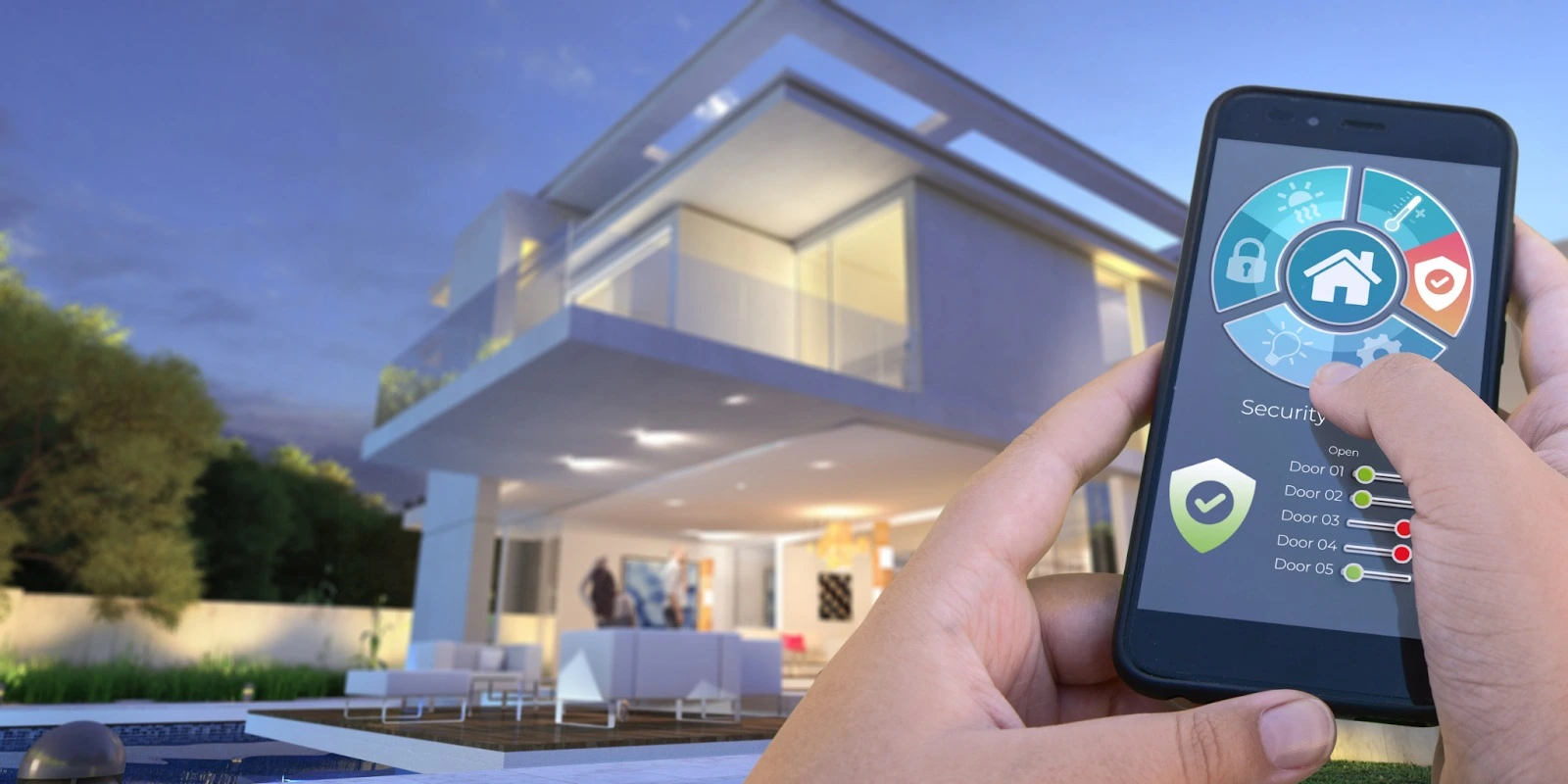
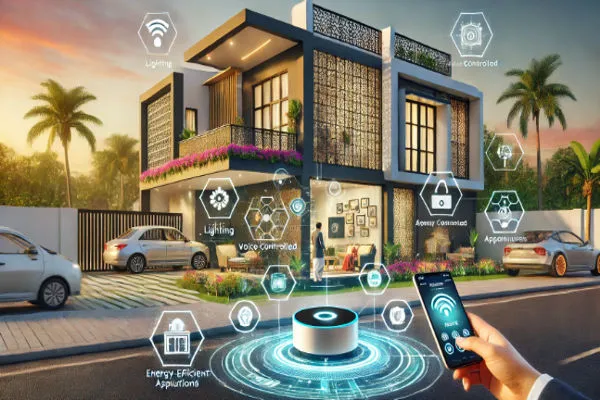
Indian cities are transforming faster than ever, and at the heart of this transformation is the rise of smart homes. What once felt like a luxury for tech enthusiasts has now evolved into a mainstream lifestyle choice across metros like Bengaluru, Mumbai, Delhi NCR, Hyderabad, and Pune. With the growing availability of affordable IoT devices, AI-powered assistants, and app-controlled appliances, urban Indians are shifting toward homes that are not just comfortable—but intelligent, connected, and energy-efficient.
From voice-controlled lighting and smart door locks to AI-driven surveillance cameras, robot vacuum cleaners, and automated AC systems, smart home technology is becoming deeply embedded in everyday living. The push toward remote work, the need for enhanced home security, and the desire for convenience among young working families have accelerated adoption dramatically.
Backed by a projected 20–30% CAGR growth, India is on track to become one of the world’s fastest-expanding smart home markets. Reduced device prices, 5G connectivity, rising apartment culture, and builder-integrated automation are making smart living accessible to a wider audience than ever before.In this comprehensive guide, we explore why smart homes are taking over Indian cities, which categories are seeing the highest adoption, the benefits for homeowners and renters, real cost breakdowns, and what the next decade of Indian smart living will look like.
Smart Home Market Snapshot (India + Global)
🌍 Global Smart Home Market
- The global smart home market is estimated to be USD 85–130 billion (2024–25) depending on the definitions used:
- Hardware-only estimates (sensors, devices, hubs) sit closer to USD ~85B.
- Hardware + software + subscription services (security monitoring, cloud storage, energy analytics) push the number above USD 120B+.
- Hardware-only estimates (sensors, devices, hubs) sit closer to USD ~85B.
- By 2032, the global market is projected to reach USD 350–600 billion, driven by:
- AI-powered automation (predictive energy management, intelligent assistants, home robotics)
- Matter connectivity standard, enabling cross-brand compatibility (Google, Apple, Amazon, Samsung)
- Falling prices of IoT chips, sensors, and Wi-Fi modules
- Growth of edge-computing devices for faster in-home automation
- AI-powered automation (predictive energy management, intelligent assistants, home robotics)
- Key global leaders include Amazon, Google, Samsung SmartThings, Apple HomeKit, Philips Hue, Bosch, and new AI-first entrants like Xiaomi, Aqara, Tuya Smart, and ecobee.
- Fastest-growing regions:
- APAC (25%+ CAGR) — India, China, South Korea
- Middle East — strong adoption in premium housing
- North America still leads revenue share but with slower YoY growth.
- APAC (25%+ CAGR) — India, China, South Korea
🇮🇳 India Smart Home Market
- India’s smart home market is valued at USD ~4–6 billion (2024) depending on whether connected appliances are included.
- Core categories contributing most revenue:
- Smart lighting
- Smart plugs & switches
- Home security & surveillance
- Smart speakers & voice assistants
- Smart ACs, fans & connected appliances
- Smart lighting
- Core categories contributing most revenue:
- By 2030, the market is projected to reach USD 15–33 billion, recording a rapid 20–32% CAGR, making India one of the fastest-growing smart home markets globally.
- Adoption trends in India:
- Pre-COVID adoption: ~4% of urban households
- Post-COVID digital jump: reached 8–10% by 2023, with accelerated growth in:
- Tier-1 metros (Bengaluru, Mumbai, Delhi NCR, Hyderabad, Pune, Chennai)
- New-age townships by developers like Prestige, DLF, Lodha, and Brigade
- NRIs investing in smart-ready homes
- Tier-1 metros (Bengaluru, Mumbai, Delhi NCR, Hyderabad, Pune, Chennai)
- Pre-COVID adoption: ~4% of urban households
- Key accelerators for India:
- Massive adoption of smart speakers like Alexa Echo and Google Nest
- Price drops in Wi-Fi cameras and smart switches (₹999–₹2499 range)
- Rising demand for energy-efficient homes due to higher electricity tariffs
- Integration in real estate pre-fitted homes (developers now offering “smart-ready” apartments)
- Massive adoption of smart speakers like Alexa Echo and Google Nest
- Leading brands shaping the Indian market:
- Wipro Next, Tata Power EZ Home, Qubo, Realme, Xiaomi, Philips, Schneider Electric, Honeywell
- VOICE-first ecosystem driven heavily by Amazon Alexa (market leader) and Google Assistant.
- Wipro Next, Tata Power EZ Home, Qubo, Realme, Xiaomi, Philips, Schneider Electric, Honeywell
Why Indian Cities Are Adopting Smart Homes Faster Than Ever
a) Falling Prices of Smart Devices
- The biggest catalyst behind India’s smart home boom is affordability.
- Smart bulbs that once cost ₹1,500–₹2,000 now start at ₹499–₹799.
- Smart plugs are available for ₹699–₹1,299, making old appliances “smart” without replacement.
- Wi-Fi security cameras from Qubo, Mi, and CP Plus start at ₹1,499–₹2,499, offering full HD, 360° rotation, and AI alerts—features that cost ₹10,000+ just a few years ago.
- Smart bulbs that once cost ₹1,500–₹2,000 now start at ₹499–₹799.
- The rise of Chinese OEMs, Indian brands like Qubo, Wipro, Zebronics, and open IoT platforms like Tuya has made mass manufacturing cheaper.
- On top of this, Amazon and Flipkart festival sales have created seasonal buying spikes where prices drop 30%–60%.
b) Apartment Builders Adding Smart Features
- Real-estate developers in Bengaluru, Pune, Hyderabad, Mumbai, Gurgaon, and even Tier-2 cities like Kochi, Indore, Jaipur now market “Smart-Ready Homes” as a default feature.
- Common pre-installed solutions now include:
- Smart door locks with biometric + keypad access
- Video door phones integrated with mobile apps
- Motion detectors in corridors and balconies
- Smart lighting circuits for living rooms and kitchens
- Energy dashboards that track power usage in real time
- Gas leak and smoke sensors for kitchen safety
- Smart door locks with biometric + keypad access
- For premium projects, builders integrate:
- Centralized app control for all switches
- EV charging points
- Smart metering + automated billing for water/energy
- Centralized app control for all switches
- Developers push these features because:
- They help increase property value by 5%–12%.
- Buyers—especially millennials and NRIs—now see smart tech as a must-have, not a luxury.
- They help increase property value by 5%–12%.
c) 5G & FTTH Broadband Expansion
- India crossed 35+ million FTTH (fiber-to-home) connections and is adding millions more yearly.
- Telecom giants—JioFiber, Airtel Xstream, ACT, and BSNL Bharat Fiber—now offer:
- 300–1000 Mbps plans at affordable rates
- Low-latency networks ideal for automation and security alerts
- 300–1000 Mbps plans at affordable rates
- 5G rollout by Jio and Airtel has accelerated:
- Real-time CCTV access
- Cloud-based AI video processing
- Remote control of home devices while travelling
- Real-time CCTV access
- With networks becoming more stable, smart homes work without the frequent dropouts that used to frustrate early adopters.
d) AI-Driven Lifestyles
- India is becoming a voice-first smart home market, led by:
- Amazon Alexa (market leader)
- Google Assistant
- Siri (HomePod in premium homes)
- Amazon Alexa (market leader)
- AI is shifting Indian smart homes from simple automation to predictive intelligence:
- Cameras that differentiate between family members, pets, and strangers
- ACs that adjust cooling based on usage patterns
- Lighting that learns your schedule and auto-adjusts
- Routines like “Good Morning,” “Movie Time,” “Going Out,” etc.
- Cameras that differentiate between family members, pets, and strangers
- AI is also being embedded into:
- Smart TVs,
- Robot vacuum cleaners,
- Video doorbells,
- Energy management tools,
making them much more intuitive and beginner-friendly.
- Smart TVs,
e) Safety + Convenience Demand
- India’s adoption is largely need-based, not luxury-driven.
- Key demand triggers:
- Two-income households: automation reduces daily chores like switching off lights, locking doors, or managing appliances.
- Child safety: parents rely on indoor/outdoor cameras, smart locks, and real-time alerts.
- Elder-care: fall-detection sensors, panic buttons, and voice assistants help ageing parents live independently.
- Apartment living: high-rise societies prefer video doorbells, smart access control, and central monitoring.
- Two-income households: automation reduces daily chores like switching off lights, locking doors, or managing appliances.
- With rising concerns about security, energy bills, and time-saving, Indian families see smart home tech as a practical upgrade, not just a gadget.
Top Smart Home Devices Indians Are Buying in 2025
1. Smart Security Cameras & Video Doorbells
Smart security is the #1 fastest-growing smart-home category in India.
- Brands like Qubo, CP Plus, Mi, and TP-Link Tapo dominate due to affordable pricing and reliable AI alerts.
- Video doorbells with two-way audio, motion detection, night vision, and package alerts are becoming essential in apartments and gated communities.
- Many families use them for child monitoring, elder safety, domestic help tracking, and delivery verification.
- Cloud storage + AI person detection is a major value-add that improves both safety and convenience.
2. Smart Locks
Smart locks are booming in metros and high-rental cities like Bengaluru, Mumbai, Hyderabad, and Gurgaon.
- Popular models offer fingerprint, keypad, RFID, app-based, and OTP access.
- They solve major Indian pain points:
- Frequent tenant turnover
- Lost keys
- Managing access for housemaids, cooks, and visitors
- Frequent tenant turnover
- Landlords use smart locks for keyless property handovers, while families rely on them for better security + convenience.
- Premium builders are increasingly offering them as pre-installed features in new apartments.
3. Smart ACs & Smart Converters
Energy efficiency is the biggest driver of AC-related smart devices.
- Smart ACs from LG, Samsung, Voltas, Panasonic come with adaptive cooling, energy tracking, and voice control.
- For older ACs, affordable smart AC controllers (by Sensibo, Atomberg, and local brands) turn any split AC into a fully automated smart device.
- Features loved by Indian users:
- Auto temperature adjustment during night
- Geofencing (AC switches on/off when you enter/leave home)
- Power consumption dashboards
- Auto temperature adjustment during night
- Rising electricity bills have made smart AC automation attractive for middle-class households.
4. Smart Lights & Smart Plugs
The most entry-level and widely adopted category.
- Smart bulbs from Wipro, Philips Wiz, Mi, and Syska start at ₹499–₹799.
- Many families begin their smart-home journey with:
- Smart bulbs (color + white variants)
- Smart tubes and panels
- Smart plugs for geysers, kettles, fans, fridges, coolers, lamps, etc.
- Smart bulbs (color + white variants)
- Smart plugs are especially popular because they can convert any old appliance into a remotely controlled smart device.
5. Robot Vacuum Cleaners
A fast-growing category driven by urban lifestyles.
- Popular brands: Eufy, Ecovacs, Xiaomi, iRobot, Dreametech.
- Indian households love them because they handle:
- Daily sweeping
- Mopping (with hybrid mop-vac models)
- Scheduled cleaning routines
- Daily sweeping
- Dual-income families, pet owners, and people living in high-rise flats are primary adopters.
- Many new apartments have a robot-cleaner-friendly layout, enabling smooth navigation.
6. Smart Speakers (Alexa, Google Nest, HomePod)
Smart speakers act as the central hub or “brain” of the smart home.
- They allow hands-free control of lights, plugs, ACs, fans, TVs, and routines.
- Alexa continues to lead in India due to:
- Strong Hindi + Hinglish support
- Compatibility with most Indian smart devices
- Low-cost Echo Dot models
- Strong Hindi + Hinglish support
- Google Nest is preferred by Android-heavy households and smart TV users.
- Premium buyers choose Apple HomePod for privacy, sound quality, and ecosystem integration.
City-Wise Smart Home Adoption in India
1. Bengaluru — India’s Smart Home Capital
Bengaluru leads the smart home revolution and consistently records the highest per-household adoption rate among Indian metros.
- Tech-first population: With a massive base of software engineers, product managers, and early adopters, Bengaluru is the natural leader in IoT and automation usage.
- Smart-enabled apartments: Developers like Prestige, Brigade, Sobha, Puravankara, and Embassy already offer homes with pre-installed smart locks, video door phones, and centralized automation hubs.
- Most-purchased devices:
- Robot vacuum + mopping systems (Ecovacs, Roborock, Xiaomi)
- Fingerprint door locks
- AI CCTV cameras for balconies & entrances
- Smart plugs for geysers (a huge Bengaluru-specific use case)
- Robot vacuum + mopping systems (Ecovacs, Roborock, Xiaomi)
- Why adoption is high:
- Dual-income, time-poor households
- High domestic help dependency → monitoring needs
- IT professionals with high aspirational tech lifestyle
- Heavy pet ownership → cameras + robot vacuums
- Dual-income, time-poor households
- Fun fact: Bengaluru is the #1 city in India for Alexa voice assistant usage, especially in Koramangala, Whitefield, and Indiranagar.
2. Mumbai — Smart Homes for Space Optimization
Mumbai’s smart home adoption is driven by premium apartment living and extreme space constraints.
- High-rise boom: New towers in Lower Parel, Powai, BKC, Thane, and Navi Mumbai come equipped with:
- Smart intercom systems
- App-based visitor management
- Smart elevators and common-area automation
- Smart intercom systems
- Most-purchased devices:
- Robot vacuum cleaners (small homes = high efficiency)
- Smart TV + home entertainment integrations
- Compact smart storage & sensors
- Multi-room smart lights
- Robot vacuum cleaners (small homes = high efficiency)
- Why Mumbai differs:
- High rents → tenants prefer portable smart devices (plugs, bulbs, cameras)
- Busy work schedules → automation boosts convenience
- Better security tech in high-rises → residents add personal smart cameras & locks
- High rents → tenants prefer portable smart devices (plugs, bulbs, cameras)
- Unique Trend: Mumbai apartments often use geo-fencing automation so AC/lights turn off automatically when residents leave.
3. Delhi NCR — Security & Energy Efficiency Lead Adoption
Delhi, Gurgaon, and Noida form a massive smart home cluster with diverse adoption drivers.
- Security is the top priority: Many homes install:
- Outdoor/indoor CCTV systems
- Smart doorbells
- Intelligent alarm systems
- Smart gate sensors
- Outdoor/indoor CCTV systems
- Big consumption of energy-saving tech:
- Smart AC controllers
- Smart fans (Atomberg-led trend)
- Power monitoring plugs
- Smart AC controllers
- Boom in townships: Developers like DLF, M3M, Godrej, and ATS are equipping new properties with centralized automation panels and app-based facility management.
- Most-purchased devices:
- Security cameras (balcony-facing + street-facing)
- Smart thermostats & AC controllers
- Smart switches installed during renovation
- Security cameras (balcony-facing + street-facing)
- Why it’s growing fast:
- High disposable income in Gurgaon
- Safety concerns in standalone homes
- High electricity bills → rise of efficiency tech
- High disposable income in Gurgaon
- Notable Insight: NCR is the #1 market for premium smart locks due to villa-style homes in Gurugram.
4. Hyderabad — Luxury Apartments Driving Demand
Hyderabad’s rapid real estate boom is making it one of India’s top smart home hotspots.
- IT Corridor Demand: Gachibowli, HITEC City, and Kokapet have massive adoption among tech professionals.
- Premium projects: Builders like My Home, Aparna, Ramky, and Prestige offer smart-ready homes with:
- Video door phones
- Smart lights
- App-based home automation hubs
- Video door phones
- Most-purchased devices:
- Smart locks
- Smart speakers
- Curtain automation systems
- Smart door sensors
- Smart locks
- Why adoption is high:
- High percentage of NRI buyers who demand automation
- New constructions with integrated wiring for smart devices
- Younger population with modern lifestyle aspirations
- High percentage of NRI buyers who demand automation
- Unique Trend: Hyderabad has a rising demand for centralized building-level AI security, influencing personal-device adoption as well.
5. Pune — Young Families + Work-From-Home Culture
Pune is one of the fastest-growing mid-tier smart home markets.
- Family-first adoption: Many young families upgrade to smart devices for safety, child monitoring, and ease of living.
- WFH boom: With Pune being a major IT/automotive hub, home-office setups are driving:
- Smart lighting for productivity
- Smart speakers for routines & reminders
- Noise sensors & occupancy sensors
- Smart lighting for productivity
- Most-purchased devices:
- Smart lights (RGB + tunable white)
- Smart plugs (AC, geyser, workstation appliances)
- Entry-level home security cameras
- Smart fans & power-saving devices
- Smart lights (RGB + tunable white)
- Why Pune is unique:
- Large number of independent homes & row houses → DIY smart switches
- Growing villa-township culture in Hinjewadi, Baner, Viman Nagar
- High awareness through tech communities & startups
- Large number of independent homes & row houses → DIY smart switches
- Interesting Trend: Pune is becoming a hub for DIY smart home hobbyists, using platforms like Tuya, Home Assistant, and Zigbee hubs.
AI + Voice Assistants: The Tech Running Indian Smart Homes
AI-driven voice assistants have become the central nervous system of Indian smart homes. What began as simple “music players” is now the primary interface for controlling lighting, security, appliances, and full-home routines. For millions of Indian households, AI assistants have effectively replaced traditional remote controls and even wall switches.
Why AI Assistants Are Now the Heart of Smart Homes
- They enable hands-free control, perfect for kitchens, busy households, and multitasking environments.
- They integrate with hundreds of Indian smart devices, from bulbs to water pumps to robot vacuums.
- They support Hindi + Hinglish + regional languages, removing language barriers.
- They learn user habits using AI, enabling predictive automation, such as adjusting AC temperatures or switching off lights when the house is empty.
- They act as a family command center—setting reminders, alarms, routines, timers, cooking instructions, and more.
Most Used Voice Assistants in Indian Homes
1. Amazon Alexa (Market Leader)
Alexa dominates the Indian market because of:
- Strong support for Hindi, Hinglish, and common Indian phrases
- Vast compatibility with local brands: Wipro, Qubo, Syska, Mi, Atomberg
- Affordable entry-level devices like Echo Dot (₹2,499–₹3,999 during sales)
- Deep integrations with Fire TV, music apps, and home security
Alexa is the default choice for most first-time smart home buyers.
2. Google Assistant
Google Assistant is extremely popular in:
- Android-heavy households
- Homes using Google Nest displays
- Users with Chromecast or Google TV setups
Advantages:
- Best search-based responses
- Strong integration with YouTube, Android, Google Photos
- More natural language processing (NLP) understanding
Google Assistant also powers many “silent” devices such as TVs, smart ACs, and built-in appliance AI.
3. Apple HomeKit (Premium Segment)
HomeKit adoption is rising in:
- High-income households
- Users with multiple Apple devices (iPhone + iPad + HomePod)
- Premium apartments with pre-installed automation panels
Benefits:
- Best-in-class privacy & security
- Seamless integration with Apple ecosystem
- Ultra-stable automation routines
Though expensive, HomeKit is preferred by users who want high-quality, privacy-focused automation.
Top AI Voice Commands Used in Indian Homes
Data from Amazon + Google suggests these are the most frequently used smart home commands in India.
Smart Appliances
- “Alexa, turn on/off the AC.”
- “Alexa, set the AC to 24 degrees.”
- “OK Google, start the fan at speed 3.”
Smart Lights
- “Alexa, turn on the bedroom lights.”
- “Alexa, dim the lights to 30%.”
- “OK Google, set the lights to warm white.”
Home Security
- “Alexa, show me the front door camera.”
- “OK Google, is the main door locked?”
- “Alexa, turn on away mode.”
Routines & Automation
- “Alexa, good morning” → lights on + geyser on + news briefing
- “Alexa, goodnight” → lights off + AC set + door locked
- “OK Google, I’m leaving” → all appliances powered down
Lifestyle & Convenience
- “Alexa, set a 10-minute timer for pasta.”
- “Alexa, add milk to my shopping list.”
- “OK Google, play devotional music.”
- “Alexa, what’s the weather like today?”
How AI Makes Smart Homes Smarter
AI assistants in 2025 do far more than follow commands—they make decisions using:
- Machine learning → learning user habits
- Context awareness → time of day, temperature, occupancy
- Sensor data → motion, door sensors, electricity usage
- Predictive automation → adjusting devices without commands
Examples:
- Lights turning off automatically when no motion is detected
- AC temperature adjusting based on weather
- Cameras notifying only when a human is detected (not pets)
- Routines launching based on voice, presence, or Wi-Fi connectivity
Smart Home Security: India’s Fastest-Growing Segment
Smart home security has become the #1 fastest-growing smart-home category in India, outpacing lighting, appliances, and even smart speakers. As Indian cities become more urbanized and families grow busier, security has evolved from a “good-to-have” feature to a daily necessity.
According to industry estimates (Statista, ET Tech, Counterpoint Research), India’s smart security market is expected to cross ₹5,000–₹20,000 crore by 2028, with 25–35% CAGR, making it one of the most lucrative segments for device makers and real estate developers.
Why Smart Security Is Becoming Critical in Indian Homes
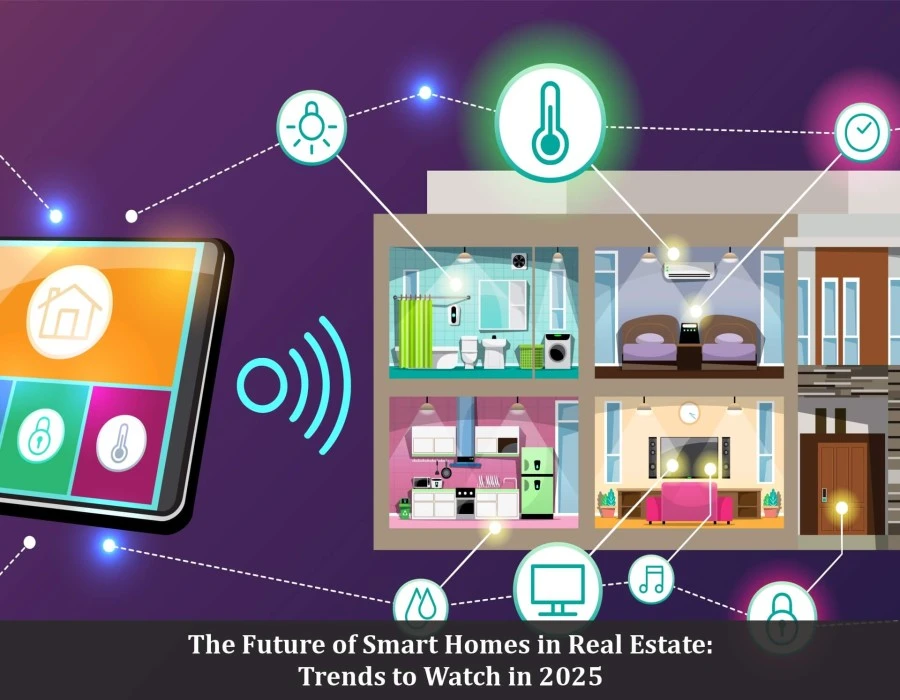
1. Working Couples & Busy Lifestyles
India’s urban workforce—especially in metros like Bengaluru, Mumbai, and Gurgaon—consists largely of dual-income households.
Smart security fills key gaps:
- Monitoring home when both partners are away
- Tracking domestic help activity
- Doorbell alerts for deliveries
- Instant notifications for visitors, motion, or unknown faces
AI cameras and video doorbells offer peace of mind without needing 24/7 manual supervision.
2. Elderly Parents Living Alone
India has over 138 million elderly citizens (Government of India data), and many live alone or with minimal support.
Smart security helps in:
- Fall detection (on premium cameras)
- Real-time alerts to children living in other cities
- Monitoring movement for safety
- Audio/video check-ins without disturbing them
Children working abroad rely heavily on cloud-connected smart cameras for daily monitoring.
3. Rise of High-Rise Apartments & Gated Communities
Modern high-rise living creates both security highs and security gaps.
- While communities have guard monitoring and visitor logs, individual units still face risks:
- Door-to-door salespeople
- Unknown delivery visitors
- Service workers entering the building
- Door-to-door salespeople
- Residents install smart cameras and doorbells for extra visibility of what’s happening outside their own unit.
Builders in cities like Hyderabad, Noida, and Pune now include smart intercoms + in-unit video door phones as part of their premium packages.
4. Increased Crime Awareness & Safety Sensitivity
Urban India is becoming more conscious of:
- Package thefts
- Harassment or stalking incidents in apartment corridors
- Domestic help disputes
- Break-ins in low-security apartments
WhatsApp society groups and social media amplify incidents, driving demand for:
- Outdoor-facing cameras
- Smart locks
- Intrusion sensors
- Door/window contact sensors
AI cameras’ person detection technology helps reduce false alerts, making them reliable for 24/7 monitoring.
Most Popular Smart Security Products in India (2025)
1. Smart Video Doorbells
These are now standard in many new apartments.
Key reasons for popularity:
- See & talk to visitors from anywhere
- Delivery verification
- Real-time motion detection
- Cloud storage of visitor footage
- Battery or wired models available
Top brands: Qubo, Ring, CP Plus, TP-Link, Xiaomi.
2. CCTV Cameras with AI Motion Detection
Indoor + outdoor cameras are used for:
- Monitoring children
- Keeping an eye on pets
- Watching entrances, balconies, and corridors
- Tracking house help
- Elderly supervision
- Night-time security
AI features include:
- Human-only alerts
- Line-crossing detection
- Face recognition (premium)
- Cloud or SD card recording
Price range: ₹1,499 to ₹7,999.
3. Smart Locks
A fast-growing category for urban homes and rentals.
Features include:
- Fingerprint access
- Passcode access
- OTP guest entry
- Anti-tamper alarms
- Auto-locking
- App logs for who entered & when
Popular brands: Yale, Qubo, Samsung, Godrej, Kaadas, Lavna.
Use cases:
- Landlords in Bengaluru/Gurgaon
- New apartments
- Elderly-friendly homes
- AirBnB homes
- Rental hostels and PGs
4. Intruder & Motion Sensors
These are used for:
- Balcony doors
- Ground-floor windows
- Main gates
- Storerooms and office rooms
- Night security automation
When motion is detected, sensors trigger:
- Alarms
- Lights
- App notifications
- Camera activation
Sensor-based security is growing due to affordability (₹299–₹1,199 range).
Why Smart Security Is Growing Faster Than Any Other Segment
Summary of core drivers:
| Driver | Why It Matters |
| Urban lifestyles | People spend more time outside home; need remote monitoring. |
| Safety concerns | Crimes, disputes, and package theft increase sensitivity. |
| Rise of nuclear families | Less dependency on full-time domestic help. |
| Tech affordability | Cameras under ₹1,500 have made smart security accessible. |
| Real estate integration | Builders include security devices as standard features. |
| AI improvements | Human detection eliminates false alarms. |
Smart security has moved from a luxury to a necessity—especially in India’s fast-growing apartment-based living model.
Energy Savings & Smart Appliances: The Real Money-Saver for Indian Households
In major Indian metros like Bengaluru, Mumbai, Delhi NCR, and Hyderabad, monthly electricity bills often range between ₹2,000–₹8,000, especially during summers when AC usage spikes. This rising cost has made energy-efficient smart appliances one of the strongest adoption drivers in the Indian smart home market.
How Smart Devices Cut Electricity Bills
Smart home appliances optimize power consumption using automation, scheduling, AI-based usage patterns, and remote controls. Here’s a deeper breakdown:
🔹 1. Smart AC Controllers & Smart Air Conditioners
- Reduce AC consumption by 15–25%.
- Use AI temperature learning to adjust cooling based on:
- Room occupancy
- Outdoor temperature
- Time of day
- Your usage habits
- Room occupancy
- Features include:
- Auto switch-off after the room cools
- Geofencing (AC turns off when you leave the house)
- Weekly scheduling to avoid unnecessary usage
- Auto switch-off after the room cools
- Popular brands: Sensibo, Atomberg, Panasonic AI AC, LG ThinQ AC
🔹 2. Smart Lighting (LEDs, Motion Sensors, Smart Switches)
- Cuts lighting costs by 10–30%, especially in large homes and high-use rooms.
- Smart LEDs consume 80–90% less electricity than CFLs.
- Motion sensors reduce wastage in:
- Bathrooms
- Corridors
- Balconies
- Parking spaces
- Bathrooms
- Smart dimming adjusts brightness based on natural light levels.
🔹 3. Smart Plugs & Energy Monitors
- Reduce phantom load by 5–8%, a major hidden cost in Indian homes.
- Track real-time energy consumption of:
- Geysers
- Refrigerators
- Washing machines
- Water purifiers
- Geysers
- Auto cut-off protects appliances from voltage fluctuations (common in many cities).
🔹 4. Solar + Smart Home Integration
Increasingly popular in Bengaluru, Pune, and tier-2 cities.
Smart energy controllers:
- Switch appliances to solar power when sufficient energy is available
- Shift heavy-load tasks (washing machine, dishwasher) to solar hours
- Reduce dependency on the grid
🔹 5. Smart Fans & Inverter Appliances
Indian households are adopting IoT-enabled ceiling fans and “invertor technology” appliances for:
- 30–50% lower power consumption
- Remote voice control
- Automated performance based on heat levels
- Ultra-efficient BLDC motors (Atomberg, Orient, Crompton)
Why Energy-Saving Smart Devices Are Exploding in India
- Rising power tariffs in metros
- Work-from-home lifestyles increasing daily electricity usage
- Government focus on energy conservation (EESL, UJALA)
- Awareness via YouTube tech influencers
- Solar adoption in gated communities
The Bottom Line
Smart appliances are not just “tech upgrades”—they offer tangible monthly savings. For most households, the ROI kicks in within 6–18 months, making energy-efficient smart devices one of the strongest drivers of smart home adoption across India.
Costs: How Much Does a Smart Home Setup Cost in India?
Smart home costs in India vary widely depending on house size, brand choice, automation depth, and whether it’s retrofitted or builder-installed. Below is a detailed breakdown that reflects realistic 2025 pricing, popular product categories, and what homeowners typically get at each budget level.
🔹 A. Starter Smart Home Setup (₹3,000 – ₹10,000)
Perfect for beginners, renters, bachelors, students, and anyone who wants basic convenience without rewiring.
Most products here are plug-and-play and work with Wi-Fi or Bluetooth.
What This Budget Covers
- Smart Bulbs (₹300–₹700 each)
- 16M color LEDs
- App control + voice control
- Automation options like schedules, scenes
- Popular brands: Wipro, Philips Wiz, Syska
- 16M color LEDs
- Smart Plugs (₹600–₹1,200 each)
- Turn ordinary appliances into smart devices
- Control geysers, kettles, lamps, mosquito bats, TVs
- Energy monitoring on some models
- Turn ordinary appliances into smart devices
- Basic Voice Assistant (₹2,500–₹4,500)
- Amazon Echo Dot / Google Nest Mini
- Acts as the central hub for your smart home
- Handles music, automation routines, reminders, security alerts
- Amazon Echo Dot / Google Nest Mini
What You Can Do at This Level
- Control lights using Alexa/Google
- Set timers for geysers
- Automate AC on/off using smart plug (basic)
- Remotely control appliances while outside
- Create basic morning/night routines
Ideal for 1BHK apartments, hostels, small rooms.
🔹 B. Mid-Range Smart Home Setup (₹20,000 – ₹60,000)
This is where Indian homes move from “cool” to “practical”.
Most families, couples, and new apartment owners fall into this bracket.
Core Components Included
- Smart Door Locks (₹8,000 – ₹25,000)
- Fingerprint, PIN, OTP, RFID, mobile app
- Auto-lock and break-in alerts
- Popular brands: Yale, Godrej, Qubo, Samsung
- Fingerprint, PIN, OTP, RFID, mobile app
- Smart Cameras (₹2,000 – ₹6,000 per camera)
- 360° rotation
- AI motion detection
- Night vision
- Cloud storage options
- Works well for kids, pets, and elderly monitoring
- 360° rotation
- Light Automation (₹4,000 – ₹15,000)
- Smart switches (2/4/6-module)
- Scene-based lighting (movie mode, dinner mode)
- Motion sensors for corridors and bathrooms
- Smart switches (2/4/6-module)
- Smart AC Converters (₹2,500 – ₹6,000)
- AI-based temperature control
- Auto-off when room cools
- Supports scheduling + geofencing
- AI-based temperature control
- Wi-Fi Mesh System (₹5,000 – ₹12,000) [Optional]
- Recommended in 2BHK+ homes
- Ensures seamless connectivity for all devices
- Recommended in 2BHK+ homes
What You Can Do at This Level
- Secure your home with remote live camera access
- Lock/unlock doors via mobile
- Automate entire lighting setup for each room
- Reduce AC electricity usage significantly
- Create routines like “Goodnight” → turns off all lights & locks doors
Great for couples, families, and modern apartments.
🔹 C. Full Home Automation Setup (₹1.5 – ₹5 Lakhs)
This is a premium, builder-level, or luxury retrofit setup, usually chosen by villa owners, new 3BHK/4BHK apartments, and people who want complete hands-free automation.
What This Budget Covers
- Entire Lighting Automation (₹50,000 – ₹2 lakhs)
- Smart switches for every room
- Dimmable + RGB lighting zones
- Central control panel
- Wired/wireless hybrid systems (Schneider, Legrand, Philips Hue)
- Smart switches for every room
- Smart Kitchen Appliances (₹20,000 – ₹1 lakh+)
- Smart refrigerators
- IoT microwaves, water purifiers
- Voice-controlled chimneys
- Smart induction stoves and dishwashers
- Smart refrigerators
- Multi-Room Sensors (₹20,000 – ₹60,000)
- Motion sensors
- Smart thermostats
- Gas leak detectors
- Water leak sensors
- Temperature & humidity sensors
- Motion sensors
- Advanced Security Systems (₹50,000 – ₹2 lakhs)
- Doorbell cameras
- Multi-zone CCTV network
- Smart locks for every door
- Intruder sensors + sirens
- Fire/smoke detection system
- Doorbell cameras
- Energy Management Dashboard (₹30,000 – ₹1 lakh)
- Complete home energy monitoring
- Solar integration
- AI-driven power optimization
- Appliance-wise consumption breakdown
- Complete home energy monitoring
- Full Voice + App Integration
- Whole-home Alexa/Google system
- Central home hub
- Touch-screen wall displays
- Whole-home Alexa/Google system
What You Can Do at This Level
- Control your entire home via voice
- Automatically adjust temperature, humidity, and lighting
- Monitor security across floors/rooms
- Manage power consumption room-by-room
- Get AI alerts for leaks, gas, intruders, or unusual energy spikes
Perfect for luxury homes, villas, premium apartments, and high-end interior projects.
🔍 Summary: What Budget Fits You?
| Setup Level | Budget | Suitable For | Key Features |
| Starter | ₹3,000–₹10,000 | Renters, beginners | Bulbs, plugs, basic voice assistant |
| Mid-Range | ₹20,000–₹60,000 | Families, new homeowners | Cameras, locks, automation, AC control |
| Full Automation | ₹1.5–₹5 lakhs | Villas, luxury apartments | Whole-home automation, sensors, dashboards |
Case Studies
Case Study 1: Bengaluru
A two-working-professionals household used:
- Robot vacuum
- Smart locks
- AC automation
Saved: ~₹1,200/month in electricity.
Case Study 2: Mumbai
A family in a gated high-rise installed:
- AI doorbell
- Smart motion sensors
Result: 40% reduction in false alarms + better child monitoring.
Challenges & Concerns
While smart homes are growing rapidly in Indian cities, several real-world concerns still slow down adoption—especially for families, renters, and first-time buyers. Below is an expanded analysis of the biggest challenges:
1. Privacy & Data Security Concerns
Smart devices collect a huge amount of data:
- Camera footage
- Voice recordings
- Home activity patterns
- Device usage history
- Wi-Fi network details
This raises concerns about:
- Unauthorized access or hacking
- Companies storing or misusing personal data
- Third-party apps tracking user behaviour
- Cloud dependency for sensitive footage
Indian consumers, especially in metros, are becoming more aware of data privacy laws, but the market still lacks strong local regulations.
2. Compatibility Issues Between Devices
One of the biggest frustrations for users is the lack of universal compatibility.
Examples:
- A smart lock may work only with Alexa but not Google
- Some cameras don’t support Apple HomeKit
- Smart switches may not integrate with older wiring
- Different brands require separate apps
This leads to a fragmented experience and discourages full-home adoption.
However:
The launch of the Matter standard is beginning to solve this problem by making devices from different brands work together smoothly on a shared protocol.
3. Device Longevity & Repairability
Smart devices don’t last as long as traditional appliances.
Common issues include:
- Wi-Fi chips failing
- Firmware updates slowing devices
- Battery degradation in locks & sensors
- Lack of spare parts or local service centres
- Device becoming “obsolete” due to discontinued software
Many Indian buyers hesitate because they are unsure if the device will work reliably for 5–10 years, especially at higher price points.
4. Heavy Dependence on Internet & Wi-Fi Quality
Most Indian smart homes still rely on Wi-Fi.
Problems faced include:
- Router signal not reaching all rooms
- Internet downtime affecting device control
- Latency issues in remote commands
- Cameras going offline frequently
In many apartments, especially older buildings, thick walls or poor router placement cause inconsistent connectivity.
Mesh Wi-Fi systems help—but add additional cost.
5. High Taxes & Import Duties on IoT Products
A significant portion of smart home hardware is imported.
This leads to:
- 18%–28% GST
- High customs duty
- Additional brand markup
As a result:
- A ₹3,000 device abroad may sell for ₹7,000–₹10,000 in India
- Premium brands like Nest, Arlo, and Ring become too expensive
- Local brands struggle with component costs
This pricing barrier limits adoption in Tier 2–3 cities.
6. Fear of Technology Complexity
Many Indian households—especially with elders—worry about:
- Too many apps
- Setup difficulty
- Devices malfunctioning
- Children messing up settings
- Dependence on tech for basic home tasks
This “tech fatigue” makes some Indians opt for minimal automation rather than full smart homes.
7. Reliability of Power Supply
In many cities, power cuts still occur.
Smart devices behave unpredictably when:
- Power cycles frequently
- Routers reboot
- Inverters don’t support high load
This affects cameras, smart switches, and Wi-Fi hubs more than traditional devices.
Interoperability Improvements Are Coming
Despite all these challenges, the introduction of Matter—a universal IoT standard backed by Apple, Amazon, Google, and Samsung—is solving key problems like:
- Device compatibility
- Multi-platform control
- Seamless onboarding
- Reduced app fragmentation
- More reliable connectivity
Over the next 2–3 years, Matter-enabled devices will significantly improve the Indian smart home experience.
FAQs Section
1. Are smart homes worth it in India?
Yes. Even a basic setup delivers immediate benefits across:
- Security (AI cameras, video doorbells, smart locks)
- Convenience (voice control, app control, routines)
- Energy savings (smart AC controllers, automated lighting)
- Lifestyle upgrades (robot vacuums, smart speakers)
For working couples, young families, and apartment residents in cities like Bengaluru, Mumbai, Hyderabad, and Delhi NCR, the value proposition is extremely strong.
2. Do smart devices work during internet outages?
Partially.
- Devices like smart lights, switches, and sensors can still work locally on Bluetooth or Zigbee.
- But cameras, video doorbells, and remote app control need active internet to stream footage or send alerts.
- Voice assistants like Alexa/Google need internet to interpret commands.
Tip:
A dual-band router + UPS for router reduces downtime significantly.
3. How much does a full smart home cost in India?
A complete setup depends on home size and the number of devices:
| Setup Type | Cost Range | What It Includes |
| Basic | ₹3,000–₹10,000 | Smart bulbs, plugs, basic automation, entry-level speaker |
| Mid-range | ₹20,000–₹60,000 | Smart locks, cameras, AC controller, sensors |
| Full automation | ₹1.5–₹5 lakhs | Smart lighting, multi-room sensors, energy dashboard, premium cameras, complete home security |
Luxury villas and high-end apartments can exceed ₹10+ lakhs depending on customization.
4. Can renters install smart devices in India?
Yes, absolutely.
Renters prefer non-invasive, removable devices, such as:
- Smart plugs
- Color-changing smart bulbs
- Standalone cameras
- Smart speakers
- Smart locks with no-door-drilling options
- Portable video doorbells
These can be carried when shifting to a new apartment.
5. Which city has the highest smart home adoption in India?
Bengaluru leads the country with the highest adoption due to:
- Tech-savvy workforce
- Higher disposable incomes
- Builder-ready smart home packages
- High density of rental apartments
Mumbai, Hyderabad, Pune, and Delhi NCR follow closely.
6. Are smart locks safe and reliable?
Yes — if you choose reputable brands.
Modern smart locks come with:
- AES-256 encryption
- Anti-tamper alarms
- OTP-based guest access
- Auto-locking
- Door status monitoring
- Multiple unlock modes (fingerprint, PIN, app, NFC, mechanical key for backup)
Top safe brands: Godrej, Qubo, Yale, Philips, Samsung, August.
7. Does a smart home increase property value?
Yes, especially in metros and luxury housing.
Smart-home-enabled properties:
- Sell at a 3–7% higher premium
- Rent faster in high-demand markets
- Appeal to NRIs, tech workers, and young families
- Reduce vacancy time for landlords
Builders are increasingly marketing “Tech-Enabled Homes” as a USP.
8. Which smart home brands are most trusted in India?
Based on popularity, reliability, and after-sales support:
- Google Nest – Ecosystem & simplicity
- Amazon Echo/Alexa – Smart speakers, automation
- Xiaomi (Mi Home) – Budget-friendly IoT devices
- Philips Hue – Premium lighting
- Qubo (Hero Electronix) – Indian, strong in cameras & locks
- Godrej – Trusted brand for smart locks & security
- Wipro, Zebronics, Realme – Affordable smart accessories
For high-end automation: Schneider, Crestron, Legrand, Oakter.
9. Can I automate my AC in India?
Yes — without replacing the AC.
You can use smart AC controllers (₹1,500–₹3,000) from brands like Sensibo, Qubo, or Atomberg.
Features include:
- Auto temperature optimization
- Geofencing (AC turns off when you leave home)
- Energy monitoring
- Schedules & routines
- Voice control via Alexa/Google
This alone saves 15–25% on cooling bills annually.
10. What is the Matter standard?
Matter is a new global smart home standard backed by Apple, Google, Amazon, and Samsung.
It ensures that devices from different brands:
- Work together seamlessly
- Have faster setup
- Require fewer apps
- Are more secure
- Stay compatible for years
Think of it as the “USB standard” for smart home devices.
11. What is the ROI (Return on Investment) for smart home upgrades?
Most users recover their investment within 1–2 years due to:
- Lower AC usage (15–25% savings)
- Lower lighting bills (10–30% savings)
- Reduced “phantom load” from appliances (5–8% savings)
- Better home security reducing insurance or theft losses
- Higher property value for owners
Plus, the convenience and safety benefits are priceless for many families.
12. Do smart homes require rewiring?
Not usually.
Most devices — plugs, bulbs, cameras, sensors — work on existing wiring.
Only full automation setups (₹1.5L+) need:
- Smart switches
- Multi-room hubs
- Concealed wiring adjustments
Apartment renters rarely need rewiring.
13. Can elderly people use smart home devices easily?
Yes — with simplified setups.
Elders benefit from:
- Voice-controlled lights & fans
- Video doorbells for safety
- Panic buttons & sensors
- Auto-lock doors
- Routine-based lighting (great for mobility issues)
Voice assistants are especially helpful for seniors who avoid phone apps.
14. How long do smart home devices last?
On average:
- Smart bulbs: 3–5 years
- Smart cameras: 4–6 years
- Smart speakers: 5–7 years
- Smart locks: 3–5 years (depends on battery)
- Sensors: 2–4 years
Premium brands last longer and receive regular software updates.
15. Are smart cameras legal in India?
Yes — for personal use inside or outside your home.
You cannot install cameras:
- Pointing directly into neighbor balconies
- Inside servants’ rooms or private spaces without consent
Always check RWA rules in gated societies.
Summary
1. Smart homes are becoming mainstream in India due to affordability, AI, and digital lifestyles.
Falling prices of IoT devices, AI-powered automation, and widespread smartphone penetration have made smart homes accessible to middle-class and upper-middle-class families. What was once a luxury feature is now a practical upgrade for convenience, safety, and energy savings.
2. Urban tech-driven cities are leading India’s nationwide adoption curve.
Bengaluru, Mumbai, Delhi NCR, Hyderabad, and Pune dominate smart home demand thanks to their tech-savvy populations, large rental markets, and new-age apartment projects that come pre-equipped with smart locks, sensors, and video doorbells. Builder-driven automation is accelerating adoption even faster.
3. Security is the fastest-growing segment, making cameras and smart locks the top sellers.
AI-enabled CCTV cameras, video doorbells, and smart locks are seeing explosive demand among working couples, parents, and residents of high-rise apartments. Real-time alerts, remote monitoring, and two-way communication make them essential rather than optional.
4. Energy savings and automation are key drivers for families dealing with high electricity bills.
Smart AC controllers, automated lighting, and power-usage dashboards can reduce monthly electricity bills by 10–25%, making them popular in metros where AC and appliance usage is high. This cost-saving factor is pushing mass adoption more than any other benefit.
5. Smart home ecosystems are becoming more reliable due to 5G, FTTH broadband, and standards like Matter.
Faster internet and high-quality fibre networks ensure stable device connectivity, while the Matter standard is finally solving compatibility issues between brands. This will make India’s next generation of smart homes far more seamless and future-proof.
6. By 2035, smart home technology will be present in a majority of urban Indian households.
With a projected CAGR of 20–30% and increasing integration by builders, most urban apartments will come with built-in smart features within the next decade. Smart homes will shift from “optional upgrades” to a default expectation for middle-class and affluent homebuyers.
Conclusion
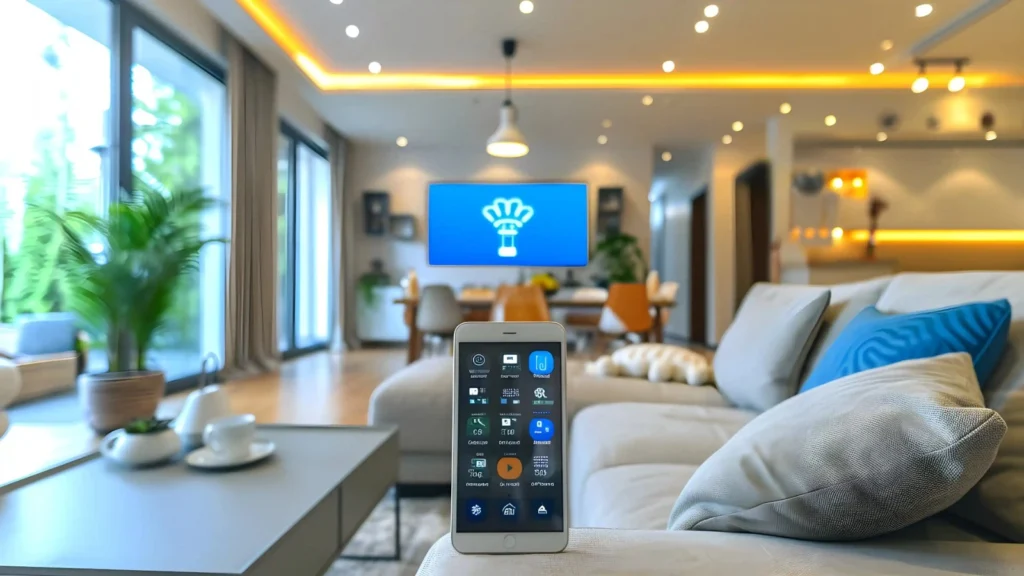
Smart homes are no longer a futuristic concept—they’ve become an everyday reality for urban India. What started as a niche trend among early adopters is now reshaping how millions of Indians live, work, and secure their homes. With AI-driven cameras, voice-controlled appliances, automated lighting, and energy-saving systems becoming more affordable, smart living is quickly moving from a luxury to a practical necessity.
Stronger connectivity through 5G and fibre broadband, along with India’s rising digital-first lifestyle, is accelerating this shift. Families are prioritizing safety, convenience, and lower electricity bills, and smart home ecosystems deliver all three. As builders integrate automation into new apartments and IoT standards like Matter improve device compatibility, the overall experience will become even more seamless.
The next decade will redefine Indian homes—transforming them into intelligent, connected spaces that learn from our habits, enhance our comfort, and make everyday life simpler and more secure. Smart homes aren’t just the future of Indian cities—they’re quickly becoming the new normal.
References & Sources
- Mordor Intelligence: https://www.mordorintelligence.com
- Grand View Research: https://www.grandviewresearch.com
- IMARC Group: https://www.imarcgroup.com
- SNS Insider: https://www.globenewswire.com
- Future Market Insights: https://www.futuremarketinsights.com
- Statista: https://www.statista.com
- BMTPC (Government of India): https://www.bmtpc.org
