






Estimated Reading Time: 23-27 minutes (4,710 words)
Introduction
Free online learning exploded after 2020 as students, job-seekers, and professionals worldwide turned to digital platforms for education. By 2025, the landscape has grown so massive—millions of courses, thousands of platforms, and endless certifications—that it has become overwhelming for most learners. Everyone promises “job-ready skills,” “AI-powered learning,” and “industry-validated certificates,” but the reality is that not all platforms are created equal. The challenge isn’t finding a free course anymore… it’s finding free courses that actually deliver value, match real-world employer needs, and align with career outcomes.
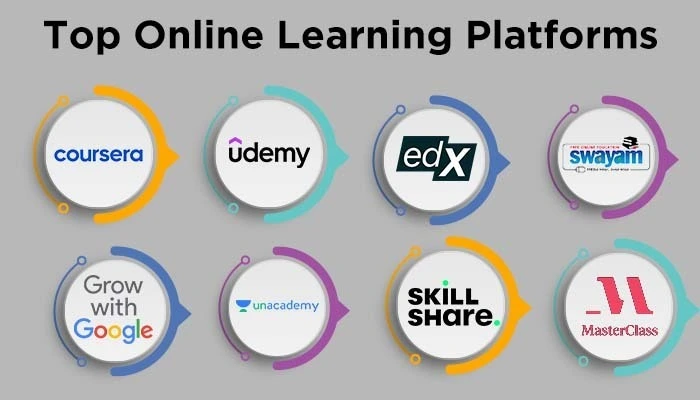
For Indian learners in particular, the problem is even sharper. With intense competition, rising demand for tech and digital skills, and growing expectations from recruiters, learners can’t afford to waste time on low-quality or outdated content. Many rely on free platforms to avoid high-priced bootcamps or degrees—but end up confused about which ones provide credible credentials, which ones offer job-market relevance, and which ones truly help them build a strong portfolio. And with global platforms like Coursera, edX, and Google now competing with India’s own SWAYAM, NPTEL, and YouTube channels, the choices can feel endless.
This guide cuts through that noise. Using the latest market data, platform growth trends, employer acceptance patterns, and hands-on learning outcomes, we’ve curated the best free learning platforms to use in 2025—with a special focus on what works for Indian learners. Whether you’re a student preparing for placements, a working professional upskilling for a better job, or a beginner exploring career options in AI, cloud, finance, or digital marketing, this guide will show you how to choose the right platform, how to use free learning strategically, and how to convert learning into real-world opportunities, certificates, and jobs.
2025 Market Snapshot — Global + India (Key Numbers)
Global EdTech spend & digital scale:
By 2025, total global education and training expenditure is projected to reach $7.3–$7.6 trillion, with digital learning securing an increasingly large share of this pie. While K-12 and higher education still dominate overall spend, online learning, MOOCs, microcredentials, and corporate upskilling form the fastest-growing segments. The trend is being accelerated by workforce automation, remote-first knowledge work, and the global shift toward skills-first hiring, making free learning platforms a legitimate part of mainstream education.
MOOC ecosystem & platform reach:
The MOOC ecosystem continues to expand at record velocity. Platforms like Coursera, edX, FutureLearn, Udacity, LinkedIn Learning (free pathways), Khan Academy, and others collectively host hundreds of millions of learners worldwide. Coursera alone reported 160M+ registered learners in 2024, adding millions each quarter. According to Class Central’s annual MOOC report, global enrollment across the major platforms has crossed 250–300 million cumulative learners, with millions joining new free courses every month. This signals that free learning is no longer supplemental—it’s a global education norm.
India’s booming EdTech landscape:
India remains one of the world’s fastest-growing online learning markets. Multiple industry reports (IBEF, Redseer, HolonIQ) project aggressive expansion through 2030, driven by a young workforce, affordability gaps in formal education, and rising demand for digital skills. Government-backed platforms such as SWAYAM and NPTEL now operate at massive scale, each recording millions of enrollments per semester in 2024–2025. These platforms offer IIT-crafted courses for free, further democratizing credible learning across India’s Tier II and Tier III cities.
Category demand (what people are learning for free):
In 2025, the hottest categories for free online learning are:
- AI & Machine Learning
- Data Analytics
- Cloud Computing (AWS, Azure, GCP)
- Cybersecurity
- Digital Marketing & Growth
- Software Development (Python, Web Dev, DevOps)
These categories align directly with employer trends: skills-based hiring, role-based learning paths, and microcredentials that signal proficiency without requiring traditional degrees.
Quick interpretation:
Free learning platforms have evolved from “extra resources” into core global upskilling infrastructure. They fuel talent pipelines for companies, support government-backed educational initiatives, and empower millions to access employer-recognized microcredentials without financial barriers. In 2025, free learning is not just convenient—it’s strategic, career-shaping, and globally scalable.
How We Chose Platforms (Methodology)
To create a reliable list of the best free learning platforms in 2025, we used a structured evaluation framework grounded in measurable data, platform capabilities, and learner outcomes. Each platform was scored across multiple criteria to ensure we included only those that genuinely provide high-quality, career-relevant, and accessible free learning.
✔ 1. Accessibility & Cost Transparency
We prioritized platforms that offer:
- Free audit or full-access options without mandatory payment
- Zero-cost certificates or scholarship-based credentials (where applicable)
- Open course libraries not locked behind paywalls
- Mobile-friendly access, especially relevant for India’s high mobile-learning population
Platforms that required upfront payment or offered only limited-time free trials scored lower.
✔ 2. Learner Reach, Adoption & Growth
We analyzed publicly reported numbers such as:
- Total registered users
- Annual enrollment growth
- Course completion trends
- Industry penetration (schools, companies, government partnerships)
Platforms with strong global and India-specific adoption—such as Coursera, SWAYAM, and Google’s Skill Platforms—ranked higher because they demonstrate proven trust and large-scale impact.
✔ 3. Credential Value & Employer Recognition
A key factor was whether certificates from the platform are:
- Recognized by top employers, especially in tech, data, and digital roles
- Linked to accredited universities or industry leaders (IITs, MIT, Google, Meta, AWS, etc.)
- Accepted within professional hiring ecosystems, including LinkedIn Skills Verification and job portals
- Supported by microcredential pathways like Coursera’s Professional Certificates or edX’s MicroBachelors
Platforms with credentials that improve employability or support career transitions scored highest.
✔ 4. Course Breadth, Depth & Hands-On Learning
We evaluated:
- Number of free courses available
- Coverage across in-demand fields (AI, cloud, data, cybersecurity, business, digital marketing, soft skills)
- Presence of hands-on labs, projects, GitHub integration, sandbox environments, and case studies
- Quality of instructors (industry, university, or certified trainers)
Platforms that combine theory + practical learning got top marks.
✔ 5. Localization, Languages & Mobile-First Experience
Since a major share of learners in India consume content via mobile, we assessed:
- App quality, offline download support, low-bandwidth performance
- Availability of courses in regional languages (Hindi, Tamil, Telugu, Bengali, Marathi)
- Support for captions, transcripts, and multilingual interfaces
- Integration with government or university learning systems
Platforms that prioritized multilingual and mobile-first learning ranked higher for India-focused readers.
✔ 6. Source Validation & Data Inputs
All platform insights were cross-verified using:
- Official platform websites
- Class Central analysis and annual MOOC reports
- HolonIQ EdTech market intelligence
- IBEF (India Brand Equity Foundation) EdTech landscape reports
- Government and academic reports from NPTEL, SWAYAM, and AICTE
- Verified news releases and 2024–2025 platform updates
This ensures the recommendations are fresh, evidence-backed, and aligned with real user value.
The Best Free Learning Platforms in 2025 (Top 12 — Detailed Summary + Why They Rank Here)
All platforms listed below offer 100% free learning paths, either through free audit, free certificates, or open-access course libraries. These recommendations are based on global usage, India-specific adoption, employer recognition, and 2025 skill demand (AI, Data, Cloud, Cybersecurity, Digital Marketing, Business, and Soft Skills).
1. Coursera — Best for University-Backed, Career-Focused Learning
Free Path: Audit mode (videos + readings), 100% free courses, financial aid for certificates.
Why It Ranks #1:
- One of the largest MOOC platforms globally with 160M+ learners (2024).
- Partnerships with leading universities (Yale, Michigan, Stanford, IITs) and companies (Google, Meta, IBM).
- World-class free content in AI, Data Science, Cloud, Cybersecurity, Digital Marketing, Business.
- Career Certificates from Google/IBM/Meta are highly valued by employers.
- Many “professional tracks” include hands-on labs, capstone projects, and job-ready skills.
Best For: Freshers, upskillers, working professionals aiming for global-standard certification.
2. edX — Best for Academic Rigor & University-Level Depth
Free Path: Audit courses for free; pay only for certificates.
Why It Stands Out:
- Founded by MIT and Harvard — strong academic credibility.
- Offers MicroMasters, MicroBachelors, and pathway credits to actual degrees.
- Ideal for deep learning in Computer Science, Engineering, Mathematics, Public Policy, Sciences.
- Free audit access retains full lectures, readings, and assignments (graded work requires payment).
- Strong reputation among researchers, graduate school applicants, and tech learners.
Best For: Learners who want academic-depth courses similar to university programs.
3. Khan Academy — Best for Foundational Skills (Fully Free)
Free Path: Everything is permanently free.
Why It’s Essential:
- Global non-profit with millions of daily users; relied upon by schools worldwide.
- Covers K-12 Math, Science, English, Economics, SAT prep, logical reasoning, and early programming.
- Adaptive quizzes and mastery-based learning ensure strong fundamentals.
- Ideal for Indian school students (Class 6–12) and adults brushing up basics for competitive exams.
Best For: School learners, beginners, teachers, parents, and competitive exam aspirants.
4. freeCodeCamp — Best for Practical Coding + Free Certificates
Free Path: All courses, projects, and certifications are 100% free.
Why Developers Love It:
- Project-based curriculum that includes Responsive Web Design, JavaScript, Data Structures, Python, Machine Learning, APIs, etc.
- Entirely free certificates with the requirement to build 5–6 real projects per track.
- Highly respected among developers, especially beginners and self-taught coders.
- Active forum, GitHub community, and thousands of code challenges.
Best For: Tech aspirants, portfolio building, entry-level software careers.
5. Google Career Certificates & Google Learn — Best for Job-Focused Digital Skills
Free Path: Google Learn is free; many Career Certificate videos available free via Coursera audit.
Why It’s High-Impact:
- Industry-validated programs in IT Support, Data Analytics, UX Design, Digital Marketing, Project Management, Cybersecurity.
- Strong employer network — recognized by thousands of hiring partners.
- India-focused initiatives with Skill India, NASSCOM, and apprenticeship-style programs.
- Short, job-oriented curriculum ideal for freshers.
Best For: First job seekers, career switchers, digital-first roles.
6. SWAYAM (Government of India) — Best for Indian Students, Govt Exams & UGC Credibility
Free Path: All courses are free; optional proctored certification fee.
Why It’s Crucial in India:
- India’s official MOOC platform backed by MHRD, UGC, AICTE.
- Provides courses from IITs, IIMs, IGNOU, AICTE institutions.
- Credits from SWAYAM courses are accepted in many universities under CBCS.
- Strong adoption: millions of enrollments per semester across engineering, humanities, commerce, and vocational subjects.
Best For: College students, govt-exam aspirants, teachers, lifelong learners.
7. NPTEL — Best for Engineering & Technical Rigor (IIT-Backed)
Free Path: Full access to videos & materials for free; nominal fee for exam certificate.
Why It’s Preferred by Engineers:
- Instructor-led courses from IITs and IISc.
- Strong reputation in CS, Electrical, Mechanical, Civil, AI, ML, Data Science, Maths.
- Massive YouTube presence — millions use it for competitive exams like GATE, PSU exams.
- Certificates add weight for engineering jobs and academic applications.
Best For: BTech students, engineering professionals, research aspirants.
8. Udemy — Best for Practical Short Courses & Niche Skill Learning
Free Path: Thousands of free courses; frequent ₹389–₹499 sales.
Why It Helps Learners:
- Covers extremely niche tools (Figma, Excel, AI tools, automation), soft skills, and micro-skills.
- Community-driven teaching enables up-to-date, practical content.
- Good for quick learning sprints and tool-based mastery.
Best For: Busy professionals who want short, actionable tutorials.
9. YouTube Learning — Best for Free, Fast, Visual Learning
Free Path: 100% free, unlimited access.
Why It’s Indispensable:
- Largest global free learning ecosystem with infinite tutorials.
- Indian creators offer content in Hindi, Tamil, Telugu, Marathi, Bengali, Kannada.
- Great for:
- Programming walk-throughs
- Interview preparation
- Exam prep
- Language learning
- Creative skills (editing, design, music, animation)
- Programming walk-throughs
- Perfect for mobile-first users and low-data regions.
Best For: Visual learners, regional language learners.
10. Alison — Best for Soft Skills & Workplace Training (Free-to-Learn)
Free Path: Courses are free; certificates/diplomas optional.
Why It’s Popular:
- Strong reputation for business, HR, management, communication, workplace safety, and soft skills courses.
- Used by many working professionals aiming to upskill quickly.
- Great for building general professional competencies.
Best For: Job seekers, office professionals, freshers.
11. Codecademy (Free Tier) — Best for Interactive Coding Practice
Free Path: Basic courses free; Pro tier optional.
Why It’s Useful:
- Interactive browser-based coding environment.
- Step-by-step guidance for Python, JavaScript, SQL, Java, HTML/CSS, AI basics.
- Ideal for absolute beginners who need structure and practice.
Best For: New coders who learn best through guided exercises.
12. OpenCourseWare (MIT, Stanford, Yale) — Best for Deep Self-Study
Free Path: 100% free access to course materials.
Why It’s High-Value:
- Offers full lecture notes, assignments, readings from top universities.
- Rigorous academic content ideal for advanced learners.
- Great resource for STEM, humanities, business, and research skills.
Best For: Self-directed learners, researchers, high achievers.
Which Platform Is Best for You? (By Goal, Skill Level & Learner Type)
Choosing the right free learning platform depends on your career goals, learning style, internet access, and existing skill levels. Below is a detailed breakdown designed to help different types of learners identify the ideal platform in 2025.
📌 1. For K–12 Students & Foundational Learning
Best Platforms: Khan Academy, YouTube Learning, NCERT/CBSE channels, Byju’s Free Lessons (limited)
Why These Work Best:
- Khan Academy offers structured, mastery-based learning in Math, Science, English, Economics, Coding.
- Highly recommended for Classes 6–12, SAT prep, and foundational clarity.
- YouTube Learning helps with quick concept revision, exam tricks, solved board papers, and regional-language explanations.
- Great for parents/teachers wanting supplemental education at no cost.
Ideal For:
- School learners (India + worldwide)
- Students preparing for exams (CBSE, ICSE, State Boards)
- Kids needing personalized, bite-sized instruction
📌 2. For Entry-Level Tech Jobs / Bootcamp Alternatives
Best Platforms: Google Career Certificates, freeCodeCamp, Coursera Career Tracks, Codecademy (free tier)
Why These Are Best:
- Google’s IT, Cybersecurity, Data Analytics, UX Design programs are employer-backed, making them ideal for first job seekers.
- freeCodeCamp provides project-based coding, real portfolio projects, and free certificates highly valued in developer circles.
- Coursera Career Tracks combine beginner-friendly content, hands-on labs, capstones, and industry-recognized credentials.
- Codecademy gives structured interactive practice for absolute beginners.
Ideal For:
- Fresh graduates
- Career switchers
- Self-taught coders preparing for internships
- Learners without access to paid bootcamps
📌 3. For University-Level Theory, Academic Rigor & Research Skills
Best Platforms: edX (audit), Coursera (audit), MIT OpenCourseWare, Stanford Online, NPTEL (India)
Why These Lead the Category:
- edX and Coursera offer free access to university content from MIT, Harvard, Stanford, IITs, and more.
- Courses include theory-heavy subjects like algorithms, advanced mathematics, economics, physics, AI foundations, humanities, policy studies.
- MIT OCW and Stanford Online offer lecture notes, assignments, and readings free for self-study.
- NPTEL offers IIT-expert-led engineering, science, and technical courses with strong academic depth.
Ideal For:
- Students preparing for research, graduate programs (M.Tech/MS/PhD)
- Competitive exam aspirants (GATE, CAT, GRE, UPSC subjects)
- Lifelong learners who want academically rigorous content
📌 4. For Professional Micro-Skills (Marketing, Cloud, Productivity, Business)
Best Platforms:
- Coursera (Google Cloud, AWS, Meta, HubSpot courses)
- edX short professional courses
- Udemy (free + discounted courses)
- Alison (workplace soft skills)
Why These Are Perfect:
- Coursera & edX offer short, employer-recognized micro-courses in Digital Marketing, Cloud Computing, Agile, PM, Sales, AI Tools, Excel, Business Analytics.
- Udemy provides extremely practical, tool-based micro-courses such as:
- Canva design
- Excel automation
- ChatGPT/AI tools
- Power BI
- Cybersecurity basics
- Canva design
- Alison covers soft skills, communication, leadership, and HR — critical for workplace performance.
Ideal For:
- Working professionals
- Managers, marketers, analysts
- People needing fast, career-relevant upskilling
- Learners preparing for promotions or role-switching
📌 5. For Regional-Language Learning & Low-Bandwidth Users
Best Platforms: YouTube Learning, SWAYAM (regional courses), DIKSHA, State EdTech Channels
Why These Shine in India:
- YouTube has massive content libraries in Hindi, Tamil, Telugu, Bengali, Marathi, Kannada, Malayalam, Gujarati.
- SWAYAM hosts regional-language courses from government institutes, universities, and state education bodies.
- DIKSHA provides K–12 content mapped to the national and state curricula in 30+ languages.
- YouTube also works well on patchy internet, supports offline downloads, and compresses video for low-data users.
Ideal For:
- Learners in rural or low-bandwidth regions
- Students preferring local-language explanations
- Parents, teachers, and state board students
- Adult learners who need simple, relatable content
📌 6. For Self-Directed, Motivated, Highly Independent Learners
Best Platforms: MIT OCW, Stanford Online, freeCodeCamp, NPTEL, edX audit
Why:
- Unlimited, self-paced access to advanced academic content
- Perfect for people who love exploring topics deeply without hand-holding
- Ideal for building deep conceptual understanding or exploring interdisciplinary areas like:
- AI + ethics
- Quantum computing
- Advanced economics
- Complex algorithms
- Engineering specializations
- AI + ethics
Ideal For:
- High achievers
- Research-oriented students
- People preparing for higher studies or competitive exams
📌 7. For Portfolio Building (Coding, Data, Design, Video Editing)
Best Platforms: freeCodeCamp, Kaggle Learn, YouTube Learning, Coursera hands-on labs
Why:
- freeCodeCamp requires real project submissions → GitHub-ready portfolios.
- Kaggle Learn offers micro-courses in Python, ML, Data Vis, Pandas, SQL with hands-on notebooks.
- YouTube tutorials help build design, animation, video editing, music production, 3D modelling portfolios.
- Coursera’s project-based courses (guided projects) offer fast 2–3 hour builds for LinkedIn.
Ideal For:
- Freshers
- Freelancers
- Job seekers needing tangible proof of skill
How to Convert Free Learning Into a Job in 2025 — A Full Step-by-Step Roadmap (Highly Actionable)
Free courses alone don’t get you hired. Projects, proof-of-skill, and targeted applications do.
This roadmap shows exactly how to turn free learning into a real job — whether you’re aiming for tech, business, creative, or freelance roles.
🔹 Step 1 — Start With a Job Outcome, Not a Course
Before choosing any platform, define a clear career target such as:
- “Data Analyst at a mid-size tech company”
- “Entry-level Frontend Developer”
- “Digital Marketing Associate at an agency”
- “Cloud Support Engineer (AWS/Azure)”
Why this matters:
- Courses only give knowledge. Jobs require skills + portfolio + signal of intent.
- A fixed outcome prevents random learning and helps you build the exact skill stack employers expect.
Pro Tip: Search LinkedIn Jobs, Naukri, Indeed for the role you want → save 10 job descriptions.
🔹 Step 2 — Extract Required Skills From Job Descriptions
Create a simple list of tools, tasks, and must-have skills.
Example for a Data Analyst role:
- Tools: Excel, SQL, Python, Power BI / Tableau
- Tasks: data cleaning, dashboards, reporting
- Soft skills: communication, problem-solving
Example for a Frontend Developer:
- Tools: HTML, CSS, JavaScript, React
- Tasks: build UI, optimize pages, deploy to GitHub/Netlify
- Extras: Git, APIs, responsive design
This becomes your skill roadmap.
🔹 Step 3 — Build a 3-Course Learning Stack (Free + Effective)
To avoid overwhelm, follow the 3-course stack method:
1) Foundation Course
Choose one deep foundational course from:
- Coursera audit (Google, IBM, University courses)
- edX audit (CS50, MIT intro courses)
- freeCodeCamp basics
Goal: understand basics and key concepts.
2) Project-Based Course
Hands-on learning is essential. Choose a build-focused course:
- freeCodeCamp projects
- Coursera “Guided Projects”
- Kaggle Learn (data science)
- YouTube practical builds
- Udemy free tool-specific courses
Goal: produce actual work you can show.
3) Interview Prep Course
Prepare for interviews with:
- YouTube interview playlists
- freeCodeCamp interview prep
- YouTube mock interviews
- LeetCode/SQL/DSA for tech roles
Goal: understand how to explain your skills to employers.
This simple 3-step structure prevents burnout and builds confidence.
🔹 Step 4 — Build 2–3 Portfolio Projects (Mandatory for Hiring)
Employers trust work, not certificates.
Build at least two strong portfolio projects, even if simple.
Examples:
Data Analyst:
- Sales dashboard in Power BI
- Company KPI analysis using SQL + Python
Frontend Developer:
- Responsive website (HTML/CSS/JS)
- React-based portfolio app
Digital Marketer:
- SEO audit + ranking plan
- Google Ads mock campaign
Cloud Engineer:
- EC2 deployment project
- S3 static website hosting
Where to Deploy:
- GitHub (for code)
- Portfolio website (Netlify, GitHub Pages)
- Kaggle (data notebooks)
- Behance/Dribbble (design projects)
This is what turns learning into employability.
🔹 Step 5 — Earn At Least 1 Employer-Backed Credential (Optional but Powerful)
Free learning is excellent — but one industry-recognized certificate boosts credibility.
Best free/low-cost credentials:
- Google Career Certificates
- IBM Data/AI Certificates
- Meta Frontend/Marketing Certificates
- AWS Cloud Practitioner (free prep; exam paid)
- Microsoft Learn badges
If you can’t pay, Google and Coursera offer Financial Aid.
🔹 Step 6 — Clean Up Your LinkedIn Profile (Huge Impact)
LinkedIn now shows “Learning Activity” from Coursera, edX, etc.
Use it to highlight your commitment.
Checklist:
- Add Projects (very important)
- Update Headline with target role
- Add Skills from job descriptions
- Share progress posts (“Built this dashboard today…”)
- Follow companies you want to work for
Recruiters prefer learners with skill proof + activity.
🔹 Step 7 — Apply Strategically (Quality > Quantity)
Do NOT send 100 generic CVs.
Follow a 5-targeted-applications-per-week strategy.
How to apply effectively:
- Create tailored resumes for each role (match skills with JD).
- Add project links (GitHub, portfolio site).
- Use action verbs: built, analyzed, designed, automated, optimized.
- Write a 3-line personalized message when applying.
Where to apply:
- LinkedIn Jobs
- Naukri
- Wellfound (startups)
- Internshala (freshers)
- Company career pages
🔹 Step 8 — Use Networking & Signals to Boost Your Visibility
Tools: LinkedIn, GitHub, Kaggle, Reddit, Discord communities.
Do this weekly:
- Comment on 3 industry posts
- Share one project or learning update
- Connect with hiring managers or juniors from target companies
- Ask for informational chats (not job requests)
This builds social proof — extremely important today.
🔹 Step 9 — Prepare for Interviews With Role-Specific Prep
Use free resources:
- YouTube mock interviews (company-specific)
- LeetCode (coding roles)
- SQLBolt + HackerRank (data roles)
- Google DSA guide
- STAR method for behavioral questions
Practice explaining:
- Why this project?
- What problem did it solve?
- What tools did you use?
- What did you learn?
🔹 Step 10 — Track Progress (Simple Weekly System)
Maintain a simple tracker:
- Courses completed
- Projects built
- Applications sent
- Responses received
- Skills learned
- Interview prep done
A consistent 8–10-week effort is enough for most entry roles.
FAQs Section
1. Are completely free certificates available in 2025?
Yes — but with conditions.
Most major platforms (Coursera, edX, Udemy, Google) operate on a freemium model where learning is free but certificates are paid. However, free certificate opportunities still exist through:
- Promotional campaigns (Class Central tracks temporary free-certificate offers)
- Government programs (India’s SWAYAM/NASSCOM occasionally provide subsidized or fully free certifications)
- Platform financial aid (Coursera/edX offer needs-based aid for certificates)
- Skill-development schemes by state governments in India (Digital India, PMKVY-linked programs)
Free certificates are therefore possible, but require tracking offers or applying for aid.
(Source inspiration: Class Central)
2. Is SWAYAM recognized by Indian employers?
Absolutely.
SWAYAM is India’s official MOOC platform, backed by the Ministry of Education and delivered by premier institutions (IITs, IIMs, IGNOU). It’s recognized for:
- Public sector roles (helps in UGC credit transfer)
- Academic credit in many universities
- Resume validation, especially if you opt for the proctored exam certificate
For students, freshers, and working professionals, SWAYAM is a credible way to demonstrate structured learning.
(Source inspiration: SWAYAM portal)
3. Which free platform is best for AI and data in 2025?
It depends on your learning style:
- Coursera → Best mix of industry-aligned AI/Data programs (Google, IBM, DeepLearning.AI). Audit is free; projects require upgrades.
- edX → University-level academic rigor (MIT, Harvard, IIT partnerships). Excellent for foundations in statistics, ML, and research-driven learning.
- FreeCodeCamp → 100% free coding + data analysis with Python, machine learning basics, projects and portfolio work.
- NPTEL → Deep theory (Data Science, ML, AI, Neural Networks). Great for engineering-style conceptual understanding.
Best practice for 2025:
Combine theory (NPTEL/edX) + projects (FreeCodeCamp) + employer-backed credential (Google/IBM via Coursera).
(Source inspiration: Class Central)
4. Can I get a job with only free courses?
Yes — if you take a portfolio-first approach.
Employers in 2025 prioritize skills + evidence of work over certificates. To be job-ready with free learning:
- Build 2–3 portfolio projects (GitHub, Kaggle, personal website)
- Practice real interview questions (LeetCode, YouTube, GitHub practices)
- Show execution ability, not just course completion
- Add relevant keywords to your resume (ATS-friendly)
Paid certificates can accelerate visibility, but they are not mandatory for skill-based jobs like design, development, editing, digital marketing, analytics, cloud, etc.
5. Which platform has the best local-language support for India?
Three platforms lead in 2025:
- YouTube Learning → Largest collection of Hindi, Tamil, Telugu, Malayalam, Kannada, Bengali tutorials. Perfect for beginners and low-bandwidth users.
- SWAYAM → Government-backed multilingual content; growing regional-library support.
- NPTEL → Engineering/science courses with multilingual subtitles & translated transcripts.
For exam prep or foundational learning, YouTube + SWAYAM is unbeatable.
6. Are MOOCs credible in 2025?
More than ever.
MOOCs (Massive Open Online Courses) have moved from “side learning” to mainstream professional upskilling thanks to:
- Partnerships with top universities and Fortune 500 companies
- Career-track programs (Google, IBM, Meta, AWS, Microsoft)
- Employer acceptance of portfolio-based job screening
- Integration with university credit systems
In tech, cloud, AI, business, and design roles, MOOCs are not just credible — they’re industry-standard.
(Source inspiration: Class Central Reports)
7. How do free learning platforms make money?
Their business model is freemium. Revenue streams include:
- Paid certificates (the main driver)
- Subscription models (Coursera Plus, edX Plus, Udemy Personal Plan)
- Online degrees (high-value university programs)
- Enterprise training (B2B LMS partnerships)
- Hiring partnerships with companies
- Sponsored courses (tech companies push adoption of their tools)
Free learning is the top of the funnel; revenue comes later.
(Source inspiration: Investopedia business models)
8. Best approach for lazy or inconsistent learners?
A simple, psychology-backed strategy works:
- Pick one micro-course (1–4 weeks) with a clear endpoint
- Prefer project-based courses — they’re more engaging
- Use Pomodoro + habit stacking to stay consistent
- Publish progress on LinkedIn/GitHub for accountability
- Avoid enrolling in multiple courses; focus on one outcome
Momentum matters more than motivation.
9. Are there scholarships or financial aid options for paid certificates?
Yes — several credible ones:
- Coursera Financial Aid (standardized application; approval in 2–7 days)
- edX Assistance Program
- Google Career Certificate scholarships (via local partners)
- Government-sponsored skilling schemes (India’s NSDC, PMKVY, state digital skilling missions)
- University-led fee waivers for degree-linked MOOCs
Smart learners combine free audits with selective financial aid for key credentials.
10. What are the best free resources to learn coding in 2025?
The strongest free coding ecosystem includes:
- FreeCodeCamp → Full-stack curriculum + portfolio projects
- Khan Academy → Beginner-friendly basics
- Codecademy Free Tier → Interactive browser coding
- YouTube Tech Creators → Real-world tutorials (React, ML, Python, Data)
- GitHub → Hands-on version control, open-source contributions
Tip: Combine a curriculum (FreeCodeCamp) with real projects (YouTube tutorials + GitHub).
11. How do I verify a free certificate’s credibility?
Check these indicators:
- Issuing authority: University, IIT, major tech company?
- Industry recognition: Mentioned by employers or used in hiring pipelines?
- Project-based structure: Does the certificate require graded assignments?
- Proctored verification: SWAYAM, NPTEL, and some Google/Microsoft programs use secure exams.
- Accreditation: University partners, government bodies, or company-authorized credentials.
If a certificate lacks partner credibility or practical assessments, employers may ignore it.
Summary
- Free learning platforms in 2025 are more mature, structured, and employer-recognized than ever before.
MOOCs now feature university partnerships, tech-company credentials, and structured career paths. Platforms like Coursera, edX, and Google Learn have shifted from “extra learning” to mainstream pathways for real-world jobs, especially in tech, analytics, and business. - For Indian learners, SWAYAM and NPTEL remain irreplaceable pillars of free education.
Unlike private platforms, they’re backed by the Government of India and top institutions (IITs, IIMs, IGNOU). Their content is credible, exam-ready, and accepted for academic credits, government exams, and professional upskilling, making them essential for budget-conscious students. - Free courses work best when paired with hands-on projects and practical portfolios.
Recruiters in 2025 look for execution ability—not just certificates. Completing two or three strong GitHub projects, case studies, or deployed apps from platforms like FreeCodeCamp, Coursera Projects, or YouTube tutorials drastically boosts hiring chances. - Certificates can enhance visibility, but they’re not mandatory for skill-based hiring.
Paid credentials from Google, IBM, Meta, or top universities add credibility, but they are “signal boosters,” not dealbreakers. What matters more is your demonstrated skill, clarity of fundamentals, and ability to solve real-world tasks during interviews. - Learners should choose platforms based on goals, not popularity.
K–12 learners thrive on Khan Academy; tech beginners on FreeCodeCamp and Google Career Certificates; academic learners on edX/NPTEL; and busy professionals on Coursera specializations. Matching the platform with the outcome ensures faster progress and better retention. - For content creators, this niche offers strong monetization potential.
With a surge in demand for upskilling, creators can earn through affiliate links (Coursera/edX/Udemy), lead magnets, career guides, email newsletters, and ad revenue. Educational content—especially “free learning resources”—is high-intent, high-traffic, and globally evergreen.
Conclusion
Free learning platforms in 2025 offer more than just knowledge—they offer genuine, career-shaping opportunities for anyone willing to learn strategically. With the global shift toward skills-based hiring, employers care less about traditional degrees and more about whether you can demonstrate real ability. That means free learning, when paired with hands-on projects, smart course selection, and employer-backed certificates, can produce job-ready candidates without the financial pressure of expensive bootcamps or degrees. The key is to treat these platforms not as casual browsing spaces, but as structured paths toward real outcomes.
For Indian learners, the opportunity is even bigger. The combination of global MOOC giants like Coursera, edX, Google Career Certificates, and hands-on tech platforms like FreeCodeCamp—paired with India’s government-backed ecosystems such as SWAYAM and NPTEL—creates one of the most powerful low-cost education stacks in the world. Students preparing for placements, working professionals upskilling for promotions, and career-switchers entering fields like AI, cloud, data analytics, cybersecurity, and digital marketing now have world-class material at zero or near-zero cost. This blend of international credibility and Indian institutional trust is uniquely valuable in a competitive job market.
Ultimately, the future of learning is open, accessible, and merit-driven. Free platforms are no longer “alternatives”—they are legitimate foundations for building in-demand skills, portfolios, and employability. Whether you’re aiming for your first tech job, transitioning careers, or building specialized expertise, the tools are already in your hands. What matters now is consistency, smart planning, and the willingness to put your learning into action through projects, internships, and targeted job applications. If used intentionally, free learning in 2025 isn’t just an advantage—it’s a pathway to long-term career growth and global opportunities.
References & Sources
- HolonIQ — Global education market charts (2025). holoniq.com+1
- Class Central — MOOC & free certificate lists (2025). Class Central+1
- Coursera stats & business model (2024–2025). Investopedia+1
- IBEF — India education & training industry outlook. India Brand Equity Foundation
- SWAYAM Enrollment Stats (Govt of India). Swayam+1
- NPTEL official stats & YouTube reach. nptel.ac.in
- Reuters — Eruditus funding & India edtech trends. Reuters
