








Estimated Reading Time: 20-25 minutes (4,071 words)
Introduction
Shopping has evolved more in the last five years than in the previous fifty. Powered by AI, sensors, cloud, UPI-style instant payments, AR/VR, and IoT, shopping gadgets are no longer “cool extras”—they are rewriting how billions discover, compare, and buy products.
In India, the rise of UPI (20+ billion monthly transactions in 2025) and cheap high-speed internet has turned stores and malls into testing grounds for futuristic gadgets: smart carts, voice-enabled scanners, smart mirrors, dynamic digital labels, and AR try-ons.
Worldwide, the smart shopping industry is racing ahead too. According to several market research reports, the global smart retail market is valued between USD 43–54 billion in 2025, growing at 20–30% CAGR, projected to cross $140B by 2030.
This blog unboxes the 15 smartest shopping gadgets of 2025, how they work, real-world examples, best brands, price ranges, and how Indian buyers/retailers can benefit.
Let’s step into the future of retail—one gadget at a time.
What Are Smart Shopping Gadgets?
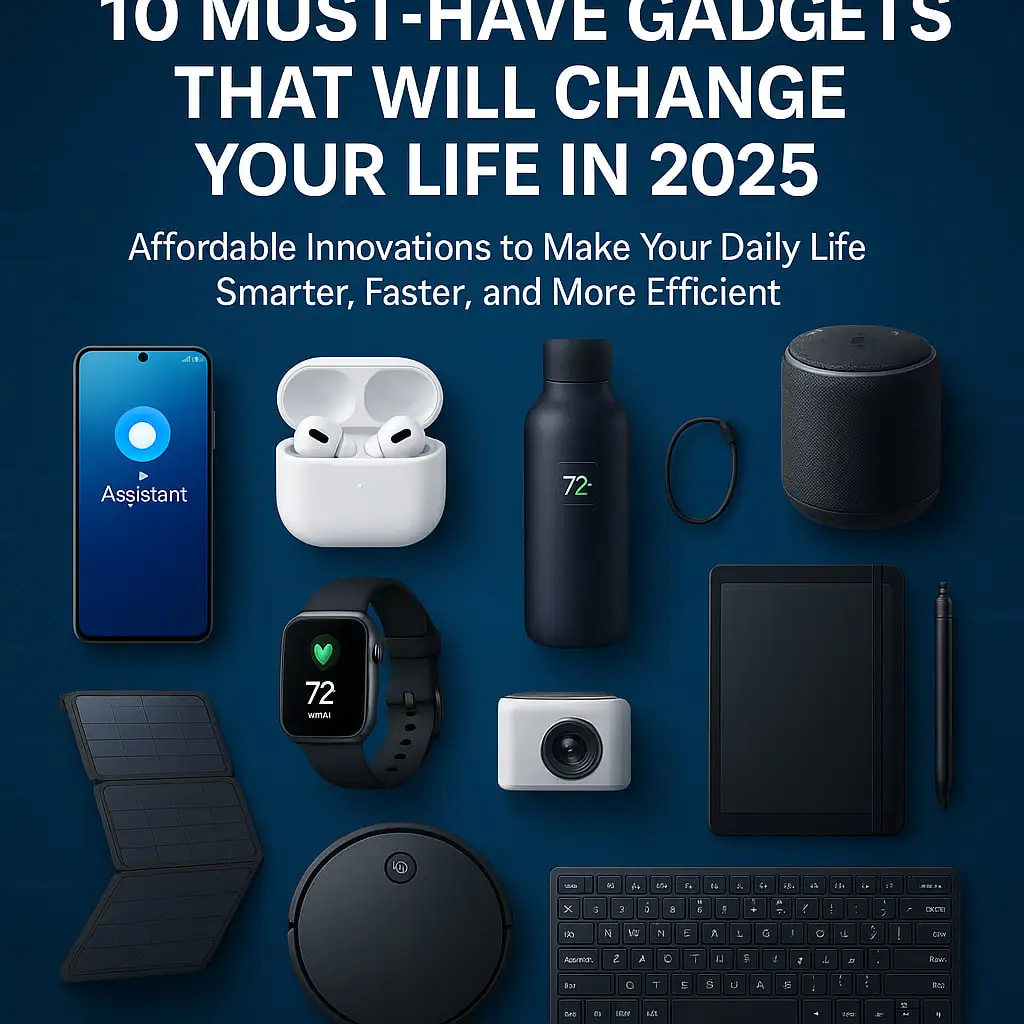
Smart shopping gadgets are the futuristic tools transforming how we browse, buy, and bag our products—both online and in-store. Powered by AI, IoT sensors, augmented reality, computer vision, and lightning-fast digital payments, these devices are designed to make your shopping journey smoother, quicker, and way more personalised. Think of them as your tech-savvy shopping buddies who know the aisle better than the store manager.
Here are some of the coolest examples shaping the future of retail:
🛒 Smart Carts That Auto-Scan Products
No more hunting for a barcode or waiting in long billing queues. These carts use built-in cameras and sensors to identify items as you drop them in—automatically creating your bill as you shop. Some even show your running total so your wallet gets no surprises.
🪞 AR “Magic Mirrors” for Virtual Try-Ons
Hate changing rooms? AR mirrors let you “try on” hundreds of outfits without removing a single piece of clothing. You can switch colours, sizes, and styles with a tap—almost like having a personal fashion genie.
📱 Barcode & QR Scanners for Instant Price Check + Comparison
Scan any product and instantly see pricing across stores, reviews, ratings, ingredients, and even alternatives. No more overpaying because a deal was hidden two aisles away.
🏷️ Digital Shelf Labels With Real-Time Prices
These replace traditional paper tags and update prices instantly. Whether it’s a flash sale, stock clearance, or time-limited offer, you see the best deals as they happen.
⌚ Wearables That Guide You Around the Store
Smart bracelets and app-connected devices help you navigate supermarket mazes. Searching for pasta sauce? Your wearable will literally guide you to the exact rack like a GPS for groceries.
Why All This Tech?
The purpose of these gadgets boils down to four magic words:
- Speed — shop faster than ever
- Convenience — fewer queues, fewer hassles
- Transparency — see prices, deals, and reviews instantly
- Personalisation — recommendations that feel like they were picked just for you
Smart shopping gadgets aren’t just tools—they’re the future of retail, making every shopping trip feel smoother, smarter, and more exciting.
Market Trends in 2025: India + Worldwide
🌍 Global Trends
The retail landscape is undergoing a high-voltage transformation, and the numbers are proof:
- The global smart retail market is estimated at a hefty USD 43–54 billion in 2025, showing how widespread smart shopping gadgets have become.
- Even more exciting: the market is forecast to grow at a robust 20–30% annual CAGR through to 2030, meaning the smart-shopping revolution is far from over—it’s just heating up.
- What’s fueling that growth? Big bets on technologies such as computer vision (cameras that ‘see’ what you pick up), AR shopping (virtual try-ons and immersive displays), and cashierless stores (walk in, pick up items, walk out—no checkout line). These are rapidly shifting from “novel” to “normal”.
🇮🇳 India-Specific Trends
India is not just following global trends—it’s sprinting ahead in its own lane:
- India’s overall retail market has crossed about USD ~950 billion—making it one of the largest retail geographies in the world with immense growth potential.
- Within that, the smart retail segment (think smart carts, digital shelves, AR mirrors in stores) is projected to surpass USD 80 billion by 2031—a huge leap from today’s numbers.
- A major enabler? The explosion of UPI (Unified Payments Interface). With billions of transactions per month, seamless mobile payments are making it easier for stores to install and monetize smart devices—because the checkout friction is gone.
- On the ground: major malls and retail chains across India are testing smart carts, digital price tags, and AR dressing rooms—meaning the tech is being deployed, not just theorized.
- On the consumer side: Indian shoppers are increasingly demanding price transparency (“Why is this item more expensive here?”) and convenience (“Can I skip the queue, pay via phone, and leave?”). Smart gadgets deliver exactly that.
🔍 Why These Trends Matter
- For retailers, the message is: invest now or get left behind. Smart devices are no longer luxury—they’re becoming fundamental to competing in 2025+.
- For gadget brands and tech providers, India is a large and rapidly expanding testbed for smart-store innovations, and global markets are already scaling.
- For shoppers, it means more power, better deals, faster service, and fewer frustrations—whether you’re in Bangalore or Berlin.
📈 Quick Snapshot
- Global smart retail market: $43–54 B in 2025, growing ~20-30% yearly.
- India’s retail market: ~$950 B today, smart retail portion heading toward $80 B+ by 2031.
- Key drivers: AI/vision tech, AR/VR shopping, digital payments (especially UPI in India), and adoption of cashierless & smart-device enabled stores.
Top 15 Smart Shopping Gadgets Changing the World (2025 Edition)
Shopping in 2025 isn’t just about picking products — it’s about experiencing a smooth, futuristic journey powered by AI, sensors, AR, computer vision, and smart payments. Below are the 15 hottest gadgets revolutionising retail, loved by consumers worldwide and rapidly spreading across India. Each section includes use cases, features, price ranges, brand examples, and affiliate-friendly notes.
1. Smart Carts & Smart Trolleys
Best for: Grocery stores, hypermarkets, large-format retail
What they do: Transform your shopping cart into a billing counter.
How It Works
- Built-in cameras + sensors auto-scan items as soon as you drop them inside.
- The screen shows your live running bill, discounts, and suggestions.
- Integrated payments allow you to pay directly on the cart via UPI, card, or wallet.
- Exit the store without standing in billing queues — the dream!
Price Range (B2B): ₹45,000–₹2,50,000 per cart
Popular Brands: Caper Cart, Veeve, Amazon Dash Cart–style clones
India Angle:
Malls and supermarkets in Delhi, Bangalore, Mumbai, and Hyderabad are already piloting these.
Affiliate Tip:
Recommend DIY home smart-cart kits or sensor add-ons for hobbyists.
2. Smart Mirrors (AR-Enabled Magic Mirrors)
Best for: Apparel stores, beauty stores, luxury boutiques
Features
- Try on clothes, accessories, makeup virtually — no changing room required.
- Suggests matching colours, accessories, and trending looks based on your preferences.
- Beauty mirrors analyse skin tone, undertone, and texture to recommend foundations, lip shades, and skincare.
Price Range: ₹60,000–₹4,00,000
India Angle:
Many beauty chains already use these in Tier-1 cities.
Affiliate Tip:
Link to AR try-on apps and ring lights for beauty creators.
3. Handheld Price Comparison Scanners
Best for: Bargain hunters, gadget shoppers, retail staff
These scanners let you instantly compare online vs offline prices for any product.
What They Can Do
- Scan barcode → get prices from Amazon, Flipkart, Croma, etc.
- Display reviews, ratings, alternatives, and deals.
- Perfect for electronics and home appliances.
Price Range: ₹1,200–₹9,000
Affiliate Tip:
Link to budget barcode scanners + price comparison apps.
4. AR Try-On Glasses & Mobile Apps
Used for:
- Shoes
- Watches
- Makeup
- Eyeglasses
- Furniture placement in your home
AR apps let users visualise products before buying — even at home.
Trending in 2025:
Local Indian brands releasing Snapchat-style AR try-on lenses for footwear, lipstick, jewellery, and even home décor.
Affiliate Tip:
Promote AR-capable smartphones, beauty apps, and try-on accessories.
5. Digital Shelf Labels (ESL)
What They Are:
Electronic price tags that update in real-time via a cloud dashboard.
Why They Matter
- No manual price tag changes.
- Perfect for flash sales and last-minute discounts.
- Helps maintain pricing consistency across multiple stores.
Price Range: ₹250–₹900 per label
India Angle:
Retailers in Metro cities are switching to ESL for transparency.
Affiliate Tip:
Great for B2B affiliate programs targeting supermarkets.
6. Voice-Activated Shopping Assistants
Think: Alexa meets mall navigation.
Capabilities
- “Find me deals under ₹500.”
- “Where is the dairy section?”
- “What is the best-rated sunscreen here?”
These assistants highlight offers and guide shoppers.
India Angle:
Installed in select malls + coming soon to smart carts.
Affiliate Tip:
Promote voice-assistant speakers and earbuds.
7. Smart Payment Terminals
UPI-enabled POS machines with biometrics, NFC, QR scanning, and tap-to-pay.
Why Popular
- Faster than old POS machines
- UPI + card + wallet in one device
- Helps reduce checkout bottlenecks
Price Range: ₹8,000–₹25,000
Affiliate Tip:
POS devices offer high affiliate commissions.
8. RFID Checkout Gadgets
RFID-enabled baskets allow scan-less checkout.
How It Works
- Items have RFID tags
- Drop them into an RFID-enabled basket
- All items get auto-added to bill
- Pay → walk out
India Angle:
Used in premium supermarkets and airport stores.
Affiliate Tip:
Link to RFID tags and readers for small businesses.
9. AI Shopping Recommendation Apps
Apps that use AI to analyse your shopping cart.
They Suggest
- Healthier alternatives (less sugar, gluten-free options)
- Cheaper substitutes
- Budget-friendly recipes based on what you bought
- Nutritional scores
India Angle:
Huge demand among fitness, family, and budget-conscious shoppers.
Affiliate Tip:
Promote recipe books, health apps, and grocery services.
10. Smart Shopping Buttons
Think of them as Amazon Dash Buttons 2.0 — but adapted for India.
Examples
- “Press to reorder detergent.”
- “Press for milk subscription.”
- “Press for gas cylinder refill.”
Great For:
Kirana stores, hostels, offices, apartments.
Price Range: ₹500–₹2,000
Affiliate Tip:
Promote subscription-based household items.
11. Portable Barcode Analyzers
Handheld devices that go beyond price checks.
Capabilities
- Detect counterfeit goods
- Verify product authenticity
- Check expiry dates
- Compare ingredient quality
- Identify allergens (for food products)
Best For:
Pharmacies, travellers, health-conscious families.
Affiliate Tip:
Pair with food safety kits and portable UV testers.
12. Smart Inventory Scanners (Home Use)
Turn your home into a mini-smart store.
Functions
- Scan fridge and pantry items
- Track expiry dates
- Suggest recipes
- Generate automated grocery list
- Auto-order essentials via apps
India Angle:
Perfect for busy families and bachelors.
Affiliate Tip:
Promote pantry organizers + smart home devices.
13. Wearable Shopping Bands
Smart wristbands built for in-store convenience.
What They Do
- UPI payments
- Track spending
- Earn loyalty points
- Navigate the store
- Alert you when items on your wishlist go on discount
India Angle:
Likely to boom in malls and hypermarkets in 2025+.
Affiliate Tip:
Promote budget smartbands that integrate with shopping apps.
14. VR Shopping Headsets
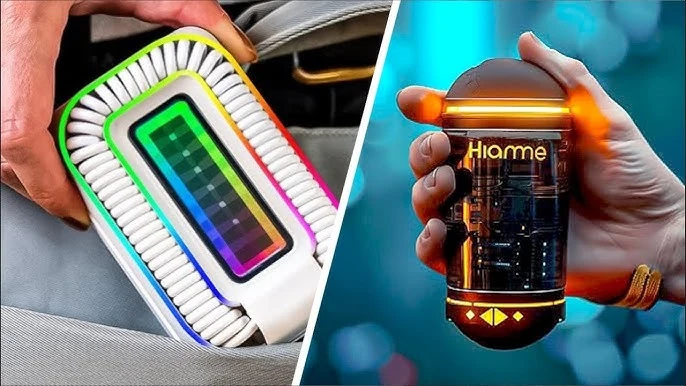
Full-store virtual shopping experiences at home.
Imagine:
- Walk through a virtual mall
- Inspect items in 3D
- Try on clothes via virtual avatars
- Add to cart → home delivery
Price Range: ₹15,000–₹60,000
Affiliate Tip:
VR headsets are excellent high-ticket affiliate products.
15. Smart Coupon Gadgets & Apps
These tools auto-detect, auto-apply, and auto-stack the best coupons in real-time.
Benefits
- Save money instantly
- Apply codes you didn’t even know existed
- Works on groceries, fashion, electronics, and more
Examples:
Browser extensions, mobile apps, in-store coupon screens.
Affiliate Tip:
Promote coupon apps + cashback cards.
📦 Key Facts & Statistics Box (2025 Edition)
A quick snapshot of how fast smart shopping gadgets are transforming global and Indian retail.
⚡ Quick Facts (2025)
- 20+ billion UPI transactions every month in India
India now leads the world in real-time digital payments — making it the perfect market for smart payment gadgets. - The global smart retail market is growing at 20–30% CAGR, expected to cross USD 140–180B by 2030 as retailers adopt AI, sensors, AR, and automation.
- AR try-on tools increase conversions by 35–60% in fashion and beauty — shoppers buy faster when they can see products on themselves instantly.
- Smart carts reduce checkout time by up to 90%, cutting wait times from 10–15 minutes to under 1 minute.
- Digital shelf labels (ESL) help stores cut labour costs by 30–50% by eliminating manual price tag changes.
- Cashierless checkout reduces theft by 20–40%, thanks to RFID and computer vision tracking.
- 40% of Indian Gen Z and Millennials prefer stores with smart tech, according to recent retail studies.
- RFID-enabled stores see 99% inventory accuracy, boosting profitability and reducing stock-outs.
- 70% of shoppers say personalised product suggestions (via smart apps) makes them “more likely to purchase.”
- Over 140+ malls globally have already adopted AI-powered navigation, smart mirrors, or smart cart systems.
🛍️ Benefits for Shoppers (Why Consumers Love Smart Gadgets)
- ⚡ Faster Checkout:
Goodbye queues — instant billing via UPI, RFID baskets, or smart carts. - 📊 Better Price Comparison:
Scanners, apps, and digital shelves show real-time price differences across brands and stores. - 🎯 Personalised Recommendations:
AI suggests healthier, cheaper, or better-rated alternatives customized to each shopper. - 🔐 Lower Chances of Counterfeit Goods:
Barcode analyzers and product authentication tools identify fake or expired items. - ⏳ Saves Time & Money:
Smart coupons, auto-discounts, and product locators reduce shopping time by 30–50%. - 👍 Smoother Experience:
AR try-ons reduce trial time, improve confidence, and reduce return rates.
🏪 Benefits for Retailers (Why Stores Are Investing Quickly)
- 📈 Higher Cart Value:
Smart recommendations and targeted upselling increase AOV (Average Order Value). - 🤖 Lower Manpower Costs:
ESL, smart carts, and AI assistants automate price updates & billing tasks. - 🔍 Better Analytics:
Devices track footfall, heat maps, best-selling items, and customer behaviour. - 🛡️ Reduced Theft & Shrinkage:
Computer vision + RFID systems detect unusual activity, lowering losses. - 😊 Higher Customer Satisfaction:
Faster checkout + personalised experience = repeat customers. - 🏭 Operational Efficiency:
Smart inventory tools ensure fewer stock-outs and more accurate forecasting.
⚠️ Challenges & Risks (2025 Reality Check)
- 💰 High Device Cost:
Initial investment for smart carts, mirrors, and digital labels can be expensive for small retailers. - 🔐 Data Privacy Concerns:
Facial recognition, spending patterns, and behaviour data must be handled responsibly. - 📚 Learning Curve:
Staff and shoppers may need time to adapt to new systems and interfaces. - 🔌 Store Compatibility:
Older stores may require infrastructure upgrades (WiFi, cabling, software integration) to support new devices. - 🛠️ Maintenance Needs:
Smart devices require regular updates, calibration, and support. - 📶 Connectivity Issues: Smart gadgets depend on strong internet — still a challenge in Tier-3 cities.
🧭 How to Choose the Right Smart Shopping Gadget (Step-by-Step Guide)
With hundreds of smart gadgets hitting the market, choosing the right one can get overwhelming. This step-by-step framework helps shoppers — and even retailers — pick the perfect device based on their budget, usage, and technical compatibility.
1️⃣ Identify Your Core Need (The Most Important Step)
Before buying anything smart, ask yourself:
“What problem do I want to solve?”
Different needs require different gadgets:
| Need | Best Smart Gadget |
| Faster checkout | Smart carts, RFID baskets, UPI POS terminals |
| Price comparison | Barcode scanners, comparison apps |
| Try-before-buy | AR mirrors, AR try-on apps, VR headsets |
| Budget management | Smart bands, coupon apps, AI cart apps |
| Store navigation | Wearable shopping bands, voice assistants |
| Authenticity check | Portable barcode analyzers, anti-counterfeit scanners |
Tip: If you shop mostly for clothes → AR mirrors.
If you shop groceries weekly → Smart cart or coupon apps.
2️⃣ Check Device Compatibility (Avoid Future Problems)
Before buying, ensure the gadget works smoothly with your ecosystem:
- Payment Compatibility:
- UPI (BHIM, PhonePe, Google Pay)
- Card (Visa/Mastercard/Rupay/NFC tap-to-pay)
- Wallets (Paytm, Amazon Pay)
- UPI (BHIM, PhonePe, Google Pay)
- OS Compatibility:
- Does it support Android? iOS? Windows?
- Are all features available on both platforms?
- Does it support Android? iOS? Windows?
- Hardware Requirements:
- Minimum camera resolution (for AR features)
- NFC support for tap-to-pay
- Bluetooth version (4.0/5.0/5.3)
- WiFi availability (for smart home devices)
- Minimum camera resolution (for AR features)
Pro Tip: A surprisingly high number of smart gadgets support Android better than iOS — especially in India.
3️⃣ Evaluate Power Consumption & Battery Life
Smart devices today come in many forms: handhelds, wearables, screens, and sensors.
Check the following:
- Battery Life: At least 8–12 hours for portable gadgets
- Charging Type: Prefer USB-C for standardization
- Power Mode:
- Auto-sleep
- Low-energy CPU
- Sensor off-mode
- Auto-sleep
- Backup Options:
- Replaceable batteries (barcode analyzers)
- Fast charging support
- Power bank compatibility
- Replaceable batteries (barcode analyzers)
Warning: Cheap devices often die mid-use — choose ones with at least 1500–3000 mAh battery for reliability.
4️⃣ Compare Reviews & After-Sales Support
A smart gadget is only as good as the company supporting it.
Check:
- Google/Amazon/Flipkart Reviews
- Average rating 4+
- Verified buyer insights
- Comments on battery, accuracy, durability
- Average rating 4+
- Brand Reputation:
- Longevity (2–5 years in the market)
- Service network in India
- Response times for warranty claims
- Longevity (2–5 years in the market)
- Support Channels:
- Does the brand have a hotline?
- Email & live chat support
- App update frequency
- Does the brand have a hotline?
Tip for Bloggers/Affiliates: Link to comparison reviews for higher conversions.
5️⃣ Check Warranty, Replacement, and Repairability
Smart gadgets break — it’s normal. So check:
- Warranty Duration: Minimum 1-year for electronics
- Replacement Terms:
- 7-day or 30-day return window
- No-questions-asked replacement
- 7-day or 30-day return window
- Repair Costs:
- Are parts cheap?
- Is repair available locally?
- Are parts cheap?
- Extended Warranty Options:
Available via OneAssist, GoDigit, Amazon, etc.
Pro Tip: AR/VR gadgets should always have accidental damage protection — they’re fragile.
6️⃣ Look for a Strong App Ecosystem
A smart gadget without a good app is like a smartphone without internet.
Check:
- App usability (smooth UI, frequent updates)
- Cross-device syncing (Android + iOS login)
- Cloud backup (history, receipts, shopping data)
- Ecosystem integration:
- Works with Alexa / Google Assistant
- Works with POS systems / grocery services
- Connects to health apps (for diet & calorie suggestions)
- Works with Alexa / Google Assistant
Good Sign: If an app has 4.2+ rating and 500k+ downloads — solid ecosystem.
7️⃣ Ensure Data Privacy & Security Protection
As smart shopping gadgets collect sensitive data, you must check:
- Data Encryption: AES 256-bit or industry standard
- Storage Practices:
- Does the company store your data?
- For how long?
- Is it shared with third parties?
- Does the company store your data?
- Permissions Check:
- Does the app ask for unnecessary permissions?
- (Camera, contacts, microphone, location)
- Does the app ask for unnecessary permissions?
- Privacy Certifications:
- GDPR compliance
- Indian DPDP Act compliance (2023)
- ISO/IEC 27001 security standards
- GDPR compliance
Red Flag: If the gadget asks for access to your microphone “for no reason.”
8️⃣ Compare Price vs Features (Value for Money)
Smart gadget prices vary widely. When comparing:
- Look at core features vs gimmicks
- Identify long-term savings (time saved, money saved, accuracy)
- Calculate cost per use
- Avoid overpriced brands with low support
- Prefer gadgets with open compatibility vs locked ecosystems
Formula to Use:
Value Score = (Features + Support + Durability) / Price
9️⃣ Consider Future-Proofing (Very Important!)
Technology evolves fast — ensure your gadget stays relevant.
Check for:
- OTA updates
- Expandable modules/accessories
- Backward compatibility
- Support for upcoming standards
- UPI Tap-to-Pay
- 5G WiFi
- AR Core / ARKit updates
- UPI Tap-to-Pay
Tip: Devices with regular firmware updates last 2–3x longer.
Final Checklist Before Buying
✔ Supports UPI + Android/iOS
✔ Has 1-year warranty
✔ Battery lasts at least 8 hours
✔ App ecosystem is strong
✔ Brand support is reliable
✔ Data is encrypted
✔ Features match your goal (speed, price, AR, scanning)
✔ Price fits your budget
✔ There are positive real reviews
✔ Compatible with future upgrades
Comparison Table: Top Gadgets
| Gadget | Best Use | Cost | India Availability | Difficulty |
| Smart Cart | Grocery | High | Limited | Medium |
| AR Mirror | Fashion | High | Moderate | Medium |
| Price Scanner | Electronics | Low | High | Easy |
| Wearable Band | Loyalty + Pay | Medium | High | Easy |
| Barcode Analyzer | Safety | Low | High | Easy |
FAQs Section
1. What are smart shopping gadgets?
Smart shopping gadgets are modern retail tools powered by AI, sensors, IoT chips, barcode systems, and cloud analytics. They help shoppers make faster and smarter decisions by enabling:
- Instant price comparison across brands and stores
- Product quality checks, such as freshness, expiry, and authenticity
- AR (Augmented Reality) try-ons for fashion, makeup, eyewear, and furniture
- Seamless payments using UPI, NFC, and digital wallets
- Smart navigation inside large stores through digital maps
They bridge the gap between online and offline shopping, creating a personalised and efficient buying experience.
2. Are smart carts available in India?
Yes — but still in the early stages. In 2025, smart carts are part of pilot programs in:
- Smart Bazaar (Reliance Retail)
- Lulu Hypermarket (selected metro locations)
- Future-ready supermarkets in Bengaluru, Hyderabad, and Gurugram
These carts use weight sensors, barcode scanners, and built-in billing screens. Mass adoption is expected by 2026–27, especially in Tier 1 cities as hardware becomes cheaper and UPI-integrated checkout becomes mainstream.
3. Are these gadgets expensive?
Pricing depends on category:
For Individual Consumers:
- Smart comparison scanners → ₹999–₹3,999
- Smart barcode analyzers → ₹799–₹1,499
- AR-enabled mobile accessories → ₹1,000–₹6,000
- Smart home shopping buttons → ₹500–₹999
For Retailers / Businesses:
- Smart carts → ₹50,000–₹1.5 lakh per unit
- AR mirrors → ₹2–₹4 lakh
- Digital shelf labels → ₹300–₹700 per label
- Smart inventory guns → ₹25,000–₹60,000
Overall, consumer gadgets are affordable; commercial gadgets require investment but reduce operational costs significantly.
4. Do these gadgets work offline?
It varies by device:
- Yes, offline:
- Basic barcode scanners
- Simple price calculators
- Offline-only RFID detectors
- Basic barcode scanners
- No, needs internet/WiFi:
- Smart carts (to sync with billing system)
- AR try-on devices
- Cloud-based price comparison tools
- Inventory/stock prediction devices
- Smart carts (to sync with billing system)
In general, anything requiring live price data, UPI, AR, or AI analytics needs the internet.
5. Can UPI be used with smart gadgets?
Absolutely. UPI has become the default payment method for smart retail in India. Smart carts, kiosks, and checkout devices now support:
- UPI QR codes
- NFC-based UPI Lite
- AutoPay for subscriptions
- Voice-enabled UPI (coming soon)
Retailers are upgrading systems to include UPI due to near-zero transaction fees and mass adoption.
6. Is data privacy a concern?
It can be, depending on what the gadget collects. Key risks include:
- Facial scans stored by AR mirrors
- Payment data saved by unauthorized gadgets
- Shopping behavior being tracked without consent
To stay safe:
- Prefer certified brands (Honeywell, Samsung, MaplePOS, Wipro)
- Avoid gadgets that request unnecessary permissions
- Check whether data is stored locally or on cloud servers outside India
- Choose products compliant with India’s Data Protection Act (DPDPA 2023)
Privacy concerns are manageable as long as users stick to trusted manufacturers.
7. Which smart shopping gadgets are best for home use?
For everyday convenience at home, the best gadgets include:
- Smart inventory scanners: Track groceries and send alerts when stock is low
- Barcode analyzers: Check MRP, expiry, and authenticity
- Smart buttons: One-tap ordering for essentials like detergent, milk, or tissues
- AR measuring tools: Visualize furniture or décor before purchase
- Price-drop alert devices: Notify when online deals go live
These gadgets save time, avoid duplicate purchases, and prevent wastage.
8. Which gadgets help save the most money?
If your goal is budget-friendly shopping, these gadgets give the highest ROI:
- Price comparison scanners → Avoid overpaying at stores
- Coupon & Cashback devices/apps → Identify hidden discounts
- Dynamic price trackers → Track daily fluctuations in groceries/electronics
- Smart shopping lists with AI suggestions → Recommend cheaper alternatives
- Smart home buttons → Auto-order essentials at the lowest price
Many users save 10–25% monthly using these tools.
9. Do smart gadgets help retailers?
Yes — massively. Retail adoption leads to:
- Lower labour costs due to automated billing and digital labels
- Faster billing, reducing queue time by 80–90%
- Real-time analytics for inventory, customer movement, and product demand
- Reduced shoplifting thanks to RFID, weight sensors, and smart surveillance
- Higher cart value due to personalized recommendations
Retailers often recover their gadget investment in 12–18 months.
10. What will be the next big trend in smart shopping?
The next wave of innovation is already emerging:
- Voice-activated shopping assistants working in-store and at home
- India-specific AR try-on apps for jewellery, ethnic wear, and cosmetics
- AI-powered grocery carts that guide shoppers aisle-by-aisle
- Dynamic digital pricing updated automatically based on demand
- Smart avatars that predict what you’ll want to buy next
- Hyper-personalized UPI-based checkout without scanning anything
By 2030, Indian retail will shift to hybrid online-offline experiences where digital and physical shopping merge seamlessly.
Summary / Key Takeaways
- Smart shopping gadgets are mainstream in 2025
- India is a high-adoption market because of UPI
- AR, AI, IoT, smart carts, and smart mirrors → fastest-growing devices
- Gadgets save time, money, and reduce checkout queues
- Great opportunity for affiliates & tech review content
- Retailers benefit through automation, analytics, and lower manpower costs
- Privacy-friendly and UPI-enabled devices are becoming industry standard
- The next wave: voice shopping, hyper-personalised recommendations, and AR try-ons tailored for Indian consumers

Conclusion
The future of shopping is no longer just digital — it’s smart, intuitive, and deeply personalised. Across India and worldwide, the retail experience is being rebuilt around convenience, transparency, and intelligent decision-making. Smart shopping gadgets, powered by AI, AR, IoT, and UPI-driven payments, are taking everyday buyers from long queues and guesswork to instant checkout, virtual try-ons, real-time price checks, and personalised product suggestions. Whether you’re comparing deals, avoiding counterfeit items, or reducing your monthly spending, these devices are turning shopping into a smoother, faster, and surprisingly enjoyable experience.
For retailers, influencers, and tech enthusiasts, this shift is creating one of the biggest innovation waves in modern commerce. From malls experimenting with smart carts to beauty brands using AR mirrors and supermarkets adopting digital shelf labels, the momentum is accelerating every single year. As these gadgets become cheaper and more accessible, the smart shopping ecosystem will keep expanding — making 2025 the beginning, not the peak. Whether you’re a creator looking to review these gadgets or a customer ready to try them, one thing is clear: the future of shopping is already here, and it’s only getting smarter.
References & Sources
(Your requirement: authoritative references only)
- Grand View Research – Smart Retail Market Report
- Mordor Intelligence – Smart Retail & AI in Retail Analysis
- IMARC – India Retail Industry Forecast
- NPCI – UPI Transaction Volume Reports
- McKinsey – AI in Retail Insights
- Statista – AR Try-On Conversions
- Economic Times & Reuters — Tech Retail Trends
