







Estimated Reading Time: 28-32 minutes (5,608 words)
Introduction
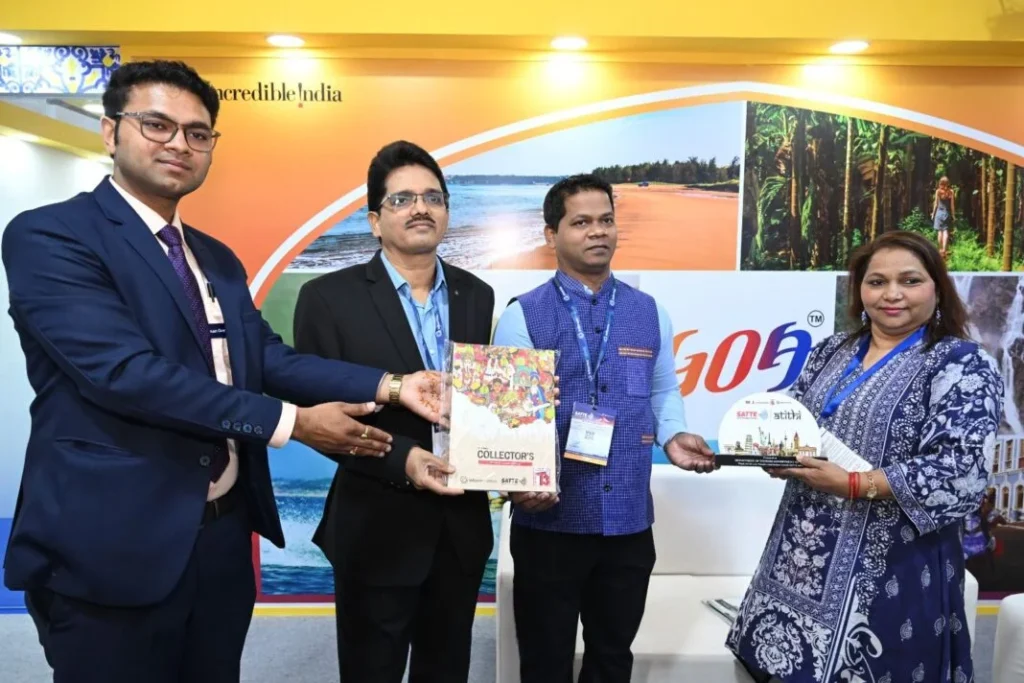
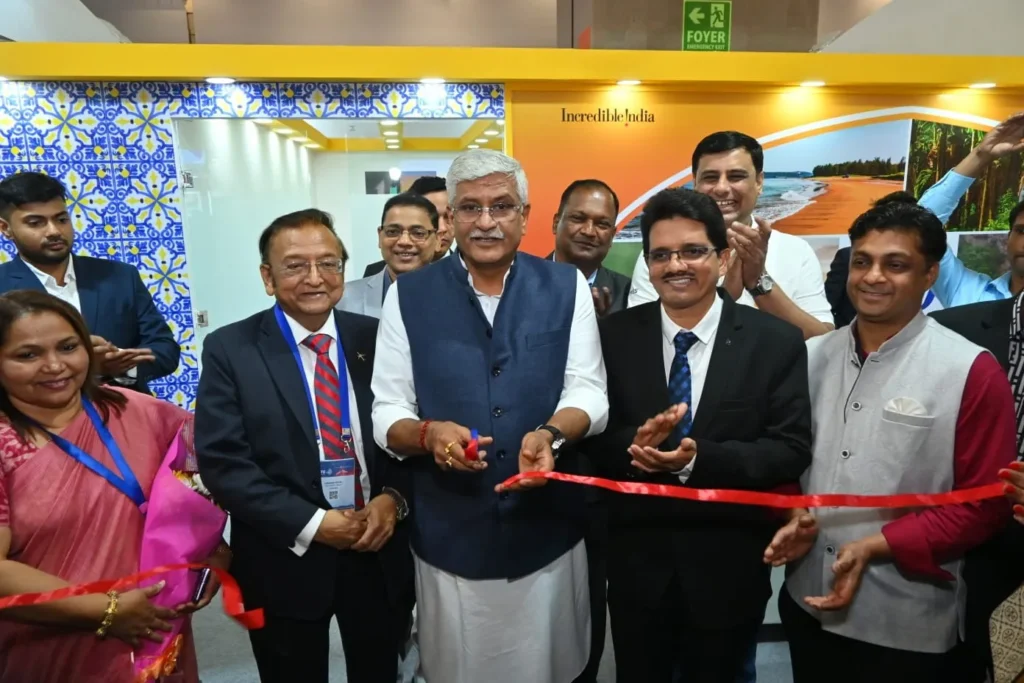
In an increasingly competitive global travel market, tourism boards can no longer rely on destination popularity alone. Today, success depends on strategic branding, strong trade relationships, data-driven promotion, and the ability to adapt to changing traveler behavior. This is where flagship travel exhibitions play a decisive role. Events like SATTE (South Asia Travel & Tourism Exchange) act as powerful marketplaces where destinations are not just promoted—but repositioned for the future.
Held in early 2026, SATTE once again reinforced its status as Asia’s most influential travel trade summit, bringing together 1,200+ exhibitors, tourism boards, airlines, hotel chains, travel-tech platforms, and delegates from over 80 countries. With international travel demand rebounding strongly and experiential tourism gaining momentum, SATTE 2026 became a critical platform for destinations aiming to capture post-pandemic growth, long-stay travelers, and high-value tourism segments.
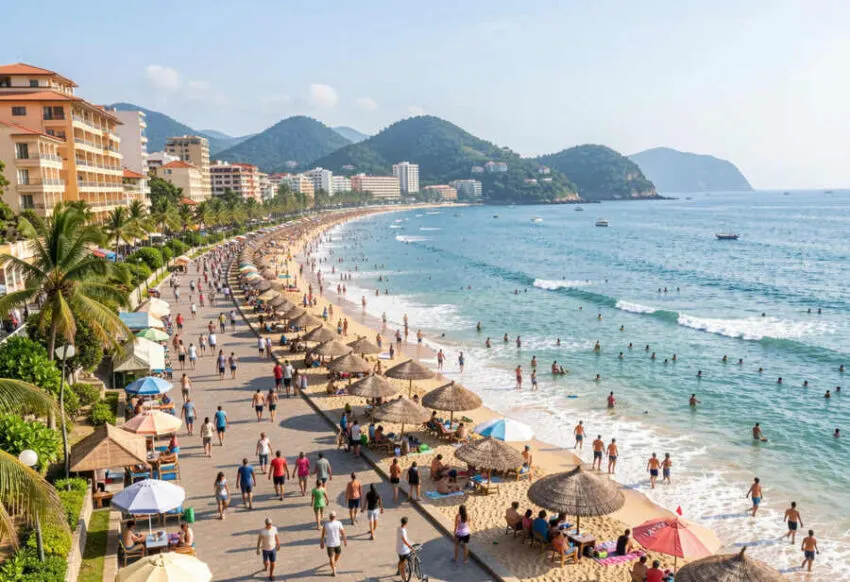
Among the most proactive and strategically aligned participants was Goa Tourism. Rather than positioning Goa solely as India’s iconic beach destination, the state leveraged SATTE 2026 as a business-first, future-facing engagement platform. The focus shifted decisively toward:
- Destination rebranding beyond sun-and-sand
- Sustainable and regenerative tourism
- Wellness, heritage, and hinterland experiences
- MICE, corporate retreats, and destination weddings
- Digital nomads and long-stay international travelers
Goa’s participation reflected a broader transformation underway in Indian tourism—one that prioritizes quality over quantity, year-round visitation over seasonality, and economic sustainability over short-term footfall. The conversations initiated at SATTE 2026 are expected to shape tourism inflows, private investments, and international partnerships for the next decade.
🔍 What This Blog Covers
In this in-depth analysis, we break down:
- Why Goa’s participation at SATTE 2026 is strategically important for India’s tourism growth
- Key outcomes, partnerships, and industry engagement highlights from the event
- Major tourism trends shaping Goa, India, and global travel markets
- Expert insights and trade perspectives emerging from SATTE 2026
- Actionable opportunities for travelers, tourism businesses, investors, and content creators
Whether you’re a traveler planning your next Goa experience, a tourism professional tracking industry trends, or a brand looking to tap into India’s booming travel economy, this guide explains what SATTE 2026 means for Goa—and why it matters globally.
What Is SATTE 2026?
SATTE (South Asia Travel & Tourism Exchange) is India’s largest and most influential B2B travel and tourism exhibition, serving as a central marketplace where the global travel ecosystem converges. Designed primarily for business networking, destination promotion, and policy-level engagement, SATTE plays a pivotal role in shaping how tourism flows into and within India and South Asia.
🏛️ A Legacy Platform for the Travel Industry
- Launched in 1995, SATTE has evolved alongside India’s tourism sector
- Recognized as the gateway event for South Asia’s travel trade
- Acts as a bridge between Indian destinations and global outbound markets
Over the years, SATTE has become the preferred platform for tourism boards, airlines, hotel groups, cruise operators, and travel-tech startups to announce strategies, test demand, and form long-term partnerships.
🤝 Core Focus Areas of SATTE
SATTE is structured around high-impact B2B engagement, including:
- Pre-scheduled buyer–seller meetings
- Policy dialogues and tourism roundtables
- Destination branding and repositioning discussions
- Travel technology and digital distribution innovations
- Sector-specific growth trends (MICE, luxury, wellness, adventure, cruise tourism)
Unlike consumer travel fairs, SATTE’s outcomes are measured in partnerships, MoUs, and pipeline deals, making it a critical economic catalyst for tourism-led growth.
🌍 Who Participates at SATTE?
SATTE attracts a wide cross-section of the global travel industry, including:
- National and state tourism boards
- International and domestic airlines
- Tour operators and destination management companies (DMCs)
- Online Travel Agencies (OTAs) and travel marketplaces
- Hospitality brands — luxury, mid-scale, boutique, and alternative stays
- Travel-tech and SaaS platforms
- Corporate travel and MICE planners
This diversity ensures that destinations like Goa engage not only with leisure travel players but also with corporate, long-stay, and high-spending traveler segments.
📈 What Made SATTE 2026 Particularly Significant?
SATTE 2026 stood out as a post-recovery milestone event for the global travel industry:
- Participation exceeded pre-COVID levels, signaling a strong and sustained tourism rebound
- Heightened focus on hybrid travel models, combining business, leisure, and remote work
- Strong emphasis on digital transformation, including AI-powered trip planning and smart tourism
- Growing attention to emerging source markets beyond traditional Europe and North America
- Rising interest in experiential, cultural, and sustainable travel offerings
For destinations, SATTE 2026 was not just about visibility—it was about future-proofing tourism strategies in a world where traveler expectations, technology, and sustainability standards are rapidly evolving.
🔍 Why SATTE Matters for Destinations Like Goa
For state tourism boards, SATTE functions as:
- A global demand-sensing platform
- A branding reset opportunity
- A deal-generation engine
- A trend barometer for the next 5–10 years
Goa’s presence at SATTE 2026 must be viewed through this lens—not as routine participation, but as a strategic move to align with where global tourism is heading, rather than where it has been.
Goa Tourism’s Strategy at SATTE 2026
Goa’s participation at SATTE 2026 was deliberate, data-backed, and future-oriented. Rather than relying on legacy brand recall as India’s most popular beach destination, Goa Tourism used the platform to signal a clear strategic shift—from volume-driven leisure tourism to high-value, diversified, and sustainable travel ecosystems.
This repositioning aligned closely with global tourism demand patterns, where travelers increasingly seek longer stays, meaningful experiences, and destinations that balance growth with environmental responsibility.
🎯 Strategic Objectives Behind Goa’s SATTE 2026 Presence
Goa Tourism’s core objectives at SATTE 2026 were multi-layered and commercially focused:
1️⃣ Rebrand Goa Beyond Beaches
While beaches remain central to Goa’s identity, the state aimed to expand its narrative by spotlighting:
- Inland villages and hinterland experiences
- Forest reserves and wildlife sanctuaries
- Cultural, culinary, and spiritual tourism
The intent was to extend visitor stays, reduce coastal congestion, and unlock tourism-driven income for rural communities.
2️⃣ Deepen Engagement With International Tour Operators
SATTE 2026 was leveraged as a relationship-building platform with:
- European outbound tour operators
- Middle Eastern luxury and wellness travel planners
- Southeast Asian experiential travel aggregators
These engagements were aimed at multi-year product inclusion, rather than one-off seasonal promotions.
3️⃣ Promote Offbeat & Sustainable Tourism Experiences
A major pillar of Goa’s strategy was the promotion of responsible and regenerative tourism, including:
- Community-led village tourism models
- Eco-stays and nature-based accommodations
- Agro-tourism experiences like spice plantations and farm stays
This approach reflects a growing shift toward quality tourism that protects ecological and cultural assets while ensuring long-term viability.
4️⃣ Highlight Wellness, Heritage & Digital Nomad-Friendly Offerings
Goa positioned itself as a multi-purpose destination, appealing to:
- Wellness travelers seeking Ayurveda, yoga, and holistic retreats
- Culture-focused travelers interested in UNESCO-listed churches, forts, and festivals
- Remote professionals and digital nomads looking for long-stay, work-friendly environments
This aligns with global trends where travelers increasingly combine leisure, work, and wellness into a single trip.
5️⃣ Showcase MICE (Meetings, Incentives, Conferences & Exhibitions) Potential
Goa also emphasized its growing capacity for:
- Corporate offsites and leadership retreats
- Incentive travel programs
- Destination weddings and international conferences
With improved air connectivity and premium hospitality infrastructure, Goa positioned itself as a viable alternative to traditional MICE hubs in Asia.
🛠 Key Campaign Themes Presented at SATTE 2026
To support its strategic objectives, Goa Tourism anchored its presence around clear campaign narratives:
🌞 “Goa 365” — A Year-Round Destination Strategy
This flagship theme focused on:
- Reducing seasonal dependency on peak months
- Promoting shoulder-season travel
- Encouraging repeat visits through niche experiences
The “Goa 365” concept resonated strongly with trade partners seeking stable, predictable tourism demand throughout the year.
🌱 Eco & Agro-Tourism Circuits
Goa highlighted curated circuits connecting:
- Spice plantations
- Organic farms
- Nature trails and biodiversity hotspots
These offerings were pitched as low-impact, high-engagement experiences, appealing to conscious travelers and eco-focused tour operators.
🏛 Cultural & Heritage Trails
Another key focus was Goa’s rich Indo-Portuguese heritage, including:
- Historic churches and forts
- Traditional Goan architecture
- Local music, festivals, and cuisine
These trails were positioned as story-driven travel experiences, ideal for cultural tourism packages and premium travel segments.
🧘 Wellness & Ayurveda Retreats
Goa showcased its growing ecosystem of:
- Certified Ayurveda centers
- Yoga and mindfulness retreats
- Holistic wellness resorts
This segment was pitched as a high-spend, longer-stay tourism vertical, particularly attractive to international travelers.
🤖 Digital Engagement & Smart Tourism Showcase
To match evolving trade expectations, Goa’s pavilion adopted a technology-forward engagement approach:
🚀 AI-Enabled Travel Demonstrations
- AI-powered itinerary planning tools
- Personalized travel recommendations based on visitor preferences
- Data-driven destination discovery models
These tools demonstrated how Goa aims to enhance visitor experience even before arrival.
🕶 Virtual Reality (VR) Destination Tours
- Immersive walkthroughs of beaches, heritage sites, and hinterland experiences
- VR storytelling to showcase lesser-known destinations
This helped trade partners visualize sellable experiences beyond traditional brochures.
📅 Live B2B Meeting Schedulers
- Pre-arranged meetings with international buyers
- Real-time scheduling tools for efficient networking
This ensured Goa’s SATTE participation delivered measurable business outcomes, not just brand visibility.
📌 Why This Strategy Matters
Goa’s approach at SATTE 2026 demonstrates a mature destination-marketing mindset:
- Focused on long-term value creation
- Aligned with global sustainability norms
- Designed to attract higher-quality travelers
- Built for resilience against seasonality and market volatility
Rather than chasing footfall alone, Goa is now engineering tourism demand that is profitable, sustainable, and globally competitive.
Key Outcomes & Engagement Highlights
Goa Tourism’s presence at SATTE 2026 translated into tangible business conversations, strategic interest from new markets, and strong validation of its repositioning strategy. Rather than measuring success by footfall alone, outcomes were reflected in deal pipelines, product discussions, and long-term collaboration intent.
Below are the most significant engagement highlights from SATTE 2026.
🔹 1. Strong Global Partnerships & Market Diversification
One of the most important outcomes of SATTE 2026 was the depth and diversity of international engagement. Industry delegates reported 50+ structured MoU-level discussions involving:
- European tour consortiums exploring cultural, heritage, and slow-travel itineraries
- Middle Eastern travel groups focusing on luxury, wellness, and destination weddings
- Southeast Asian adventure and experiential travel platforms seeking bundled nature and culture products
📈 Why This Matters
Traditionally, Goa’s inbound tourism has been concentrated around a few core markets. The SATTE 2026 engagement signals:
- Rising demand from non-traditional source markets
- Reduced dependency on seasonal charter tourism
- Higher-spend, experience-oriented traveler profiles
This shift supports Goa’s long-term goal of stable, year-round international tourism inflows.
✍️ Case Insight
A leading UAE-based travel operator expressed strong interest in developing a Goa–Dubai wellness circuit, combining:
- Certified Ayurveda treatments
- Luxury beach and hinterland resorts
- Curated culinary and cultural experiences
Such cross-market circuits are typically multi-year partnerships with high repeat-visit potential.
🔹 2. Digital Nomad & Long-Stay Travel Momentum
Another major highlight was the strong interest in Goa as a long-stay and digital nomad destination. Goa Tourism positioned the state as an ideal base for:
- Remote professionals and hybrid workers
- International freelancers and creators
- Families seeking extended lifestyle stays
🌍 Global Context
Globally, travelers are increasingly choosing:
- Fewer trips per year
- Longer stays per destination
- Work-leisure blended travel (“workations”)
Goa’s combination of climate, connectivity, cost advantages, and lifestyle infrastructure resonated strongly with this segment.
💼 Industry Takeaway
Long-stay travelers typically:
- Spend more per visit
- Integrate into local economies
- Travel beyond peak seasons
This makes them a high-value, low-impact tourism segment for destinations like Goa.
🔹 3. High Interest in Niche & Experiential Tourism Products
Goa’s SATTE 2026 showcase moved decisively beyond mainstream tourism by highlighting curated, experience-led offerings, including:
- 🌿 Spice plantation hikes and agro-tourism experiences
- 🐾 Wildlife sanctuaries and forest-based eco-trails
- 🏰 Heritage forts, churches, and Indo-Portuguese architecture walks
- 🍽 Portuguese-influenced culinary trails and chef-led food journeys
🎯 Market Response
These niche offerings attracted:
- Lifestyle travel platforms
- Premium tour curators
- Chef-led and culture-focused travel companies
Such platforms cater to travelers who prioritize storytelling, authenticity, and immersion over sightseeing checklists.
📌 Strategic Impact
Experiential tourism:
- Encourages longer stays
- Distributes tourists beyond crowded zones
- Supports local artisans, farmers, and guides
This directly aligns with Goa’s sustainable tourism and rural development goals.
🔹 4. MICE, Corporate Retreats & Event Tourism Growth
Goa also recorded strong engagement in the MICE (Meetings, Incentives, Conferences & Exhibitions) segment. At SATTE 2026, the state successfully presented:
- New and upcoming convention center partnerships
- Premium resorts suitable for corporate offsites
- Integrated packages for conferences, incentives, and destination weddings
🏢 Why MICE Tourism Is Critical
MICE travelers:
- Spend significantly more than leisure tourists
- Travel year-round
- Generate repeat business and referrals
Interest from corporate travel planners suggests Goa is increasingly viewed as a serious alternative to traditional MICE hubs, particularly for leadership retreats, incentive travel, and international events.
📊 Overall Impact Assessment
Collectively, these outcomes indicate that Goa’s SATTE 2026 participation delivered:
- ✔ Meaningful international business conversations
- ✔ Strong validation of its rebranding strategy
- ✔ Interest from high-value tourism segments
- ✔ Momentum for long-term partnerships rather than short-term campaigns
More importantly, it demonstrated Goa’s transition from mass-market destination marketing to precision-driven, segment-focused tourism development.
Trends in Goa & India Tourism
Tourism trends shaping Goa in 2026 cannot be viewed in isolation—they are deeply linked to broader structural shifts in India’s travel economy and evolving global traveler behavior. Data from government bodies, tourism boards, and global agencies points to a clear transition toward domestic-led growth, niche experiences, longer stays, and sustainability-first travel models.
🇮🇳 Domestic Travel Growth: The Backbone of India’s Tourism Economy
India’s tourism story over the next decade will be domestic-first, with outbound and inbound travel acting as accelerators rather than foundations.
📈 Key Domestic Tourism Indicators
- India’s domestic tourist visits are projected to reach nearly 3 billion trips annually by 2027, driven by rising disposable incomes, improved connectivity, and digital travel platforms
- Domestic tourism already accounts for over 85–90% of total tourism consumption in India
- Weekend travel, short breaks, and experience-led holidays are growing rapidly among urban Indians
According to policy outlooks from the Ministry of Tourism, domestic tourism will remain the primary stabilizer during global demand fluctuations.
🏖 Why Goa Continues to Dominate Domestic Demand
Goa consistently ranks among the top leisure destinations for:
- Millennials and Gen Z travelers
- Young families
- Corporate offsites and social events
Its strengths include:
- Easy air and road connectivity
- Diverse accommodation options (budget to luxury)
- Strong brand recall across India
At SATTE 2026, domestic tour operators reaffirmed Goa’s role as a high-frequency, repeat-visit destination, particularly for short-duration travel.
🍲 Niche Market Growth: From Mass Tourism to Experience-Led Travel
One of the most defining shifts in India’s tourism sector is the rise of niche travel segments, which are growing significantly faster than traditional mass tourism.
🧘 Wellness & Holistic Travel
- Wellness tourism in India is growing at nearly 2x the rate of conventional leisure tourism
- Ayurveda, yoga, mindfulness retreats, and preventive healthcare travel are key demand drivers
Goa has emerged as a strong contender in this space due to:
- Established wellness infrastructure
- Coastal and forest-based retreat environments
- International traveler trust in Indian wellness systems
🧑💻 Digital Nomads & Long-Stay Travel
Another high-growth segment is long-stay and digital nomad tourism, driven by:
- Remote work adoption
- Freelance and creator economies
- Flexible work visas globally
In Goa, this trend is visible through:
- Growth of boutique hotels offering monthly stays
- Rise of co-living and co-working spaces
- Increased demand for stable internet, wellness amenities, and community-driven living
These travelers typically:
- Stay 2–6 weeks or longer
- Spend locally across food, transport, wellness, and experiences
- Travel during shoulder and off-peak seasons
This makes them economically attractive and environmentally lower-impact.
🏝 Sustainability & Regenerative Tourism: A Strategic Imperative
Sustainability has moved from being a marketing add-on to a strategic necessity in tourism planning—especially for environmentally sensitive destinations like Goa.
♻️ Goa’s Sustainability Focus Areas
Goa Tourism has increasingly emphasized:
- Waste management and plastic reduction in coastal and tourist-heavy zones
- Community-based tourism models that involve local residents, artisans, and farmers
- Eco-friendly lodges and low-impact accommodation in hinterland regions
These initiatives aim to balance:
- Economic benefits of tourism
- Environmental protection
- Social and cultural preservation
🌍 Alignment With Global Consumer Demand
According to insights from the UN World Tourism Organization, a growing share of global travelers now:
- Prefer destinations with visible sustainability commitments
- Are willing to pay a premium for responsible travel options
- Actively avoid overcrowded and environmentally degraded locations
Goa’s push toward regenerative tourism aligns closely with these global expectations, enhancing its appeal among international and high-spend travelers.
📌 Why These Trends Matter for Goa’s Future
Collectively, these trends indicate that Goa’s tourism growth will be:
- Driven by domestic travelers, ensuring volume stability
- Enhanced by niche, high-value segments, improving revenue per tourist
- Sustained by responsible tourism practices, protecting long-term viability
This trend convergence explains why Goa’s strategy at SATTE 2026 focused not just on promotion—but on future-proofing the destination against economic, environmental, and demand-side risks.
Global Travel Trends Impacting Goa
Goa’s tourism roadmap for 2026 and beyond is being shaped not only by domestic demand, but also by powerful global travel trends that are redefining how, why, and for how long people travel. The discussions and responses at SATTE 2026 clearly showed that Goa’s repositioning aligns closely with where international tourism demand is headed over the next decade.
✈️ 1. Post-Pandemic Travel Rebound & Long-Term Growth
The global travel industry has moved firmly into a recovery-and-expansion phase following pandemic-related disruptions.
- International tourist arrivals are projected to grow at a ~5–6% compound annual growth rate (CAGR) through 2035, driven by rising middle-class populations and improved connectivity
- The Asia-Pacific region is expected to be the fastest-growing contributor to global tourism flows, benefiting destinations like India and Goa
- Leisure travel is rebounding faster than business travel, but the two are increasingly converging into blended travel formats
According to long-term outlooks by the UN World Tourism Organization, emerging destinations that can offer affordable, diverse, and experiential travel are likely to capture a disproportionate share of future growth.
Why this matters for Goa:
As an established yet evolving destination, Goa is well-positioned to absorb international demand seeking value, variety, and authenticity within Asia.
🧑💻 2. Rise of Digital Nomads & Remote-Work Travel
One of the most transformative global trends influencing tourism is the rise of remote work and location-independent lifestyles.
- Over 50 countries have launched or announced digital nomad and remote work visa programs
- Remote professionals increasingly choose destinations offering good connectivity, lifestyle appeal, safety, and cost efficiency
- Long-stay travelers now prioritize community, wellness, and local experiences over sightseeing
Goa naturally fits this profile due to:
- Its coastal environment and relaxed lifestyle
- Growing ecosystem of co-living and co-working spaces
- Affordable long-term accommodation compared to Western destinations
At SATTE 2026, multiple international travel planners highlighted Goa as a potential long-stay hub for creators, freelancers, and hybrid workers, especially during non-peak seasons.
🧳 3. Experience-First & Purpose-Driven Tourism
Modern travelers—particularly millennials and Gen Z—are redefining what “value” means in travel.
Instead of standardized package holidays, they seek:
- Cultural immersion
- Local storytelling
- Culinary discovery
- Nature and wellness experiences
- Responsible and ethical tourism options
This global shift toward experience-first tourism favors destinations that can offer depth, diversity, and authenticity.
Goa’s renewed focus on:
- Hinterland villages
- Heritage churches and forts
- Agro-tourism and spice plantations
- Culinary and wellness trails
aligns directly with this trend, allowing it to expand beyond beach-centric itineraries and attract higher-engagement travelers.
🌱 Sustainability as a Purchase Decision Factor
Globally, sustainability is no longer optional:
- Travelers increasingly choose destinations based on environmental practices
- Responsible tourism is becoming a core decision factor, not a bonus
- Overcrowded and environmentally stressed destinations face declining appeal
Goa’s push toward regenerative tourism, community participation, and eco-friendly infrastructure positions it well in a future where sustainability and profitability must coexist.
📌 Why Global Trends Strengthen Goa’s Case
These global travel trends collectively suggest that:
- Demand will favor destinations offering longer stays and deeper experiences
- Asia-Pacific, including India, will remain at the center of global tourism growth
- Goa’s diversification strategy reduces dependence on seasonal, high-volume tourism
- Niche segments will drive higher revenue per traveler
This alignment explains why Goa’s SATTE 2026 participation resonated strongly with international buyers—it spoke the language of future travel, not past tourism models.
Case Studies: Partner Perspectives
Beyond headline numbers and engagement metrics, the most compelling validation of Goa’s SATTE 2026 participation came from qualitative feedback and intent signals shared by international trade partners. These perspectives reveal how Goa is being evaluated, packaged, and positioned within global travel portfolios over the next few years.
🔸 Case Study 1: European Tour Operator — Building a Premium, Multi-Experience Goa Product
A senior tour director from a leading European outbound travel company shared strong interest in Goa’s evolving destination narrative.
“A composite Goa product combining beaches, culture, and wellness could become a top-tier offering in our 2027 portfolio.”
🔍 What This Means in Practical Terms
European travelers—especially from Western and Northern Europe—are increasingly:
- Reducing the number of international trips per year
- Seeking longer, deeper, and more immersive travel experiences
- Willing to pay a premium for curated, multi-theme itineraries
From the operator’s perspective, Goa’s SATTE 2026 presentation solved a key product challenge: how to move Goa beyond a short beach holiday into a 10–14 day premium experience.
🧳 Proposed Product Structure (Indicative)
- Phase 1: Coastal leisure and heritage stays
- Phase 2: Wellness retreat (Ayurveda, yoga, mindfulness)
- Phase 3: Cultural and culinary immersion in hinterland villages
Such bundled itineraries are attractive because they:
- Increase average booking value
- Reduce dependency on seasonal demand
- Encourage repeat visits and referrals
📈 Strategic Impact for Goa
If adopted at scale, this model:
- Positions Goa alongside global lifestyle destinations
- Attracts older, higher-spending European travelers
- Extends average length of stay significantly
This feedback strongly validates Goa Tourism’s diversification strategy showcased at SATTE 2026.
🔸 Case Study 2: Asia-Pacific Travel Tech Company — Smart, Data-Driven Goa Experiences
A CEO of a Southeast Asia–based travel technology platform highlighted interest in partnering with Goa Tourism to co-develop intelligent, tech-enabled travel experiences.
“We see strong potential in building smart travel itineraries for Goa using data analytics and AI-based recommendations.”
🤖 What “Smart Travel Itineraries” Mean
The proposed collaboration focuses on:
- AI-driven itinerary personalization
- Traveler behavior analysis
- Dynamic recommendations based on interests, stay duration, and seasonality
Instead of fixed tour packages, travelers would receive:
- Flexible, modular itineraries
- Real-time suggestions for food, culture, wellness, and nature
- Smart crowd-avoidance and offbeat location discovery
🌍 Why Goa Fits This Model
From a technology perspective, Goa offers:
- High destination density (beaches, heritage, nature within short distances)
- Strong digital adoption among accommodations and services
- Diverse traveler profiles (short-stay tourists, long-stay nomads, families, corporates)
These factors make Goa an ideal testbed for smart destination tourism platforms.
💡 Why These Partner Perspectives Matter
Together, these two case studies highlight a critical insight:
Goa is no longer being evaluated as a single-product destination, but as a modular, scalable, and premium tourism ecosystem.
- European operators view Goa as a long-stay, high-value destination
- Asia-Pacific tech firms see Goa as a future-ready, smart tourism hub
- Both perspectives emphasize quality, personalization, and sustainability
This confirms that Goa’s SATTE 2026 participation was not just about visibility—but about influencing how global players design, sell, and scale tourism products for the next decade.
📌 Strategic Takeaway for the Tourism Industry
For destinations, tourism businesses, and investors, these partner insights underline three key lessons:
- Diversification drives premium positioning
- Technology enhances experience, not just efficiency
- Long-term partnerships outperform short-term promotions
Goa’s ability to attract both traditional tour operators and next-generation travel-tech platforms positions it strongly within the future global tourism landscape.
Challenges & Considerations
While Goa Tourism’s participation at SATTE 2026 delivered strong engagement and clear strategic momentum, sustaining long-term tourism growth will require addressing several structural and environmental challenges. These considerations are critical not only for protecting Goa’s brand equity, but also for ensuring that tourism remains economically viable, socially inclusive, and environmentally responsible over the next decade.
🌦 1. Seasonality: Managing Peak vs Lean Months
Goa’s tourism economy has traditionally been highly seasonal, with visitor numbers concentrated in:
- Winter months (November–February)
- Holiday periods and long weekends
⚠️ Key Issues
- Overcrowding during peak season strains infrastructure and natural resources
- Underutilization of hotels, transport, and workforce during lean months
- Revenue volatility for tourism businesses and local communities
🛠 Strategic Considerations
To counter this, Goa Tourism must:
- Strengthen “Goa 365” year-round marketing initiatives
- Promote off-season travel through wellness, monsoon tourism, and cultural festivals
- Encourage long-stay and digital nomad segments that naturally travel beyond peak periods
Reducing seasonality is essential for building a stable, predictable tourism economy.
🌿 2. Carrying Capacity & Ecological Sensitivity
As a coastal and biodiversity-rich destination, Goa faces natural limits to tourism growth, particularly in:
- Beaches and coastal belts
- Forest reserves and wildlife zones
- Heritage and village ecosystems
⚠️ Key Issues
- Environmental degradation due to overcrowding
- Pressure on waste management and water resources
- Risk of irreversible damage to sensitive ecosystems
🌱 Strategic Considerations
Sustainable growth requires:
- Clear carrying capacity assessments for high-traffic zones
- Visitor flow management through zoning and time-based access
- Incentives for eco-friendly accommodations and operators
- Strong enforcement of environmental regulations
Tourism success in Goa must be measured not just in visitor numbers, but in long-term ecosystem health.
🛣 3. Infrastructure Gaps in Hinterland Regions
A major pillar of Goa’s new tourism strategy is the promotion of hinterland and rural tourism. However, this shift brings its own set of challenges.
⚠️ Key Issues
- Limited last-mile connectivity to villages and nature-based attractions
- Inconsistent digital infrastructure (internet, mobile connectivity)
- Gaps in trained hospitality manpower in rural areas
🏗 Strategic Considerations
To unlock the full potential of hinterland tourism, Goa needs:
- Improved road and public transport connectivity
- Reliable digital infrastructure for bookings and payments
- Skill development programs for local communities
- Public–private partnerships to develop eco-sensitive facilities
Without infrastructure readiness, diversification efforts risk diluting visitor experience and limiting scalability.
🏘 4. Community Inclusion & Social Sustainability
Tourism growth must translate into tangible benefits for local communities.
⚠️ Key Issues
- Risk of tourism income being concentrated among a few large operators
- Cultural dilution or commodification
- Local resistance if tourism is perceived as disruptive
🤝 Strategic Considerations
Goa Tourism must continue to:
- Involve local communities in tourism planning
- Support homestays, local guides, and artisan-led experiences
- Ensure tourism revenues circulate within local economies
Community participation is a prerequisite for sustainable destination development.
📌 Why These Challenges Matter
Addressing these challenges is pivotal because:
- Over-tourism can damage Goa’s global reputation
- Environmental stress can permanently reduce destination appeal
- Infrastructure bottlenecks can limit high-value tourism growth
- Community backlash can undermine long-term policy initiatives
In contrast, proactively managing these risks can position Goa as a global benchmark for responsible coastal tourism.
🔍 Strategic Takeaway
Goa’s SATTE 2026 success provides a strong foundation—but execution will determine outcomes. The state’s ability to balance:
- Growth with sustainability
- Volume with value
- Promotion with protection
will ultimately define whether Goa emerges as a resilient, future-ready tourism destination over the next decade.
FAQs Section
1. What is SATTE and why is it important for India’s tourism industry?
SATTE (South Asia Travel & Tourism Exchange) is India’s largest and most influential B2B travel and tourism exhibition, serving as a global meeting ground for the entire tourism value chain.
Why SATTE matters:
- It connects tourism boards, airlines, hotels, tour operators, OTAs, and travel-tech companies
- It is where multi-year tourism partnerships, destination strategies, and product pipelines are formed
- It acts as a trend barometer for the next 5–10 years of tourism demand in Asia
Unlike consumer travel fairs, SATTE directly influences:
- International tourist inflows
- Destination branding narratives
- Investment decisions in hospitality and infrastructure
For India, SATTE functions as a gateway event, shaping how global markets perceive Indian destinations like Goa.
2. How did Goa benefit specifically from SATTE 2026?
Goa’s participation at SATTE 2026 delivered measurable strategic benefits, not just visibility.
Key outcomes included:
- 50+ structured B2B and MoU-level discussions with international travel players
- Strong interest from Europe, Middle East, and Southeast Asia
- Validation of Goa’s shift from mass tourism to high-value, experience-led travel
Most importantly, Goa Tourism successfully repositioned the destination as:
- A year-round tourism economy
- A hub for wellness, culture, MICE, and long-stay travel
- A destination aligned with sustainability and global travel trends
This directly supports Goa’s long-term goal of higher revenue per tourist with lower ecological stress.
3. What major future tourism trends were highlighted at SATTE 2026?
SATTE 2026 highlighted a clear shift away from short, high-volume trips toward deeper, longer, and more meaningful travel experiences.
Key trends included:
- Digital nomad and remote-work tourism
- Wellness and preventive health travel
- Eco-tourism and regenerative tourism
- Long-stay and slow travel
- Experience-first itineraries over fixed packages
- Blended travel (business + leisure + wellness)
These trends favor destinations like Goa that offer:
- Lifestyle appeal
- Cultural depth
- Affordable long-term stays
- Strong connectivity
4. Is Goa genuinely moving toward sustainable tourism, or is it just marketing?
Goa’s sustainability push is no longer cosmetic—it is becoming structural and policy-driven.
Current focus areas include:
- Coastal waste management and plastic reduction
- Promotion of eco-certified accommodations
- Development of community-based tourism models
- Encouraging travel beyond overcrowded beach belts
Why this matters:
- Global travelers increasingly choose destinations based on sustainability
- Over-tourism damages long-term brand value
- Sustainable tourism ensures local economic inclusion
Goa’s strategy aligns with global best practices where environmental protection is directly linked to tourism competitiveness.
5. What new experiences can travelers find in Goa beyond beaches?
Goa’s tourism offering has expanded significantly beyond beaches, especially post-2024.
New and emerging experiences include:
- 🌿 Spice plantation walks and agro-tourism
- 🏰 Heritage trails covering forts, churches, and old Latin quarters
- 🍽 Portuguese-Goan culinary experiences and chef-led food trails
- 🐾 Wildlife sanctuaries, birding trails, and forest treks
- 🧘 Wellness retreats focused on Ayurveda, yoga, and mindfulness
- 🏘 Village homestays and cultural immersion programs
These experiences:
- Encourage longer stays
- Reduce overcrowding
Offer richer storytelling and authenticity
6. Which international markets showed the strongest interest in Goa at SATTE 2026?
Interest came from both traditional and emerging source markets, indicating diversification.
Top markets included:
- Europe – culture, slow travel, wellness, long-stay holidays
- Middle East – luxury travel, wellness, destination weddings
- Southeast Asia – experiential and adventure travel
- Domestic India – corporate offsites, family travel, short breaks
This diversified interest reduces Goa’s dependency on a single geography and improves tourism resilience.
7. Why is Goa attracting attention from digital nomads and long-stay travelers?
Globally, travelers are shifting from short vacations to lifestyle-based stays.
Goa appeals to digital nomads because it offers:
- Affordable long-term accommodation
- Strong internet connectivity
- Co-working and co-living ecosystems
- Wellness and lifestyle balance
- A large international community
Long-stay travelers typically:
- Stay 3–8 weeks or longer
- Spend consistently across food, wellness, transport, and experiences
- Travel during off-peak seasons
This makes them one of the most economically attractive tourism segments.
8. What role does wellness tourism play in Goa’s future growth?
Wellness tourism is one of the fastest-growing global travel segments, growing nearly 2x faster than mass tourism.
Goa is well-positioned because it combines:
- Ayurveda and traditional healing
- Yoga and mindfulness retreats
- Nature-based recovery environments
- International accessibility
Wellness travelers:
- Stay longer
- Spend more per trip
- Travel year-round
This makes wellness tourism a cornerstone of Goa’s premium repositioning strategy.
9. How is Goa developing its MICE (Meetings, Incentives, Conferences & Exhibitions) tourism segment?
At SATTE 2026, Goa highlighted:
- New and upcoming convention centers
- Premium resorts suited for corporate offsites
- Integrated MICE + leisure + wellness packages
Why MICE matters:
- MICE travelers spend 2–3x more than leisure tourists
- Events drive repeat visits and referrals
- Demand is spread across the year
Goa is increasingly seen as a serious alternative to traditional Asian MICE hubs, especially for leadership retreats and incentive travel.
10. What’s next for Goa Tourism after SATTE 2026?
Post-SATTE 2026, Goa Tourism’s roadmap focuses on execution and scale, including:
- Accelerated global marketing in high-value source markets
- Converting B2B discussions into multi-year partnerships
- Scaling niche tourism products (wellness, heritage, eco, MICE)
- Strengthening sustainability enforcement
- Improving hinterland infrastructure and community participation
The next phase is about turning strategy into sustained outcomes, ensuring Goa evolves into a future-ready, globally competitive destination.
Summary
- Goa Tourism’s participation at SATTE 2026 was highly strategic and future-focused, driven by data-backed insights, global demand patterns, and long-term destination planning rather than short-term promotion.
- Goa is actively repositioning itself beyond a beach-centric identity, highlighting wellness tourism, heritage circuits, eco-tourism, cultural trails, and experiential travel to attract high-value and longer-staying visitors.
- Rising interest from international markets such as Europe, the Middle East, and Southeast Asia signals strong inbound tourism potential and growing confidence in Goa as a diversified global destination.
- Business travel and MICE tourism are emerging as key growth drivers, with new convention facilities and corporate retreat offerings positioning Goa as a competitive events and conferencing hub.
- Long-stay and digital nomad travel segments are gaining traction, reflecting global shifts toward remote work, immersive stays, and lifestyle-based travel choices that favor destinations like Goa.
- Overall, Goa’s SATTE 2026 engagement marks a clear shift toward sustainable, experience-led tourism, focused on year-round demand, community inclusion, and balanced economic growth.

Conclusion
Goa Tourism’s strong presence at SATTE 2026 represents a decisive inflection point in the state’s tourism journey. What was once perceived primarily as a seasonal, leisure-driven beach destination is now being actively repositioned as a globally competitive, year-round experiential tourism hub aligned with evolving traveler expectations and international market dynamics.
Through its participation at SATTE 2026, Goa demonstrated a clear shift from volume-led tourism to value-led growth. The focus on wellness, heritage, eco-tourism, digital nomad ecosystems, and MICE travel reflects a mature, diversified strategy aimed at attracting higher-spending, longer-staying, and more responsible travelers. Importantly, the depth of B2B engagement—spanning Europe, the Middle East, Southeast Asia, and domestic trade partners—signals strong confidence in Goa’s long-term tourism roadmap.
The outcomes from SATTE 2026 also underline Goa’s readiness to integrate technology, sustainability, and community-centric development into its tourism model. By promoting hinterland experiences, regenerative tourism practices, and smart destination planning, Goa is addressing long-standing challenges such as seasonality, carrying capacity, and uneven regional development—key factors that will determine sustainable growth over the next decade.
Looking ahead, the partnerships and conversations initiated at SATTE 2026 are likely to translate into new travel products, international marketing collaborations, increased inbound flows, and private-sector investments through 2026 and beyond. If executed consistently, this strategy positions Goa not just as a holiday destination, but as a lifestyle, wellness, business, and cultural destination with global appeal.
In a rapidly transforming global travel landscape, Goa’s SATTE 2026 engagement sends a clear message: the destination is evolving, future-ready, and prepared to compete with leading experiential tourism hubs worldwide.
References
- UNWTO – Tourism Forecasts & Global Travel Outlook (2026–2035)
https://www.unwto.org/tourism-data
https://www.unwto.org/publications - Ministry of Tourism, Government of India – Reports & Statistics
https://tourism.gov.in/market-research-and-statistics
https://tourism.gov.in/publications - SATTE (South Asia Travel & Tourism Exchange) – Official Website & Press Releases
https://satte.in
https://satte.in/media - World Travel & Tourism Council (WTTC) – Global & India Travel Reports
https://wttc.org/research
https://wttc.org/research/economic-impact - McKinsey & Company – Travel, Hospitality & Tourism Insights
https://www.mckinsey.com/industries/travel-logistics-and-infrastructure/our-insights - Statista – Tourism, Travel & Hospitality Market Data
https://www.statista.com/markets/420/topic/478/tourism-hospitality/ - Economic Times – Travel & Tourism Industry Coverage (India)
https://economictimes.indiatimes.com/industry/services/travel - Skift – Global Travel Industry Analysis & Trends
https://skift.com
https://skift.com/research/ - World Bank – Tourism & Sustainable Development Resources
https://www.worldbank.org/en/topic/tourism - Press Information Bureau (PIB), Government of India – Tourism Announcements https://pib.gov.in
