








Estimated Reading Time: 30-35 minutes (6,222 words)
Introduction
India is home to nearly 500 million online gamers, making it the largest gaming audience in the world—ahead of the United States, Europe, and most of East Asia. From casual mobile games and fantasy sports to competitive esports and live-streaming platforms, gaming has become a mainstream part of India’s digital lifestyle, especially among youth and first-time internet users.
Yet despite its sheer scale, India’s online gaming ecosystem remains lightly regulated and fragmented, operating in a grey zone between entertainment, skill-based competition, and real-money gaming. This regulatory gap has led to growing concerns around user safety, addiction, financial exploitation, and lack of accountability, particularly affecting minors and vulnerable users.
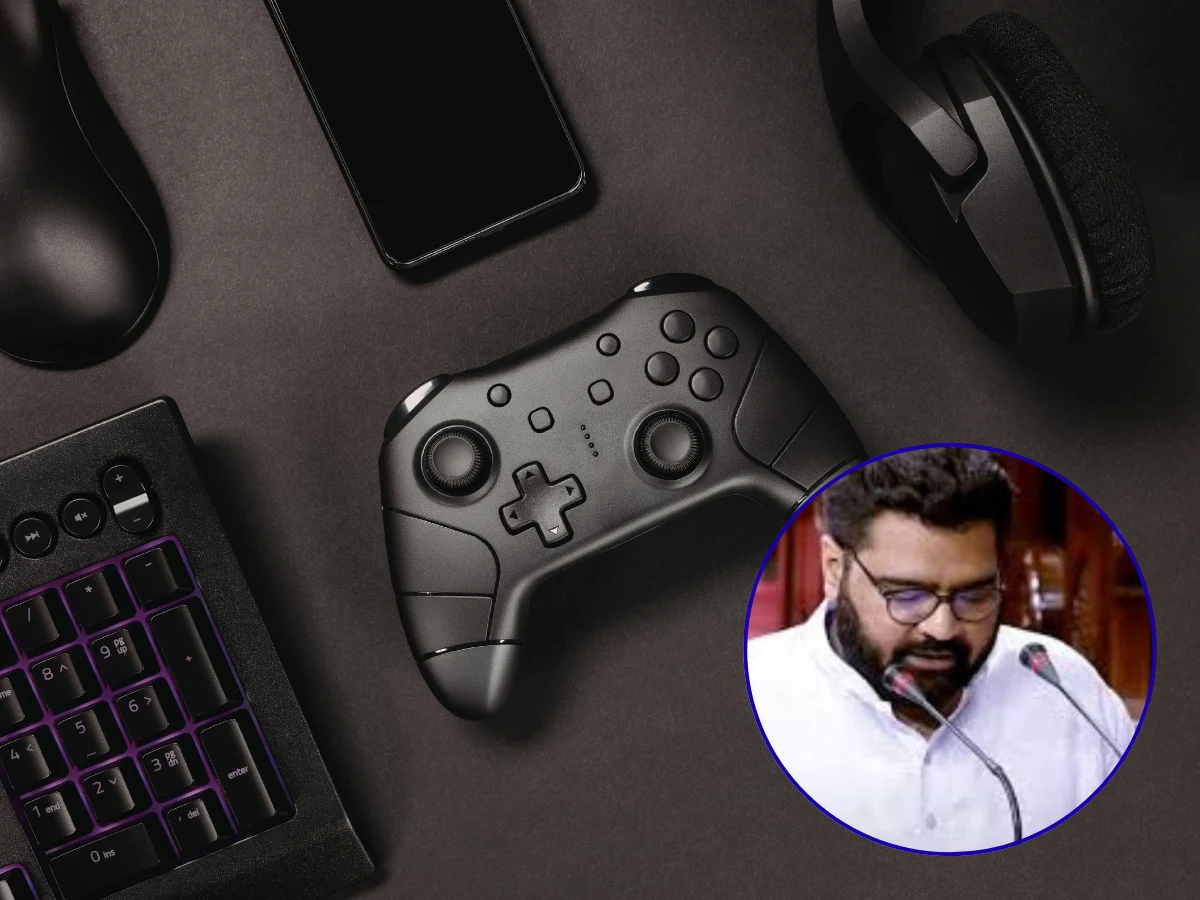
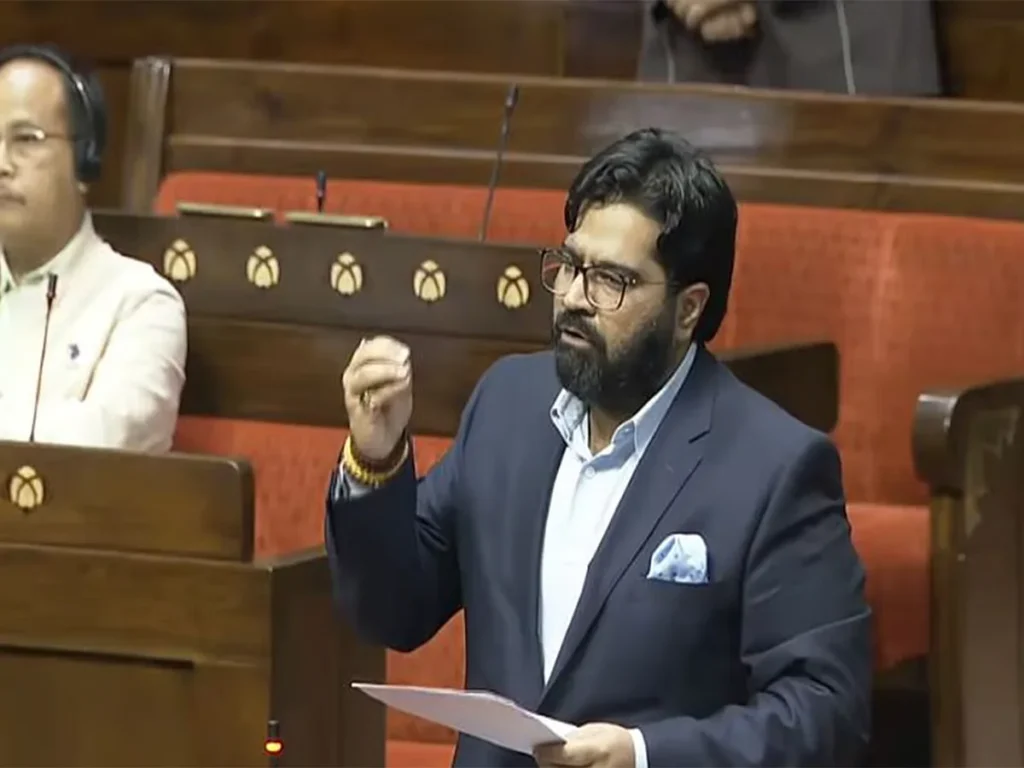
In February 2026, the debate reached the national spotlight when Kartikeya Sharma, a Member of Parliament in the Rajya Sabha, urged the government to move beyond piecemeal actions and introduce structured, ecosystem-wide regulation for online gaming in India. His intervention was not limited to banning harmful practices but focused on building a responsible, future-ready framework for the entire industry.
Sharma highlighted four critical areas of concern:
- Child safety, including exposure to age-inappropriate content and weak age-verification systems
- Mental health risks, such as gaming addiction, excessive screen time, and psychological dependency
- Financial fraud and exploitation, especially through unregulated or offshore real-money gaming platforms
- The urgent need to formally recognize esports as a legitimate industry, capable of creating careers, jobs, and global representation for India
What makes this moment significant is that it goes beyond politics or moral panic. At stake is the future of an industry projected to become a $9 billion market in the next few years, employing hundreds of thousands of people across game development, animation, content creation, esports management, and digital payments.
This is not just a policy debate—it is an inflection point. The decisions taken now could determine whether India becomes a global gaming and esports powerhouse or loses momentum due to regulatory uncertainty and user mistrust.
👉 In this article, we break down what Kartikeya Sharma said, why the timing matters, how other countries regulate gaming, the risks of over- or under-regulation, the opportunities for gamers and startups, and what the road ahead could look like for India’s gaming ecosystem.

Who Is RS MP Kartikeya Sharma & Why His Statement Matters
Kartikeya Sharma is a Member of Parliament in the Rajya Sabha and a prominent voice in India’s policy discourse around the digital economy, media, and emerging creative industries. Over the years, he has consistently advocated for building economic value through innovation-led sectors that combine technology, culture, and entrepreneurship.
Key Areas He Actively Champions
Kartikeya Sharma is widely known for supporting:
- India’s Orange Economy – industries driven by creativity, intellectual property, media, and digital content
- Digital entrepreneurship – especially startups operating in technology, platforms, and creator-led ecosystems
- Creative and future-facing industries – including media, gaming, animation, esports, and digital entertainment
These sectors are increasingly viewed as employment multipliers, particularly for India’s young population, and as contributors to India’s long-term digital GDP.
Why His Parliamentary Statement Carries Weight
When a sitting Rajya Sabha MP raises an issue on the floor of Parliament, it is more than a personal opinion. It typically signals:
- Policy discussions at the highest level of government, involving multiple ministries such as IT, Electronics, Information & Broadcasting, Sports, and Finance
- Potential groundwork for future legislation or regulatory frameworks, especially when concerns are raised repeatedly or echoed by other lawmakers
- Increased scrutiny and accountability for the sector, including closer monitoring of business practices, user protection, and compliance
In India’s governance system, many major digital regulations—such as those affecting fintech, data privacy, and social media—began with parliamentary interventions similar to this one.
Why Gaming, in Particular, Is Under the Spotlight
The online gaming industry sits at the intersection of multiple sensitive and high-impact domains, which makes regulatory attention inevitable:
- Finance: Real-money gaming, microtransactions, in-app purchases, and digital payments expose users to financial risks and fraud
- Mental Health: Excessive gaming, addiction patterns, and psychological dependency—especially among adolescents—are growing concerns
- Youth Culture: Gaming strongly influences behavior, social interaction, and lifestyle choices of India’s younger generation
- Digital Payments: Seamless UPI and wallet integration has lowered friction but increased the risk of impulsive spending
⚠️ Because gaming touches all these areas simultaneously, any policy vacuum can have wide social, economic, and psychological consequences.
Why This Moment Is Especially Important
Kartikeya Sharma’s intervention comes at a time when:
- India has become the largest gaming audience globally
- Investor interest is high but cautious due to regulatory uncertainty
- Esports is emerging as a potential global representation platform for India
- Public concern around addiction and child safety is rising
His statement, therefore, acts as a policy trigger point—forcing regulators, industry leaders, parents, and gamers to confront a fundamental question:
How can India protect its users while still allowing its gaming and esports ecosystem to grow responsibly?This is why his call for online gaming regulation matters—not just to lawmakers, but to the entire future of India’s digital entertainment economy.
India’s Online Gaming Market: Key Stats & Growth Snapshot
India’s online gaming industry has evolved from a niche entertainment segment into one of the largest digital consumer ecosystems in the country. Driven by affordable smartphones, low-cost data, and UPI-based payments, gaming has become deeply embedded in everyday digital life—especially among young users in Tier-2 and Tier-3 cities.
📊 Fast Facts: India Online Gaming Market
- Total gamers in India: ~488 million
- Expected gamers by 2027: 550+ million
- Market size (2024): ~$3.7 billion
- Projected market size (2029): $9–10 billion
- Annual growth rate (CAGR): ~20–22%
- Mobile gamers: ~90% of total users
- PC & console gamers: ~10%
- India’s share of global gamers: ~20%
- India’s share of global gaming revenue: ~1%
📌 This gap between users and revenue is one of the most defining characteristics of India’s gaming market.
📱 Mobile-First Nation: Why Mobile Gaming Dominates
India is fundamentally a mobile-first gaming economy:
- Low-cost Android smartphones have massively expanded access
- Affordable data plans enable high daily engagement
- Casual, hyper-casual, and multiplayer games dominate downloads
- Rural and semi-urban users form a rapidly growing segment
This has made India the world’s largest market for mobile game downloads, even though spending per user remains low compared to Western and East Asian markets.
💰 The Monetization Gap: India vs Global Markets
Despite having one in every five gamers globally:
- Average Revenue Per User (ARPU) in India is among the lowest worldwide
- Most players rely on free-to-play models
- Monetization primarily comes from:
- In-game ads
- Microtransactions
- Battle passes
- Limited real-money gaming formats
- In-game ads
By comparison:
- Gamers in the US, Japan, and South Korea spend 5–10× more per user annually
- These markets benefit from:
- Higher trust
- Clear regulation
- Strong consumer protection
- Higher trust
💡 Key Insight:
India does not lack users—it lacks structured monetization frameworks built on trust, safety, and regulation.
🧠 User Demographics & Engagement Trends
- Age group: Majority of Indian gamers fall between 16–35 years
- First-time internet users: A significant portion discovered the internet through gaming
- Daily engagement: Many mobile gamers spend 30–90 minutes per day
- Content-driven growth: Influencers, streamers, and esports events drive retention
This makes gaming not just an entertainment product, but a cultural and social platform.
🏗️ Why These Numbers Trigger Policy Attention
From a policymaker’s perspective, the scale of India’s gaming market raises important questions:
- How are minors being protected?
- Are financial transactions transparent and fair?
- Who is accountable when disputes arise?
- How do we prevent illegal offshore platforms from exploiting Indian users?
With hundreds of millions of users and billions in future revenue, even small policy changes can have nationwide impact.
💡 Why Regulation Becomes a Growth Lever
Contrary to popular belief, regulation is not always a growth barrier. In India’s gaming context, well-designed regulation can unlock growth by:
- Increasing user trust
- Encouraging responsible spending
- Attracting long-term investors
- Enabling global partnerships
- Supporting esports as a structured industry
In short: India already has scale.
What it needs next is credibility, consistency, and clarity.That is why India’s online gaming statistics are not just numbers—they are the foundation of a much larger policy and economic debate.
What Exactly Did Kartikeya Sharma Say?
During his address in the Rajya Sabha, Kartikeya Sharma made a strong case for reframing how India approaches online gaming regulation. Rather than focusing on selective bans or reactive crackdowns, he argued for a structured, forward-looking regulatory framework that treats online gaming as a complete ecosystem—not just a moral or legal problem.
His remarks reflected growing concern within Parliament that India’s gaming sector has outgrown its existing policy approach, and that ad-hoc measures are no longer sufficient for an industry impacting hundreds of millions of users.
🔹 Core Points Raised by Kartikeya Sharma (Explained in Detail)
1️⃣ Need for Comprehensive Regulation — Not Just Bans
Sharma stressed that blanket bans or piecemeal restrictions are neither sustainable nor effective. According to him:
- Bans often push users toward illegal or offshore platforms
- They fail to address underlying risks like addiction and fraud
- They discourage legitimate startups and investors
Instead, he called for end-to-end regulation covering:
- Game developers
- Publishers and platforms
- Payment systems
- Advertising and marketing practices
The focus, he implied, should be on governance, accountability, and standards, not suppression.
2️⃣ Stronger Child Protection Mechanisms
A major part of Sharma’s intervention focused on minors and young users, who form a large share of India’s gaming population.
He highlighted the need for:
- Robust age-verification systems
- Clear age-appropriate content classification
- Limits on in-game spending and playtime for minors
- Strong parental control tools
This reflects growing concern that children are currently exposed to unregulated content, addictive design mechanics, and financial risks without adequate safeguards.
3️⃣ Addressing Gaming Addiction & Mental Health Risks
Sharma acknowledged that gaming itself is not inherently harmful, but warned against unchecked and excessive use, especially among adolescents.
Key concerns included:
- Gaming addiction and compulsive behavior
- Mental health issues such as anxiety, stress, and sleep disorders
- Lack of awareness and early intervention mechanisms
He pointed out that without regulation:
- Platforms have little incentive to design for user well-being
- Health risks often surface after damage is done
His remarks align with global discussions around responsible game design and mental health protection.
4️⃣ Differentiating Games of Skill vs Games of Chance
One of the most important legal points Sharma raised was the need for clear differentiation between:
- Games of skill (strategy, knowledge, reflex-based outcomes)
- Games of chance (luck-dominated, gambling-like mechanics)
This distinction is critical because:
- Indian courts have historically treated games of skill differently
- Regulatory ambiguity creates confusion for startups and users
- Enforcement becomes inconsistent across states
Sharma suggested that clear definitions and classifications are essential to ensure fairness, legal clarity, and consistent enforcement nationwide.
5️⃣ Granting Official Recognition to Esports
Perhaps the most future-facing part of Sharma’s statement was his push to formally recognize esports as a legitimate industry and competitive discipline.
He highlighted that esports:
- Creates careers beyond just playing (coaching, casting, management, production)
- Represents India globally in international competitions
- Attracts sponsorships, tourism, and digital exports
Official recognition could unlock:
- Government support and funding
- Structured tournaments and leagues
- Athlete visas and international participation
- Long-term career pathways for young talent
🧩 The Larger Message Behind His Statement
At its core, Kartikeya Sharma’s message was clear:
“Online gaming must be regulated as a full ecosystem—protecting users while enabling innovation.”
This statement captures a balanced policy vision—one that does not demonize gaming, but also does not ignore its risks. It frames regulation not as a restriction, but as a foundation for sustainable growth, trust, and global competitiveness.
His remarks signal a shift in tone within India’s policymaking circles—from reactionary measures toward strategic governance of the digital entertainment economy.
Why Online Gaming Regulation Is Being Pushed
The push for online gaming regulation in India is not sudden or arbitrary. It is the result of mounting evidence, public concern, and global health and policy research showing that large, unregulated digital ecosystems—especially those involving money, minors, and addictive design—can create serious social and economic risks.
With hundreds of millions of users and rising daily engagement, online gaming has moved from being a leisure activity to a public policy issue.
🚨 Key Concerns Driving Policy Attention
1️⃣ Addiction & Mental Health Risks
One of the strongest arguments for regulation is the growing link between excessive gaming and mental health challenges, particularly among children and young adults.
- The World Health Organization officially recognizes gaming disorder as a mental health condition in its International Classification of Diseases (ICD-11).
- Symptoms include:
- Loss of control over gaming habits
- Gaming taking priority over daily activities
- Continued gaming despite negative consequences
- Loss of control over gaming habits
In the Indian context, mental health professionals and educators have raised concerns about:
- Excessive screen time, often exceeding 4–6 hours daily
- Increased cases of anxiety, irritability, and social withdrawal
- Sleep disorders caused by late-night gaming
- Reduced academic performance due to poor focus and time mismanagement
⚠️ Why this matters for policymakers:
Without regulation, platforms have little incentive to implement playtime limits, warning systems, or wellness-focused design—leaving prevention and intervention entirely to families.
2️⃣ Financial Risks & Consumer Exploitation
The integration of digital payments, wallets, and UPI into gaming platforms has significantly lowered the barrier to spending—sometimes without users fully realizing the financial consequences.
Key Financial Risks Identified:
- Hidden or unclear charges, where users are not fully aware of real-money implications
- Predatory monetization mechanics, such as:
- Loot boxes
- Time-limited offers
- Psychological nudges encouraging impulsive spending
- Loot boxes
- Unregulated real-money gaming platforms, often hosted offshore
- Fraud, identity misuse, and payment disputes, with limited grievance redressal
In several reported cases, users—especially students—have accumulated significant financial losses in short periods due to easy access to credit, wallets, or borrowed funds.
💡 Policy concern:
Unregulated gaming blurs the line between entertainment and gambling, exposing users to financial harm without the protections applied to formal financial products.
3️⃣ Child Safety & Minor Protection
Children and teenagers form a large and rapidly growing segment of India’s online gaming population, making child safety a central regulatory priority.
Current Gaps Highlighted by Policymakers:
- Easy access to age-inappropriate content, including violent or psychologically intense games
- Weak or easily bypassed age-verification systems
- In-app purchase exploitation, where minors:
- Make unauthorized transactions
- Spend without understanding real monetary value
- Use parents’ payment methods without consent
- Make unauthorized transactions
In many cases, parents become aware only after financial loss or behavioral changes have already occurred.
⚠️ Why regulation is critical here:
Clear rules around age ratings, parental controls, spending limits, and consent mechanisms are essential to prevent long-term harm and protect minors from digital exploitation.
🧠 The Bigger Picture: Why Governments Are Stepping In
Online gaming today sits at the crossroads of:
- Mental health
- Consumer finance
- Child rights
- Digital payments
- Youth culture
When an industry touches so many sensitive areas at once, regulatory oversight becomes inevitable—not to restrict innovation, but to ensure responsible growth.
In essence:
Governments are not trying to stop people from gaming.
They are trying to ensure that gaming does not harm users faster than it creates value.
This is why calls for regulation—such as those raised by Kartikeya Sharma—are gaining momentum and urgency across India’s policymaking ecosystem.
Global Gaming Regulation: How Other Countries Do It
Governments across the world have taken very different regulatory approaches to online gaming, shaped by cultural norms, legal systems, and public health priorities. While no single model is perfect, global examples clearly show that structured regulation is more effective than blanket bans or complete absence of oversight.
🌍 International Gaming Regulation Models
| Country | Regulatory Approach |
| China | Enforces strict playtime limits for minors, allowing gaming only during fixed hours; mandates real-name and ID-based login systems to prevent age falsification; uses centralized government oversight to curb addiction and excessive spending. |
| United Kingdom | Regulates real-money and gambling-like games through the UK Gambling Commission, ensuring licensing, consumer protection, transparency in odds, and responsible gaming tools such as self-exclusion and spending caps. |
| South Korea | Introduced the “Shutdown Law” restricting late-night gaming for minors; later relaxed it to balance youth protection with personal freedom; now emphasizes parental controls, education, and industry self-regulation. |
| European Union | Focuses on consumer rights, data privacy, and transparency through frameworks like GDPR; mandates clear disclosure of in-game purchases, protects minors’ data, and enforces strict rules on targeted advertising. |
| United States | Follows a state-level regulatory model, with different states applying different rules for online gaming and gambling; emphasizes age verification, licensing, and consumer safeguards, allowing flexibility but creating regulatory diversity. |
📌 Key Lessons for India from Global Models
- One-size-fits-all regulation does not work in a diverse gaming ecosystem
- Technology-driven enforcement (ID verification, playtime tracking, AI monitoring) is more effective than manual policing
- Consumer protection and transparency build long-term trust and sustainable revenue
- Overly harsh restrictions can backfire, pushing users toward unregulated offshore platforms
- Clear rules attract global investors and legitimate studios
📌 Lesson for India:
Regulation works best when it is balanced, tech-enabled, and transparent—protecting users without stifling innovation, while allowing the gaming and esports ecosystem to grow responsibly.
Risks of Over-Regulation vs No Regulation
Regulating online gaming is a policy tightrope walk. Move too aggressively, and innovation collapses. Do nothing, and social, financial, and health risks spiral out of control. India’s challenge is not whether to regulate—but how to regulate without damaging a high-potential industry.
⚖️ The Policy Tightrope
❌ Risks of Over-Regulation
Over-regulation—such as blanket bans, unclear compliance rules, or excessive licensing burdens—can have serious unintended consequences.
1️⃣ Startup Shutdowns & Innovation Loss
- Young gaming startups often operate on thin margins
- Heavy compliance costs discourage experimentation
- Smaller studios shut down or relocate to friendlier markets
This leads to:
- Reduced domestic innovation
- Loss of India’s creative IP
- Dependence on foreign gaming content
2️⃣ Job Losses Across the Ecosystem
The gaming industry supports not just developers, but:
- Designers and animators
- Esports managers and event organizers
- Streamers, casters, editors, and creators
Over-regulation can trigger:
- Layoffs across gaming and esports companies
- Reduced freelance and creator income
- Slower job creation in Tier-2 and Tier-3 cities
📉 This is particularly damaging in a youth-driven economy like India.
3️⃣ Users Moving to Illegal Offshore Platforms
History shows that when legal options disappear:
- Users shift to unregulated offshore apps
- These platforms often:
- Bypass Indian laws
- Ignore age restrictions
- Lack grievance redressal
- Pose data and financial security risks
- Bypass Indian laws
⚠️ Irony: Over-regulation can make users less safe, not more.
❌ Risks of No Regulation
On the other extreme, a hands-off approach creates its own set of serious problems.
1️⃣ Addiction & Public Health Crises
Without regulatory guardrails:
- Platforms are incentivized to maximize screen time
- Addictive design patterns go unchecked
- Early warning systems are absent
This can result in:
- Rising gaming addiction cases
- Mental health stress on families and schools
- Increased burden on healthcare systems
2️⃣ Financial Fraud & Consumer Harm
No regulation means:
- No standardized disclosures
- Weak oversight of real-money mechanics
- No clear accountability for losses or disputes
Users face:
- Fraudulent apps
- Misleading reward structures
- Difficulty recovering lost money
💸 In extreme cases, financial harm spills into debt, stress, and social conflict.
3️⃣ Loss of Investor Confidence
Serious investors look for:
- Legal clarity
- Predictable policy environments
- Consumer protection standards
A regulatory vacuum creates:
- Policy uncertainty
- Higher investment risk
- Capital flight to better-regulated markets
📉 Without regulation, India risks losing long-term capital and global partnerships.
✅ Why Smart Regulation Is the Only Sustainable Middle Path
The most effective approach lies between these two extremes.
What Smart Regulation Looks Like
- Clear definitions (skill vs chance)
- Strong child and consumer protection
- Technology-enabled enforcement
- Industry participation and self-regulation
- Proportionate penalties—not blanket bans
The Outcome
- Users are protected
- Innovation continues
- Startups scale responsibly
- Investors gain confidence
- Esports and creative industries grow
Smart regulation does not slow industries—it stabilizes them.
Bottom Line
India’s online gaming debate is not about control versus freedom.
It is about designing rules that allow gaming to grow responsibly without harming users.
✅ Smart regulation is not a compromise—it is the only path to sustainable growth.
Impact on Gamers, Parents & Children
Online gaming regulation is often discussed in terms of laws and businesses, but its real impact is felt at the household and individual level. Clear rules can significantly change how parents protect children, how gamers experience fairness and safety, and how young users interact with digital platforms.
👨👩👧 Impact on Parents
For many parents, online gaming is one of the least understood yet most influential parts of their children’s digital lives. Regulation can empower parents with tools and clarity they currently lack.
What Regulation Can Enable for Parents
- Clear age ratings and content classification
Parents can easily identify which games are suitable for different age groups, similar to movie or TV ratings. - Mandatory spending limits for minors
Caps on in-game purchases help prevent:
- Accidental spending
- Impulsive purchases
- Use of stored payment methods without consent
- Accidental spending
- Playtime alerts and usage dashboards
Parents can monitor:
- Daily and weekly playtime
- Late-night gaming activity
- Sudden spikes in usage that may signal unhealthy behavior
- Daily and weekly playtime
💡 Why this matters:
Instead of reacting after problems arise, parents can take preventive action based on real-time data and controls.
🎮 Impact on Gamers
For gamers—especially young adults and competitive players—regulation is not about restriction, but about fairness, safety, and legitimacy.
Key Benefits for Gamers
- Safer gaming platforms
Regulation encourages platforms to:
- Protect user data
- Offer transparent rules
- Provide grievance redressal mechanisms
- Protect user data
- Fair gameplay environments
Strong oversight reduces:
- Cheating and bots
- Manipulative reward systems
- Unfair matchmaking practices
- Cheating and bots
- Legitimate esports and career pathways
With clearer rules:
- Esports competitions gain official recognition
- Players can pursue gaming as a profession
- Sponsorships and prize money become more transparent
- Esports competitions gain official recognition
🎯 For serious gamers, regulation adds credibility and long-term stability to their passion.
🧒 Impact on Children & Teenagers
Children are the most vulnerable group in the gaming ecosystem due to limited financial understanding and emotional maturity.
How Regulation Protects Minors
- Stronger age verification systems
- Restricted access to gambling-like mechanics
- Parental consent for financial transactions
- Mandatory warnings for excessive playtime
These measures help ensure that gaming remains entertainment—not exploitation.
⚠️ Highlight Box: Warning
Lack of regulation significantly increases exposure to unlicensed and offshore gambling apps, which often target teenagers through social media ads, influencers, and fake rewards—without age checks, financial safeguards, or consumer protection.
🧠 The Bigger Impact
When gaming platforms operate without oversight:
- Parents are left guessing
- Gamers face unfair practices
- Children face financial and psychological risks
When regulation is implemented thoughtfully:
- Families gain control
- Gamers gain trust
- The ecosystem gains legitimacy
👉 In essence: smart regulation transforms online gaming from a risky digital activity into a responsible, structured, and sustainable form of entertainment for all age groups.
Impact on Startups, Investors & Jobs
Beyond players and parents, online gaming regulation has far-reaching implications for India’s startup ecosystem, investment climate, and employment landscape. With clarity and consistency, regulation can act as a growth catalyst rather than a constraint.
🚀 Positive Outcomes for Startups & Investors
1️⃣ Increased Investor Trust & Capital Inflows
Investors—especially institutional and global funds—prioritize:
- Legal clarity
- Predictable compliance requirements
- Consumer protection standards
Clear gaming regulations can:
- Reduce regulatory risk premiums
- Encourage long-term capital instead of speculative funding
- Bring back investor confidence shaken by past policy uncertainty
💡 Why this matters:
A regulated environment makes gaming startups bankable, not risky side bets.
2️⃣ Entry of Global Gaming Studios & Partnerships
Well-defined rules can make India an attractive destination for:
- Global game publishers
- Console and mobile studios
- Esports organizers
- Gaming infrastructure providers
This can lead to:
- Cross-border collaborations
- Technology and skill transfer
- Indian studios working on global IPs
- Localized game development for Indian audiences
🌍 India moves from being just a user base to becoming a global production hub.
3️⃣ Structured Growth Across the Gaming Value Chain
Regulation enables sustainable growth across multiple verticals, including:
🎮 Game Development
- Indie studios gain legitimacy and funding
- IP creation is protected and monetized
- Higher-quality, culturally relevant games emerge
🎨 Animation & Visual Design
- Demand rises for 2D/3D artists, animators, UI/UX designers
- Spillover benefits to film, OTT, and advertising sectors
🥽 AR/VR & Immersive Technologies
- Gaming acts as a testing ground for AR/VR innovation
- Use cases expand into education, training, and simulation
🏆 Esports Management & Event Ecosystem
- Professional leagues, tournaments, and franchises
- Roles in operations, marketing, production, and logistics
- Growth of casting, analytics, and performance coaching
📈 Each of these verticals feeds into the broader digital and creative economy.
💼 Job Creation Potential: A Youth Opportunity
With proper regulation and ecosystem support, India’s gaming industry could generate 500,000+ direct and indirect jobs by 2030.
Types of Jobs Created
- Game designers and developers
- Animators, artists, and storytellers
- QA testers and product managers
- Esports athletes, coaches, and analysts
- Streamers, creators, editors, and casters
- Marketing, community, and partnership managers
- Legal, compliance, and policy professionals
Why This Is Important for India
- Gaming jobs are skill-based, not location-dependent
- They provide opportunities in Tier-2 and Tier-3 cities
- They align with India’s demographic dividend
- They encourage youth to build careers in creative and tech fields
🧠 The Bigger Economic Impact
A regulated gaming ecosystem:
- Strengthens India’s digital exports
- Builds homegrown intellectual property (IP)
- Reduces brain drain by creating creative careers locally
- Positions India competitively in the global digital entertainment market
In short: Regulation doesn’t just protect users—it professionalizes the industry.
🔑 Bottom Line
Without regulation, startups struggle, investors hesitate, and job creation stalls.
With smart, balanced regulation, India can transform gaming into:
- A major employment engine
- A magnet for global capital
- A cornerstone of the creative digital economy
💼 India’s gaming future isn’t just about play—it’s about productivity, professions, and prosperity.
Esports Recognition: A Game-Changer for India?
Kartikeya Sharma has been one of the most vocal parliamentary advocates for granting official sports recognition to esports, arguing that competitive gaming deserves the same institutional support as traditional sports.
This recognition could mark a historic inflection point for India’s digital sports ecosystem.
🏆 Why Official Esports Recognition Matters
1️⃣ Access to Government Funding & Infrastructure
Once recognized as a sport, esports can:
- Qualify for central and state sports grants
- Gain access to publicly funded training facilities
- Be included in sports academies and youth development programs
This would help move esports from private sponsorship dependency to a structured public–private model.
2️⃣ Athlete Visas, Sponsorships & Global Mobility
Official status enables:
- Easier athlete visas for international tournaments
- Recognition by Olympic committees and global federations
- Formal sponsorships from regulated brands
- Insurance, contracts, and player welfare protections
🌍 Indian esports athletes gain parity with cricketers, shooters, and badminton players on the global stage.
3️⃣ Structured Tournaments & League Systems
Recognition allows:
- National esports federations
- Standardized tournament formats
- Transparent ranking and qualification systems
- Anti-cheating and integrity frameworks
This reduces fragmentation and brings:
- Competitive fairness
- Viewer trust
- Commercial stability
4️⃣ Career Stability for Players & Support Staff
Esports recognition transforms gaming from a “risky passion” into a legitimate career path.
🎮 Direct Careers
- Professional players
- Coaches and analysts
- Team managers
🎥 Indirect Careers
- Casters and commentators
- Streamers and content creators
- Event production and broadcast teams
- Sports psychologists and fitness trainers
👨👩👧 This legitimacy also reassures parents, educators, and society at large.
📈 Market Potential: The Numbers Tell the Story
- India already has one of the largest esports audiences globally
- Youth-driven, mobile-first consumption accelerates growth
- Rising brand interest in esports advertising and sponsorships
📊 Projection:
India’s esports market alone could exceed $1 billion by 2032, driven by:
- Media rights
- Sponsorships
- Ticketed live events
- Merchandise
- Creator-led monetization
🧠 Strategic Importance for India
Recognizing esports is not just about gaming—it aligns with:
- Digital India & youth skilling goals
- Global soft power through digital sports
- Building exportable entertainment IP
- Positioning India as an Asian esports hub
Countries that recognized esports early are now reaping long-term economic and cultural dividends.
🔑 Bottom Line
Esports recognition could:
- Legitimize millions of players
- Unlock institutional funding
- Attract global tournaments to India
- Create thousands of sustainable careers
🎯 As Kartikeya Sharma’s push highlights:
Esports isn’t a distraction—it’s the next evolution of competitive sport in a digital-first nation.
What India’s Gaming Regulation Could Look Like
India’s online gaming ecosystem is too large and complex for fragmented rules or ad-hoc bans. What experts, lawmakers, and industry leaders increasingly point toward is a layered, technology-driven regulatory framework—one that protects users while enabling innovation and investment.
🧩 Possible Regulatory Framework for India
1️⃣ Central Gaming Authority
A dedicated national-level regulatory body could:
- Set uniform standards across states
- Classify games (skill vs chance, casual vs real-money)
- License and audit gaming platforms
- Coordinate with ministries handling IT, sports, finance, and child welfare
💡 This avoids conflicting state laws and regulatory uncertainty.
2️⃣ Mandatory Age Verification
Strong age-gating mechanisms could include:
- Aadhaar-linked or equivalent KYC verification (with privacy safeguards)
- Separate onboarding flows for minors and adults
- Parental consent dashboards for under-18 users
🎯 Goal: Prevent minors from accessing real-money or age-inappropriate games without relying on self-declared age.
3️⃣ Spending & Time Caps
To address addiction and financial harm:
- Daily/weekly spending limits on real-money games
- Playtime caps or cooldown periods
- Mandatory “reality check” notifications during extended play sessions
- Opt-in stricter controls for vulnerable users
🧠 Behavioral nudges can reduce harm without banning gameplay.
4️⃣ Platform Self-Regulatory Bodies (SRBs)
Industry-led self-regulation, overseen by the government, can:
- Speed up compliance
- Reduce bureaucratic delays
- Encourage responsible innovation
SRBs could be responsible for:
- Content moderation
- Advertising standards
- Fair play audits
- Dispute resolution before escalation
📌 This creates shared accountability between the state and industry.
5️⃣ Consumer Grievance Redressal
A transparent and time-bound grievance system is critical:
- In-app complaint mechanisms
- Clearly defined response timelines
- Independent escalation authority
- Refund and dispute mediation protocols
⚖️ Consumer trust increases dramatically when complaints are resolved quickly and fairly.
🔐 Supporting Safeguards That May Be Added
- Clear disclosure of odds, loot box mechanics, and monetization models
- Strict advertising norms (especially for influencers and minors)
- Data privacy protections aligned with India’s digital laws
- Anti-money laundering (AML) checks for real-money platforms
📈 Why This Framework Makes Sense
- Protects children and vulnerable users
- Builds long-term investor confidence
- Encourages domestic game development
- Reduces illegal offshore gaming activity
- Aligns India with global best practices
🎯 Bottom Line
India doesn’t need extreme control—or a free-for-all.
✅ A balanced, transparent, and tech-enabled regulatory framework can:
- Safeguard users
- Legitimize esports and gaming careers
- Unlock billions in economic value
- Position India as a global gaming powerhouse
FAQs Section
1. Is online gaming banned in India?
No, online gaming is not banned in India.
However, the legal status varies depending on:
- Type of game (skill vs chance)
- Monetization model (real-money vs free-to-play)
- State-level laws
Games of skill (such as fantasy sports and many esports formats) are generally legal, while games of chance involving betting or gambling may be restricted or banned in certain states. The absence of a centralized national framework has led to confusion, which is exactly what policymakers are now trying to fix.
2. Does regulation mean all online games will be banned?
Absolutely not.
Regulation does not mean prohibition.
The objective of regulation is to:
- Protect users (especially minors)
- Prevent fraud and addiction
- Create transparency for investors and platforms
Countries with mature gaming industries regulate—not ban—gaming. In fact, clear regulation usually leads to industry growth, not decline.
📌 Think of it like traffic laws: rules exist to make the system safer, not to stop people from driving.
3. Will esports be negatively affected by regulation?
On the contrary, esports is expected to benefit the most.
Proper regulation could:
- Officially recognize esports as a sport
- Enable government-backed tournaments
- Allow athletes to access visas, sponsorships, and insurance
- Encourage schools and colleges to launch esports programs
With policy clarity, esports can move from an informal ecosystem to a structured professional industry.
4. Are casual and mobile games affected by gaming regulation?
In most cases, no.
Casual games that are:
- Free-to-play
- Ad-supported
- Non-monetized
are unlikely to face heavy regulation.
The policy focus is mainly on:
- Real-money gaming (RMG)
- Games with gambling-like mechanics
- Platforms with financial transactions
📱 Candy Crush–style games, puzzle apps, and story games are generally not the target.
5. Will gamers need to complete KYC verification?
Possibly—but only for specific categories.
KYC may be required for:
- Real-money gaming platforms
- Withdrawal of winnings
- Age verification (to protect minors)
Casual or esports-only players are unlikely to need full KYC unless money is involved.
🔐 The goal is user safety and fraud prevention, not surveillance.
6. Is gaming addiction a real and recognized problem?
Yes. Gaming addiction is medically recognized.
The World Health Organization has classified Gaming Disorder as a mental health condition under ICD-11, characterized by:
- Loss of control over gaming
- Prioritizing gaming over daily activities
- Continued gaming despite negative consequences
That said, most gamers are not addicted. Regulation aims to help at-risk users, not punish responsible players.
7. Will regulation hurt Indian gaming startups?
In the short term, some startups may face:
- Higher compliance costs
- Product redesigns
- Stricter audits
But in the long term, regulation brings:
- Investor confidence
- Predictable business rules
- Lower legal risk
- Easier global expansion
📈 Historically, regulated markets attract more capital, not less.
8. Can regulation really stop fraud and scams?
While no system is perfect, regulation can dramatically reduce fraud by:
- Licensing legitimate platforms
- Blocking illegal offshore apps
- Enforcing AML (anti-money laundering) checks
- Penalizing misleading advertising
Without regulation, scammers thrive in grey areas.
With regulation, bad actors are pushed out.
9. Will foreign gaming companies invest more in India after regulation?
Yes—this is one of the biggest benefits.
Global gaming companies look for:
- Legal clarity
- Predictable tax structures
- Stable policy environments
A clear framework could lead to:
- Global studios setting up Indian offices
- Co-development partnerships
- Technology transfer
- High-value job creation
🌍 India could become a global gaming production hub, not just a consumer market.
10. When will India’s online gaming laws be finalized?
As of 2026:
- Parliamentary discussions are ongoing
- Industry consultations are active
- Draft frameworks are under review
While exact timelines are uncertain, policy direction is clear:
👉 Regulation is coming—not bans.
Most experts expect phased implementation, allowing the industry time to adapt.
11. Will regulation increase taxes on gamers and platforms?
Possibly, but with more clarity.
Currently, tax ambiguity has created disputes. Regulation could:
- Standardize tax treatment
- Reduce litigation
- Clarify GST applicability
For gamers, this means:
- Transparent deductions
- Fewer surprise charges
- Legitimate payout mechanisms
12. How will parents benefit from gaming regulation?
Parents gain:
- Stronger age controls
- Spending limits for minors
- Playtime alerts
- Clear grievance channels
This shifts gaming from a “black box” activity to a managed digital environment.
13. Will illegal betting apps disappear after regulation?
They won’t vanish overnight—but regulation makes it harder for them to survive.
With:
- ISP-level blocking
- Payment gateway restrictions
- Public awareness
Most users will naturally shift to licensed platforms.
14. Does regulation mean more censorship in games?
Not necessarily.
The focus is on:
- Safety
- Fair play
- Transparency
Creative freedom, storytelling, and innovation are not the targets of regulation.
15. What happens if India does nothing and avoids regulation?
Doing nothing carries serious risks:
- Rising addiction cases
- Youth exposure to illegal gambling
- Capital flight
- Loss of global competitiveness
📉 No regulation is not neutrality—it’s negligence.
Summary
- India’s online gaming industry is at a critical turning point, with nearly 500 million gamers and a market projected to cross $9 billion by 2029, making regulation unavoidable rather than optional.
- Rajya Sabha MP Kartikeya Sharma has called for comprehensive online gaming regulation, stressing that the ecosystem must be governed holistically—covering child safety, mental health, financial transparency, and fair gameplay.
- Key concerns driving regulation include gaming addiction, exposure of minors, financial fraud, and unregulated real-money gaming platforms, which pose serious social and economic risks if left unchecked.
- Global examples show that balanced regulation works, where countries protect users without stifling innovation—something India must emulate instead of imposing blanket bans or leaving regulatory gaps.
- Proper regulation could unlock massive opportunities for India, including formal recognition of esports, higher investor confidence, job creation across game development, animation, and esports management, and global competitiveness.
- The future of gaming in India depends on smart, tech-enabled regulation, not prohibition—one that safeguards players while enabling startups, creators, and esports professionals to thrive responsibly.

Conclusion
Online gaming is no longer just a form of digital entertainment—it has evolved into a core pillar of the modern digital economy, intersecting with technology, finance, culture, mental health, and employment. With hundreds of millions of users and billions of dollars at stake, the sector has outgrown ambiguity and ad-hoc responses.
Kartikeya Sharma’s call for structured online gaming regulation highlights a critical reality policymakers can no longer ignore:
India does not need blanket bans—it needs balance.
A well-designed regulatory framework can:
- Protect users, especially children and vulnerable groups
- Reduce addiction, fraud, and illegal offshore gambling
- Legitimize esports as a career and competitive sport
- Attract global investment and studios
- Create lakhs of high-quality jobs across gaming, animation, AR/VR, and esports
At the same time, over-regulation risks pushing innovation underground, while no regulation risks long-term social and economic damage. The path forward lies in smart, tech-enabled, and transparent governance—rules that evolve with the ecosystem rather than choke it.
If executed correctly, gaming regulation can become:
- A trust multiplier for players and parents
- A growth catalyst for startups and creators
- A global signal that India is ready to lead—not just consume—the future of gaming
🎯 The real opportunity is bigger than gaming itself.
It is about proving that India can regulate emerging digital industries with foresight, fairness, and innovation, turning a fast-growing sector into a sustainable global powerhouse.India’s gaming moment is here.
What happens next will define the industry for the next decade.
References & Sources
🇮🇳 India-Focused Media & Policy Coverage
- Outlook India – Gaming Regulation & Policy Coverage
https://www.outlookindia.com/topic/online-gaming - The Economic Times – Indian Gaming & Esports Industry
https://economictimes.indiatimes.com/industry/media/entertainment - TalkEsport – Esports Policy & Industry News
https://www.talkesport.com - Press Information Bureau – Government Statements on Gaming & IT
https://pib.gov.in
🌍 Global Health, Economy & Regulation
- World Health Organization – Gaming Disorder (ICD-11)
https://www.who.int/standards/classifications/classification-of-diseases - World Bank – Digital Economy & Youth Engagement Reports
https://www.worldbank.org/en/topic/digitaldevelopment - OECD – Digital Consumer Protection & Youth Policy
https://www.oecd.org/digital
📊 Market Data, Forecasts & Industry Intelligence
- Statista – Global & India Gaming Market Data
https://www.statista.com/markets/418/topic/483/video-games - PwC – Global Entertainment & Media Outlook
https://www.pwc.com/gx/en/industries/tmt/media/outlook.html - Deloitte – Gaming, Esports & Digital Media Insights
https://www2.deloitte.com/global/en/industries/technology-media-telecommunications.html - KPMG – Online Gaming & Esports Reports (India & APAC)
https://kpmg.com/in/en/home/industries/media.html
🎮 Gaming & Esports Industry Bodies
- All India Gaming Federation (AIGF)
https://aigf.in - FICCI – Media, Entertainment & Gaming Reports
https://ficci.in/sector/74/Projectdocs/Media-and-Entertainment - Newzoo – Global Games Market Reports
https://newzoo.com
⚖️ Law, Regulation & Digital Policy
- Ministry of Electronics and Information Technology (MeitY)
https://www.meity.gov.in - UK Gambling Commission – Responsible Gaming Frameworks
https://www.gamblingcommission.gov.uk - European Commission – Digital Consumer Protection Policies https://commission.europa.eu
