







Estimated Reading Time: 28-3 minutes (5,724 words)
Introduction
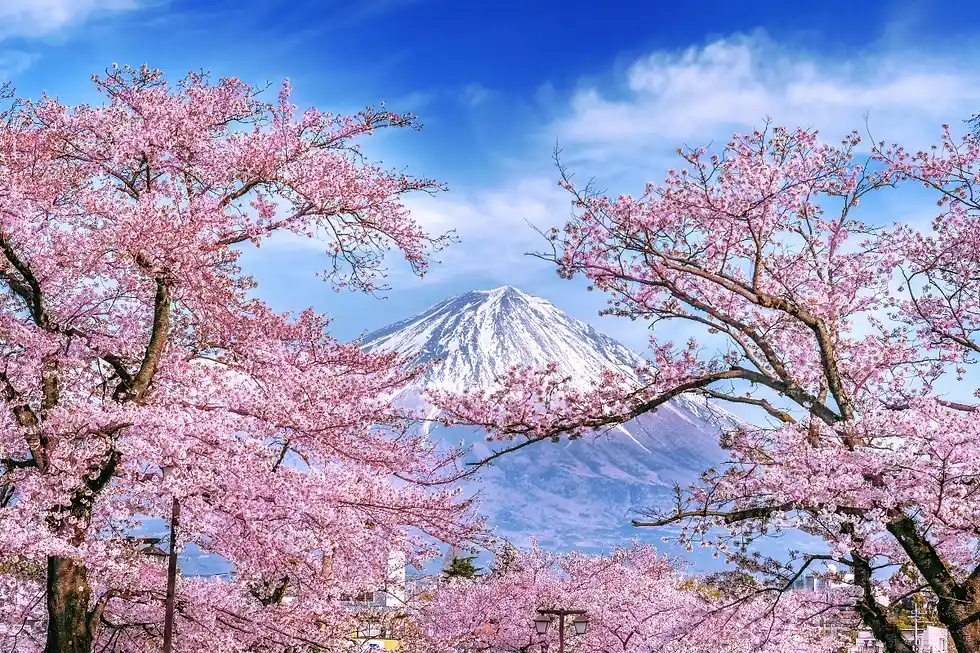
For decades, Japan existed in the Indian traveler’s imagination as a once-in-a-lifetime cherry blossom destination—a short springtime window marked by crowded parks, premium airfares, and limited itineraries. Travel planning revolved almost entirely around March and April, with sakura season acting as the single biggest pull factor.
But 2025 changed everything.
For the first time in history, Indian tourist arrivals to Japan crossed 315,000, making India one of Japan’s fastest-growing inbound tourism markets. What’s more striking is how this growth unfolded:
📌 Visitor numbers continued to surge even after the cherry blossom season ended, breaking Japan’s long-standing seasonal travel pattern.
📌 Indian travelers began visiting Japan in summer, autumn, and winter, driven by interest in festivals, autumn foliage, snow experiences, and off-beat regions.
📌 The average Indian tourist is now staying longer, spending more per trip, and exploring beyond Tokyo–Kyoto circuits, signaling a shift from sightseeing tourism to immersive travel.
This is not just a tourism spike—it’s a structural transformation.
Japan is repositioning itself as a year-round destination, while Indian travelers are evolving into high-value, experience-driven global tourists. Airlines are adding routes, tourism boards are targeting India more aggressively, and travel businesses are rethinking seasonality, pricing, and itineraries.
So what’s really driving this surge in Indian arrivals?
Why are Indians traveling beyond cherry blossom season?
And what does this shift mean for future travelers, travel creators, airlines, hotels, and the broader tourism economy?
This blog answers those questions with verified data, market insights, real examples, and actionable guidance—helping travelers plan smarter and helping industry players understand where Japan tourism is headed next.
Japan Tourism in 2025: The Big Picture
Japan is experiencing one of the strongest tourism rebounds in the world, emerging as a global benchmark for post-pandemic travel recovery. By 2025, international travel to Japan has not only returned to pre-COVID levels but surpassed them decisively, driven by structural changes in global travel behavior and Japan’s proactive tourism strategy.
📊 Key Global Tourism Stats (2025)
- 42–44 million international visitors expected in 2025, making it Japan’s highest-ever annual tourist inflow
- Tourism spending at record highs, with inbound travel contributing significantly to retail, hospitality, transport, and regional economies
- Government target: Japan aims to attract 60 million foreign tourists annually by 2030, positioning tourism as a core pillar of long-term economic growth
📌 Japan is now among the top-performing tourism markets globally, competing with destinations like France, Spain, and the United States in total inbound visitors.
🚀 What’s Powering Japan’s Tourism Boom?
The surge in 2025 is not accidental—it’s the result of multiple forces converging at the right time.
1️⃣ Post-Pandemic Pent-Up Travel Demand
After years of restricted movement, global travelers are prioritizing experiential, long-haul, and culturally rich destinations. Japan, with its blend of tradition, technology, food culture, and safety, has emerged as a top choice for both first-time and repeat visitors.
- Longer average stays
- Higher per-trip spending
- Increased interest in immersive experiences (local food, festivals, countryside travel)
2️⃣ Improved Global & Regional Flight Connectivity
Japan has significantly expanded its air connectivity:
- New and restored direct international routes
- Increased seat capacity from Asia, Europe, North America, and India
- Strategic partnerships with global airlines and regional hubs
This has reduced travel friction, lowered airfare volatility outside peak seasons, and made Japan more accessible year-round.
3️⃣ Aggressive & Data-Driven Tourism Marketing
The Japan National Tourism Organization (JNTO) has shifted from generic promotion to market-specific campaigns, targeting:
- Young travelers
- Families
- Luxury tourists
- High-growth markets like India and Southeast Asia
Marketing now emphasizes off-season travel, regional destinations, and niche experiences such as food tourism, snow tourism, and cultural stays.
4️⃣ Favorable Exchange Rates (Early 2025 Tailwind)
In early 2025, a relatively weaker Japanese yen made Japan more affordable for foreign tourists, increasing:
- Shopping tourism
- Longer stays
- Premium experience bookings
For price-sensitive yet aspirational markets like India, this significantly improved perceived value for money.
🌍 A Strategic Shift: From Volume to Value
Importantly, Japan’s tourism strategy in 2025 is not just about attracting more visitors—it’s about attracting the right kind of visitors:
- Travelers who stay longer
- Spend more locally
- Travel beyond major cities
- Visit outside peak seasons
This shift is crucial in managing overcrowding, boosting regional economies, and sustaining long-term tourism growth.
🔎 Why This Context Matters (SEO + Reader Value)
Understanding Japan’s macro tourism rebound helps explain why:
- Indian arrivals are surging faster than average
- Travel is expanding beyond cherry blossom season
- Airlines, hotels, and travel businesses are doubling down on India
This “big picture” sets the foundation for analyzing India’s role in Japan’s tourism story—which is exactly what the next sections explore.
Record Indian Arrivals: Key Numbers Explained
India has officially emerged as one of the fastest-growing source markets for Japan tourism, with 2025 marking a historic milestone in bilateral travel. What was once a niche, premium destination for Indian travelers is now becoming a mainstream international choice, driven by affordability, awareness, and improved access.
📈 India–Japan Tourism Milestones (2025)
- 315,100 Indian visitors traveled to Japan in 2025, the highest annual figure ever recorded
- +35% year-on-year growth compared to 2024, significantly outpacing Japan’s overall inbound tourism growth rate
- ~80% higher than pre-COVID (2019) levels, indicating not just recovery but structural expansion of Indian outbound travel to Japan
📊 Context: Before the pandemic, Indian arrivals to Japan hovered around the 170,000–180,000 mark annually. Crossing 300,000 in 2025 represents a fundamental shift in travel behavior, not a temporary rebound.
📦 Key Facts Box: Why Indian Growth Matters
📌 Indians are now among Japan’s fastest-growing tourist groups, alongside travelers from Southeast Asia and the Middle East
📌 India is officially emerging as a priority source market for Japan’s long-term tourism strategy due to its large population, rising incomes, and outbound travel momentum
🔍 What Makes Indian Tourists Especially Valuable?
Japan’s tourism authorities and travel businesses aren’t just tracking arrival numbers—they’re focusing on value per traveler, where Indian tourists stand out.
💰 Higher Spend Per Trip
- Average Indian tourist spend in Japan is estimated at ¥240,000+ per trip
- Spending is diversified across:
- Accommodation
- Transport (JR Passes, domestic flights)
- Shopping
- Theme parks and cultural experiences
- Accommodation
⏳ Longer Average Stays
- Indian travelers stay 16+ nights on average, well above the global average
- Longer stays translate to higher regional economic impact, especially outside major cities
🧳 Shift in Traveler Profile: From Group Tours to Experience Seekers
Earlier waves of Indian travel to Japan were dominated by:
- Short-duration group tours
- Golden Route itineraries (Tokyo–Kyoto–Osaka)
In 2025, the profile has evolved:
- More FIT (Free Independent Travelers)
- Increased interest in regional Japan (Hokkaido, Okinawa, Japanese Alps)
- Seasonal diversification beyond cherry blossom travel
- Growing demand for luxury, honeymoon, and multi-city itineraries
📈 Monthly Data Signals a Structural Shift
One of the strongest indicators of sustained growth is monthly arrival consistency:
- May 2025 recorded over 43,000 Indian visitors, despite being outside peak sakura season
- Autumn and winter months also saw double-digit growth, confirming year-round demand
📌 This pattern shows Indian travel to Japan is no longer event-driven—it is becoming habitual and repeat-oriented.
🤝 Why Japan Is Actively Courting Indian Travelers
Japan sees India as:
- A long-term growth market, not a short-term volume booster
- A source of young, repeat, and high-spending travelers
- A market with strong potential for regional dispersal and off-season travel
As a result, Japan is investing in:
- India-focused marketing campaigns
- Improved flight connectivity
- Indian-friendly food, language support, and experiences
🔎 Why This Section Is Critical for the Story
These numbers explain why Japan tourism in 2025 isn’t just booming—but transforming. India’s rise as a source market is reshaping:
- Seasonality patterns
- Airline capacity planning
- Hotel pricing strategies
- Destination marketing priorities
And it sets the stage for the next key question:
👉 Why are Indian travelers now exploring Japan beyond cherry blossom season?
Why Travel Is Expanding Beyond Cherry Blossom Season
For decades, March and April dominated Japan’s tourism calendar, especially among Indian travelers. Cherry blossom season wasn’t just popular—it defined Japan travel itself. Flights sold out months in advance, hotels charged premium rates, and popular parks and temples overflowed with visitors.
But 2025 marked a clear break from this pattern.
Indian travelers are no longer planning Japan trips around a single seasonal event. Instead, they are traveling year-round, driven by better information, smarter cost comparisons, and a growing appetite for diverse, experience-led travel.
So what exactly changed?
🔹 1. Better Awareness: Content Changed Perception (H3)
One of the biggest catalysts behind this shift is information accessibility.
Over the last 2–3 years, travel discovery has moved away from brochures and guidebooks to short-form video, vlogs, and creator-led storytelling.
How awareness evolved:
- Travel creators began showcasing autumn foliage in Kyoto, Nikko, and Hakone as visually stunning as cherry blossoms
- Snow towns like Sapporo, Furano, Niseko, and Nagano gained popularity through winter travel reels
- Summer festivals, street food, and fireworks created fresh narratives beyond sakura
Platforms like YouTube, Instagram, and Google Discover played a key role in:
- Normalizing off-season travel
- Reducing fear of “missing out” on cherry blossoms
- Encouraging repeat travelers to explore new seasons
📌 Result: Japan stopped being seen as a “spring-only destination” and started being perceived as a multi-season experience hub.
🔹 2. Cost Advantage: Price Sensitivity Meets Smart Planning (H3)
Indian travelers are highly value-conscious—and 2025 travel decisions reflect that maturity.
Price differences outside cherry blossom season:
- Flights: 20–35% cheaper compared to March–April
- Hotels: Better availability and discounts, especially in Tier-2 cities
- Attractions & tours: Easier bookings and flexible schedules
In addition to cost savings, travelers benefit from:
- Shorter queues at attractions
- More relaxed sightseeing experiences
- Easier restaurant reservations and transport bookings
⚠️ Important Insight: For families and first-time international travelers, off-season Japan often delivers a better overall experience than peak sakura travel.
🔹 3. Diverse Experiences: Japan’s All-Season Appeal (H3)
Another reason cherry blossom dominance has faded is simple—Japan offers compelling experiences in every season.
🌞 Summer (June–August)
- Traditional Matsuri festivals across cities and towns
- Mount Fuji climbing season
- Okinawa’s tropical beaches and marine activities
🍁 Autumn (September–November)
- Momiji (autumn foliage) in Kyoto, Nikko, Kanazawa
- Ideal weather for walking tours and countryside travel
- Peak season for photography and cultural exploration
❄️ Winter (December–February)
- World-class ski resorts in Hokkaido and Nagano
- Snow festivals like the Sapporo Snow Festival
- Onsen (hot spring) experiences paired with snowfall
📌 Many seasoned travelers now consider autumn the most balanced season—offering beauty, comfort, and cost efficiency.
🧠 Behavioral Shift: From “When to Go” to “What to Experience”
In 2025, Indian travelers are no longer asking:
❌ “When is cherry blossom season?”
Instead, they ask:
✅ “What do I want to experience in Japan?”
This shift reflects:
- Growing international travel confidence
- Higher repeat visitation
- Increased influence of digital content and peer recommendations
🔎 Why This Matters for the Travel Industry (H4)
This move beyond cherry blossoms is reshaping:
- Airline route planning and seasonal pricing
- Hotel occupancy patterns
- Destination marketing strategies
- Content creation and travel SEO trends
For businesses and creators, off-season Japan content now represents a high-growth, lower-competition opportunity.
🧭 What Comes Next
With cherry blossom season no longer the sole anchor, Japan tourism is entering a more sustainable, evenly distributed growth phase—and Indian travelers are at the center of this transformation.
The next section explores how each season is now driving distinct waves of Indian tourism and which months offer the best value.
Here’s a deeply expanded, SEO-optimized, and reader-focused version of that section, designed to capture seasonal search intent, support long-tail keywords, and strengthen topical authority for your blog.
Seasonal Travel Boom: Summer, Autumn & Winter
Japan’s tourism resurgence in 2025 is being driven not by a single peak season, but by a well-distributed, multi-season travel boom. Indian travelers are increasingly choosing travel months based on experiences, cost efficiency, and crowd avoidance, rather than tradition alone.
This shift has turned summer, autumn, and winter into powerful tourism drivers—each offering a distinct reason to visit Japan.
🌞 Summer in Japan (June–August): Culture, Festivals & Nature (H3)
Once considered an “off-season,” summer has become a surprisingly attractive travel window for Indian tourists seeking culture-led experiences.
Key Summer Highlights:
- Mount Fuji climbing season (July–September)
- A bucket-list experience for adventure travelers
- Well-organized trails, huts, and safety infrastructure
- A bucket-list experience for adventure travelers
- Fireworks festivals (Hanabi Taikai)
- Massive city-wide celebrations in Tokyo, Osaka, and regional towns
- One of Japan’s most visually striking summer traditions
- Massive city-wide celebrations in Tokyo, Osaka, and regional towns
- Traditional Matsuri festivals
- Local parades, street food, cultural performances
- Authentic, community-driven experiences
- Local parades, street food, cultural performances
Okinawa: Japan’s Tropical Escape
- Crystal-clear beaches and coral reefs
- Ideal for snorkeling, diving, and island hopping
- Popular among honeymooners and luxury travelers
💡 Why Indians are choosing summer: Lower flight prices compared to spring, fewer international crowds, and access to cultural events rarely seen by peak-season tourists.
🍁 Autumn in Japan (September–November): The New Favorite (H3)
Autumn has quietly become Japan’s second-most popular travel season among Indian visitors, and in some cases, it rivals cherry blossom season in visual appeal.
Why Autumn Is Gaining Massive Popularity:
- Momiji (autumn foliage) transforms cities and countryside into shades of red, gold, and orange
- Peak foliage destinations:
- Kyoto – temples framed by maple leaves
- Nikko – mountains, lakes, and shrines
- Hakone – foliage with Mount Fuji views
- Kyoto – temples framed by maple leaves
- Comfortable temperatures ideal for walking tours and photography
Practical Advantages:
- Better hotel availability than spring
- Less crowd congestion at major attractions
- Balanced pricing across flights and accommodations
📌 Many seasoned travelers now believe autumn offers the best overall Japan experience—combining beauty, comfort, and value.
❄️ Winter in Japan (December–February): Snow, Ski & Serenity (H3)
Winter tourism is seeing rapid growth among Indian travelers, especially families, honeymooners, and adventure seekers.
Winter Travel Highlights:
- Hokkaido snow festivals, including the world-famous Sapporo Snow Festival
- Internationally acclaimed ski resorts in:
- Hokkaido (Niseko, Furano)
- Nagano (Hakuba Valley)
- Hokkaido (Niseko, Furano)
- Beginner-friendly ski lessons, English-speaking instructors
Onsen & Wellness Tourism:
- Hot spring towns like Hakone, Takayama, and Beppu
- Snow-covered landscapes paired with outdoor baths
- Growing appeal among wellness-focused travelers
⚠️ Important Note: Winter travel requires weather planning, but offers some of the most peaceful and luxurious experiences Japan has to offer.
📊 Seasonal Comparison Snapshot (H4)
| Season | Best For | Crowd Level | Cost Advantage |
| Summer | Festivals, beaches, adventure | Moderate | High |
| Autumn | Scenery, photography, culture | Moderate | Medium |
| Winter | Snow, ski, onsen | Low–Moderate | High |
| Spring | Cherry blossoms | Very High | Low |
🧠 Why Seasonal Diversification Matters
This shift toward year-round travel is:
- Reducing overcrowding during spring
- Boosting tourism in regional destinations
- Creating better pricing stability for travelers
- Making Japan more accessible for families and budget-conscious tourists
For Indian travelers, this means more choices, better value, and richer experiences.
🧭 What This Signals Going Forward
With autumn and winter firmly established as strong travel seasons, Japan is no longer a destination tied to a single moment. Instead, it’s evolving into a multi-season global tourism powerhouse, with Indian travelers playing a central role in that transformation.
Here’s a much more detailed, data-backed, and monetization-aware expansion of that section, written to strengthen topical authority, highlight economic impact, and support affiliate + AdSense opportunities.
How Indian Tourists Are Spending More in Japan
The surge in Indian arrivals to Japan in 2025 isn’t just about higher visitor numbers—it’s about higher-value tourism. Indian travelers are emerging as one of Japan’s most economically impactful visitor segments, characterized by longer stays, diversified spending, and a willingness to pay for premium experiences.
📊 Spending & Stay Insights (2025)
- Average spend per Indian tourist: ¥241,590 per trip (~₹1.45 lakh)
- Average length of stay: 16.3 nights, significantly higher than the global average
- Per-day spend: Strong due to transport, food, experiences, and shopping
📌 Why this matters: Longer stays naturally translate into higher cumulative spend, benefiting not just major cities but regional economies as well.
🧳 Where Indian Tourists Are Spending Their Money (H3)
Indian travel spending in Japan is no longer concentrated only on sightseeing. It now spans transport, experiences, luxury, and lifestyle purchases.
🚆 1. JR Rail Passes & Domestic Travel
- High uptake of JR Rail Passes for multi-city travel
- Extensive use of:
- Shinkansen (bullet trains)
- Regional rail networks
- Shinkansen (bullet trains)
- Encourages exploration beyond Tokyo–Kyoto–Osaka
💡 Insight: Rail passes are one of the top pre-booked items by Indian travelers, making them a high-conversion affiliate category.
🎢 2. Theme Parks & Entertainment Experiences
- Strong demand for:
- Tokyo Disneyland & DisneySea
- Universal Studios Japan (Osaka)
- Tokyo Disneyland & DisneySea
- Popular among families, couples, and first-time visitors
- Often combined with premium ticket options and merchandise spending
📌 Theme parks significantly boost per-day travel spend.
🛍️ 3. Luxury & Tax-Free Shopping
Indian travelers are increasingly drawn to Japan for:
- Electronics
- Watches and luxury goods
- Japanese skincare and beauty brands
- Fashion and streetwear
Key shopping hubs include:
- Ginza (Tokyo)
- Shinsaibashi (Osaka)
- Outlet malls across regions
⚠️ Tax-free shopping + favorable exchange rates have made Japan a high-value retail destination.
🎎 4. Cultural Workshops & Experiential Travel
A major shift in 2025 is the rise of experience-based spending.
Popular paid experiences include:
- Tea ceremonies
- Kimono dressing & photoshoots
- Sushi-making and ramen workshops
- Calligraphy and craft classes
🧠 Trend: Indian travelers are prioritizing “memorable experiences over souvenirs”, especially repeat visitors.
🧭 Changing Traveler Profiles: Why Spending Is Rising (H3)
Several behavioral changes explain higher spend:
- More FIT (Free Independent Travelers) instead of group tours
- Increased number of honeymooners and luxury travelers
- Greater comfort with international digital payments
- Willingness to splurge on once-in-a-lifetime experiences
📦 Spending Distribution Snapshot (H4)
| Category | Share of Spend | Growth Trend |
| Transport | High | Rising |
| Accommodation | High | Stable |
| Shopping | Medium–High | Rising |
| Experiences | Medium | Fast-growing |
| Food & Dining | Medium | Stable |
🔎 Why This Spending Trend Matters
For Japan:
- Higher tourism revenue without overcrowding
- Stronger regional economic benefits
- Sustainable long-term tourism growth
For Indian travelers:
- More customized, high-quality travel experiences
- Better infrastructure and services
- Expanded experience offerings
For travel businesses & creators:
- Higher affiliate earnings per traveler
- More premium sponsorship opportunities
- Strong demand for detailed guides and itineraries
💡 Monetization Tip (Highlight Box)
💰 Best monetization categories for this trend:
- JR Pass & transport bookings
- Theme park tickets
- Luxury hotel partnerships
- Experience-based marketplaces (workshops, tours)
🔮 What This Signals Going Forward
As Indian incomes rise and outbound travel matures, Japan is positioning itself as a high-value, repeat-visit destination rather than a one-time trip. Spending per traveler is likely to increase further, especially in luxury, wellness, and curated experiences.
Government & Airline Push Behind the Growth
The record surge in Indian arrivals to Japan in 2025 is not purely demand-driven—it is the result of coordinated efforts by governments, airlines, and tourism authorities on both sides. Strategic policy decisions, improved connectivity, and targeted outreach have collectively reduced friction, increased confidence, and expanded access for Indian travelers.
This institutional backing has played a decisive role in transforming Japan from a niche destination into a high-growth, mainstream international market for Indians.
🚀 Strategic Moves Fueling Growth (H3)
✈️ 1. Expanded Air Connectivity Between India and Japan
One of the strongest enablers of tourism growth has been better flight access.
Key developments include:
- Introduction and restoration of direct and one-stop routes from major Indian metros
- Increased seat capacity through code-share agreements
- Better connectivity via Southeast Asian hubs
Benefits for travelers:
- Reduced travel time and fewer layovers
- More competitive airfare pricing
- Greater flexibility for off-season travel
📌 Impact: Improved connectivity has made shorter, more spontaneous Japan trips possible—especially outside cherry blossom season.
🛂 2. Simplified Visa Processes & Documentation
Visa friction has historically been a barrier for Indian outbound travel. In recent years, Japan has taken meaningful steps to streamline the process:
- Simplified documentation requirements for Indian applicants
- Faster processing timelines via designated visa centers
- Improved transparency around eligibility and paperwork
These changes have:
- Reduced uncertainty for first-time travelers
- Encouraged repeat visitation
- Boosted confidence among families and older travelers
💡 Insight: Visa clarity plays a crucial role in destination selection for Indian tourists—and Japan has made noticeable progress here.
📣 3. India-Focused Marketing by JNTO (Japan National Tourism Organization)
Japan’s tourism outreach to India has become more localized and data-driven.
JNTO’s India-specific strategy includes:
- Campaigns highlighting off-season travel
- Promotion of regional destinations beyond Tokyo and Kyoto
- Participation in Indian travel trade fairs and digital platforms
Messaging has evolved from:
❌ “Visit Japan during cherry blossoms”
to
✅ “Experience Japan all year round”
📊 This shift aligns directly with India’s growing base of repeat and experience-oriented travelers.
🍛 4. Indian-Friendly Infrastructure: Food, Language & Services
To support rising Indian footfall, Japan’s tourism ecosystem has become more India-friendly:
- Growth in Indian and vegetarian food options, especially in major cities
- Availability of English and multilingual signage at airports, stations, and attractions
- Hotels and tour operators offering India-specific support and guidance
These seemingly small changes significantly improve:
- Comfort levels for first-time visitors
- Travel experience for families and seniors
- Overall satisfaction and repeat travel intent
⚠️ Key Insight: Comfort and familiarity play a critical role in converting interest into bookings.
🧠 Why Institutional Support Matters (H3)
The combined efforts of governments, airlines, and tourism bodies have:
- Lowered barriers to entry for Indian travelers
- Enabled year-round travel demand
- Supported sustainable tourism growth across regions
This institutional backing is especially important as Japan seeks to:
- Reduce over-tourism during spring
- Boost regional economies
- Attract high-value, long-stay travelers like Indians
🔮 What This Signals for the Future
As air connectivity deepens, visa processes evolve, and marketing becomes more localized, India’s role in Japan’s tourism story will continue to expand.
For airlines, this means:
- More India–Japan routes
- Seasonal capacity planning beyond spring
For travelers, it means:
- Easier planning
- Better pricing
- More tailored travel experiences
And for businesses and content creators, it signals a long-term, policy-backed growth opportunity.
What This Means for Indian Travelers
The expansion of Japan tourism beyond cherry blossom season in 2025 is not just a market trend—it directly improves the travel experience for Indian tourists. With demand now spread across multiple seasons and regions, Indian travelers enjoy greater flexibility, better value, and richer itineraries than ever before.
Here’s how this shift works in your favor.
💸 1. More Affordable Travel Windows (H3)
With Japan no longer concentrated around a single peak season, pricing has become more balanced throughout the year.
What Indian travelers gain:
- Lower airfares outside March–April, often 20–35% cheaper
- Better hotel availability across budgets—from business hotels to luxury stays
- More room for negotiation on packages and custom itineraries
💡 Pro Tip: Late summer, early winter, and mid-autumn offer the best cost-to-experience ratio for Indian travelers.
🏯 2. Less Crowded Attractions = Better Experiences (H3)
One of the biggest downsides of cherry blossom season is overcrowding. Off-season travel changes that dramatically.
Real benefits of fewer crowds:
- Shorter queues at temples, museums, and theme parks
- Easier restaurant reservations
- More relaxed photography and sightseeing
📌 Many travelers report that visiting Japan outside peak spring makes the experience feel more authentic and less rushed.
🗾 3. Wider Destination Choices Beyond the Golden Route (H3)
With crowd pressure reduced, Indian travelers are venturing beyond the traditional Tokyo–Kyoto–Osaka circuit.
Rising destinations among Indian tourists:
- Hokkaido – snow festivals, ski resorts, scenic landscapes
- Okinawa – tropical beaches and island culture
- Kanazawa & Takayama – heritage towns and traditional architecture
- Japanese Alps – nature, hiking, and cultural villages
🧠 Insight: Off-season travel encourages exploration of regional Japan, unlocking deeper cultural experiences.
✈️🏨 4. Better Deals on Flights, Hotels & Experiences (H3)
As airlines and hotels seek to fill seats and rooms year-round, Indian travelers benefit from competitive pricing and promotions.
What deals look like:
- Discounted round-trip fares
- Free hotel upgrades during off-peak months
- Combo deals on transport, attractions, and experiences
⚠️ Important: Booking flexibility has improved, making itinerary changes less risky.
🧭 5. More Customized & Flexible Itineraries (H3)
Travel planners now design Japan itineraries around:
- Personal interests (food, culture, adventure, wellness)
- Preferred seasons and climates
- Budget comfort levels
This is especially beneficial for:
- Families
- Honeymooners
- Senior travelers
- First-time international tourists
📊 Snapshot: How the Shift Benefits Indian Travelers (H4)
| Aspect | Before (Spring-Centric) | Now (Year-Round) |
| Pricing | Expensive | Balanced |
| Crowds | Very high | Moderate to low |
| Destinations | Limited | Diverse |
| Experiences | Standard | Personalized |
| Flexibility | Low | High |
🧠 Why This Is a Game-Changer for Indian Travelers
This evolution signals a maturing outbound travel market in India. Travelers are:
- Making informed, experience-led decisions
- Prioritizing value over hype
- Exploring destinations more deeply
Japan’s year-round appeal fits perfectly with this mindset.
🧳 What Indian Travelers Should Do Next
✅ Compare seasonal prices before booking
✅ Consider autumn or winter trips for better value
✅ Explore regional destinations
✅ Book experiences, not just sightseeing
🔮 Looking Ahead
As Japan continues to diversify its tourism offerings and Indian travel demand grows, travelers can expect even more tailored experiences, better infrastructure, and competitive pricing.
Japan is no longer a “once-in-spring” destination—it’s a repeat-visit favorite, and Indian travelers are in the best position to benefit from this transformation.
Opportunities for Travel Businesses & Creators
Japan’s transition from a cherry-blossom-centric destination to a year-round travel market has unlocked significant commercial opportunities. The surge in Indian arrivals in 2025 isn’t just good news for travelers—it creates new revenue streams for content creators, travel platforms, airlines, and service providers.
For businesses and creators who act early, this shift represents a low-saturation, high-intent growth window.
👥 Who Benefits Most From This Trend? (H3)
🎥 1. Travel Bloggers, YouTubers & Content Creators
Creators are among the biggest winners of this transformation.
Why?
- Search demand is exploding for off-season Japan content
- Competition remains relatively low compared to cherry blossom topics
- High CPMs in the travel niche, especially for international destinations
High-performing content ideas:
- Autumn Japan itineraries for Indians
- Winter Japan on a budget
- Japan travel costs by season
- Offbeat Japan destinations beyond Tokyo & Kyoto
💡 Quick SEO Tip:
Keywords like “Autumn Japan itinerary from India” and “Best time to visit Japan for Indians” have high purchase intent but lower competition compared to sakura-related keywords.
🌐 2. OTAs & Travel Startups
Online Travel Agencies and startups can now move beyond seasonal spikes.
Key opportunities:
- Year-round Japan packages instead of spring-only campaigns
- Personalized itineraries based on interests (food, snow, culture, luxury)
- AI-driven price alerts for off-season travel
High-conversion products:
- Multi-city itineraries
- JR Pass + hotel bundles
- Experience-first travel packages
📊 Insight: Off-season travelers are more price-sensitive and more likely to compare platforms, making smart UX and pricing crucial.
✈️ 3. Airlines & Hotel Chains
Airlines and hotels benefit from:
- More balanced seasonal demand
- Higher load factors outside peak months
- Strong repeat travel from Indian tourists
Strategic advantages:
- Dynamic pricing during autumn and winter
- Targeted marketing to Indian metros
- Loyalty program tie-ins for repeat visitors
⚠️ Airlines are increasingly treating India–Japan as a strategic long-haul route, not a niche corridor.
🛂 4. Visa Consultants & Travel Service Providers
As Japan attracts more first-time Indian travelers, demand for support services is rising.
High-demand services include:
- Visa documentation and appointment assistance
- Travel insurance guidance
- Currency exchange and SIM card solutions
🧠 Opportunity: Educative content + services build trust and drive conversions.
📈 Emerging Revenue Streams
This shift creates new monetization layers:
- Affiliate partnerships (flights, hotels, rail passes)
- Sponsored content with tourism boards
- Premium itineraries and trip planners
- Lead generation for visa and travel services
🔍 SEO Opportunity Spotlight
💡 Keyword Goldmine:
“Autumn Japan itineraries”, “Winter Japan trip cost from India”, and “Best season to visit Japan for Indians”
These keywords:
- Show high booking intent
- Have lower competition than cherry blossom queries
- Convert well for affiliate and lead-gen content
📊 Opportunity Mapping Table
| Segment | Opportunity | Monetization Potential |
| Bloggers | Off-season guides | High |
| OTAs | Year-round packages | Very High |
| Airlines | Seasonal balancing | High |
| Hotels | Off-peak occupancy | Medium–High |
| Visa Services | First-time travelers | Medium |
🧠 Why Acting Early Matters
Most content and marketing around Japan tourism is still spring-focused. Businesses and creators who pivot now can:
- Rank faster on Google
- Build topical authority early
- Capture repeat and off-season travelers
This is a classic case of trend-before-mainstream adoption.
🚀 What You Should Do Next
✅ Build content clusters around off-season Japan
✅ Create season-based landing pages
✅ Test affiliate offers for transport & experiences
✅ Partner with niche creators and regional tourism boards
🔮 Long-Term Outlook
As Indian outbound travel matures, Japan’s year-round tourism model will only strengthen. Businesses that align early with this shift will benefit from sustainable traffic, higher conversions, and long-term brand authority.
FAQs Section
1️⃣ Why are Indian tourists visiting Japan more in 2025?
Indian travel to Japan surged in 2025 due to a perfect convergence of accessibility, affordability, and awareness.
Key drivers include:
- Increased direct and one-stop flight connectivity from major Indian cities
- A relatively favorable yen exchange rate during early 2025
- Strong Japan National Tourism Organization (JNTO) marketing focused on India
- Growing exposure through YouTube, Instagram, and travel blogs
- Rising disposable income and outbound travel confidence among Indians
Together, these factors transformed Japan from a “once-in-a-lifetime” trip into a realistic, aspirational destination for Indian travelers.
2️⃣ Is cherry blossom season still the best time to visit Japan?
Cherry blossom (sakura) season in March–April remains iconic, but it is no longer the only or even the most practical option.
In 2025:
- Sakura season was the most crowded and expensive period
- Autumn (September–November) and winter (December–February) offered:
- Lower prices
- Better availability
- A calmer, more immersive experience
- Lower prices
👉 For value-seeking Indian travelers, autumn has emerged as the new sweet spot.
3️⃣ What is the cheapest season to visit Japan from India?
The most budget-friendly periods are:
- Late summer (July–early September)
- Early winter (December, excluding Christmas & New Year)
During these windows:
- Airfares can be 20–35% cheaper
- Hotels and experiences often offer discounts
- Tourist crowds are significantly lower
💡 Pro tip: Avoid Japanese national holidays and global school vacation weeks for the best deals.
4️⃣ How long do Indian tourists usually stay in Japan?
Indian travelers stay longer than many other international tourists.
2025 averages show:
- 16–17 nights per trip
- Multi-city itineraries covering Tokyo, Kyoto, Osaka, and at least one regional destination
This longer duration reflects:
- High flight costs relative to distance (travelers want more value)
- Interest in cultural immersion, shopping, and rail travel
5️⃣ Is Japan expensive for Indian travelers?
Japan has a reputation for being expensive—but in reality, costs vary sharply by season and travel style.
Approximate trip cost from India (per person):
- Budget off-season: ₹1.2–1.4 lakh
- Mid-range: ₹1.5–2.2 lakh
- Luxury: ₹3 lakh+
Smart choices—like off-season travel, JR passes, and business hotels—can make Japan more affordable than many European destinations.
6️⃣ Which Japanese cities are most popular with Indian tourists?
While Tokyo and Kyoto remain top choices, Indian travelers are now exploring beyond the classics.
Top destinations in 2025:
- Tokyo – shopping, food, pop culture
- Kyoto – temples, history, autumn foliage
- Osaka – food, nightlife, Universal Studios
- Hokkaido – snow festivals and skiing
- Hakone & Nikko – nature, onsens, scenic rail
📈 Regional destinations are seeing faster growth than metro cities.
7️⃣ Are Indian food options easily available in Japan?
Yes—and availability improved significantly in 2024–2025.
Indian travelers can now find:
- Indian restaurants in major cities
- Vegetarian and Jain-friendly options
- Halal-certified dining in tourist hubs
- Convenience stores with clear labeling
Large hotels and tour operators increasingly customize meals for Indian groups, reducing food-related travel anxiety.
8️⃣ How easy is the Japan visa process for Indians now?
Japan’s tourist visa process for Indians has become simpler and faster.
Key improvements:
- Clear documentation requirements
- Trusted travel agents handling group applications
- Faster processing timelines compared to pre-2020
While Japan does not yet offer a full visa-on-arrival for Indians, it is considered one of the smoother visa experiences among developed nations.
9️⃣ What experiences are Indians spending the most on in Japan?
Indian tourists are no longer just sightseeing—they are paying for experiences.
Top spending categories include:
- JR Rail Passes and scenic train routes
- Theme parks like Tokyo Disney & Universal Studios Japan
- Luxury shopping (watches, cosmetics, electronics)
- Cultural workshops (tea ceremonies, kimono experiences)
- Onsen stays and ryokan experiences
This shift explains Japan’s high per-visitor spending metrics.
🔟 Is Japan suitable for first-time international travelers from India?
Absolutely. Japan is increasingly seen as safe, organized, and tourist-friendly.
Reasons first-timers prefer Japan:
- Extremely low crime rates
- Clean public transport with English signage
- Helpful locals and structured systems
- Reliable infrastructure
For many Indians in 2025, Japan replaced Europe as their first long-haul international destination.
1️⃣1️⃣ What is the best time to visit Japan for Indian families?
For families traveling with children or elders:
- October–November is ideal (pleasant weather, festivals, fewer crowds)
- Early December works well before peak winter holidays
These periods balance comfort, cost, and crowd management.
1️⃣2️⃣ Will Indian tourism to Japan continue growing after 2025?
All indicators suggest yes.
Supporting factors:
- India’s outbound travel market is still under-penetrated
- Japan aims to reach 60 million tourists annually by 2030
- Airlines are adding capacity on India–Japan routes
- Repeat travel from Indians is increasing
Japan is evolving from a seasonal destination into a long-term favorite for Indian travelers.
Here’s a medium-length, polished 6-point version that’s clear, SEO-friendly, and strong enough to stand alone as a scannable summary section:
Summary
- 2025 marked a historic milestone for India–Japan tourism, with Indian arrivals reaching record highs and establishing India as one of Japan’s fastest-growing source markets.
- Japan is no longer a cherry-blossom-only destination for Indian travelers; demand is now evenly spread across summer, autumn, and winter seasons.
- Autumn has emerged as the new favorite season, offering better weather, lower costs, fewer crowds, and highly photogenic landscapes.
- Indian tourists are high-value visitors, staying longer than average and spending significantly on rail passes, experiences, shopping, and premium accommodations.
- Government support and airline expansion from both countries have played a crucial role in improving accessibility, affordability, and travel confidence.
This shift creates massive opportunities for travel businesses, OTAs, influencers, and content creators targeting off-season Japan itineraries and experience-led travel.
Conclusion
Japan’s tourism story in 2025 is not just about recovery—it’s about reinvention.
What began as a post-pandemic rebound has evolved into a structural shift in how Japan is perceived and experienced by Indian travelers. No longer limited to cherry blossom checklists or metro-centric itineraries, Indian tourists are now exploring Japan across seasons, regions, and deeper cultural layers—from autumn foliage trails and snow towns to coastal escapes and immersive local experiences.
This transformation is being powered by strong airline connectivity, supportive government policies, targeted tourism marketing, and a more globally confident Indian traveler. Indians are staying longer, spending more, and returning for repeat visits—positioning India as a high-value, long-term source market for Japan rather than a seasonal spike.
Looking ahead, all indicators point toward sustained momentum. With Japan targeting 60 million international visitors annually by 2030, and India’s outbound travel market expanding rapidly, Japan is on track to become a year-round, repeat-visit destination for Indian travelers well into the next decade.
For travelers, this means better value, greater flexibility, and richer experiences.
For businesses and creators, it signals a once-in-a-decade opportunity to build content, services, and partnerships around Japan’s evolving tourism narrative.In short, Japan tourism isn’t just growing—it’s being redefined, and Indian travelers are at the heart of that change.
References & Sources
- Japan National Tourism Organization (JNTO) – Official inbound tourism statistics, market reports, and India-focused campaigns
https://www.japan.travel/en/statistics/
https://www.japan.travel/en/in/ - Japan National Tourism Organization – India Market Insights
https://www.japan.travel/en/in/industry/ - Economic Times (India) – Travel & Tourism Coverage
https://economictimes.indiatimes.com/industry/services/travel
https://economictimes.indiatimes.com/news/international/japan - Ministry of Land, Infrastructure, Transport and Tourism (MLIT), Japan – Tourism policy and long-term targets
https://www.mlit.go.jp/en/kankocho/ - UN World Tourism Organization (UNWTO) – Global tourism recovery and outbound travel trends
https://www.unwto.org/tourism-data
https://www.unwto.org/global-tourism-dashboard - Statista – Japan Tourism & Outbound Travel Data
https://www.statista.com/topics/7144/tourism-in-japan/
https://www.statista.com/topics/962/tourism-industry/ - India Outbound Tourism Market Reports (FICCI & Ministry of Tourism, India)
https://tourism.gov.in/market-research-and-statistics
https://ficci.in/sector/39/Project_docs/Tourism - Travel Trade Journal (TTJ) India – Airline routes, tourism boards, and outbound travel insights
https://www.traveltradenews.com/ - Skift – Global Travel Industry Analysis
https://skift.com/sector/tourism/ - CAPA – Centre for Aviation – Airline capacity and route expansion analysis
https://centreforaviation.com/analysis - JNTO Annual Tourism White Paper https://www.mlit.go.jp/kankocho/en/siryou/toukei/
