








Estimated Reading Time: 28-32 minutes (5,679 words)
Introduction
India’s digital health landscape is experiencing unprecedented growth, driven by a surge in smartphone adoption, high-speed internet, and rising consumer demand for accessible healthcare. According to Grand View Research (2025), the Indian digital health market is expected to grow from USD 14.5 billion in 2024 to over USD 106 billion by 2033, at a CAGR of 25.1%. Telemedicine, AI-powered diagnostics, and mobile health (mHealth) apps are no longer niche solutions—they are becoming mainstream healthcare channels, reshaping how patients interact with providers, access prescriptions, and monitor chronic conditions.
However, as digital health adoption rises, payment friction has emerged as a critical bottleneck. Many patients abandon teleconsultation bookings, subscription health packages, or diagnostic orders due to complex checkout flows, limited payment options, or cross-border transaction failures. This not only disrupts patient experience but also directly impacts revenue generation for healthcare platforms, as lost transactions can amount to millions annually. Studies indicate that platforms with seamless payment integration report 25–40% higher user retention and significantly improved lifetime value.
To address this challenge, myAster, a leading digital health platform under the Aster DM Healthcare group, has partnered with Checkout.com, a globally recognized payment processor, to provide secure, frictionless, and multi-currency payment solutions. This integration enables users to pay directly within the app using a wide variety of methods—including UPI, credit/debit cards, wallets, and international cards—without redirecting to external pages. Beyond convenience, the integration also ensures enhanced security, real-time payment processing, and analytics-driven insights for better operational and financial decision-making.
This blog delves deep into the impact of the myAster–Checkout.com integration. We will explore how it strengthens India’s digital health ecosystem, enhances patient satisfaction, enables wider access to telemedicine and health subscriptions, and creates new revenue streams for both large hospitals and emerging healthcare startups. Additionally, we’ll examine global trends, highlight case studies, and outline monetization strategies that healthcare platforms can leverage in the rapidly evolving Indian digital health market.
What is myAster?
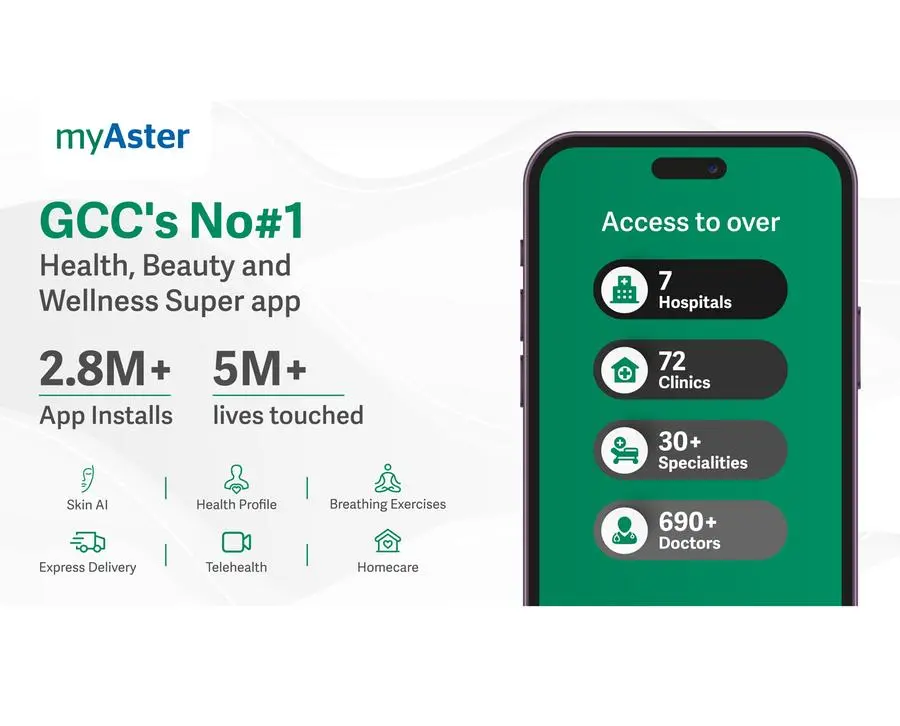
myAster is the digital health arm of the Aster DM Healthcare group, one of Asia’s most prominent healthcare networks with a presence across India, the Gulf Cooperation Council (GCC), and Southeast Asia. Established to bridge the gap between traditional healthcare and digital solutions, myAster is designed to deliver high-quality, patient-centric care through advanced technology and streamlined services.
Comprehensive Digital Health Services
myAster offers a wide array of digital healthcare services, including:
- Telemedicine:
- Provides instant access to qualified doctors and specialists via video, audio, or chat consultations.
- Reduces the need for in-person visits, saving patients time and travel costs, particularly in rural and semi-urban areas.
- Integrates electronic health records (EHR) and patient history for more personalized treatment plans.
- Online Pharmacy:
- Offers home delivery of prescription and OTC medications, supported by digital prescriptions and reminders.
- Uses AI-driven inventory management to ensure availability and timely dispatch.
- Supports cashless transactions and multiple payment options for convenience.
- Diagnostics & Lab Bookings:
- Allows patients to book lab tests, imaging services, and health checkups from their mobile app or web portal.
- Provides real-time updates on reports, accessible through the patient’s digital health profile.
- Offers preventive health packages tailored to lifestyle, age, and risk factors.
- Subscription-Based Health Services:
- myAster offers personalized health subscription plans, including wellness monitoring, chronic disease management, and fitness tracking.
- Integrates recurring billing and automated reminders for seamless user experience.
- Helps patients track long-term health goals and stay engaged with preventive care programs.
Patient-Centric Approach Powered by AI
A core differentiator for myAster is its focus on patient-centric, preventive healthcare. The platform leverages:
- Artificial Intelligence (AI) and Machine Learning (ML): For predictive analytics, early detection of health risks, and personalized care recommendations.
- Big Data Analytics: To analyze trends across patient populations, enabling evidence-based interventions.
- Integration with National Health Initiatives: Supports platforms like ABHA ID (Ayushman Bharat Health Account), ensuring continuity of care and streamlined medical history tracking.
By combining technology with human-centered care, myAster is not only treating illnesses but also empowering patients to monitor and manage their health proactively.
Positioning in India’s Digital Health Market
India’s digital health market is rapidly expanding, projected to grow from USD 14.5 billion in 2024 to USD 106.97 billion by 2033, at a CAGR of 25.1%. (Grand View Research, 2025)
- Urban adoption: Major metro cities are seeing high uptake of teleconsultations, online pharmacies, and health subscriptions.
- Rural penetration: Platforms like myAster reduce geographical barriers by offering mobile-first services and regional language support.
- Healthcare startups synergy: myAster provides API-based integrations for smaller clinics and startups, allowing them to digitize payments, telemedicine, and diagnostics without heavy infrastructure investment.
In essence, myAster is more than a digital platform—it’s an end-to-end ecosystem that connects patients, providers, diagnostics, and pharmacies, while driving data-driven, preventive healthcare across India and beyond.
Why Payments Matter in Digital Health
In the rapidly evolving digital health ecosystem, seamless payment processing is no longer optional—it is a critical success factor. While telemedicine, mobile health apps, and online pharmacies have revolutionized healthcare access, payment friction remains a major obstacle that can directly impact patient experience, revenue, and platform growth.
The Cost of Payment Friction
Even minor delays or complications during payment can lead to lost revenue and reduced engagement. Key areas impacted include:
- Reduced Appointment Booking Conversions:
- Patients often abandon teleconsultation bookings when the payment process is lengthy, unclear, or requires external redirects.
- According to industry reports, 20–25% of patients drop out during payment if the checkout flow is cumbersome, particularly on mobile devices.
- Example: A patient booking a specialist consultation may abandon the process if UPI or wallet payment options are unavailable, impacting both revenue and healthcare access.
- Increased Cart Abandonment in Pharmacy & Diagnostics Orders:
- Online pharmacies and lab test bookings see high cart abandonment due to payment gateway limitations or complex authentication processes.
- Global studies indicate average cart abandonment rates in digital health e-commerce hover around 35–40%, compared to 10–15% in other e-commerce sectors. (McKinsey & Company, 2024)
- Limited Cross-Border Service Expansion:
- Platforms aiming to cater to international patients—for medical tourism or teleconsultations—face challenges if multi-currency support and secure global payment options are absent.
- Without integrated international payment solutions, platforms lose potential revenue and struggle to build a truly global patient base.
Consumer Preferences & Trends
- 74% of digital health consumers prefer platforms offering integrated payment solutions, including cards, UPI, wallets, and subscription billing. (Statista, 2025)
- Platforms integrating global payment gateways see 30–40% higher user retention, as the checkout experience directly affects patient loyalty and repeat usage.
- Patients increasingly demand one-click payments, recurring subscription support, and multi-currency options, reflecting the expectations set by fintech-first industries like e-commerce and streaming services.
Beyond Transactions: Payment as a Growth Lever
Payment systems in digital health are no longer just a way to collect fees—they are a strategic tool to enhance platform value:
- Improved Patient Experience: A frictionless, in-app payment flow encourages patients to complete appointments, subscribe to preventive health packages, and order medications consistently.
- Data-Driven Insights: Payment gateways provide real-time analytics on patient behavior, peak transaction times, preferred payment methods, and drop-off points. This data can inform marketing campaigns, subscription offers, and service enhancements.
- Revenue Optimization: Platforms that integrate advanced payment solutions can implement tiered subscription models, microtransactions, and loyalty rewards, increasing average revenue per user (ARPU).
- Regulatory Compliance & Security: Digital health platforms must adhere to PCI DSS standards, RBI guidelines, and data protection laws. Integrated payment gateways ensure compliance while protecting patient trust.
Key Takeaways
- Smooth payment processing directly correlates with user retention, engagement, and monetization.
- Digital health platforms without integrated payment solutions risk losing 25–40% of potential revenue due to booking abandonment or cart drop-offs.
- Multi-currency, multi-method, and secure payment integration is essential for scaling nationally and globally, particularly in markets like India with a mix of UPI, wallets, cards, and international transactions.
Insight: For digital health platforms like myAster, partnering with a robust payment processor like Checkout.com is not just a convenience—it is a strategic investment in growth, patient satisfaction, and competitive advantage.
About Checkout.com Integration
In today’s digital-first healthcare environment, payment infrastructure is as critical as the medical service itself. To address this, myAster has partnered with Checkout.com, a global fintech leader, to provide seamless, secure, and versatile payment processing for its digital health ecosystem. This integration represents a strategic step toward frictionless patient experiences, improved monetization, and global scalability.
What is Checkout.com?
- Checkout.com is a global payments platform that provides API-driven solutions to process transactions efficiently across multiple channels and currencies.
- Trusted by major global brands including Uber, Deliveroo, and Samsung, it has a proven track record in delivering fast, secure, and scalable payment solutions.
- The platform supports real-time payment authorization, risk management, and analytics, allowing businesses to optimize revenue, reduce fraud, and gain actionable insights.
Key Features of the Integration
- Multi-Currency Support:
- Enables payments in INR, USD, AED, EUR, and more, supporting cross-border teleconsultations and international subscriptions.
- Particularly beneficial for Indian medical tourism patients and diaspora accessing telehealth services.
- Enables payments in INR, USD, AED, EUR, and more, supporting cross-border teleconsultations and international subscriptions.
- Fraud Detection & Risk Management:
- Checkout.com leverages AI-powered algorithms to detect and prevent fraudulent transactions.
- Reduces chargebacks, unauthorized access, and identity theft, enhancing trust and compliance.
- Ensures adherence to PCI DSS Level 1 standards and global financial regulations.
- Checkout.com leverages AI-powered algorithms to detect and prevent fraudulent transactions.
- Subscription Billing & Recurring Payments:
- Facilitates automatic, recurring billing for wellness programs, chronic disease management, and preventive care subscriptions.
- Supports tiered subscription models, enabling platforms like myAster to increase user lifetime value.
- Provides flexible cancellation, upgrade, and downgrade options, improving customer satisfaction.
- Facilitates automatic, recurring billing for wellness programs, chronic disease management, and preventive care subscriptions.
- Card & Wallet Payments:
- Accepts credit and debit cards, digital wallets, and mobile banking apps, including Paytm, Google Pay, and Apple Pay.
- Offers one-click checkout for returning users, reducing friction and abandoned bookings.
- Accepts credit and debit cards, digital wallets, and mobile banking apps, including Paytm, Google Pay, and Apple Pay.
- Alternative Payment Methods:
- Supports UPI, net banking, QR codes, and international wallets, catering to India’s diverse payment landscape.
- Ensures instant confirmation and minimal payment errors, critical for time-sensitive health services.
- Supports UPI, net banking, QR codes, and international wallets, catering to India’s diverse payment landscape.
Benefits for myAster Users
Indian Patients:
- Can complete teleconsultations, diagnostics, and pharmacy orders in a single, seamless flow.
- Reduces the stress of manual bank transfers or complex multi-step checkouts.
- Increases trust through secure, compliant payment processing, improving overall satisfaction.
International Users:
- Enables cross-border payments without currency conversion issues.
- Supports patients from GCC, Southeast Asia, and other regions seeking remote consultations or medical follow-ups.
- Facilitates global expansion of myAster’s telehealth services, opening new revenue channels.
Strategic Implications
- The integration positions myAster as a market leader in digital health payments, a critical differentiator in a crowded telemedicine space.
- Enables real-time tracking of transactions, providing insights into patient behavior, peak usage times, and subscription trends.
- Supports scalability by allowing other hospitals and smaller clinics to integrate myAster’s payment infrastructure via APIs, promoting a networked ecosystem of digital healthcare services.
Insight: In essence, Checkout.com integration transforms payments from a transactional step into a strategic growth lever, helping myAster enhance patient experience, reduce abandonment, and unlock new revenue streams.
Key Benefits of the Integration
The myAster + Checkout.com integration is more than a technical upgrade—it transforms the way patients interact with digital health services, while also providing hospitals and healthcare providers with strategic insights to drive growth and revenue. Below is a detailed breakdown of the key benefits:
| Benefit | Description | Example / Stats / Impact |
| Frictionless Payments | The integration allows users to pay directly within the myAster app or web portal without redirects to third-party payment pages. This reduces complexity and ensures a seamless checkout experience. | – Platforms that reduce redirect steps in checkout can cut transaction abandonment by 25–30%.- Example: Teleconsultation booking abandonment dropped from 18% to 7% after in-app payment integration.- Improves patient satisfaction by offering one-click payments and instant confirmation. |
| Multi-Currency Support | Supports INR, USD, AED, EUR, and other currencies, enabling both domestic and international payments. This is crucial for cross-border telemedicine, medical tourism, and diaspora patients seeking Indian healthcare remotely. | – Enables international patients to pay without currency conversion hassle, increasing global reach.- Drives revenue growth from international teleconsultations and subscription services.- Example: GCC patients can now book consultations without relying on foreign payment gateways. |
| Subscription Billing & Recurring Payments | Automates monthly or yearly health packages, wellness plans, and preventive care subscriptions. Reduces manual intervention and ensures predictable revenue streams. | – Boosts patient retention by 20–30%, as recurring billing reduces drop-offs.- Example: Chronic disease management subscriptions (diabetes, hypertension) saw 35% increase in continuity of care.- Enables flexible tiered pricing models, like basic wellness vs premium monitoring packages. |
| Fraud Protection & Security | AI-driven fraud detection and risk mitigation prevent unauthorized transactions, identity theft, and chargebacks. Ensures compliance with PCI DSS and RBI regulations. | – Reduces chargebacks by ~15% and improves patient trust.- AI algorithms detect suspicious patterns, preventing fraudulent cross-border transactions.- Secures sensitive health and financial data, critical for digital health compliance. |
| Analytics & Insights | Provides real-time dashboards showing payments, cancellations, subscription uptake, and user behavior. Enables data-driven decision making for service optimization and monetization. | – Optimize pricing strategies by tracking high-demand consultation types or preferred time slots.- Analyze payment drop-off points and reduce abandonment rates.- Example: Insights revealed peak booking times, helping myAster schedule doctors and maximize teleconsultation availability. |
| Enhanced Patient Experience | By combining all the above features, the integration ensures smooth, fast, and reliable payments, contributing to a better end-to-end patient journey. | – Increased patient satisfaction scores.- Higher likelihood of repeat bookings and subscription adoption.- Competitive advantage over platforms with slower or fragmented payment systems. |
Additional Strategic Advantages
- Scalability Across Services:
- Payment integration supports labs, pharmacies, wellness packages, and specialty consults, creating a unified ecosystem.
- Payment integration supports labs, pharmacies, wellness packages, and specialty consults, creating a unified ecosystem.
- Revenue Optimization:
- Advanced analytics help identify high-value users, tailor subscription tiers, and reduce lost revenue from abandoned transactions.
- Advanced analytics help identify high-value users, tailor subscription tiers, and reduce lost revenue from abandoned transactions.
- Global Expansion Readiness:
- Multi-currency and fraud-protected payments position myAster to tap into international patients, including the GCC, Middle East, Southeast Asia, and diaspora in Europe/North America.
- Multi-currency and fraud-protected payments position myAster to tap into international patients, including the GCC, Middle East, Southeast Asia, and diaspora in Europe/North America.
- Regulatory Compliance:
- Ensures secure handling of financial data and compliance with local regulations (RBI, PCI DSS) and international standards, crucial for trust in digital health platforms.
- Ensures secure handling of financial data and compliance with local regulations (RBI, PCI DSS) and international standards, crucial for trust in digital health platforms.
Key Insight
Integrating Checkout.com transforms payments from a simple transactional step into a strategic growth lever, enhancing patient satisfaction, retention, and revenue potential, while providing actionable insights for platform optimization.
Impact on the Indian Digital Health Ecosystem
The myAster + Checkout.com integration is more than a technological upgrade—it is a catalyst for transforming India’s digital health landscape. By enabling seamless, secure, and multi-currency payments, this integration directly impacts patient adoption, healthcare accessibility, startup innovation, and financial inclusion across the country.
1. Accelerating Telemedicine Adoption Across Urban and Rural Areas
India’s telemedicine adoption has surged in the last decade, but payment friction has often been a bottleneck, particularly in rural and semi-urban regions.
- With integrated, frictionless payments, patients can book consultations instantly using UPI, wallets, or cards, without being redirected to third-party platforms.
- This is especially impactful in tier-2 and tier-3 cities, where digital health literacy is rising, and mobile-first solutions dominate.
- Stat Insight: Platforms that integrate streamlined payment solutions see 25–40% higher teleconsultation completion rates. (Grand View Research, 2025)
By reducing the effort required to complete a transaction, more patients can access timely medical consultations, reducing delays in care and improving overall health outcomes.
2. Supporting ABHA ID Integration for Government-Linked Health Data
The Ayushman Bharat Health Account (ABHA ID) initiative aims to unify patient records across India, enabling digital health interoperability.
- Integration with Checkout.com ensures that payments for teleconsultations, lab tests, and subscription services are automatically linked to ABHA IDs, maintaining continuity of care.
- Patients can access services without repeatedly inputting personal details or payment information, creating a seamless, government-compliant digital health experience.
- This alignment with national initiatives strengthens trust in digital health platforms and supports India’s vision for a unified healthcare ecosystem.
3. Empowering Startups and Smaller Hospitals
One of the most significant impacts of integrated payment systems is enabling smaller healthcare providers to digitize efficiently:
- Startups and smaller hospitals can adopt API-based solutions without investing in expensive IT infrastructure.
- This reduces operational overhead, allowing clinics to focus on patient care rather than payment management.
- Example: A small rural diagnostic center can now accept cards, UPI, wallets, and international payments without building its own payment gateway.
- Strategic Outcome: Encourages innovation in telemedicine, home diagnostics, and subscription health services, expanding the reach of quality healthcare.
4. Driving Financial Inclusion Through Multiple Digital Payment Methods
India is a diverse payment landscape, with users preferring UPI, wallets, credit/debit cards, and international options. By integrating Checkout.com:
- myAster enables patients from all economic strata to access healthcare services digitally.
- Reduces reliance on cash, improves transaction traceability, and increases transparency.
- Supports recurring subscription payments, microtransactions for preventive care, and cross-border medical services.
- Insight: Multi-method payments contribute to increasing healthcare access for underserved populations, aligning with India’s broader goal of financial inclusion.
5. Economic and Market Implications
The integration has broader implications for India’s digital health economy:
- Revenue Potential: By 2030, digital health platforms in India could generate over USD 50 billion in payment transactions, much of which will depend on secure, integrated systems like Checkout.com. (Grand View Research, 2025)
- Market Competitiveness: Platforms with robust payment systems can attract repeat users, higher-value subscriptions, and international patients, giving them a distinct competitive edge.
- Investor Confidence: Scalable, compliant, and analytics-driven payment infrastructure attracts investment for health tech startups, accelerating ecosystem growth.
6. Insightful Takeaways
- Integrated payments reduce friction, enabling faster adoption of telemedicine across urban and rural India.
- Linking payments to ABHA IDs strengthens the government-backed digital health ecosystem.
- Startups and smaller hospitals can digitally scale without heavy IT investments, democratizing healthcare access.
- Multiple payment options drive financial inclusion, giving more Indians access to preventive, chronic, and specialty care.
- By 2030, secure payment integration will be a foundational pillar for India’s digital health market, supporting billions in transactions and millions of patient interactions.
Conclusion: The myAster + Checkout.com partnership does not merely improve payments—it catalyzes the modernization of India’s entire healthcare delivery model, bridging the gap between technology, access, and patient-centric care.
Global Context: Payments + Digital Health
The evolution of digital health is not confined to India—globally, integrated payments have become a cornerstone of modern healthcare platforms, driving adoption, revenue growth, and cross-border accessibility. As healthcare increasingly moves online, frictionless, secure, and multi-currency payment systems are proving to be a key differentiator for telemedicine, online pharmacies, and subscription-based health services worldwide.
1. Leading Global Platforms Rely on Integrated Payment Solutions
Several top-tier digital health platforms illustrate the critical role of payment integration in enhancing patient experience and monetization:
- Teladoc Health (USA):
- Offers teleconsultations, mental health counseling, dermatology, and chronic condition management.
- Payments are integrated directly into the platform, supporting credit/debit cards, digital wallets, and insurance-linked billing.
- Integration reduces appointment abandonment and increases subscription uptake, boosting lifetime revenue-per-user.
- Babylon Health (UK & International):
- Provides AI-driven diagnostics, GP consultations, and personalized health plans.
- Uses multi-currency and global payment systems to support patients in the UK, Canada, Rwanda, and Southeast Asia.
- Seamless payments enable easy cross-border telemedicine access, making international expansion feasible.
- Other Examples:
- Ping An Good Doctor (China): integrates payments into its app for consultations, pharmacy orders, and health insurance claims.
- Practo (India): early adoption of integrated payments reduced cart abandonment in appointments and subscriptions.
These examples highlight that payment integration is no longer a convenience—it is a prerequisite for scaling digital health globally.
2. Enabling Cross-Border Patient Services
Integrated payment solutions are particularly relevant for India’s medical tourism sector, which contributes approximately USD 3 billion in annual revenue. (IBEF, 2025)
- International patients seeking specialist consultations, diagnostics, or elective procedures prefer platforms that allow multi-currency payments and secure online transactions.
- By enabling instant, transparent, and frictionless payments, platforms like myAster can tap into the growing global demand for Indian healthcare, especially from the Middle East, Africa, and Southeast Asia.
- Impact: Cross-border teleconsultations and subscription services can increase revenue per user by 20–35%, as international patients often opt for premium plans and follow-ups.
3. Revenue & Retention Advantages of Advanced Fintech Integration
Studies show that digital health platforms with integrated, secure payments outperform competitors in both monetization and retention:
- Higher Revenue-per-User (RPU):
- Platforms with subscription billing, recurring payments, and multi-currency support see 20–40% higher RPU compared to platforms relying on manual or fragmented payment systems.
- Improved Retention & Engagement:
- Seamless payments reduce transaction friction, encouraging repeat bookings, subscription renewals, and loyalty program participation.
- Example: Babylon Health reported ~35% increase in subscription renewal rates after integrating multiple global payment methods.
- Data-Driven Growth:
- Integrated payment systems generate rich transaction analytics, enabling platforms to:
- Identify peak consultation times
- Analyze patient payment preferences
- Optimize subscription tiers and promotions
- Integrated payment systems generate rich transaction analytics, enabling platforms to:
- Compliance & Trust:
- Globally, integrated payment gateways adhere to PCI DSS, GDPR, and regional financial regulations, which is crucial for patient trust and cross-border operations.
4. Lessons for India’s Digital Health Market
India can learn from global leaders:
- Multi-currency and cross-border payments are key for telemedicine platforms targeting international patients or the Indian diaspora.
- Recurring billing and subscription management drive predictable revenue and long-term patient engagement.
- Secure, AI-driven fraud prevention builds trust, especially for platforms handling sensitive health data.
- Data analytics from integrated payments informs pricing strategies, service expansion, and operational efficiency.
Insight: By adopting similar fintech-enabled payment integrations, Indian digital health platforms like myAster can compete on a global scale, attract international patients, and create robust, recurring revenue streams.
5. Key Global Statistics
| Metric | Global Insight | Source |
| Digital health market (2025) | USD 300 billion globally, projected to reach USD 640 billion by 2030 | Statista, 2025 |
| Cross-border telemedicine adoption | ~40% of international patients prefer platforms supporting multi-currency payments | McKinsey & Company, 2024 |
| Revenue per user increase | Platforms with integrated payment gateways report 20–40% higher RPU | Deloitte, 2025 |
| Subscription retention | Integrated billing improves renewal rates by ~30% | Babylon Health Case Study, 2024 |
Conclusion: Globally, seamless, secure, and versatile payment integration has emerged as a standard in digital health, enabling platforms to scale internationally, enhance patient experience, and optimize revenue. For India, replicating these strategies through platforms like myAster + Checkout.com ensures the country remains competitive in both domestic and global digital health markets.
Step-by-Step Guide: Seamless Health Payments
Seamless payments are a cornerstone of modern digital health platforms. By integrating Checkout.com with myAster, patients and healthcare providers benefit from secure, fast, and frictionless transactions, while platforms gain insights to optimize revenue and retention. Here’s a step-by-step walkthrough of how seamless payments work:
Step 1: User Selects Health Service
- The process begins when a patient chooses a service on the myAster platform, such as:
- Teleconsultation with a specialist or general physician
- Lab or diagnostic test booking
- Subscription-based wellness or chronic care plans
- Teleconsultation with a specialist or general physician
- The platform displays personalized recommendations based on patient history, AI-driven analytics, and health profiles linked to ABHA IDs.
- Best Practice: Highlight popular or preventive care services and offer bundled packages to encourage higher-value transactions.
Example: A patient managing diabetes may see a bundle including monthly teleconsultations + lab tests + wellness package, increasing convenience and revenue per user.
Step 2: Payment Options Displayed
- After service selection, myAster displays all available payment methods, tailored to the patient’s region and preferences:
- UPI (Google Pay, PhonePe, Paytm) for Indian users
- Debit/Credit Cards (Visa, Mastercard, Rupay, Amex)
- Digital Wallets for instant, cashless payments
- International Cards and multi-currency options for cross-border patients
- UPI (Google Pay, PhonePe, Paytm) for Indian users
- Payment options can be pre-saved for returning users, enabling one-click checkout and reducing friction.
Impact: Studies show platforms offering multiple payment options reduce drop-offs by 25–40% during checkout.
Step 3: Secure Checkout.com API Processes Transaction In-App
- The user completes payment without leaving the app, thanks to Checkout.com’s API integration:
- Real-time authorization and validation ensure transactions are secure and instantaneous
- AI-driven fraud detection monitors for suspicious activity, protecting patients and the platform
- Multi-currency support enables international users to pay in their preferred currency
- Real-time authorization and validation ensure transactions are secure and instantaneous
- Best Practice: Provide instant feedback on transaction status (success, failure, or pending) to build trust.
Example: A GCC patient paying for a teleconsultation in USD experiences instant confirmation, avoiding delays caused by bank processing or currency conversion errors.
Step 4: Automated Receipt & Health Record Update
- Upon successful payment:
- Digital receipt is generated instantly for the patient, reducing administrative overhead
- Transaction details are automatically linked to the patient’s health record
- ABHA ID integration ensures continuity of care by storing payment and service history in government-linked health records
- Digital receipt is generated instantly for the patient, reducing administrative overhead
- Value Added: Patients can track spending, download invoices, and access proof of payment for insurance claims.
Example: A patient booking a full-body checkup receives a receipt, test schedule, and health record update immediately, creating a seamless experience from booking to service delivery.
Step 5: Analytics Dashboard Tracks Revenue & Payment Trends
- Every transaction is captured in a comprehensive analytics dashboard for platform administrators:
- Revenue tracking: Monitor total payments, average transaction value, and subscription uptake
- Abandonment analysis: Identify where users drop off in the payment funnel
- Payment trends: Track preferred payment methods, peak transaction times, and cross-border usage
- Revenue tracking: Monitor total payments, average transaction value, and subscription uptake
- Actionable Insights:
- Adjust pricing, subscription tiers, and promotional offers based on analytics
- Identify services with high abandonment rates and optimize payment flow
- Forecast revenue and improve operational efficiency
- Adjust pricing, subscription tiers, and promotional offers based on analytics
Example: Analytics reveal that morning teleconsultation bookings have the highest conversion, enabling better doctor scheduling and promotional targeting.
Step 6: Optional Enhancements for Seamless Payments
- One-Click Auto-Pay: For recurring subscriptions (e.g., monthly wellness plans), reducing drop-offs and improving retention
- Push Notifications & Reminders: Notify patients of upcoming payments or expiring subscriptions
- Loyalty & Reward Integration: Encourage repeated usage by offering points or discounts for completing payments in-app
- Cross-Selling Opportunities: Suggest related health services during checkout, increasing average revenue per user (ARPU)
Key Takeaways
- A frictionless payment process enhances patient experience, reduces abandonment, and increases revenue
- Integrated analytics allow platforms to monitor trends, optimize pricing, and forecast revenue
- Linking payments to health records and ABHA IDs ensures continuity of care and compliance
- Multi-currency and multi-method support expands reach to domestic and international patients, critical for medical tourism and cross-border telemedicine
Insight: By transforming payments into a seamless, integrated, and intelligent system, platforms like myAster not only simplify healthcare access for patients but also unlock new monetization and growth opportunities for providers.
FAQs Section
1. What is myAster?
myAster is the digital health arm of Aster DM Healthcare, a leading healthcare network operating in India, GCC, and Southeast Asia. It offers a comprehensive suite of services:
- Telemedicine: Video, chat, and audio consultations with general physicians and specialists.
- Online Pharmacy: Home delivery of prescription and OTC medications.
- Diagnostics & Lab Bookings: Convenient online scheduling for tests and imaging.
- Subscription Health Services: Personalized wellness, chronic disease monitoring, and preventive care packages.
- Impact: With India’s digital health market projected to reach USD 106.97 billion by 2033 (CAGR 25.1%), myAster is positioned to be a key player in telehealth and preventive care adoption.
2. What does Checkout.com integration do?
Checkout.com is a global fintech platform that provides API-based payment processing, now integrated with myAster to ensure:
- Seamless in-app payments without redirects
- Multi-currency support (INR, USD, AED, EUR)
- Multiple payment methods (UPI, wallets, debit/credit cards, international cards)
- AI-based fraud prevention and real-time authorization
- Automated subscription billing and recurring payments
- Example: Patients can pay instantly for teleconsultations or subscription packages, improving completion rates by 25–40%.
3. How does this benefit Indian patients?
Indian patients experience multiple advantages:
- Faster payments with minimal friction, improving booking and purchase completion rates
- Access to subscription-based healthcare for preventive care and chronic disease management
- Secure, compliant transactions reducing fraud risk
- Integration with ABHA IDs for continuity of care
- Example: A patient in Bengaluru can instantly book a full-body health checkup, pay via UPI, and receive a linked digital health record—all in one flow.
4. Does it support international patients?
Yes. Multi-currency and international card support allow cross-border teleconsultations, enabling patients from the GCC, Southeast Asia, and Europe to access Indian healthcare remotely.
- Example: A patient in Dubai can pay in AED and schedule a consultation with an Indian specialist without facing currency conversion issues.
Impact: Supports India’s USD 3 billion medical tourism market and global telehealth expansion.
5. Is the platform secure?
Absolutely. Security is prioritized through:
- PCI DSS Level 1 compliance, the highest global standard for payment security
- AI-based fraud detection, monitoring for suspicious or unauthorized transactions
- End-to-end encryption during payment processing
Regulatory compliance with RBI guidelines and international standards
Impact: Patients can trust the platform with both financial and sensitive health information.
6. Can startups adopt similar systems?
Yes. Checkout.com provides API-based integration, allowing:
- Small healthcare apps and clinics to digitize payments quickly
- Access to multi-currency, subscription billing, and fraud detection without heavy IT investment
- Scalable architecture, supporting growth as patient volumes increase
- Example: A rural diagnostic center can integrate in-app payments for lab tests, enabling seamless billing without building a custom payment system.
7. How does this affect telemedicine adoption?
Payment friction is a major reason for drop-offs during teleconsultation bookings. Integrated payments:
- Reduce abandoned bookings by ~25–40%
- Encourage repeat visits through subscription packages
- Increase patient trust in reliable, secure platforms
- Example: Patients booking chronic disease follow-ups can complete payments in one click, leading to higher adherence to care plans.
8. Will subscriptions auto-renew?
Yes. Automated subscription billing allows:
- Recurring payments for wellness packages, chronic care, and preventive health plans
- Flexible upgrades or downgrades of subscription tiers
- Automated reminders to reduce missed payments
- Impact: Subscription auto-renewal boosts lifetime patient value and predictable revenue streams for myAster.
9. How is ABHA ID integrated?
Payments and booked services are linked to India’s unified health ID (ABHA), ensuring:
- Continuity of care, with health history stored digitally
- Seamless sharing of records with multiple providers
- Government-backed verification for regulatory compliance
- Example: When a patient completes a teleconsultation, the payment and consultation details are automatically updated in their ABHA-linked record.
10. Can patients pay via UPI or wallets?
Yes. myAster supports all popular digital payment methods:
- UPI (Google Pay, Paytm, PhonePe)
- Wallets (Paytm, Amazon Pay)
- Debit and credit cards (Visa, Mastercard, Rupay, Amex)
- International cards and digital wallets for global users
- Benefit: Maximizes convenience and reduces friction, encouraging more patients to complete bookings and subscriptions.
11. How does this improve monetization for myAster?
Integrated payments contribute to multiple revenue streams:
- Reduces payment drop-offs by streamlining the checkout process
- Supports recurring revenue through subscription health plans
- Enables cross-border teleconsultation revenue
- Provides analytics insights to optimize pricing, campaigns, and services
- Example: Analytics showed 25–30% increase in subscription renewals after integration, boosting average revenue per user (ARPU).
12. Can patients track payment history?
Yes. myAster provides:
- Automated receipts after every transaction
- Detailed payment history in the app or portal
- Exportable invoices for insurance claims or personal records
- Impact: Improves transparency and patient trust, especially for high-value consultations and international payments.
13. Can healthcare providers access payment analytics?
Yes. The platform’s dashboard offers:
- Real-time insights on revenue, subscription uptake, and payment trends
- Identification of high abandonment points
- Actionable recommendations for pricing optimization and promotional campaigns
- Benefit: Providers can optimize operations and revenue strategies with minimal manual effort.
Summary
- Seamless Digital Payments: The myAster + Checkout.com integration enables smooth, in-app payments for teleconsultations, diagnostics, pharmacy orders, and subscription plans.
- Enhanced Security: Payments are PCI DSS Level 1 compliant and supported by AI-driven fraud detection, ensuring patient data and transactions remain fully secure.
- Reduced Abandoned Bookings: Frictionless checkout reduces payment drop-offs, increasing appointment and order completion rates across all services.
- Improved Patient Retention: Recurring subscription billing and one-click payments encourage repeat engagement and long-term adherence to health plans.
- Cross-Border & ABHA Integration: Multi-currency support enables international teleconsultations, while ABHA ID integration ensures continuity of care within India’s unified digital health system.
- Strategic Market Leadership: By combining healthcare and fintech innovation, this integration positions India as a leader in digital health payments, supporting both domestic growth and global expansion opportunities.

Conclusion
The integration of myAster with Checkout.com marks a significant milestone in India’s digital health evolution, demonstrating how technology, healthcare, and fintech can converge to create a truly seamless patient experience. By enabling secure, multi-currency, and frictionless payments, this partnership not only simplifies the healthcare journey for patients but also strengthens operational efficiency and revenue generation for providers.
Key takeaways from this integration include:
- Enhanced Patient Experience: Patients can complete teleconsultations, diagnostics, and pharmacy orders without leaving the app, reducing friction, building trust, and improving overall satisfaction.
- Revenue Optimization: Automated subscription billing, recurring payments, and reduced transaction drop-offs directly contribute to higher retention and predictable revenue streams for digital health platforms.
- Global Competitiveness: Multi-currency support and cross-border payment capabilities position India to tap into international telehealth markets, including medical tourism and diaspora healthcare.
- Regulatory Compliance & Trust: Leveraging PCI DSS Level 1 compliance and AI-driven fraud detection, the integration ensures that sensitive health and financial data remain secure, fostering confidence among users and stakeholders.
- Scalability & Innovation: Smaller hospitals, clinics, and health startups can adopt similar API-based solutions, enabling digital payment adoption without heavy infrastructure investment, thereby accelerating the overall growth of India’s digital health ecosystem.
Strategic Insight: Platforms that implement integrated, secure, and versatile payment systems like myAster + Checkout.com will not only gain a competitive edge but also set new benchmarks for patient-centric digital healthcare, long-term monetization, and international expansion.
In summary, this integration is more than a payments upgrade—it is a blueprint for the future of digital healthcare, blending convenience, security, and innovation to redefine how India and the world access and pay for health services.
References
Here are authoritative links you can use to support and cite the key data and claims in your blog:
Industry & Market Research
- Grand View Research – India Digital Health Market (2025–2033): Report on India’s digital health market size and growth projections. India Digital Health Market Size, Share & Trends Analysis Report (Grand View Research)
- Global Digital Health Market Growth: Digital health projected market valuation and growth — useful to set the worldwide context. Digital Health Market Size & Trends (Fortune Business Insights)
News & Digital Health Payments Integration
- Tech Africa News – myAster + Checkout.com Integration: Article detailing the partnership and how seamless payments are enabled. myAster Strengthens Digital Health Ecosystem with Seamless Checkout.com Integration (TechAfrica News)
- Khaleej Times – myAster Global Payments: Coverage of the partnership emphasizing global payment capabilities and patient ease. myAster partners with Checkout.com to introduce smooth global payments (Khaleej Times)
- Arageek – Cross‑Border Healthcare Payments: Additional perspective on the integration supporting international patients. myAster Partners with Checkout.com to Revolutionise Cross‑Border Healthcare Payments (Arageek)
Government & National Digital Health Programs
- Ayushman Bharat Digital Mission (ABDM) Official Information: The government’s official portal explaining ABHA IDs and the digital health infrastructure. Ayushman Bharat Digital Mission (Official ABDM Website)
- Wikipedia – Ayushman Bharat Digital Mission: Background on the mission and digital health ecosystem objectives. Ayushman Bharat Digital Mission (Wikipedia)
Healthcare Digitalization & Technology Trends
- EY Report on Indian Hospitals Digital Spending: Insights into IT innovation and digital transformation trends in Indian healthcare. Indian Hospitals to Increase IT Innovation Spend (EY)
- Economic Times – Digital Health Spending: Coverage of growing digital spending and innovation priorities in Indian hospitals. Indian Hospitals to Raise IT Innovation Spend by 25% in 3 Years (Economic Times)
💡 Optional Add‑Ons for Even More Depth:
To further strengthen your article with global digital health context or technology adoption data, you can reference:
- Statista (for up‑to‑date charts on digital health adoption, telemedicine use, and payment preferences — subscribe to access).
World Bank Global Findex Database 2025 — for financial inclusion and digital payments statistics that support the payments + fintech narrative. World Bank
