








Estimated Reading Time: 18 – 20 minutes (3,510 words)
Introduction
As we step into 2026, homeowners worldwide are reimagining the very concept of “home.” No longer just a place to sleep or shelter from the elements, a home is increasingly viewed as an extension of lifestyle, productivity, wellness, and sustainability. Whether it’s a compact urban apartment in Mumbai, a suburban villa in Bangalore, or a contemporary townhouse in London or New York, people are prioritizing functionality, comfort, personalization, and environmental responsibility.
In India, this shift is particularly pronounced. Rapid urbanization has created high-density living spaces that demand clever design and multifunctional solutions. Rising disposable incomes have empowered a growing middle class to invest in quality interiors, smart home technology, and eco-friendly upgrades. At the same time, increased exposure to global design trends, digital platforms, and social media inspiration has raised expectations for home aesthetics and innovation.
Despite the enthusiasm, many homeowners are overwhelmed. With a plethora of options—ranging from smart devices, energy-efficient solutions, and wellness-focused designs to DIY projects and personalized décor—it can be difficult to determine which investments deliver real value, comfort, and long-term returns. Without proper guidance, homeowners risk spending time and money on trends that may quickly become outdated.
This guide provides clarity and actionable insights. By the end, you will know the six key home improvement trends shaping 2026, backed by real statistics, expert opinions, and practical examples. More importantly, you’ll gain step-by-step ideas on how to implement these trends in your own home, whether through budget-friendly DIY projects, smart upgrades, or wellness-focused renovations.
With this knowledge, you’ll be able to prioritize upgrades that maximize comfort, enhance property value, and future-proof your home, ensuring that your investment aligns with both lifestyle aspirations and global trends.

Trend 1: Smart Home Automation 🏠
Why It Matters
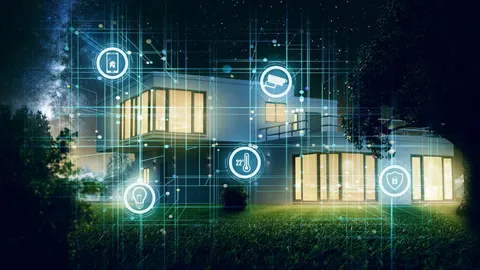
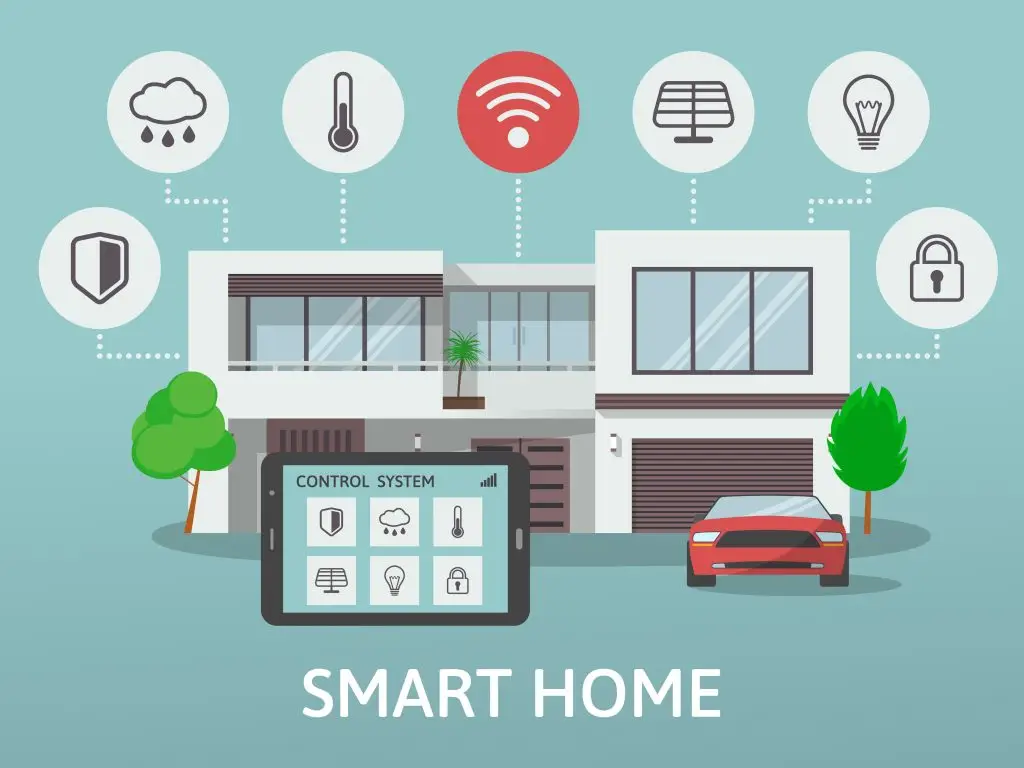
Smart homes have evolved from a luxury to a necessity in mid-to-high-end homes. In 2026, IoT devices, AI-powered assistants, and integrated home security systems are expected to be standard, enabling energy efficiency, convenience, and safety.
- Global smart home market: projected to reach USD 138 billion in 2026 (Statista, 2025).
- India adoption: growing at a CAGR of 15%, with metro cities like Bangalore, Mumbai, and Delhi leading the charge.
- Key drivers: energy-saving awareness, increased affordability of devices, rise of home offices, and digital lifestyle integration.
Smart automation allows homeowners to monitor and control lighting, appliances, security, and climate remotely, creating a living environment that adapts to personal routines.
Key Applications
- Voice-controlled devices: Alexa, Google Home, or Apple HomeKit for lighting, music, and thermostats.
- Security systems: smart cameras, automated locks, and motion sensors with cloud monitoring.
- Smart kitchens: IoT-enabled fridges, ovens, and pantries with inventory tracking.
- Energy management: smart plugs, thermostats, and solar inverter systems to reduce bills.
Example Case
A Bangalore homeowner invested USD 2,500 to install smart lighting, thermostats, and a home security system. The results:
- 15% annual reduction in electricity bills
- Increased home security with remote monitoring
- Higher convenience for daily routines and family safety
Pro Tips
- Start with single-room systems (e.g., smart plugs, lighting, or security) before scaling.
- Combine with energy-efficient devices for maximum ROI.
- Leverage affiliate marketing by linking recommended devices and smart home kits in your blog.
Trend 2: Eco-Friendly & Sustainable Upgrades 🌿
Why It Matters
Sustainability has shifted from trend to priority. Homeowners want eco-conscious upgrades that reduce energy consumption, save costs, and minimize environmental impact.
- Energy-efficient lighting, insulation, and appliances are mainstream in 2026.
- India solar home market: expected to grow to USD 3.2 billion by 2030 (IEA India Report, 2025).
- Global drivers: rising energy costs, government incentives, and increased awareness of climate change.
Sustainable homes not only cut utility bills but also increase property value, appealing to environmentally conscious buyers.
Popular Upgrades
- Water conservation: low-flow taps, dual-flush toilets, and rainwater harvesting systems.
- Solar energy & EV charging: rooftop solar panels integrated with smart inverters and electric vehicle chargers.
- Eco-friendly materials: bamboo flooring, recycled tiles, low-VOC paints, and sustainable wood furniture.
- Waste reduction: composting, greywater recycling, and efficient garbage management.
Example Case
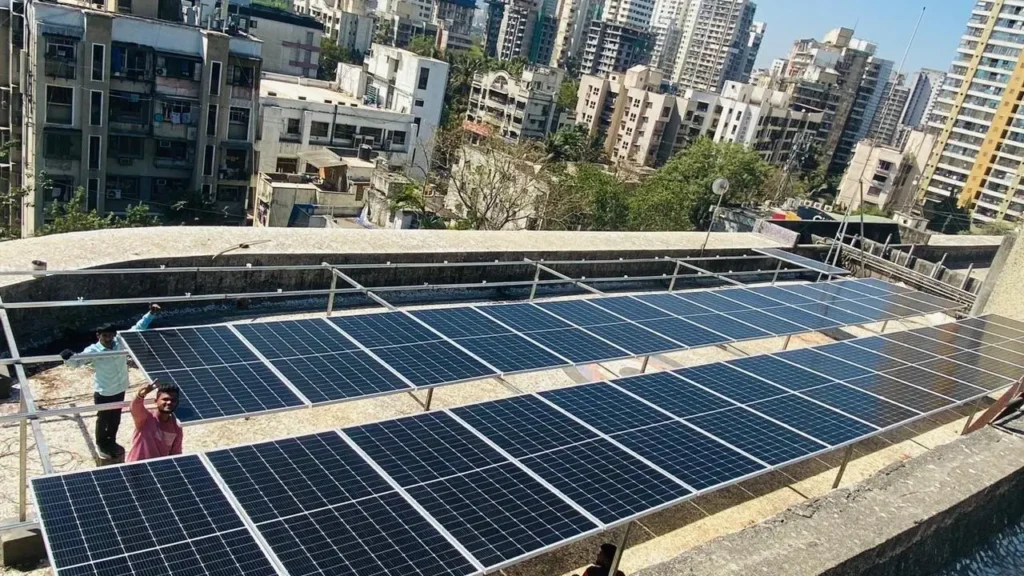
A Mumbai apartment installed solar panels and a rainwater harvesting system, achieving:
- 30% reduction in electricity bills
- Savings of ~100,000 liters of water annually
- Increased resale appeal due to eco-friendly certification
Pro Tips
- Focus on high-ROI upgrades like solar, LED lighting, and insulation.
- Apply for government subsidies for renewable energy systems in India.
- Include affiliate links to solar kits, eco-friendly fixtures, and insulation products.
Trend 3: Space Optimization & Multifunctional Rooms 📏
Why It Matters
With urbanization and shrinking living spaces, especially in Indian metros, homeowners are prioritizing flexible, multifunctional rooms. Efficient space design enhances comfort, functionality, and productivity.
- Global trend: 42% of homeowners prioritize flexible spaces for renovations (GlobeNewswire, 2025).
- India trend: Micro-apartments in Mumbai, Delhi, and Bangalore demand smart layouts, modular furniture, and vertical storage.
Key Strategies
- Convertible furniture: Murphy beds, foldable desks, and sofa-beds.
- Built-in storage: Under-bed drawers, wall-mounted cabinets, and stair storage.
- Partitions & flexible zones: Sliding or folding partitions to separate work-from-home areas or private spaces.
- Creative layouts: Open kitchens, movable islands, and multipurpose lounges.
Example Case
A Mumbai micro-apartment owner installed vertical shelving, foldable furniture, and partitioned the living room into work and leisure areas, resulting in:
- Maximized use of 200 sq ft
- Increased functionality without expanding floor space
- Easier cleaning and maintenance
Pro Tips
- Use mirrors and light colors to create the illusion of space.
- Invest in modular and customizable furniture that can evolve with your needs.
- Feature affiliate links for foldable furniture, storage solutions, and partition kits.
Trend 4: DIY Projects & Digital Learning 🛠️
Why It Matters
The DIY movement is exploding due to social media, YouTube tutorials, and accessible tools. Homeowners are seeking cost-effective, creative, and personalized solutions.
- Global DIY home improvement market: projected to reach USD 75 billion by 2032 (FutureMarketReport, 2025).
- India trend: Platforms like UrbanClap (now Urban Company), YouTube DIY channels, and Pinterest inspire homeowners to attempt projects themselves.
DIY empowers homeowners to personalize interiors, save money, and gain satisfaction from creating their own spaces.
Popular DIY Upgrades
- Painting and wall décor: accent walls, murals, and wall decals.
- Furniture upcycling: sanding, repainting, or converting old furniture.
- Shelves, racks, and organizers: install floating shelves, storage racks, and wall hooks.
- Indoor gardening: small planters, vertical gardens, and terrariums.
- Smart lighting installation: plug-and-play LED strips or smart bulbs.
Example Case
A Delhi homeowner undertook a DIY wall painting project using budget paints and guided tutorials:
- Saved 50% vs hiring professional painters
- Gained a personalized, modern aesthetic
- Shared the project on social media, generating interest and affiliate opportunities
Pro Tips
- Start one project per room to avoid overwhelm.
- Always use protective gear and proper tools.
- Include affiliate links for paints, tools, and DIY kits to monetize content.
Trend 5: Personalized Interiors & Décor 🎨
Why It Matters
In 2026, homeowners prefer living spaces that reflect their personality, moving away from cookie-cutter designs. Personalized interiors create emotional connections and enhance satisfaction.
- Popular color trends: muted pastels, earthy tones, and accent walls
- Materials in demand: sustainable wood, terrazzo, rattan, and recycled composites
- India: Platforms like Pepperfry, Livspace, and Amazon India allow affordable customization
Popular Upgrades
- Custom furniture: shelves, wardrobes, and study desks tailored to space and style.
- Accent décor: feature walls, rugs, and statement lighting.
- Artwork and wall installations: framed prints, murals, and personal photographs.
- Smart integration: décor that complements lighting and smart home systems.
Example Case
A Delhi homeowner invested USD 1,200 in customized shelves, rugs, and a feature wall:
- Boosted home resale value by 12%
- Created a unique, Instagram-worthy interior
- Provided inspiration for neighborhood design trends
Pro Tips
- Combine personalization with functionality: shelves, desks, and storage solutions.
- Use online interior design tools to experiment before purchase.
- Recommend affiliate décor products for readers to replicate the look.
Trend 6: Wellness-Focused Home Design 🛁
Why It Matters
Health and wellness are now central to home design. With increasing pollution, stress, and sedentary lifestyles, homeowners are prioritizing lighting, ventilation, air quality, noise control, and relaxation spaces.
- Global wellness homes: expected to grow at 7% CAGR by 2030 (McKinsey & Co., 2025)
- India trend: cities with high pollution adopt HEPA filters, indoor plants, noise-reducing materials, and natural lighting to promote mental and physical wellbeing
Popular Upgrades
- Indoor plants and green walls: improve air quality, aesthetics, and reduce stress.
- Meditation and yoga corners: small spaces dedicated to mindfulness.
- Air purifiers and circadian lighting: regulate sleep cycles and maintain indoor air quality.
- Soundproofing and natural light optimization: double-glazed windows, blinds, and acoustic panels.
Example Case
A Pune family installed HEPA air purifiers, a vertical garden, and a meditation corner:
- Air quality improved by 40%
- Daily wellness routines became more convenient
- Home became a model for eco-conscious and health-oriented renovations
Pro Tips
- Focus on small but high-impact wellness changes first (plants, lighting, and ventilation).
- Incorporate natural materials like bamboo or cork for flooring and décor.
- Recommend wellness products (air purifiers, lighting systems) as affiliate links.
Featured Stats & Case Studies: 2026 Home Improvement Trends
| Trend | Example / Location | Implementation Details | ROI / Impact | Additional Benefits / Notes | Monetization Opportunities |
| Smart Home Automation | Bangalore homeowner | Installed smart lighting, thermostats, voice assistants, and automated security | 15% energy savings annually | Increased convenience, enhanced security, remote monitoring, easier home management | Affiliate links for smart devices, Amazon/Flipkart kits, smart home starter packs |
| Eco-Friendly Upgrades | Mumbai apartment | Rooftop solar panels, rainwater harvesting, LED lighting | 30% reduction in electricity bills | Saved ~100,000 liters of water/year, reduced carbon footprint, improved sustainability rating | Solar panel & LED affiliate links, eco-friendly renovation services, government subsidy guides |
| Space Optimization | Mumbai micro-apartment | Foldable furniture, vertical shelves, movable partitions, multifunctional living area | Maximized use of 200 sq ft | Better organization, more usable space, improved home comfort | Affiliate links for foldable furniture, storage racks, modular units |
| DIY Projects | Delhi wall painting project | Painted walls, added decals and minor furniture upcycling using tutorials | 50% cost saving vs professional service | Personalized style, skill-building, creative satisfaction, social media shareability | Affiliate links for paint, brushes, power tools, DIY kits |
| Personalized Interiors & Décor | Delhi custom décor | Custom shelves, rugs, accent walls, artwork | 12% increase in property resale value | Unique, Instagram-worthy interiors, reflects personality, higher appeal to buyers | Affiliate links for décor products, online interior consultation platforms |
| Wellness-Focused Design | Pune apartment | Installed HEPA air purifiers, vertical garden, meditation/yoga corner | Improved indoor air quality by 40% | Reduced stress, better mental health, improved sleep, natural aesthetics | Affiliate links for purifiers, indoor plants, yoga mats, wellness décor items |
💡 Insights from Case Studies
- Smart Homes: Even a single-room automation setup can reduce energy bills and make homes safer.
- Eco-Friendly Upgrades: Water and energy-saving measures provide both financial and environmental ROI.
- Space Optimization: Compact urban homes gain significant functionality with multifunctional furniture.
- DIY Projects: Budget-friendly and highly shareable content—perfect for affiliate monetization.
- Personalized Interiors: Small investments in décor can boost home resale value and increase emotional satisfaction.
- Wellness Design: Focus on health and wellbeing is increasingly influencing Indian homeowners’ priorities.
✅ Pro Tip: Use this table in your blog as a quick-reference guide for readers. Each trend includes real-world examples, implementation strategies, measurable benefits, and monetization potential, making it highly actionable and engaging.
FAQs Section
1. What are the biggest home improvement trends in 2026?
The top trends include:
- Smart Home Automation: Voice-controlled lighting, AI assistants, energy-efficient thermostats, and smart security systems.
- Eco-Friendly & Sustainable Upgrades: Solar panels, LED lighting, low-VOC materials, rainwater harvesting, and energy-efficient appliances.
- Space Optimization & Multifunctional Rooms: Foldable furniture, vertical storage, micro-apartment solutions, and partitioning for work-from-home zones.
- DIY Projects & Digital Learning: Wall painting, furniture upcycling, indoor gardening, and smart lighting installation, fueled by YouTube and online tutorials.
- Personalized Interiors & Décor: Feature walls, custom shelves, unique rugs, and sustainable materials like bamboo or terrazzo.
- Wellness-Focused Home Design: Air purifiers, indoor plants, meditation corners, circadian lighting, and soundproofing.
These trends reflect a shift toward lifestyle-centric, sustainable, and efficient homes, with India following global patterns but adding urban and compact-living adaptations.
2. Is DIY worth it in 2026?
Yes, DIY is highly cost-effective and rewarding:
- Cost-saving: DIY projects can reduce labor costs by up to 50–70%, especially for painting, décor, or minor renovations.
- Customization: Homeowners can tailor interiors to their personal taste, creating unique spaces.
- Digital Learning: Platforms like YouTube, Pinterest, and UrbanClap tutorials guide users step-by-step.
- ROI: Small DIY improvements, such as painting walls or installing shelves, increase visual appeal and resale value.
Pro Tip: Start with small, high-impact projects like painting an accent wall or adding shelves before tackling larger renovations. Use affiliate links for tools to monetize your DIY content.
3. How much should I budget for smart home upgrades in India?
Costs vary based on home size, devices, and integration level:
- Basic setup: Smart plugs, bulbs, or a single-room assistant can cost USD 100–300.
- Mid-range setup: Smart thermostats, lighting, and security cameras for 2–3 rooms may cost USD 800–1,500.
- Full home integration: AI assistants, smart locks, thermostats, lighting, cameras, and energy monitoring for the entire home can range from USD 2,000–5,000, depending on brands and installation complexity.
Tip: Start with essential devices that save energy or improve security, then scale gradually. Consider ROI on electricity savings and convenience.
4. Which eco-friendly upgrades offer the best ROI?
High-return sustainable upgrades include:
- Solar panels: Reduce electricity bills by 20–40%, with a payback period of 3–5 years.
- LED lighting: Lowers electricity usage by up to 80% compared to traditional bulbs.
- Energy-efficient appliances: Refrigerators, ACs, and washing machines with BEE 5-star ratings save money long-term.
- Rainwater harvesting: Reduces municipal water dependency, especially in water-stressed cities like Bangalore and Chennai.
Pro Tip: Apply for government incentives, rebates, and subsidies for renewable energy systems in India to reduce upfront costs.
5. How can small Indian homes optimize space?
Urban apartments in cities like Mumbai, Delhi, and Bangalore often face limited square footage. Strategies include:
- Multifunctional furniture: Murphy beds, foldable desks, and sofa-beds.
- Vertical storage: Wall-mounted cabinets, floating shelves, and stair storage.
- Flexible partitions: Sliding or folding walls separate work, leisure, and sleeping areas.
- Decluttering & smart layouts: Open kitchens, multipurpose living rooms, and hidden storage maximize usability.
Example: A 350 sq ft Mumbai apartment doubled functional space by using foldable furniture and vertical shelving.
6. Are wellness-focused homes worth investing in?
Absolutely. Wellness-focused design improves both health and property value:
- Air quality: HEPA filters and indoor plants reduce pollutants and allergens.
- Lighting: Circadian lighting regulates sleep cycles and enhances productivity.
- Mental wellbeing: Meditation/yoga corners reduce stress.
- Resale value: Wellness features appeal to buyers, especially in urban markets.
Tip: Start small—introduce a few indoor plants, a yoga corner, or an air purifier to create a wellness-friendly environment.
7. Which interior décor trends are most popular in India in 2026?
Key trends include:
- Colors: Muted pastels, earthy tones, and bold accent walls.
- Materials: Sustainable wood, terrazzo, rattan, and recycled composites.
- Furniture: Customizable modular pieces for urban spaces.
- Décor accents: Rugs, feature walls, indoor greenery, and personalized artwork.
- Technology integration: Décor complementing smart home devices.
Pro Tip: Mix trendy aesthetics with functional upgrades for longevity and resale value.
8. Can I combine smart home tech with eco-friendly upgrades?
Yes, integrating both creates cost savings and sustainability:
- Smart thermostats and lighting paired with energy-efficient bulbs reduce energy bills.
- Solar panels connected to smart inverters optimize electricity use.
- Smart irrigation systems combined with rainwater harvesting conserve water efficiently.
Example: A Bangalore homeowner used solar-powered smart lighting, achieving 15% energy savings while lowering carbon footprint.
9. How do I start a DIY project safely?
Safety is critical in DIY:
- Protective gear: Gloves, goggles, masks, and aprons.
- Start small: Focus on one room or project at a time.
- Follow guides: Use step-by-step YouTube tutorials or verified DIY blogs.
- Quality tools: Invest in reliable drills, saws, paint brushes, and measuring tools.
- Workspace: Ensure well-ventilated, clutter-free areas.
Pro Tip: Keep a checklist of materials, safety measures, and time estimates for each project.
10. What are low-cost ways to upgrade my home in 2026?
Affordable, high-impact improvements include:
- Painting or creating accent walls
- Using wall decals or removable wallpaper
- Adding indoor plants or vertical gardens
- Installing energy-efficient LED bulbs or smart plugs
- Repurposing old furniture via DIY upcycling
- Small décor pieces like rugs, lamps, and throw pillows
Tip: These upgrades are perfect for urban apartments and can significantly enhance aesthetics without major investment.
11. Are these 2026 home improvement trends applicable outside India?
Yes. Most trends are global patterns:
- Smart home automation is popular in North America, Europe, and Asia-Pacific.
- Sustainability drives eco-friendly upgrades worldwide.
- Compact and multifunctional spaces are increasingly used in urban centers globally.
- DIY, personalization, and wellness design are universal lifestyle trends.
Note: Local adaptations may be needed for climate, regulations, and market availability.
12. Bonus FAQ: How can homeowners prioritize which trends to adopt first?
- Assess budget & ROI: Start with projects that save energy or increase property value.
- Lifestyle alignment: Focus on upgrades that fit your daily habits, like smart home tech or wellness spaces.
- Space availability: Prioritize multifunctional furniture or space optimization for smaller homes.
- Incremental upgrades: Implement one trend at a time to manage costs and learning curves.
Summary
As we step into 2026, home improvement trends are evolving to prioritize smarter, more sustainable, and personalized living environments. The key insights from this guide include:
- Smart Homes Are No Longer Optional
- IoT devices, AI assistants, and integrated security systems are becoming standard in mid-to-high-end homes globally and in India.
- Smart automation not only improves convenience and safety but also reduces energy consumption by 10–20%, providing measurable ROI.
- Example: A Bangalore home using smart lighting, thermostats, and security cameras saved 15% annually on energy bills.
- IoT devices, AI assistants, and integrated security systems are becoming standard in mid-to-high-end homes globally and in India.
- Sustainability Drives Design Decisions
- Eco-friendly upgrades like solar panels, LED lighting, rainwater harvesting, and energy-efficient appliances are increasingly popular.
- In India, solar home adoption is projected to grow at CAGR of 15%, reflecting rising environmental awareness.
- Such upgrades offer financial returns in 3–5 years while reducing carbon footprints and enhancing resale value.
- Eco-friendly upgrades like solar panels, LED lighting, rainwater harvesting, and energy-efficient appliances are increasingly popular.
- Urban and Space-Driven Innovations in India
- Multifunctional rooms, vertical storage, and foldable furniture address space constraints in metros like Mumbai, Delhi, and Bangalore.
- Globally, 42% of homeowners prioritize flexible spaces, indicating convergence between India and worldwide trends.
- Optimized space not only increases usability but also enhances comfort and lifestyle satisfaction.
- Multifunctional rooms, vertical storage, and foldable furniture address space constraints in metros like Mumbai, Delhi, and Bangalore.
- DIY Projects Empower Homeowners
- Digital tutorials on YouTube, Pinterest, and DIY platforms enable homeowners to undertake painting, upcycling, indoor gardening, and minor renovations.
- DIY projects save up to 50% on labor costs, encourage creativity, and offer monetization opportunities via affiliate links for tools and supplies.
- Digital tutorials on YouTube, Pinterest, and DIY platforms enable homeowners to undertake painting, upcycling, indoor gardening, and minor renovations.
- Personalization & Décor Reflect Individual Lifestyle
- Homeowners increasingly invest in custom shelves, feature walls, rugs, and sustainable materials to make homes uniquely theirs.
- Personalized interiors not only improve aesthetics but can increase property resale value by 10–12%.
- Homeowners increasingly invest in custom shelves, feature walls, rugs, and sustainable materials to make homes uniquely theirs.
- Wellness-Focused Design Improves Quality of Life
- Features like air purifiers, green walls, meditation corners, circadian lighting, and soundproofing promote physical and mental health.
- Wellness-oriented homes are projected to grow at a 7% CAGR globally by 2030.
- In India, where urban pollution and stress levels are high, such features have both health and lifestyle benefits.
- Features like air purifiers, green walls, meditation corners, circadian lighting, and soundproofing promote physical and mental health.
- Integration is Key
- Combining smart, eco-friendly, space-optimized, personalized, and wellness-oriented features creates a home that is efficient, sustainable, and comfortable.
- Example: A Delhi apartment integrating solar panels, smart thermostats, vertical gardens, and modular furniture achieved energy savings, better space utilization, and increased property value.
- Combining smart, eco-friendly, space-optimized, personalized, and wellness-oriented features creates a home that is efficient, sustainable, and comfortable.
- Actionable Takeaways for Homeowners
- Start small with high-ROI upgrades like solar panels, LED lighting, or smart plugs.
- Use DIY projects and digital learning to reduce costs while adding personalization.
- Prioritize wellness-focused features if lifestyle and health are primary concerns.
- Optimize urban spaces with multifunctional furniture and vertical storage.
- Start small with high-ROI upgrades like solar panels, LED lighting, or smart plugs.
✅ In short:
2026 home improvement is about smart technology, sustainability, personalization, wellness, and space efficiency. India mirrors global trends but innovates with urban-centric solutions and DIY-driven empowerment. Homeowners who adopt these trends strategically gain financial, lifestyle, and long-term property value benefits, creating homes that are future-ready and life-ready.
Conclusion
2026 is set to redefine how we live, work, and relax at home. The top six home improvement trends—smart home automation, eco-friendly upgrades, multifunctional spaces, DIY projects, personalized interiors, and wellness-focused design—reflect a global shift toward comfort, sustainability, and personalization.
For homeowners in India and worldwide, embracing these trends is not just about aesthetics; it’s about saving energy, increasing property value, optimizing space, and enhancing quality of life. Whether you’re tackling a small DIY project, upgrading to a smart home system, or redesigning entire living spaces, the key is to plan strategically, prioritize ROI, and align upgrades with your lifestyle goals.
By following these trends, you can create a home that is modern, functional, and truly yours, ready to meet the demands of 2026 and beyond.
✅ Take action today: start small, explore one trend at a time, and gradually transform your home into a smart, sustainable, and wellness-friendly haven.
References & Sources
- Smart Home Market (India & Global) – Statista report on smart home market growth and forecast, including India projections.
🔗 https://www.statista.com/outlook/cmo/smart-home/india Statista - Remodeling Market Trends & Insights – IndustryResearch.biz overview of remodeling trends such as sustainable upgrades and smart integrations.
🔗 https://www.industryresearch.biz/market-reports/remodeling-market-103476 Industry Research - Global Home Improvement Market Valuation & Future Outlook – Advantage Market Research forecast and long-term trend drivers.
🔗 https://www.vantagemarketresearch.com/industry-report/home-improvement-market-2580 Vantage Market Research - DIY Home Improvement Market Growth & Trends – Reanin report on DIY segment expansion and digital influence.
🔗 https://www.reanin.com/reports/diy-home-improvement-market Reanin - DIY Home Improvement Market Forecast (Future Market Report) – Market values and growth projections for the DIY segment.
🔗 https://www.futuremarketreport.com/industry-report/diy-home-improvement-market Future Market Report - Home Improvement Services Market Size & Trends (to 2035) – 360researchreports overview of installation services and renovation behaviors.
🔗 https://www.360researchreports.com/market-reports/home-improvement-services-market-212316 360 Research Reports - Home Improvement Market Size & Share Trends (Global) – IndustryResearch.biz data on regional market sizes, smart energy solutions, décor growth, and electrical work.
🔗 https://www.industryresearch.biz/market-reports/home-improvement-market-101613 Industry Research - Home Improvement Market Outlook (Global) – Reanin analysis of sustainable and smart technology demand shaping the broader market.
🔗 https://www.reanin.com/reports/global-home-improvement-market Reanin - India Home Improvement Market Outlook (2033) – DeepMarketInsights report with India‑specific forecasts and segment insights.
🔗 https://deepmarketinsights.com/vista/insights/home-improvement-market/india Deep Market Insights - Remodeling Market Trends & Investment Opportunities (2025–2034) – GlobeNewswire overview of interior modernization and trend observations. 🔗 https://www.globenewswire.com/news-release/2025/08/06/3128097/28124/en/Remodeling-Market-Trends-and-Investment-Opportunities-2025-2034-Global-Remodeling-Industry-Thrives-on-Green-Building-Incentives-and-Personalized-Living-Spaces.html GlobeNewswire
