








Estimated Reading Time: 25-28 minutes ( 4,966 words)
Introduction
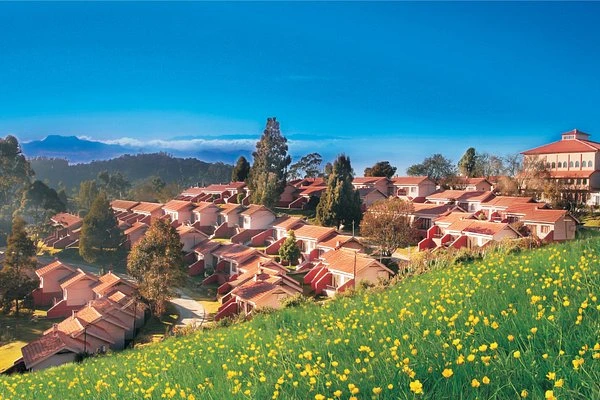
Ooty, nestled in the picturesque Nilgiri Hills of Tamil Nadu at an altitude of around 2,240 meters, has long been celebrated as a cool retreat from India’s sweltering summer heat. Known as the “Queen of Hill Stations,” it boasts mist-covered valleys, sprawling tea estates, and a charming colonial heritage that attracts both domestic and international travelers. While traditionally popular during the summer months, Ooty is now increasingly drawing attention in the winter season, thanks to its crisp, frosty mornings, serene landscapes, and the opportunity for unique winter experiences such as frost photography, sunrise treks, and early-morning nature walks.
However, the rising popularity of winter tourism comes with its share of challenges. The town faces increasing tourist footfall, which strains local infrastructure, creates congestion on narrow hill roads, and threatens the fragile ecosystem. In addition, e-pass regulations and vehicle limits have been introduced to manage overcrowding, but they have also led to confusion and reduced spontaneous visits by travelers. Environmental concerns, including littering, unregulated accommodation growth, and pressure on water and energy resources, further highlight the need for careful planning and management.
This blog aims to provide a comprehensive overview of Ooty’s winter tourism potential, examining the opportunities created by frost and misty landscapes, the impact of travel restrictions on visitors and businesses, and the adoption of sustainable strategies. By highlighting eco-friendly accommodations, controlled visitor flow, and experiential offerings, we aim to illustrate how Ooty can emerge as a premier winter tourism hub, balancing the demands of tourism growth with environmental preservation and local community benefits.
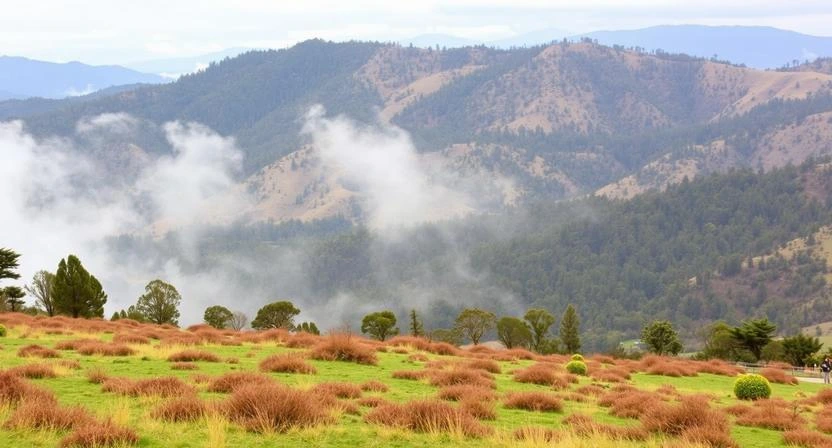
Current Market Trends in Ooty Tourism
📊 Domestic and Global Trends
Ooty continues to be one of Tamil Nadu’s most visited hill stations, attracting a diverse mix of domestic and international travelers. In 2023, Tamil Nadu recorded approximately 286 million domestic tourist arrivals, with Ooty consistently ranking among the top destinations due to its scenic landscapes, cooler climate, and well-developed tourism infrastructure (Times of India).
Globally, the winter tourism market is experiencing strong growth, projected to reach USD 680 billion by 2035, expanding at a 7.9% CAGR (Future Market Insights). This growth is driven by rising demand for experiential travel, increased disposable incomes, and the popularity of adventure tourism in mountainous regions. Although Ooty does not receive heavy snowfall like traditional ski destinations, it benefits from the growing trend of winter escapes, where travelers seek frost-covered landscapes, misty mornings, and wellness experiences in serene hill stations.
Within India, travelers are increasingly favoring short winter trips to accessible hill stations. Factors such as cost-effectiveness, proximity to major cities like Bangalore, Chennai, and Coimbatore, and ease of travel make Ooty a preferred destination over international snow tourism options. Social media exposure and the rise of domestic travel influencers have also contributed to increased awareness and aspirational travel trends among millennials and Gen Z, making winter visits to Ooty highly sought after.
🌿 Sustainable Tourism Trends
Sustainability is becoming a critical factor shaping tourism choices in Ooty. Travelers now actively seek eco-friendly stays, boutique homestays, and glamping sites that minimize environmental impact while offering immersive nature experiences. Guided tours, tea estate walks, and curated treks are gaining popularity as visitors increasingly value authentic, low-impact interactions with local ecosystems.
Additionally, social media platforms like Instagram, YouTube, and Pinterest have boosted interest in frost photography, misty morning landscapes, and sunrise experiences, creating a niche segment known as “frost tourism”. This trend not only drives short-term visitor traffic but also encourages longer stays at eco-resorts and boutique accommodations, providing opportunities for local businesses to adopt sustainable practices while monetizing unique experiences.
📌 Insight: Combining accessibility, scenic winter appeal, and sustainable offerings positions Ooty to tap both domestic and niche international markets. Tourism operators that integrate digital marketing, seasonal packages, and eco-conscious initiatives are likely to see stronger growth in the next decade.
Impact of Frost and Travel Restrictions
❄ Frost Conditions
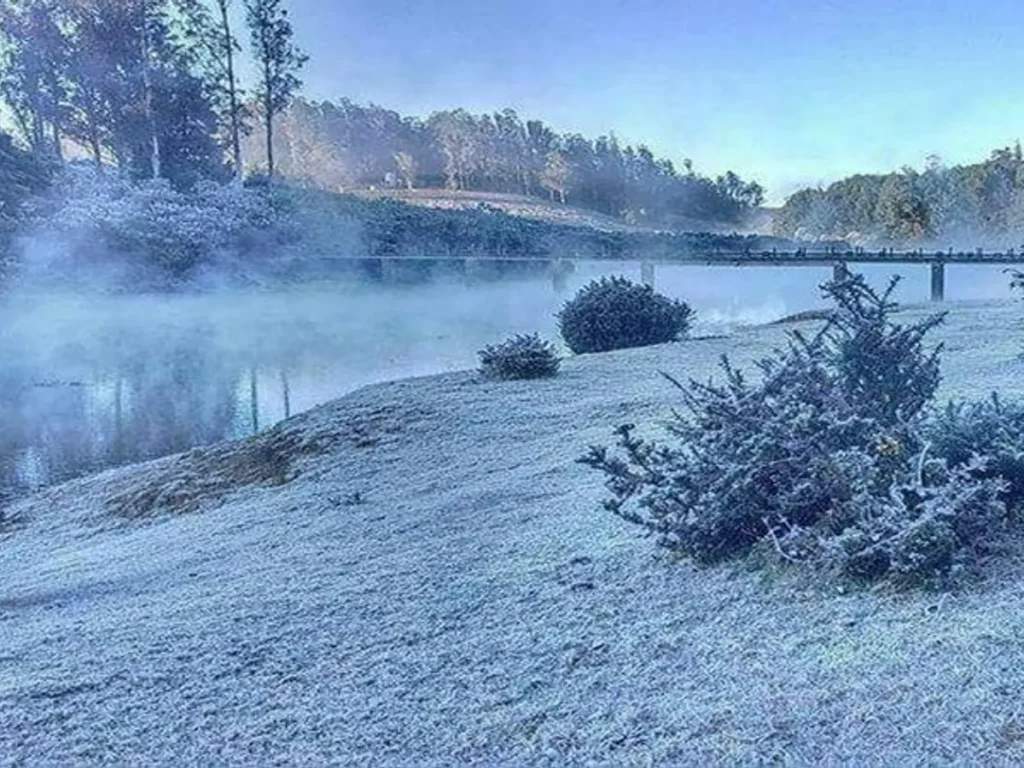
Ooty’s winter climate is characterized by crisp, cold mornings, with temperatures frequently dropping below 0°C, especially in late December and early January. These sub-zero temperatures create stunning frost-covered landscapes, with dew and frost glistening on grass, rooftops, and tea plantations. Popular spots like Doddabetta Peak, Ooty Botanical Garden, and Emerald Lake offer some of the most photogenic frost views.
Frost formation is typically observed in the early pre-dawn hours (around 5–7 AM), which means tourists need to plan their visits carefully if they want to witness and photograph these scenic moments. Delaying trips until later in the morning often results in frost melting due to sunlight, reducing the visual impact. Early-morning frost tours have now become a niche attraction, with professional and amateur photographers flocking to capture misty landscapes during the winter season.
🚧 Travel Restrictions
To manage the surge in tourist traffic and protect the fragile ecosystem of the Nilgiri Hills, local authorities have introduced e-pass regulations for vehicles traveling to Ooty during peak winter periods. These measures include:
- Vehicle Limitations: Only 6,000–8,000 vehicles per day are allowed into key tourist zones, including Doddabetta, Botanical Garden, and Rose Garden.
- E-Pass Requirement: Travelers are required to register for an official e-pass, especially during weekends and holidays, to reduce congestion.
While these restrictions are essential for sustainable tourism and environmental preservation, they have led to a decline in spontaneous or last-minute visits, particularly affecting day-trippers and local vendors. On the other hand, the policies have improved the quality of visitor experience by reducing overcrowding, allowing tourists who plan ahead to enjoy peaceful, uncrowded frost and nature experiences.
💡 Tip Box: Navigating Restrictions
- Check E-Pass Portals Early: Visit official Ooty tourism or district websites to book e-passes in advance and avoid last-minute disappointment.
- Plan Visits Outside Peak Hours: Early-morning or late-afternoon slots provide the best chance to enjoy frost without heavy crowds.
- Use Public Transport or Carpooling: Shared taxis, buses, or pooled vehicles not only comply with restrictions but also reduce carbon footprint and traffic congestion.
- Combine Sightseeing Efficiently: Plan nearby attractions in a cluster to maximize the visit while adhering to traffic rules.
📌 Insight: While frost tourism adds a unique winter appeal to Ooty, travel restrictions and environmental measures are shaping how tourists experience the destination. Planning ahead and adopting sustainable practices ensures a safe, enjoyable, and eco-conscious visit, balancing the needs of visitors, local communities, and natural ecosystems.
Sustainable Growth Strategies for Ooty Tourism
🌿 Eco-Friendly Accommodation
To ensure that Ooty’s tourism growth remains environmentally responsible, promoting eco-friendly accommodations is key. This includes:
- Homestays: Partner with local families to offer authentic cultural experiences while supporting the local economy. Tourists get a personalized stay and a taste of Nilgiri life, while locals earn sustainable income.
- Eco-Resorts: Encourage resorts that follow green building practices, use renewable energy, recycle water, and minimize plastic usage. Examples include The Carlton Ooty and boutique eco-resorts in Kotagiri.
- Glamping Sites: Luxury camping or “glamorous camping” allows visitors to enjoy nature without leaving a heavy environmental footprint. Sites like Shibumi Glamping offer eco-tents with minimal land disturbance, perfect for frost tourism enthusiasts.
📌 Insight: Eco-friendly accommodations attract premium travelers willing to pay extra for sustainable practices, generating higher revenue per tourist while protecting the environment.
📊 Controlled Tourist Footfall
Managing the number of visitors is crucial to prevent overcrowding, environmental degradation, and strain on local resources. Effective strategies include:
- Peak-Day Limits: Restrict vehicles and visitors during peak hours using digital ticketing systems.
- Time Slot Entries: Divide tourist visits into morning, midday, and evening slots to reduce congestion at popular frost and sunrise locations.
- Dynamic Pricing Models: Offer discounted rates for off-peak timings to encourage even distribution of visitors throughout the day.
💡 Example: Similar strategies in Manali and Shimla have successfully reduced traffic congestion while improving tourist satisfaction, and can be adapted to Ooty’s hill roads and key attractions.
🎨 Experiential Activities
Modern travelers increasingly seek immersive, Instagram-worthy experiences rather than just sightseeing. Ooty can expand its offerings with:
- Frost Photography Tours: Guided morning tours during peak frost times, including tips on photography and best viewpoints.
- Tea Estate Walks: Educational walks through working tea plantations, with demonstrations of plucking, processing, and tasting tea leaves.
- Sunrise View Points: Doddabetta Peak and Emerald Lake guided tours allow tourists to witness breathtaking winter sunrises and misty landscapes.
- Cultural and Wellness Experiences: Incorporate local cuisine tasting, yoga retreats, and traditional Nilgiri art workshops to enhance experiential tourism.
📌 Insight: Experiential tourism not only increases tourist satisfaction but also encourages longer stays and higher spending per visitor.
🤝 Community Engagement
Involving the local population ensures economic and social sustainability:
- Local Guides: Train residents to lead treks, frost tours, and cultural walks, creating employment opportunities and authentic experiences for tourists.
- Handicraft & Souvenir Sales: Promote local products like Nilgiri tea, essential oils, and handicrafts in tourism hubs.
- Environmental Stewardship Programs: Encourage locals to participate in cleanup drives and conservation initiatives, fostering a sense of ownership over natural resources.
💡 Example: Community-led tourism models in Coorg and Munnar have successfully combined cultural preservation with economic benefits, reducing the environmental impact of mass tourism.
💻 Digital Promotion
To attract the right audience and manage visitor expectations, digital strategies are critical:
- AI-Driven Travel Planning Apps: Personalized itineraries based on visitor preferences, peak timings, and frost photography schedules.
- Social Media Campaigns: Target urban Indian cities like Bangalore, Chennai, and Hyderabad, highlighting Ooty’s winter charm, frost landscapes, and sustainable experiences.
- Content Marketing & Influencers: Collaborate with travel bloggers, photographers, and eco-tourism influencers to showcase experiential tourism and seasonal highlights.
📌 Insight: Digital promotion ensures efficient tourist distribution, reduces overcrowding, and encourages eco-conscious behavior among visitors.
Overall, integrating eco-friendly accommodations, controlled footfall, experiential offerings, community engagement, and digital promotion positions Ooty as a modern, sustainable winter tourism hub. These strategies balance environmental protection, community benefit, and tourist satisfaction, ensuring long-term growth and global competitiveness.
Top Frost & Winter Experiences in Ooty
| Activity | Best Time | Location | Details & Tips |
| Frost Photography | 5–7 AM | Ooty Botanical Garden, Doddabetta Peak | Early-morning frost creates a magical landscape with sparkling grass, mist, and tea plantations. Tourists are advised to wear warm layers, carry tripods and DSLR or mirrorless cameras, and arrive before sunrise for the best shots. Guided photography tours are available for enhanced experience. |
| Sunrise View Tours | 6–7 AM | Doddabetta Peak, Emerald Lake | Witness the golden sun rising over misty valleys. Sunrise tours often combine short treks to vantage points. Booking early is recommended due to limited vehicle slots. Light refreshments and binoculars enhance the experience. |
| Tea Estate Walks | 7–10 AM | Coonoor Tea Estates, Ooty Hills | Guided walks through working tea plantations offer insights into plucking and processing tea leaves. Visitors can taste fresh Nilgiri tea, learn sustainable farming practices, and purchase locally made tea products. Ideal for photography and eco-tourism enthusiasts. |
| Nature Trekking | Morning | Avalanche Lake, Kotagiri Trails | Moderate treks through forested trails, waterfalls, and misty hills. Winter offers crisp air and scenic beauty. Essential: sturdy shoes, warm clothing, water, and a local guide. Treks often intersect with bird-watching and small wildlife spotting opportunities. |
| Winter Festivals | December | Ooty Winter Carnival, Town Center | Celebrates winter culture with music, dance, food stalls, and craft fairs. Festival highlights include traditional games, cultural shows, and guided city tours. Tickets may need advance booking due to visitor limits. Local artisans and performers benefit directly from festival tourism. |
Additional Tips for Frost & Winter Experiences
- Plan early: Most frost and sunrise experiences occur before 7 AM, so overnight stays nearby are recommended.
- Safety first: Use guided tours for trekking and remote areas to ensure safety on slippery frost-covered paths.
- Eco-conscious travel: Carry reusable water bottles, avoid plastic, and respect wildlife and plant life along trails.
- Photography essentials: Wide-angle lenses, neutral density filters, and portable tripods help capture frost and mist in the best light.
- Combine experiences: Morning frost photography can be followed by tea estate walks and trekking for a full-day winter itinerary.
📌 Insight: Frost and winter activities in Ooty not only provide memorable experiences for tourists but also create monetization opportunities for local guides, eco-resorts, and specialty tour operators. Structured, sustainable experiences ensure the destination maintains its charm while managing visitor flow.
Eco-Friendly Stays & Glamping Options
Ooty’s growing winter tourism scene is increasingly attracting travelers who prioritize sustainable, eco-conscious accommodations. From boutique luxury resorts to glamping tents and heritage homestays, visitors now have a variety of options that combine comfort, culture, and environmental responsibility.
🌿 The Carlton Ooty – Eco-Conscious Luxury Resort
- Overview: A premium resort offering luxury amenities while following eco-friendly practices like solar power, water recycling, and waste management.
- Experience: Guests enjoy panoramic views of Ooty valleys, guided garden walks, and locally sourced organic meals.
- Ideal For: Families and high-end travelers seeking comfort without compromising on sustainability.
⛺ Shibumi Glamping – Minimal Impact Tents
- Overview: Luxury tents designed for minimal environmental footprint, set amidst tea estates and misty hills.
- Experience: Includes campfires, guided nature walks, frost photography tours, and stargazing nights.
- Ideal For: Adventure enthusiasts, photographers, and couples looking for immersive experiences close to nature.
🏡 Heritage Homestays in Kotagiri – Local Experiences & Sustainable Food
- Overview: Family-run homestays offering authentic Nilgiri hospitality, homemade organic meals, and cultural interactions.
- Experience: Guests can participate in cooking classes, tea plucking, and community-led eco-activities.
- Ideal For: Travelers seeking cultural immersion, slow travel, and responsible tourism.
🌱 Tea Estate Retreats – Farm Stays Focused on Organic Produce
- Overview: Stays located within or near working tea estates emphasizing sustainable farming and organic produce.
- Experience: Visitors can take guided tours of tea gardens, learn about eco-farming practices, and enjoy farm-to-table meals.
- Ideal For: Eco-tourists, wellness travelers, and photography enthusiasts.
💰 Monetization Opportunity
- Promote affiliate partnerships with eco-resorts, homestays, and glamping sites to earn commissions from bookings.
- Create curated winter travel guides featuring these stays with affiliate links for booking platforms.
- Offer premium packages combining stays, frost photography tours, and tea estate experiences to increase visitor spend.
- Collaborate with eco-conscious brands (gear, travel clothing, reusable accessories) for sponsorships targeting environmentally-aware tourists.
📌 Insight: By highlighting eco-friendly accommodations, Ooty can attract premium, responsible travelers, while local businesses benefit economically, and environmental impact is minimized.
Planning Your Winter Trip: Tips & Safety Guidelines
Visiting Ooty during winter can be a magical experience, with frost-covered landscapes, misty hills, and serene sunrise views. However, proper planning and safety precautions are essential to ensure a comfortable and enjoyable trip.
🧥 Dress in Layers
- Winter temperatures in Ooty can drop below 0°C in the early mornings, particularly around 5–7 AM when frost is most visible.
- Layering allows you to adjust to changing temperatures throughout the day. Recommended layers include:
- Thermal innerwear
- Wool or fleece sweaters
- Waterproof and windproof jackets
- Thermal innerwear
- Carry scarves, hats, and gloves to protect extremities from frostbite during long outdoor excursions.
🥾 Footwear & Trail Safety
- Many popular sightseeing spots, tea estates, and trekking trails have uneven or slippery terrain, especially when frost or morning dew is present.
- Sturdy shoes with good grip are essential to avoid slips and injuries. Hiking boots or high-traction sneakers are recommended.
- For trekking enthusiasts, bring walking sticks and carry a small first-aid kit for minor scrapes or blisters.
🏨 Book Accommodations in Advance
- Peak winter season, particularly December and January, attracts a surge of tourists. Popular eco-resorts, homestays, and glamping sites often sell out weeks in advance.
- Pre-booking helps secure premium stays close to frost and sunrise spots, reducing early-morning travel hassles.
- Consider staying near Doddabetta Peak, Coonoor Tea Estates, or Avalanche Lake for easy access to key winter experiences.
♻️ Respect Local Guidelines & Environment
- Ooty’s fragile ecosystem requires tourists to follow waste disposal rules and avoid littering in natural areas.
- Stick to designated trails and restricted zones to protect flora and fauna.
- Participate in eco-conscious practices, such as carrying reusable water bottles, minimizing plastic use, and supporting local businesses that adopt sustainable methods.
🚗 Transportation & E-Pass Compliance
- Use local buses, shared taxis, or carpooling to navigate popular winter destinations and comply with e-pass restrictions.
- Avoid unregistered private vehicles, as traffic authorities may deny entry to peak areas.
- Digital travel planning apps and official e-pass portals can help schedule time slots and vehicle permits efficiently, ensuring a hassle-free experience.
📌 Additional Winter Trip Tips
- Carry hot beverages and light snacks for early-morning frost viewing.
- Bring a portable power bank for cameras and phones during long excursions.
- Check the weather forecast daily, as early morning frost can coincide with mist or fog, affecting visibility.
- Plan itineraries in clusters, combining nearby attractions to maximize sightseeing while minimizing travel time.
📌 Insight: Careful planning, appropriate clothing, adherence to local rules, and use of sustainable transportation can significantly enhance both safety and enjoyment during Ooty’s winter season. Travelers who prepare in advance are more likely to witness the best frost, mist, and sunrise experiences without disruptions.
Monetization Opportunities for Tourism Businesses
Ooty’s winter tourism boom presents multiple avenues for local businesses, travel operators, and content creators to generate revenue. By leveraging digital marketing, experiential offerings, and strategic partnerships, stakeholders can maximize earnings while promoting sustainable tourism.
💻 Affiliate Marketing
- Promote Ooty hotels, eco-resorts, homestays, and glamping sites through affiliate programs on blogs, travel websites, or social media.
- Partner with travel booking platforms like Booking.com, MakeMyTrip, and Airbnb to earn commissions for every confirmed reservation.
- Expand affiliate opportunities to photography gear, winter apparel, trekking accessories, and eco-friendly travel products, catering to tourists interested in frost photography and trekking.
- Example: A blog post showcasing “Top 10 Eco-Stays in Ooty Winter 2025” with embedded affiliate links can generate steady passive income from bookings and gear sales.
📄 Lead Magnets
- Offer free downloadable guides to attract email subscribers and build a loyal audience. Examples include:
- “Ultimate Ooty Winter Guide PDF” featuring top frost locations, trekking routes, and eco-friendly stays
- “Frost Photography Checklist” with tips, equipment recommendations, and best viewing times
- “Ultimate Ooty Winter Guide PDF” featuring top frost locations, trekking routes, and eco-friendly stays
- Once subscribers are engaged, businesses can promote tours, accommodations, and workshops directly via newsletters.
- Lead magnets also provide data for retargeting campaigns, increasing conversion rates for paid travel packages or local experiences.
📢 Sponsored Content
- Collaborate with eco-resorts, glamping operators, travel apps, and transport services to create sponsored blog posts, videos, or social media campaigns.
- Example: A sponsored post on “Experiencing Frost in Ooty: Top Eco-Resorts & Activities” can feature local resorts, trekking tours, and winter packages.
- Sponsored content not only drives bookings but also enhances brand visibility among environmentally-conscious travelers.
🏞 Local Experiences & Tours
- Sell guided frost tours, sunrise treks, tea estate walks, or cultural workshops to maximize revenue per visitor.
- Example: A full-day winter package could include:
- Early-morning frost photography tour
- Sunrise view at Doddabetta Peak
- Tea estate visit with tasting and cultural immersion
- Evening eco-dinner at a sustainable homestay
- Early-morning frost photography tour
- Partner with local guides and artisans to create authentic experiences, benefiting the community while attracting tourists willing to pay a premium.
📌 Additional Insights
- Use dynamic pricing for peak winter dates to increase profitability.
- Offer combo packages: accommodation + guided tours + winter photography workshop.
- Promote eco-conscious practices alongside paid experiences, as sustainability appeals to premium travelers and encourages repeat visits.
📌 Insight: Combining affiliate marketing, lead magnets, sponsored content, and curated local experiences allows tourism businesses in Ooty to diversify income streams, attract high-value tourists, and reinforce sustainable winter tourism practices.
10-Year Outlook for Ooty Winter Tourism
📈 Domestic Tourism Growth (2026–2035)
Ooty is expected to experience steady growth in domestic tourist arrivals, with projected annual increases of 8–10% over the next decade (Times of India). This growth will be driven by:
- Increasing demand for short, accessible hill station trips from urban centers like Bangalore, Chennai, and Hyderabad.
- Rising disposable income among millennials and Gen Z travelers, who seek experiential winter travel.
- Enhanced digital booking platforms making it easier for domestic tourists to plan and access frost experiences efficiently.
🌿 Rise of Sustainable Tourism
Sustainability will become a core expectation for travelers by 2035. Key trends include:
- Glamping, eco-resorts, and nature retreats dominating bookings as tourists prioritize environmental impact alongside comfort.
- Expansion of eco-certified accommodations offering solar energy, rainwater harvesting, and organic farm-to-table experiences.
- Growth in community-led tourism initiatives, where locals provide guided frost tours, trekking, and cultural experiences, ensuring equitable economic benefits.
💻 Digital Travel Planning & Personalization
Advances in AI and travel apps will allow tourists to plan personalized itineraries based on interests, peak frost times, and crowd levels. Benefits include:
- Reduced congestion at popular frost and sunrise spots by managing visitor flow via digital time slots.
- Increased adoption of dynamic pricing and guided packages that match visitor preferences, improving both revenue and experience quality.
- Integration of real-time weather alerts and frost forecasts, ensuring tourists maximize early-morning frost experiences safely.
🌐 International & Premium Market Attraction
By 2035, Ooty’s winter tourism is expected to align with global trends in frost and winter experiences:
- Eco-certified resorts and glamping sites will attract premium international tourists, especially those from Southeast Asia and the Middle East seeking short, sustainable winter getaways.
- Curated experiences like tea estate walks, frost photography tours, and winter wellness retreats will become signature offerings that differentiate Ooty from other hill stations in South India.
📌 Strategic Outlook
- Positioning Ooty as a Winter Tourism Hub: Frost tourism, sustainable accommodations, and community-driven experiences will collectively define Ooty as the go-to winter destination in South India.
- Revenue & Growth Opportunities: Tourism businesses that invest in eco-certifications, digital marketing, and experiential packages will capture high-value customers and ensure long-term sustainability.
- Environmental Stewardship: Continuous monitoring of footfall, waste management, and conservation practices will be critical to maintaining the region’s ecological integrity while supporting tourism growth.
📌 Insight: The next decade presents a promising future for Ooty, with domestic and international growth, digital-enabled personalization, and sustainability-led experiences driving its emergence as a premier winter tourism hub in India. Tourism operators, local communities, and policymakers who adopt forward-thinking strategies will benefit the most from this projected boom.
FAQs Section
1. What is frost tourism in Ooty?
Frost tourism in Ooty refers to visiting the Nilgiri Hills during early morning hours to witness frost-covered landscapes, mist-laden valleys, and crystal-clear winter sunrises. Unlike snowfall tourism in northern India, Ooty offers accessible frost experiences without extreme cold or snow sports. The niche attracts:
- Photography enthusiasts for Instagram-worthy frost shots
- Nature lovers seeking crisp morning air and misty hill views
- Eco-tourists preferring low-impact, sustainable travel experiences Best locations: Doddabetta Peak, Ooty Botanical Garden, Emerald Lake, Avalanche Lake. Tip: Arrive before 5:30 AM for frost and sunrise views; carry a tripod and wide-angle lens for professional photography.
2. Do I need an e-pass to visit Ooty in winter?
Yes. Ooty has implemented an e-pass system during peak winter months (December–January) to reduce traffic congestion and environmental stress on fragile hill ecosystems. Key points:
- Vehicle limits: 6,000–8,000 vehicles/day for key tourist spots
- Required for private cars, buses, and taxis; some exceptions for residents or hotel pickups
- Application: Online through the official Nilgiris district portal or approved travel agencies
Tip: Book at least 3–5 days in advance during weekends or festival periods to ensure entry.
3. When is the best time to visit Ooty for frost?
- Peak frost season: December to January, occasionally late November and early February
- Optimal viewing time: 5–7 AM, before sunrise heats the landscape
- Top spots: Doddabetta Peak, Emerald Lake, Ooty Botanical Garden, Avalanche Lake
- Weather considerations: Early mornings may have dense mist or fog, so check local weather forecasts to optimize photography
Tip: Stay in nearby eco-resorts or homestays to avoid long early-morning commutes
4. Are winter accommodations in Ooty expensive?
- Peak-season rates typically rise 20–30% compared to off-season.
- Affordable options include:
- Heritage homestays in Kotagiri or Coonoor (₹1,500–₹3,000 per night)
- Eco-resorts and boutique stays offering sustainable luxury (₹4,000–₹8,000 per night)
- Glamping experiences like Shibumi (₹3,000–₹6,000 per night)
- Heritage homestays in Kotagiri or Coonoor (₹1,500–₹3,000 per night)
- Booking tip: Reserve at least 4–6 weeks in advance to secure premium rooms near frost and sunrise spots.
SEO keyword opportunity: “Budget eco-stays Ooty winter 2026” or “Luxury frost tourism accommodation Nilgiris.”
5. Is Ooty safe for solo travelers in winter?
Yes, but take precautions:
- Join guided frost photography or trekking tours to avoid early-morning isolation
- Wear thermal layers, gloves, scarves, and sturdy shoes
- Carry mobile phone, power bank, and local emergency contacts
- Stick to popular tourist zones and avoid restricted areas
Solo travelers can benefit from community-led experiences like tea estate tours and cultural workshops
6. What sustainable tourism options exist in Ooty?
Ooty increasingly caters to eco-conscious travelers with options like:
- Eco-resorts & homestays using solar power, rainwater harvesting, and organic meals
- Glamping tents minimizing environmental impact
- Guided treks and tea estate tours led by trained local guides
- Cultural workshops (local crafts, cooking classes, Nilgiri traditions)
- Volunteer tourism: Participate in tree planting or clean-up drives organized by local NGOs
7. Can I plan day trips from Bangalore or Chennai?
Yes. Distances:
- Bangalore: 270 km (~6–7 hours by road)
- Chennai: 530 km (~10 hours by road)
Travel options: - Private car or taxi – flexible schedule for sunrise/frost trips
- Buses & shared cabs – cost-effective, often pre-booked for winter
- Train: Nearest station is Mettupalayam, connected via Nilgiri Mountain Railway toy train
Tip: Consider overnight stays near key frost points to avoid early-morning long drives
8. Are winter festivals still happening despite travel restrictions?
Yes, but with adjustments:
- Ooty Winter Carnival in December runs with limited attendees, requiring prior e-pass registration
- Includes music, dance, craft fairs, guided tours, and local cuisine stalls
- Provides authentic cultural experiences while ensuring safety and controlled visitor flow
- Local artisans and vendors benefit directly from festival tourism revenue
9. What activities are best for families in Ooty?
Family-friendly winter experiences:
- Nature walks and frost photography tours
- Nilgiri Mountain Railway toy train rides
- Tea estate visits with hands-on experiences
- Winter sightseeing tours: Doddabetta Peak, Emerald Lake, Botanical Gardens
Safe for children and seniors with short treks and guided tours
10. Is Ooty winter tourism aligned with global trends?
Yes. Frost and winter tourism in Ooty mirrors global trends in experiential and sustainable mountain tourism, seen in:
- Europe: Switzerland and Austria focusing on niche winter experiences
- Japan: Small-town frost & winter festivals for local experiences
- Key focus: eco-friendly accommodations, experiential travel, and photography-based tourism
11. How do I plan a frost photography itinerary?
- Visit 5–7 AM for best frost coverage
- Choose high-altitude viewpoints like Doddabetta Peak, Emerald Lake, and Avalanche Lake
- Use DSLR or mirrorless cameras with wide-angle lenses and tripods
- Include tea estate walks and sunrise spots for a full-day itinerary
Tip: Combine photography with local breakfast and guided eco-tour activities
12. Are there special winter packages for Ooty?
Yes, curated packages include:
- Eco-resort or homestay accommodation
- Guided frost and sunrise tours
- Tea estate walks, trekking, and cultural workshops
- Local cuisine experiences and wellness retreats
Benefits: cost-effective, well-planned, and optimized for frost viewing
13. What clothing and gear should I pack for winter Ooty?
- Clothing: Thermal wear, wool sweaters, jackets, scarves, gloves
- Footwear: Hiking boots or anti-slip shoes
- Gear: Camera, tripod, power bank, reusable water bottle
- Extras: Hot beverage flask, layered backpack, flashlight
Tip: Layering is essential to adjust to pre-dawn frost temperatures and daytime warmth
14. How do e-pass and vehicle restrictions affect travel plans?
- Peak-season vehicle limit: 6,000–8,000/day
- Digital e-pass systems allocate time slots to prevent overcrowding
- Plan ahead with shared transport, buses, or guided tours
- Restriction ensures: better visitor experience, reduced traffic, and environmental protection
15. Are there offbeat winter experiences in Ooty?
- Night frost photography in less crowded locations
- Birdwatching and small wildlife spotting along trekking trails
- Eco-volunteering with local NGOs
- Wellness retreats combining yoga, meditation, and organic meals
Tip: Offbeat experiences cater to travelers seeking unique Instagram-worthy or immersive winter travel
16. Can international travelers visit Ooty for winter tourism?
Yes. Increasingly, premium international tourists are attracted to:
- Eco-certified resorts and sustainable homestays
- Frost photography tours and curated winter experiences
- English-speaking guides and digital travel planning apps
Short-haul trips from Southeast Asia, Middle East, and Europe make Ooty a practical winter destination
summary
- Emerging Winter Hub: Ooty is gaining recognition as a winter tourism destination due to its frosty mornings, misty landscapes, and scenic hill station charm.
- Travel Restrictions & Challenges: E-pass requirements, vehicle limits, and seasonal congestion have temporarily reduced tourist numbers, requiring careful trip planning.
- Sustainable Tourism Strategies: Eco-friendly accommodations, glamping, controlled tourist flow, and community engagement are being promoted to ensure long-term growth.
- Frost & Winter Experiences: Tourists can enjoy early-morning frost photography, sunrise tours, tea estate walks, trekking, and winter festivals, making Ooty a unique experiential destination.
- Monetization & Opportunities: Businesses can leverage affiliate marketing, guided tours, eco-resorts, and digital guides to attract domestic and international travelers.
- Bright 10-Year Outlook: With domestic travel growth, sustainable practices, and tech-enabled planning, Ooty is poised to become a premier winter tourism hub in South India.
Conclusion
Ooty’s winter tourism is currently navigating a mix of challenges and opportunities. Frosty mornings, travel restrictions, and limited vehicle access may seem like hurdles, but they also provide a unique chance to reinvent the visitor experience. By adopting sustainable tourism practices, encouraging eco-friendly accommodations, and managing tourist flow intelligently, Ooty is positioning itself as a model for responsible winter tourism in South India. Visitors who respect these guidelines not only ensure their own safety and comfort but also contribute to preserving the pristine natural beauty of the Nilgiri Hills for future generations.
The town’s charm lies in its experiential offerings—from early-morning frost photography and serene sunrise view points to guided tea estate walks and winter trekking adventures. These activities are increasingly attracting travelers who seek authentic, immersive experiences rather than just sightseeing. With careful planning, tourists can enjoy the best of Ooty’s winter magic while supporting local communities, enjoying eco-conscious stays, and participating in seasonal festivals and cultural events.
✅ Call to Action: Don’t miss the chance to experience Ooty’s frost-covered landscapes this winter. Subscribe to our Ultimate Ooty Winter Travel Guide 2026 for insider tips, share this article with friends, and start planning your eco-friendly hill station adventure today! Whether you’re a first-time visitor or a returning traveler, Ooty promises an unforgettable blend of natural beauty, crisp winter air, and sustainable travel experiences.
References
- Ooty Travel Restrictions & E‑Pass Requirements
“Winter is here: Ooty welcomes snowfall season; e‑pass still mandatory” – Shows winter season and e‑pass requirement details with temperatures and travel rules.
➤ https://english.mathrubhumi.com/lifestyle/travel/ooty-welcomes-snowfall-season-epass-still-mandatory-56361577 @mathrubhumi - Travel Season Impact & E‑Pass Restrictions
“Ooty tourist season ends: Major losses for vendors and tourist spots” – Highlights how the e‑pass mandate affected tourism traffic and business.
➤ https://www.onmanorama.com/travel/travel-news/2024/06/12/ooty-travel-tourism-affected-rain-e-pass-restrictions-election-protocol.html Home - Frost & Cold Weather Tourism in Ooty
“Tourists delighted as frosting sets in Ooty” – Reports frost phenomena, locations, and visitor reactions to winter conditions.
➤ https://www.dtnext.in/news/tamilnadu/tourists-delighted-as-frosting-sets-in-ooty-856721 DT Next - Best Frost Viewing Spots & Travel Info
“Ooty: Prime Viewing Spots, Critical Timings And Essential E‑Pass Mandates For Tourists” – Details top frost spots, timings, and entry restrictions relevant for winter tourism.
➤ https://www.travelandtourworld.com/news/article/ooty-prime-viewing-spots-critical-timings-and-essential-e-pass-mandates-for-tourists-exploring-the-winter-wonderland/ Travel And Tour World - Travel Advice & E‑Pass Guide
“How to Get E‑Pass for Ooty Online in 2025 | Step‑by‑Step Guide” – Provides e‑pass process, rules, exemptions, and travel tips.
➤ https://www.ooty.ind.in/2025/how-to-get-an-E-pass-for-ooty.php ooty.ind.in - Tourism Diversification & Sustainable Travel Trends (Contextual)
“TN rolls out three new hotspots for camping, glamping” – Indicates Tamil Nadu’s broader push for eco‑tourism and sustainable travel experiences in hill regions.
➤ https://timesofindia.indiatimes.com/city/chennai/tn-rolls-out-three-new-hotspots-for-camping-glamping/articleshow/126109032.cms timesofindia.indiatimes.com
