








Estimated Reading Time: 30-35 minutes (6,105 words)
Introduction
Healthcare is undergoing a fundamental transformation — shifting from hospital-centric care to home-based, continuous, and preventive healthcare models. Rising healthcare costs, overcrowded hospitals, and the growing burden of chronic diseases have made traditional care models unsustainable. As a result, digital health monitoring devices are emerging as a critical solution, enabling individuals and healthcare providers to monitor health conditions anytime, anywhere, rather than only during hospital visits.
From smartwatches that detect irregular heart rhythms to connected glucose monitors that automatically alert doctors and caregivers in real time, digital health monitoring devices are redefining how the world manages health. These technologies empower patients to take control of their well-being, help doctors make data-driven decisions, and significantly reduce emergency interventions and hospital readmissions. What was once considered “fitness tracking” is now evolving into medical-grade, life-saving health infrastructure.
Between 2026 and 2035, this market will be shaped by several powerful, long-term forces:
- Exploding chronic disease cases
Rising incidence of diabetes, cardiovascular diseases, respiratory disorders, and lifestyle-related illnesses is driving demand for continuous monitoring and early intervention. - Aging populations
Globally and in India, aging demographics require round-the-clock health monitoring, especially for cardiac care, mobility, and chronic condition management. - AI-powered diagnostics
Artificial intelligence is transforming raw health data into predictive insights, enabling early detection of health risks and personalized care plans. - Rapid telemedicine adoption
Virtual consultations and remote patient monitoring are becoming mainstream, increasing reliance on connected health devices for accurate real-time data. - Government-backed digital health programs (especially in India)
Initiatives like Ayushman Bharat Digital Mission are accelerating digital health infrastructure, standardization, and adoption at a national scale.
👉 This article breaks down the digital health monitoring devices market size, share, trends, growth drivers, challenges, India-specific insights, and future opportunities — presented in a clear, data-backed, and actionable format to help readers, investors, startups, and decision-makers understand where this fast-growing industry is headed.
What Are Digital Health Monitoring Devices?
Digital health monitoring devices are connected medical-grade or consumer-focused devices designed to continuously track, record, and transmit health data in real time. These devices go beyond traditional, one-time diagnostic tests by enabling ongoing monitoring of vital signs, lifestyle metrics, and disease-specific indicators. By combining hardware sensors with software, cloud connectivity, and analytics, they allow healthcare providers and users to make timely, data-driven health decisions.
Unlike conventional medical equipment used only in hospitals or clinics, digital health monitoring devices are typically portable, wearable, or home-based, making healthcare more accessible and patient-centric. They play a crucial role in managing chronic conditions, monitoring post-surgical recovery, supporting elderly care, and promoting preventive healthcare by identifying health risks before they escalate into serious medical events.
🔍 Common Examples of Digital Health Monitoring Devices
- Smartwatches & fitness trackers
Track heart rate, sleep patterns, physical activity, stress levels, ECG, and blood oxygen (SpO₂), with many models now offering medical-grade accuracy. - Blood pressure monitors
Digital BP devices enable regular hypertension tracking at home and automatically share readings with healthcare professionals. - Continuous glucose monitors (CGMs)
Used by diabetics to track glucose levels in real time, reducing dependency on finger-prick tests and improving disease management. - Pulse oximeters
Measure blood oxygen saturation and pulse rate, widely used for respiratory conditions and post-COVID monitoring. - ECG patches & smart rings
Lightweight, wearable devices that continuously monitor heart rhythm and detect arrhythmias over extended periods. - Remote patient monitoring (RPM) kits
Bundled solutions combining multiple devices (BP monitor, glucose meter, weight scale, etc.) used by hospitals for remote patient care.
🔗 How These Devices Work Together
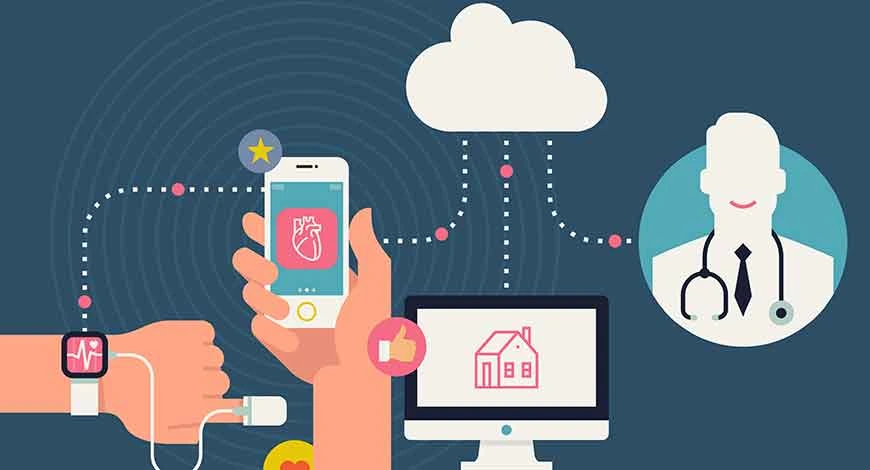
Digital health monitoring devices seamlessly integrate with a broader digital healthcare ecosystem, including:
- Mobile apps for real-time tracking, alerts, and user insights
- Cloud platforms for secure data storage and remote access
- AI analytics for predictive health insights and risk assessment
- Hospital and electronic health record (EHR) systems for clinical decision-making and continuity of care
This interconnected ecosystem ensures that health data flows smoothly from patients to caregivers, enabling faster interventions and better outcomes.
Digital Health Monitoring Devices Market Size (Global & India)
The digital health monitoring devices market is witnessing strong, multi-year expansion, driven by rising healthcare digitization, preventive care adoption, and rapid advances in connected medical technologies. Both global and Indian markets are expected to grow at double-digit CAGR through 2035, making this one of the fastest-growing segments within health technology.
🌍 Global Market Size & Forecast
Globally, digital health monitoring devices have moved from a niche innovation to a mainstream healthcare solution. The market is expanding rapidly as healthcare systems increasingly rely on real-time data, remote patient monitoring, and AI-driven insights to improve outcomes and reduce costs.
| Year | Estimated Market Size |
| 2025 | ~$5.3 Billion |
| 2030 | ~$15–18 Billion |
| 2035 | ~$30–31 Billion |
| CAGR (2026–2035) | ~19% |
Key global growth contributors include:
- Increasing prevalence of chronic diseases such as diabetes and cardiovascular disorders
- Rising adoption of remote patient monitoring (RPM) by hospitals and insurers
- Growing consumer demand for wearables and home health devices
- Integration of AI, IoT, and cloud platforms into healthcare delivery
📊 Sources: Precedence Research, Statista, McKinsey Health Tech Analysis
🇮🇳 India Market Size & Growth Outlook
India represents one of the most attractive and fastest-growing markets for digital health monitoring devices due to its large population, expanding middle class, and rapid digital adoption. The shift toward home-based care, combined with strong government support for digital health infrastructure, is accelerating market growth at a pace higher than the global average.
| Segment | Estimated Value |
| India Market (2025) | ~$2.5–3.7 Billion |
| Expected by 2030 | ~$8–22 Billion |
| CAGR | 20–28% |
| Fastest Growing Segment | Home monitoring devices & wearables |
Key drivers of India’s growth include:
- High burden of chronic lifestyle diseases (diabetes, hypertension, cardiac conditions)
- Government initiatives such as Ayushman Bharat Digital Mission (ABDM)
- Rapid growth of telemedicine and home healthcare services
- Availability of affordable, locally manufactured devices and strong e-commerce distribution
📌 India is among the fastest-growing digital health markets globally, with adoption expanding beyond metros into Tier-2 and Tier-3 cities.
📊 Sources: IMARC Group, Mordor Intelligence, Economic Times
💡 Insight for Readers & Investors:
While North America currently dominates market share, India and Asia-Pacific are expected to drive the next phase of global growth, making India a strategic market for device manufacturers, startups, investors, and digital health platforms over the next decade.
Market Share by Device Type
The digital health monitoring devices market is highly diversified, with adoption spanning consumer-focused wearables to clinically deployed monitoring systems. Market share distribution reflects a clear shift toward continuous, at-home, and wearable health tracking, driven by convenience, affordability, and increasing health awareness among consumers.
📊 Market Segmentation by Device Type
| Device Type | Approx. Market Share |
| Wearables (Smartwatches, Smart Rings, Fitness Trackers) | ~40% |
| Home Monitoring Devices | ~30% |
| Remote Patient Monitoring (RPM) Kits | ~18% |
| Clinical Monitoring Devices | ~12% |
⌚ Wearables (≈40% Market Share)
Wearables form the largest and fastest-adopted segment of the market. Devices such as smartwatches and smart rings are widely used for daily health tracking and are increasingly offering medical-grade features.
Key reasons for dominance:
- Affordable price points across global and Indian markets
- High consumer adoption and lifestyle integration
- Advanced sensors for heart rate, ECG, SpO₂, sleep, stress, and activity tracking
- Strong ecosystem support from mobile apps and cloud platforms
📌 Many wearables are now being used not just for fitness, but also for early detection of cardiac irregularities and sleep disorders.
🏠 Home Monitoring Devices (≈30% Market Share)
Home monitoring devices are the second-largest segment, particularly important for chronic disease management and elderly care.
Common devices include:
- Digital blood pressure monitors
- Blood glucose meters and CGMs
- Pulse oximeters
- Smart weighing scales
Growth drivers:
- Rising prevalence of diabetes, hypertension, and respiratory conditions
- Increased acceptance of home-based healthcare
- Post-COVID emphasis on self-monitoring and early intervention
📌 In India, this segment is growing rapidly due to affordable devices and expanding telemedicine services.
🧑⚕️ Remote Patient Monitoring (RPM) Kits (≈18% Market Share)
RPM kits are typically prescribed or deployed by hospitals and healthcare providers to monitor patients remotely after discharge or during long-term care.
What RPM kits include:
- Multiple connected devices (BP monitor, glucose meter, pulse oximeter, thermometer)
- Centralized dashboards for clinicians
- Real-time alerts and data sharing
Why RPM is growing fast:
- Reduces hospital readmissions
- Improves patient outcomes
- Lowers healthcare costs for providers and insurers
📌 This segment is expected to see one of the highest growth rates through 2035, especially in chronic and post-acute care.
🏥 Clinical Monitoring Devices (≈12% Market Share)
Clinical monitoring devices are used primarily in hospitals, clinics, and diagnostic centers. While their market share is smaller, they remain critical for acute care and diagnosis.
Examples include:
- Bedside patient monitors
- Advanced ECG and vital sign systems
- ICU monitoring equipment
Current trend:
- Gradual shift from stationary clinical devices to portable and connected alternatives
- Integration with hospital information systems and EHRs
💡 Key Insight:
Wearables dominate the market due to their mass-market appeal, affordability, and ease of use. However, RPM kits and home monitoring devices are gaining momentum, signaling a long-term shift toward home-first, continuous, and preventive healthcare models globally and in India.
Key Growth Drivers (2026–2035)
The rapid expansion of the digital health monitoring devices market between 2026 and 2035 is being fueled by structural changes in global healthcare systems. Rising disease burden, demographic shifts, technological maturity, and strong government support are collectively accelerating adoption across both developed and emerging markets, including India.
🔹 1. Exploding Chronic Disease Burden
Chronic, lifestyle-related diseases are the single biggest driver of demand for digital health monitoring devices. Conditions such as diabetes, cardiovascular diseases, hypertension, respiratory disorders, and obesity require continuous and long-term monitoring rather than occasional hospital visits.
- India has over 100 million people living with diabetes, according to ICMR estimates, with millions more undiagnosed.
- Cardiovascular diseases remain the leading cause of mortality globally, increasing demand for heart-rate, ECG, and blood pressure monitoring devices.
- Continuous glucose monitors (CGMs), smart BP monitors, and wearable ECG devices enable early detection, better disease control, and reduced complications.
📌 As healthcare systems move toward preventive and value-based care, continuous monitoring is becoming essential rather than optional.
🔹 2. Rapid Adoption of Remote Patient Monitoring (RPM)
Remote Patient Monitoring has emerged as a cost-effective and scalable alternative to traditional in-person care. Hospitals, insurers, and healthcare providers are increasingly deploying RPM solutions to manage patients remotely, especially those with chronic conditions or post-surgical recovery needs.
Key benefits driving adoption:
- Hospitals reduce operational costs and bed occupancy
- Patients avoid frequent hospital visits and long waiting times
- Doctors receive real-time data for timely interventions
📌 The COVID-19 pandemic permanently changed patient and provider behavior, accelerating acceptance of telemedicine and home-based monitoring. This post-COVID shift continues to drive sustained demand for connected monitoring devices globally and in India.
🔹 3. Aging Global Population
The world is experiencing a rapid increase in its elderly population, creating long-term demand for continuous health monitoring and elderly care solutions.
- Older adults are more prone to chronic diseases, mobility issues, and sudden health events
- Continuous monitoring helps detect early warning signs such as irregular heartbeats, oxygen level drops, or blood pressure fluctuations
Regions such as Japan, Europe, the United States, and increasingly India are key contributors to this trend. In India, improving life expectancy and nuclear family structures are increasing reliance on technology-driven elderly care solutions.
📌 Digital health monitoring devices enable aging populations to live independently while staying medically connected.
🔹 4. Strong Government Push Toward Digital Health
Governments across the world are actively investing in digital health infrastructure to improve access, efficiency, and healthcare outcomes.
- India: The Ayushman Bharat Digital Mission (ABDM) is building a national digital health ecosystem, standardizing health records and enabling interoperability across platforms.
- Globally: Countries in North America, Europe, and Asia-Pacific are funding telehealth, remote monitoring, and digital health innovation programs.
📌 Policy support, regulatory frameworks, and public-private partnerships are lowering adoption barriers and encouraging hospitals and startups to scale digital health monitoring solutions.
💡 Key Insight:
The convergence of rising chronic diseases, aging populations, remote care adoption, and government-backed digital health initiatives ensures that digital health monitoring devices will remain a high-growth, high-impact healthcare segment through 2035, with India playing a pivotal role in the next phase of global expansion.
Major Trends Shaping the Market
Between 2026 and 2035, the digital health monitoring devices market will be shaped by a set of powerful, technology-driven and behavior-driven trends. These trends are redefining how healthcare is delivered, monitored, and consumed—moving it toward continuous, personalized, and home-based care models.
📈 Top Trends (2026–2035)
🧠 AI-Powered Health Analytics
Artificial Intelligence is transforming digital health monitoring devices from passive data collectors into intelligent health companions. Instead of merely displaying numbers, AI systems analyze large volumes of health data to deliver actionable insights.
Key advancements include:
- Predictive alerts that warn users and doctors about potential health risks before symptoms become severe
- Early disease detection, especially for cardiac conditions, diabetes complications, and sleep disorders
- Personalized care plans based on individual health patterns, lifestyle, and medical history
📌 AI-driven analytics significantly improve clinical decision-making and enable preventive healthcare at scale, reducing emergency interventions and long-term treatment costs.
⌚ Rise of Medical-Grade Wearables
Wearables are rapidly evolving from consumer fitness gadgets into clinically reliable, medical-grade health devices. Leading smartwatches and smart rings now include advanced sensors capable of monitoring critical health metrics with near-clinical accuracy.
Key developments driving this trend:
- Integration of ECG, blood oxygen (SpO₂), blood pressure, and heart rhythm sensors
- Increasing regulatory approvals from authorities such as the FDA (US) and CDSCO (India)
- Growing acceptance of wearables by doctors, insurers, and healthcare institutions
📌 As regulatory trust improves, medical-grade wearables are increasingly being prescribed for remote patient monitoring, cardiac care, and chronic disease management.
🏠 Home-First Healthcare Becomes the New Standard
Healthcare delivery is shifting decisively toward a home-first model, where monitoring, diagnostics, and follow-ups occur outside traditional hospital settings.
Why home-based monitoring is gaining momentum:
- Patients prefer convenience, comfort, and reduced travel
- Hospitals reduce bed occupancy and operational costs
- Chronic and elderly patients benefit from continuous, real-time tracking
📌 Home-based digital monitoring is becoming standard for post-hospital recovery, elderly care, and long-term disease management, significantly reducing the burden on healthcare infrastructure—especially in densely populated countries like India.
🛒 E-commerce & Direct-to-Consumer (D2C) Sales Growth
The way digital health monitoring devices are purchased has changed dramatically. E-commerce and D2C channels now dominate device distribution globally and in India.
Key factors driving this shift:
- Easy access to a wide range of devices across price points
- Transparent comparisons, reviews, and educational content
- Strong presence of platforms like Amazon, Flipkart, and brand-owned websites
📌 Online sales channels enable manufacturers to reach Tier-2 and Tier-3 cities, accelerating adoption and making digital health devices more accessible to a broader population.
💡 Key Trend Insight:
The convergence of AI intelligence, medical-grade wearables, home-based care models, and e-commerce accessibility is pushing digital health monitoring devices into the healthcare mainstream. Together, these trends will define the market’s growth trajectory and innovation roadmap through 2035, with India playing a central role in scaling adoption.
Role of AI, IoT & Wearables
Advanced technologies such as Artificial Intelligence (AI), Internet of Things (IoT), cloud computing, 5G, and Big Data analytics form the technological backbone of the digital health monitoring devices market. Together, they are transforming healthcare from a reactive, episodic system into a proactive, continuous, and predictive ecosystem.
🔗 How Technology Is Powering Market Growth
| Technology | Impact on Digital Health Monitoring |
| Artificial Intelligence (AI) | Predictive diagnostics, anomaly detection, risk scoring, and personalized health recommendations |
| Internet of Things (IoT) | Real-time data collection and transmission from devices to apps, doctors, and hospitals |
| Cloud Computing | Secure storage of health data, scalability, interoperability, and remote access |
| 5G Connectivity | Ultra-low latency and faster, more reliable remote monitoring |
| Big Data Analytics | Population-level health insights, trend analysis, and evidence-based healthcare planning |

🧠 Artificial Intelligence (AI): From Data to Decisions
AI is the most transformative force in digital health monitoring. By analyzing continuous streams of health data, AI systems can detect patterns that humans might miss.
Key contributions of AI include:
- Predictive diagnostics that identify health risks before symptoms appear
- Risk scoring models for chronic diseases such as heart conditions and diabetes
- Personalized health insights tailored to individual behavior, genetics, and lifestyle
📌 AI enables doctors to intervene earlier, improves patient outcomes, and reduces emergency hospitalizations.
🌐 Internet of Things (IoT): Real-Time Connectivity
IoT connects multiple health monitoring devices into a single, interoperable network. Each device acts as a data node, transmitting vital information continuously.
Benefits of IoT in healthcare monitoring:
- Real-time sharing of patient data with caregivers and clinicians
- Automated alerts during abnormal readings
- Seamless integration of multiple devices within RPM kits
📌 IoT is critical for remote patient monitoring, elderly care, and post-discharge follow-ups, especially in geographically diverse countries like India.
☁️ Cloud Computing: Secure & Scalable Health Data
Cloud platforms provide the infrastructure required to store, manage, and analyze massive volumes of health data securely.
Key advantages include:
- Secure and compliant storage of electronic health records (EHRs)
- Easy access for patients and healthcare providers
- Scalability for startups, hospitals, and national health programs
📌 Cloud-based systems are essential for interoperability and long-term digital health ecosystems, such as India’s ABDM framework.
📡 5G: Accelerating Remote Monitoring
5G networks enhance the reliability and speed of data transmission, enabling near real-time healthcare monitoring.
5G enables:
- Faster data transfer from wearable and home devices
- Reliable video consultations and remote diagnostics
- Support for advanced applications such as real-time ECG streaming
📌 As 5G expands across India and globally, it will unlock next-generation remote healthcare services.
📊 Big Data: Insights at Population Scale
Big Data analytics aggregates anonymized health data from millions of users to uncover broader trends.
Use cases include:
- Disease outbreak prediction
- Public health planning
- Insurance risk modeling
- Healthcare policy formulation
📌 Big Data helps governments, insurers, and healthcare systems make evidence-based decisions.
💬 Expert Insight:
“AI-enabled monitoring will shift healthcare from reactive to predictive.”
— McKinsey Health Report
💡 Key Takeaway:
The convergence of AI intelligence, IoT connectivity, cloud infrastructure, 5G speed, and Big Data analytics is not only accelerating market growth but also redefining how healthcare is delivered. These technologies will remain the core enablers of digital health monitoring innovation through 2035, with India poised to benefit significantly from scalable, tech-driven healthcare solutions.
India Market Deep Dive 🇮🇳
India is emerging as one of the most dynamic and high-growth markets for digital health monitoring devices globally. The convergence of demographic scale, digital infrastructure, rising health awareness, and supportive government policies makes India a strategic growth engine for both domestic and international health-tech players between 2026 and 2035.
🇮🇳 Why India Is a High-Growth Market
Several structural and behavioral factors are accelerating adoption across urban and semi-urban regions, with increasing spillover into rural India:
✅ Massive Population Base
With over 1.4 billion people, even modest penetration of digital health devices translates into enormous absolute demand. The high prevalence of lifestyle-related diseases further amplifies this opportunity.
✅ Rapidly Expanding Middle Class
India’s growing middle-income population is increasingly willing to invest in preventive healthcare, wellness, and smart health devices for long-term health management.
✅ Affordable & Locally Manufactured Devices
Indian and Asia-based manufacturers offer cost-effective health monitoring devices, making adoption feasible across different income segments.
✅ High Smartphone & Internet Penetration
With over 750 million smartphone users, digital health devices seamlessly integrate with mobile apps, dashboards, and telemedicine platforms.
✅ Strong Telemedicine Adoption
Platforms like eSanjeevani, Practo, Tata 1mg, and Apollo 24/7 have normalized virtual consultations, increasing dependence on connected health devices for accurate data sharing.
📌 Together, these factors create a fertile environment for rapid scale and sustained adoption of digital health monitoring solutions in India.
🔍 Popular Digital Health Monitoring Devices in India
Indian consumers and healthcare providers are increasingly adopting a wide range of digital health devices, including:
- Smartwatches with advanced health tracking
Heart rate, SpO₂, sleep analysis, stress monitoring, and ECG features are widely used for daily health tracking. - Digital blood pressure & glucose monitors
Essential for managing hypertension and diabetes—two of India’s most prevalent chronic conditions. - Pulse oximeters
Gained widespread acceptance post-COVID and remain popular for respiratory health monitoring. - Elderly care monitoring kits
Bundled solutions combining multiple devices for continuous monitoring, fall detection, and caregiver alerts.
📌 These devices are increasingly being integrated into remote patient monitoring programs and home healthcare services.
🏭 Thriving Ecosystem: Local + Global Brands
India hosts a robust digital health ecosystem where both local startups and global healthcare giants coexist and thrive:
- Local brands focus on affordability, regional customization, and mass-market reach.
- Global brands bring advanced technology, medical-grade accuracy, and strong brand trust.
📌 This competitive landscape accelerates innovation, drives price efficiency, and expands consumer choice—making India a key battleground market for digital health monitoring devices.
💡 Key Insight:
India’s unique combination of scale, affordability, digital readiness, and healthcare demand positions it as one of the most influential markets shaping the future of digital health monitoring globally over the next decade.
Challenges & Risks
Despite strong growth potential, the digital health monitoring devices market faces several structural, regulatory, and adoption-related challenges that could slow or complicate expansion if not addressed effectively. Understanding these risks is critical for manufacturers, healthcare providers, policymakers, and consumers—especially in high-growth markets like India.
⚠️ Data Privacy & Cybersecurity Risks
Digital health monitoring devices collect highly sensitive personal health data, including heart rhythms, glucose levels, and medical histories. Any data breach or misuse can severely impact user trust.
Key concerns include:
- Unauthorized access to health data
- Weak encryption in low-cost devices
- Data misuse by third-party platforms
📌 With increasing data flows across apps, cloud servers, and hospitals, robust cybersecurity frameworks and compliance with data protection laws are essential.
⚠️ Regulatory Approvals & Compliance Complexity
Healthcare devices are subject to strict regulatory scrutiny, which can delay product launches and increase costs.
Challenges include:
- Varying regulatory standards across countries
- Lengthy approval processes for medical-grade devices
- Lack of clarity for hybrid consumer-medical devices
📌 In India, evolving regulations under CDSCO and digital health policies require clearer guidelines and faster approval mechanisms to support innovation without compromising safety.
⚠️ Rural & Semi-Urban Adoption Barriers
While urban adoption is accelerating, rural and semi-urban regions face unique challenges:
- Limited digital literacy
- Inconsistent internet connectivity
- Lower awareness of preventive healthcare
- Affordability constraints
📌 Bridging this gap requires localized education, affordable pricing, and offline-friendly device features.
⚠️ Device Accuracy & Reliability Concerns
Not all digital health monitoring devices offer clinical-grade accuracy, particularly in the low-cost segment.
Key risks include:
- Inconsistent sensor performance
- Calibration issues
- Over-reliance on consumer-grade readings
📌 Inaccurate data can lead to false alarms or missed diagnoses, highlighting the need for standardization, validation, and transparent accuracy disclosures.
⚠️ Lack of Awareness & Trust
Many consumers still view digital health devices as fitness accessories rather than healthcare tools.
Barriers include:
- Limited understanding of how devices improve health outcomes
- Skepticism among older users
- Lack of doctor-led recommendations
📌 Trust improves when devices are endorsed by healthcare professionals and integrated into formal care pathways.
👉 Path Forward: Solutions That Enable Scale
To overcome these challenges and unlock full market potential, the industry must focus on:
- Stronger data protection laws and cybersecurity standards
- Clear and consistent regulatory frameworks
- Education-driven awareness campaigns
- User-friendly device design and better UX
- Clinical validation and doctor adoption
💡 Key Insight:
Addressing these challenges through education, regulation, and improved user experience will be critical to ensuring long-term adoption, trust, and sustainable growth of digital health monitoring devices—particularly in emerging markets like India.
Competitive Landscape
The digital health monitoring devices market is highly competitive and rapidly evolving, with participation from global technology giants, established medical device manufacturers, and fast-growing Indian and Asia-based startups. Competition is driven by innovation, accuracy, ecosystem integration, pricing, and regulatory compliance, making the landscape dynamic through 2035.
🌍 Key Global Players
Global players dominate the premium and medical-grade segments, leveraging strong R&D capabilities, regulatory expertise, and integrated digital ecosystems.
🍎 Apple
Apple leads the wearable health segment through the Apple Watch ecosystem, offering advanced features such as ECG, blood oxygen monitoring, fall detection, and heart rhythm alerts. Its seamless integration with iOS, HealthKit, and clinical research programs positions Apple as a pioneer in consumer-to-clinical health convergence.
🟦 Fitbit (Google)
Fitbit, now part of Google, focuses on holistic health tracking, combining wearables with AI-driven analytics and cloud infrastructure. With Google’s AI capabilities and data expertise, Fitbit is expanding into predictive health insights and chronic condition monitoring.
🏥 Philips Healthcare
Philips is a major player in clinical and remote patient monitoring systems, serving hospitals and healthcare institutions worldwide. Its strength lies in enterprise-grade monitoring solutions, imaging, and integration with hospital information systems.
🧬 Medtronic
Medtronic is a global leader in medical devices and implantable monitoring solutions, particularly in cardiac care and diabetes management. Its advanced continuous monitoring technologies are widely used in clinical and home-care settings.
🩺 Abbott
Abbott dominates the continuous glucose monitoring (CGM) market with products like FreeStyle Libre. Its focus on accuracy, regulatory compliance, and clinical validation makes it a trusted brand among healthcare professionals and patients globally.
🇮🇳 Indian & Asia-Pacific Players
Indian and Asia-based companies are driving affordability, localization, and mass-market adoption, making digital health monitoring devices accessible to a wider population.
🇮🇳 GOQii
GOQii combines wearables with subscription-based health coaching, focusing on preventive healthcare and lifestyle management. Its India-first approach and affordable pricing have helped build strong user engagement.
🇮🇳 Noise
Noise is one of India’s fastest-growing smartwatch brands, offering feature-rich health wearables at competitive prices, appealing to younger and first-time users entering the digital health ecosystem.
🇮🇳 boAt
boAt leverages its strong consumer electronics brand to deliver stylish and affordable smart wearables, rapidly expanding health tracking adoption in urban and semi-urban India.
🇮🇳 Tata Digital Health
Backed by the Tata Group, Tata Digital Health focuses on building integrated digital healthcare platforms, combining diagnostics, telemedicine, and health monitoring services.
🇮🇳 Practo (RPM Ecosystem)
Practo plays a critical role in the remote patient monitoring ecosystem, connecting doctors, patients, and diagnostic data through digital platforms and partner devices.
⚔️ Competitive Dynamics & Future Outlook
- Global players lead in innovation, medical accuracy, and regulatory approvals
- Indian players excel in affordability, localization, and scale
- Partnerships between device makers, hospitals, insurers, and telehealth platforms are increasing
- Competition will intensify around AI-driven insights, data security, and ecosystem integration
📌 The coexistence of premium global brands and cost-effective local players is accelerating market growth, expanding consumer choice, and driving innovation across price segments.
💡 Key Insight:
The competitive landscape of digital health monitoring devices is shifting from standalone products to ecosystem-based healthcare solutions, where success will depend on accuracy, trust, affordability, and seamless digital integration—especially in fast-growing markets like India.
10️⃣ Market Outlook (2026–2035)
The decade from 2026 to 2035 will mark a transformational phase for digital health monitoring devices, as healthcare systems worldwide shift from reactive treatment to continuous, data-driven, and preventive care models. Advances in AI, sensors, connectivity, and policy support will push these devices from optional wellness tools to core healthcare infrastructure.
🌍 What the Next Decade Looks Like
✔ Healthcare Becomes Fully Data-Driven
Healthcare decisions will increasingly rely on real-time, continuous health data rather than occasional hospital visits. Doctors, hospitals, and health systems will use longitudinal data from monitoring devices to:
- Track disease progression more accurately
- Optimize treatment plans
- Reduce emergency interventions
📌 Data interoperability between devices, hospitals, insurers, and national health systems will become standard.
✔ Wearables Evolve into Diagnostic Tools
Wearables will move beyond step counts and heart rate tracking into medical-grade diagnostics.
Key developments include:
- Multi-sensor wearables capable of ECG, blood pressure, glucose, hydration, and stress monitoring
- Regulatory approvals for clinical decision support
- Early detection of cardiac events, sleep disorders, and metabolic diseases
📌 By 2035, many wearable devices will function as portable diagnostic labs.
✔ Insurance Integrates Device Data
Health and life insurance providers will increasingly integrate real-world health data from monitoring devices into their models.
Expected outcomes:
- Personalized insurance premiums
- Incentives for healthy behavior
- Faster claims processing using verified health data
📌 This integration will accelerate adoption as consumers see direct financial benefits from device usage.
✔ Preventive Healthcare Dominates Care Models
Preventive healthcare will become the dominant model globally, supported by continuous monitoring and AI-driven alerts.
Shifts include:
- Early intervention instead of late-stage treatment
- Reduced hospital admissions
- Lower long-term healthcare costs
📌 Governments and employers will actively promote device adoption to reduce national healthcare burdens.
✔ India Emerges as a Top 3 Global Growth Market 🇮🇳
India is poised to become one of the top three fastest-growing digital health monitoring markets globally due to:
- Large and aging population
- High chronic disease prevalence
- Rapid smartphone and internet penetration
- Government-backed digital health initiatives
📌 India’s combination of scale, affordability, and innovation will make it a global hub for both consumption and manufacturing of digital health devices.
💡 Key Takeaway:
Between 2026 and 2035, digital health monitoring devices will transition from supportive tools to essential healthcare infrastructure, redefining how health is monitored, managed, and financed—globally and especially in India.
FAQs Section
1. What is the digital health monitoring devices market?
The digital health monitoring devices market refers to the industry of connected medical and consumer devices that track, store, and transmit health-related data in real time. These devices monitor vital metrics such as heart rate, blood pressure, blood glucose, oxygen saturation (SpO₂), ECG, sleep patterns, and physical activity.
Integration with technology:
- Mobile apps provide dashboards, alerts, and trend visualizations.
- Cloud platforms allow secure storage and sharing with healthcare providers.
- AI analytics convert raw data into predictive insights, early warnings, and personalized care plans.
Applications:
- Chronic disease management (diabetes, hypertension, cardiac care)
- Post-hospital recovery and remote patient monitoring
- Elderly care and preventive health management
📌 Example: Apple Watch ECG + Fitbit sensors allow early detection of arrhythmias and cardiac events, demonstrating the blend of consumer convenience and clinical utility.
2. How fast is the market growing?
- Global market: Growing at a CAGR of ~19% (2026–2035), expected to reach $30–31 billion by 2035.
- India: Growing even faster at 20–28% CAGR, projected to reach $8–22 billion by 2030, driven by population size, rising chronic disease burden, and digital adoption.
Key growth drivers: chronic disease prevalence, aging population, telemedicine adoption, AI-enabled predictive analytics, and government digital health initiatives like Ayushman Bharat Digital Mission.
📌 Insight: India is projected to be among the top three global growth markets, making it a strategic hub for manufacturers and startups.
3. Which devices dominate the market?
Wearables such as smartwatches, smart rings, and fitness trackers currently hold the largest market share (~40%) due to affordability, ease of use, and high consumer awareness.
Other key segments:
- Home monitoring devices (~30%) – digital BP monitors, glucose monitors, pulse oximeters
- Remote patient monitoring kits (~18%) – multi-device bundles for clinical and home use
- Clinical monitoring devices (~12%) – ICU monitors, hospital-grade equipment
📌 Trend: Wearables are evolving into medical-grade devices with ECG, SpO₂, and blood pressure sensors approved by FDA and CDSCO.
4. Is India a major growth market?
Yes. India is a fastest-growing digital health market, fueled by:
- Massive population and rising middle class
- Affordable devices and local manufacturing
- High smartphone and internet penetration
- Government digital health initiatives and telemedicine adoption
Popular devices in India: Smartwatches, digital BP/glucose monitors, pulse oximeters, and elderly care monitoring kits. Both global brands (Apple, Fitbit, Abbott) and local players (GOQii, Noise, boAt, Tata Digital Health) thrive in India.
5. What role does AI play?
AI is central to next-generation digital health monitoring:
- Predictive alerts: Detect anomalies such as irregular heartbeats or blood sugar spikes before emergencies occur
- Early diagnosis: Identify potential health risks, reducing hospitalizations
- Personalized insights: Tailored recommendations based on individual health trends, lifestyle, and genetics
📌 Example: AI algorithms in wearables and cloud platforms can predict risk of atrial fibrillation or hypoglycemia, enabling timely medical intervention.
6. Are these devices medically accurate?
- Many devices now meet medical-grade standards.
- Regulatory approvals from FDA (US), CDSCO (India), and CE (Europe) ensure reliability.
- Accuracy varies by device type; hospital-grade or hybrid consumer-medical devices offer the highest precision.
📌 Best practice: Patients should consult healthcare providers and ensure devices are certified for clinical use.
7. What challenges does the market face?
Key challenges include:
- Data privacy and cybersecurity risks – protecting sensitive health data from breaches
- Regulatory approvals – navigating complex, country-specific standards
- Rural adoption barriers – low awareness, limited internet access, and affordability
- Device accuracy concerns – ensuring reliable, validated readings
- Trust and awareness gaps – educating users to view devices as clinical tools, not just fitness gadgets
Solution: Focus on education, improved UX, regulatory compliance, and cybersecurity.
8. Who are the major players?
Global leaders:
- Apple, Fitbit (Google), Philips Healthcare, Medtronic, Abbott
Indian & Asia-Pacific leaders:
- GOQii, Noise, boAt, Tata Digital Health, Practo (RPM ecosystem)
📌 Strategy: Companies compete on accuracy, device ecosystem integration, affordability, and regulatory compliance.
9. How does remote monitoring benefit hospitals?
- Reduces readmissions and emergency visits
- Improves chronic disease management and patient adherence
- Lowers operational costs
- Enables data-driven interventions and personalized care
📌 Hospitals using RPM kits and connected wearables report better patient outcomes and enhanced resource efficiency.
10. What is the future of this market?
By 2035:
- Digital monitoring becomes standard in preventive, chronic, and elderly care
- AI, IoT, cloud, and 5G drive predictive, real-time healthcare
- Wearables evolve into portable diagnostic and monitoring hubs
- Insurance and healthcare systems integrate device data for personalized care and financial incentives
- India becomes a top-three global growth market, influencing global trends in adoption, manufacturing, and innovation
📌 Conclusion: The market is transitioning from optional wellness tools to essential infrastructure for global and India-first healthcare ecosystems.
Summary
- Rapid Market Growth Ahead
The global digital health monitoring devices market is set for strong expansion between 2026 and 2035, growing at nearly 19% CAGR. Market value is expected to increase from around USD 5 billion in 2025 to over USD 30 billion by 2035, driven by preventive healthcare and remote monitoring demand. - Wearables Lead Market Share
Smartwatches, smart rings, and fitness trackers dominate the market due to affordability, convenience, and advanced health sensors like ECG, SpO₂, and heart-rate monitoring. Medical-grade wearables are increasingly gaining regulatory approvals, boosting consumer and clinical trust. - India Emerges as a High-Growth Market
India is one of the fastest-growing regions, with growth rates between 20–28% CAGR. Rising chronic diseases, government initiatives like Ayushman Bharat Digital Mission, expanding telemedicine, and affordable devices are accelerating adoption across urban and semi-urban areas. - Technology Is the Core Growth Engine
Artificial intelligence, IoT, cloud computing, and 5G are transforming digital health devices from simple trackers into predictive healthcare tools. AI-driven insights enable early diagnosis, personalized care, and continuous monitoring outside hospital settings. - Home-First and Preventive Healthcare Trends
Healthcare delivery is shifting from hospitals to homes, especially for chronic disease management and elderly care. Remote patient monitoring reduces hospital visits, lowers costs, and improves long-term patient outcomes, making it a preferred model globally. - Strong Opportunities Despite Challenges
While data privacy, regulatory hurdles, and rural adoption remain challenges, the long-term outlook is highly positive. With growing consumer awareness and healthcare digitization, digital health monitoring devices are set to become a core pillar of global and India’s healthcare ecosystems by 2035.
Conclusion
Digital health monitoring devices are no longer optional add-ons to the healthcare system — they are becoming foundational pillars of future healthcare delivery worldwide. As healthcare shifts from reactive treatment to preventive and continuous care, these devices enable real-time tracking, early diagnosis, and data-driven decision-making. From AI-powered wearables and remote patient monitoring kits to home-based diagnostic devices, digital health technologies are transforming how individuals manage health and how healthcare providers deliver care efficiently and at scale.
Looking ahead to 2035, the market is expected to witness explosive and sustained growth, driven by rising chronic disease prevalence, aging populations, telemedicine expansion, and rapid advancements in AI, IoT, and cloud technologies. India, in particular, stands out as a high-impact growth market, supported by large population needs, increasing smartphone penetration, government-led digital health initiatives, and the availability of affordable monitoring devices. As trust in medical-grade wearables and connected health systems grows, adoption will accelerate across urban, semi-urban, and eventually rural regions.
For investors, startups, healthcare providers, and digital content creators, this decade presents unprecedented opportunities. Companies that focus on accuracy, data security, user experience, and affordability will lead the market, while content platforms that educate consumers and compare solutions will benefit from strong traffic and monetization potential. Ultimately, digital health monitoring devices will not just improve healthcare outcomes — they will redefine how health is monitored, managed, and maintained in everyday life.
References
- World Health Organization (WHO) – Digital Health Reports
https://www.who.int/health-topics/digital-health
(Global standards, policy frameworks, and digital health adoption insights) - Statista – Digital Health & Health Tech Market Data
https://www.statista.com/markets/413/topic/488/digital-health/
(Market size, forecasts, device penetration, and global comparisons) - McKinsey & Company – The Future of Healthcare & Health Tech
https://www.mckinsey.com/industries/healthcare/our-insights
(Strategic insights on AI, remote monitoring, and healthcare transformation) - IMARC Group – India Health Monitoring & Remote Patient Monitoring Market
https://www.imarcgroup.com/india-remote-health-monitoring-market
(India-specific market size, CAGR, device trends, and forecasts) - Economic Times – Health Tech & Digital Healthcare Coverage (India)
https://economictimes.indiatimes.com/industry/healthcare/biotech/healthcare
(India-focused news, startups, funding, and policy updates)
➕ Additional Highly Relevant Sources (Recommended for SEO Authority)
- Precedence Research – Digital Health Monitoring Devices Market
https://www.precedenceresearch.com/digital-health-monitoring-devices-market
(Global market size, segmentation, and 2035 forecasts) - Mordor Intelligence – Patient Monitoring & Digital Health Markets
https://www.mordorintelligence.com/industry-reports/patient-monitoring-market
(Competitive landscape and regional insights) - IBEF (India Brand Equity Foundation) – Healthcare & Digital Health in India
https://www.ibef.org/industry/healthcare-india
(Government-backed data on India’s healthcare and digital initiatives) - Ayushman Bharat Digital Mission (ABDM) – Government of India
https://abdm.gov.in
(Official source for India’s digital health infrastructure and policy) - PwC – Global Digital Health & Remote Monitoring Reports https://www.pwc.com/gx/en/industries/healthcare.html (Enterprise adoption, payer-provider trends, and future outlook)
