








Estimated Reading Time: 20-24 minutes (4,234 words)
Introduction
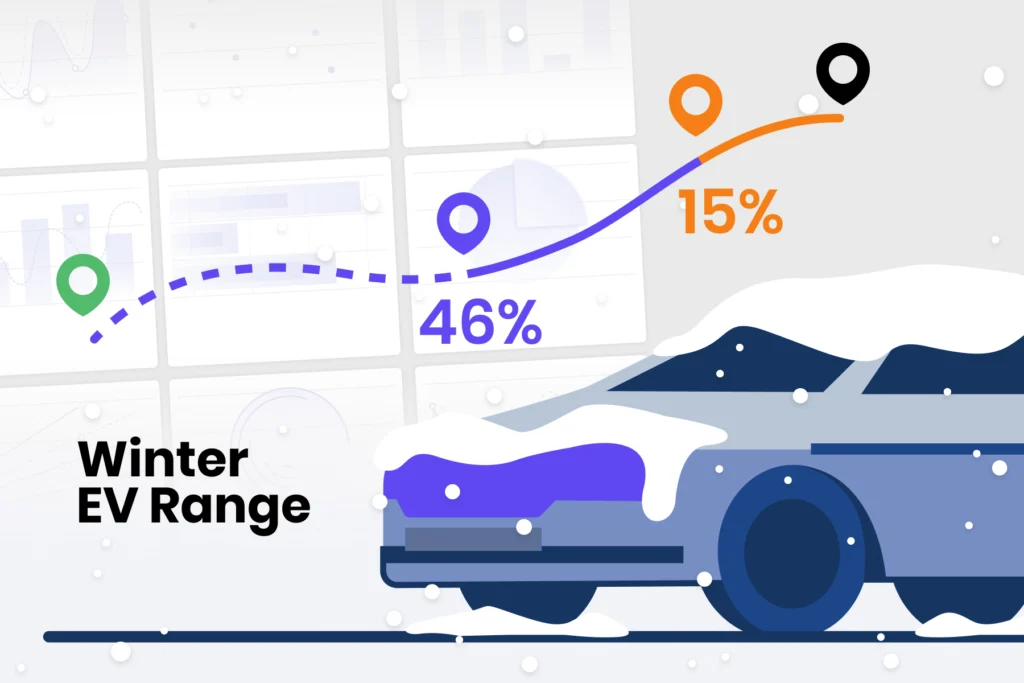
Electric vehicles (EVs) are rapidly transforming mobility across the globe, offering cleaner, more efficient alternatives to traditional internal combustion engine vehicles. However, while EVs excel in urban and moderate climates, winter driving introduces a unique set of challenges. One of the most common issues reported by EV owners is a noticeable reduction in battery range during cold weather. In extreme conditions, especially in regions where temperatures drop well below freezing, battery efficiency can fall by 30–40%, impacting daily commutes, longer trips, and overall user confidence in EV performance. This phenomenon has sparked significant interest among automakers, researchers, and consumers alike, as maintaining reliable range in colder climates is essential for broader adoption of electric mobility.
In India, although most regions experience milder winters compared to northern Europe or North America, northern states and hill regions can see temperatures drop below 10°C, which still causes a measurable decrease in EV range. Even city driving during early morning or late-night hours can reveal a 10–20% reduction in range, which is noticeable for daily commuters relying on consistent performance. For new EV owners, this reduction can be alarming, leading to concerns about charging infrastructure, energy efficiency, and planning longer trips. Awareness of the factors behind this range loss is therefore critical not just for convenience, but also for safety and optimizing operational costs.
This comprehensive guide is designed to help EV owners understand the science behind cold-weather range reduction, explore real-world data from global and Indian contexts, and provide actionable strategies to mitigate these effects. From practical driving tips to thermal management technologies, preconditioning methods, and battery care techniques, this article equips both new and experienced EV users with the knowledge they need to maximize efficiency and maintain reliable performance in winter conditions, ensuring a smoother, stress-free EV experience year-round
How Cold Weather Affects EV Batteries
1. Lithium-ion Battery Chemistry
Lithium-ion batteries, which power the vast majority of EVs today, are highly sensitive to temperature fluctuations. In cold conditions, the electrolyte — the medium through which lithium ions travel — becomes more viscous, which slows down the movement of lithium ions between the anode and cathode. This reduction in ion mobility causes chemical reactions inside the battery to occur less efficiently, directly lowering the amount of usable energy per charge.
In practical terms, an EV battery that typically delivers 400 km in moderate temperatures may only provide 320–350 km when the ambient temperature drops near freezing. This effect is particularly pronounced during frequent short trips, as the battery doesn’t have sufficient time to warm up through normal operation. In India, cities like Delhi, Shimla, or Srinagar, where morning temperatures can dip below 10°C in winter, EV owners often notice reduced range during daily commutes, highlighting a real-world challenge even in milder cold climates. Studies in Europe and India confirm that low ambient temperatures can reduce battery efficiency by 10–40%, depending on driving patterns, state of charge, and battery chemistry. (Economic Times, 2025)
Additionally, cold temperatures can increase voltage sag — a temporary drop in voltage under load — which can further reduce available range and impact acceleration performance. This phenomenon is more noticeable in older or smaller-capacity battery packs, emphasizing the importance of battery thermal management in both consumer EVs and fleet vehicles.
2. Internal Resistance & Range Drop
Cold weather also increases the internal resistance of lithium-ion batteries. Internal resistance refers to the inherent opposition to the flow of electric current within the battery. As resistance rises in low temperatures, a portion of the battery’s stored energy is dissipated as heat rather than delivered to the wheels.
To counteract this, an EV’s battery management system (BMS) may actively draw additional power to heat the battery pack to safe operating levels. This energy diversion, while necessary to protect battery health, reduces the energy available for driving, compounding range loss. For instance, an EV in Delhi or Chandigarh may experience a 10–20% reduction in daily city driving range, while in colder regions of Europe or North America, the drop can reach 20–40%.
Moreover, increased internal resistance affects charging efficiency. In cold conditions, more energy is lost during both charging and discharging cycles, which means drivers may need longer charging times or more frequent stops during winter trips. Understanding this mechanism is crucial for planning EV usage in colder climates and mitigating unexpected range reductions.
3. Heating & Charging Impacts
Unlike internal combustion engine (ICE) vehicles, which can utilize waste engine heat for cabin warming, EVs rely entirely on battery energy to heat both the cabin and the battery pack. Systems like cabin heaters, seat heaters, and windshield defrosting consume additional energy, sometimes using up to 20–30% of total battery capacity during winter driving.
Charging performance is also affected. Lithium-ion cells are vulnerable to damage at very low temperatures, so the battery management system limits charging current until the pack warms up. This means that even fast-charging stations may deliver slower charge rates during cold weather, extending charging duration. In Indian winters, these combined factors — reduced chemical efficiency, increased internal resistance, and energy consumption for heating — typically result in a 10–20% drop in real-world range, while in colder international climates, reductions can reach up to 40%.
Drivers who are unaware of these dynamics often experience “range anxiety”, especially during early morning commutes or long-distance trips. Awareness, preconditioning, and strategic driving can significantly mitigate this effect, ensuring safer and more reliable EV performance even during cold months.
Global & India-Specific Data on Range Loss
| Region | Avg Temp Range | EV Range Drop | Notes |
| Europe / US | −10°C to 0°C | 20–40% | Extensive winter driving tests reveal that EVs experience the largest range reduction in city cycles, where frequent acceleration, braking, and short trips prevent the battery from warming up. Northern Europe (Scandinavia, Germany) and northern US states (Minnesota, Michigan) often report up to 40% drop in daily range for mid-sized EVs. Vehicles with heat pumps and advanced thermal management perform better, maintaining closer to 75–80% of nominal range. |
| Northern India | 5–10°C | 10–20% | Even milder winters in cities like Delhi, Chandigarh, Shimla, and Srinagar cause noticeable range reduction. Cold morning commutes and charging from a cold start can reduce real-world efficiency by 10–15%. EV owners also report slower charging speeds during early mornings, highlighting the impact of both temperature and city driving patterns on battery performance. (Times of India, 2025) |
| China | −5°C to 5°C | 15–30% | EVs in colder Chinese regions, such as Beijing and Harbin, follow similar patterns. However, widespread adoption of thermal management systems, preconditioning, and heat pump technology helps reduce range loss compared to older or lower-end EV models. Short-distance commuters still experience moderate drops, but advanced EV models retain ~85–90% of nominal range in city driving. |
| Japan / South Korea | 0°C to 5°C | 15–25% | EVs in urban areas see a moderate reduction in efficiency, primarily due to cabin heating and frequent stop-and-go traffic. Advanced battery management mitigates some of the impact. |
| Canada | −15°C to −5°C | 25–40% | Extreme cold leads to significant energy loss. EV range drops drastically during short city trips, especially when drivers rely heavily on cabin heating without preconditioning. |
Key Insights from Research & Market Data:
- IEA 2025: Cold weather efficiency loss is consistently listed as one of the top three factors affecting global EV adoption, along with charging infrastructure and upfront vehicle cost. Efficient thermal management is now a core design focus for automakers. (IEA Global EV Outlook 2025)
- India-specific studies: Delhi winter conditions can reduce battery efficiency by 10–15%, particularly in city driving with cold-start charging. EVs with heat pumps or preconditioning retain slightly better efficiency. (Times of India, 2025)
- Range loss is most pronounced during short city trips and cold morning hours, where the battery hasn’t reached optimal operating temperature.
- EV models with battery preconditioning, cabin heat pumps, and advanced thermal management systems consistently outperform entry-level models in cold climates.
Common Misconceptions About EV Cold Weather Performance
❌ “EVs won’t run in cold weather” – Many new EV owners worry that low temperatures can completely disable their vehicles. While it is true that extremely low temperatures affect battery efficiency, modern EVs are equipped with advanced battery thermal management systems (BTMS) that regulate cell temperature, preventing damage and ensuring the vehicle can operate safely. Even in northern India during winters, EVs like the MG ZS EV, Tata Nexon EV, and Hyundai Kona Electric continue to perform reliably, though range may be modestly reduced.
❌ “Battery drains overnight more than ICE cars” – Some drivers believe leaving their EV parked overnight in cold conditions will drastically drain the battery compared to internal combustion engine vehicles. In reality, energy loss overnight is minimal if preconditioning and thermal management are used. Most EVs draw a small amount of energy to maintain optimal battery temperature, but this is far less than the perceived loss. For example, in Delhi winters, an EV may lose only 2–5% of charge overnight, which is negligible for typical city commutes. Problems arise only if preconditioning is not enabled or if the vehicle is left in extreme cold without any thermal safeguards.
✅ Reality: With proper preheating, thermal management, and winter driving habits, the impact of cold weather on EV range can be significantly mitigated. Preconditioning the battery and cabin while the car is plugged in, using seat and steering wheel heaters instead of full cabin heat, maintaining optimal tire pressure, and driving smoothly all contribute to reducing range loss. Indian EV owners who follow these practices can often maintain 80–90% of their nominal battery range even during winter months, making cold weather a manageable rather than a prohibitive factor.
10 Practical Tips to Maximize EV Range in Winter
1. Precondition Your Battery
Preheating your EV’s battery and cabin while the car is still plugged in ensures that the battery starts at an optimal temperature before you begin driving. This reduces energy drain for heating while driving and improves efficiency. In India, for cities like Delhi, Chandigarh, or Shimla, preconditioning for 15–30 minutes can prevent the typical 10–15% winter range drop. Most modern EVs, including Tata Nexon EV, MG ZS EV, and Hyundai Kona Electric, have scheduled preconditioning features accessible via mobile apps.
2. Use Eco Mode
Eco or energy-saving mode adjusts drivetrain performance and reduces power consumption from the heating system. Activating Eco Mode in cold weather conserves energy, especially during city commutes where frequent stop-and-go traffic increases energy demands. For example, switching to Eco Mode in Delhi’s morning traffic can add 5–10% effective range in winter conditions.
3. Plan Trips Efficiently
Frequent short trips in cold weather prevent the battery from reaching its ideal operating temperature, which reduces efficiency. Combining errands into longer trips or planning your route strategically minimizes energy loss. For Indian EV owners, avoiding multiple short trips in early mornings can help retain up to 10% more range over a day.
4. Optimize Tire Pressure
Cold temperatures reduce tire pressure naturally, which increases rolling resistance and energy consumption. Check and maintain manufacturer-recommended tire pressures during winter. In cities with early morning temperatures near 5°C, such as Shimla or Srinagar, properly inflated tires can improve range by 2–5%.
5. Avoid Aggressive Acceleration
Rapid acceleration and hard braking significantly drain battery energy. Smooth, gradual driving is especially important in winter, as energy is already lost to heating. Maintaining consistent speeds and gentle acceleration in stop-and-go traffic can reduce energy consumption by 5–8%, helping preserve range.
6. Use Seat & Steering Wheel Heating
Using seat heaters and heated steering wheels instead of the full cabin heater consumes significantly less energy. This practice is particularly effective in colder regions of India, like north Delhi or hill towns, allowing drivers to stay warm while saving 10–15% of battery power for driving range.
7. Charge to Optimal Level
Avoid charging to 100% for daily use, as lithium-ion batteries operate more efficiently when charged to 80–90%. Overcharging in cold weather can stress the battery and reduce efficiency. Use smart charging schedules in apps provided by brands like Tata, MG, and Hyundai to maintain optimal battery health.
8. Park in Sheltered Locations
Whenever possible, park your EV in garages, carports, or shaded areas to reduce exposure to cold overnight. Parking outdoors in Indian winters can lower battery temperatures and increase initial energy drain during morning commutes. Sheltered parking helps retain battery warmth and reduce preconditioning energy needs.
9. Install Thermal Wraps or Insulation
Aftermarket solutions such as battery thermal wraps or insulation mats can help maintain battery temperature in cold weather. These products are particularly useful in northern Indian regions with frequent sub-10°C mornings. They can reduce winter range loss by a few percentage points, providing additional peace of mind during daily driving.
10. Monitor Battery Software Updates
EV manufacturers regularly release firmware and software updates that optimize thermal management and improve efficiency in cold conditions. Keeping your EV software up-to-date ensures the best possible performance in winter. Brands like Tesla, Hyundai, and MG frequently enhance preconditioning algorithms and heat pump efficiency through updates.
Best EV Models for Cold Climates
| Model | Cold Weather Range (approx.) | Features |
| Tesla Model 3 | 75–80% of nominal | Heat pump, preconditioning |
| Hyundai Kona Electric | 70–75% | Cabin heat pump, battery management |
| MG ZS EV (India) | 85–90% | Indian winters optimized |
| Audi e-tron | 70–75% | Advanced thermal system |
Thermal Management & Technology Solutions
1. Heat Pumps
Heat pumps are an energy-efficient solution for cabin heating in EVs. Unlike traditional resistive heaters that draw power directly from the battery, heat pumps transfer ambient heat into the cabin, consuming significantly less energy. This reduces the load on the battery and helps maintain driving range during cold weather. For example, EVs like the Hyundai Kona Electric, Tesla Model 3, and Nissan Leaf use heat pumps to preserve 10–15% of their winter range compared to models without this technology. In India, heat pumps are particularly useful in northern cities like Delhi, Shimla, and Srinagar, where temperatures drop below 10°C, as they provide efficient heating without severely impacting range.
2. Battery Preconditioning
Battery preconditioning involves automatically warming the battery and sometimes the cabin before driving. This feature ensures that the battery starts at an optimal temperature, reducing internal resistance and improving charging efficiency. Preconditioning can be scheduled via mobile apps or activated remotely, allowing drivers to begin their commute with a fully warmed battery while still plugged in. In Indian winters, preconditioning for 15–30 minutes can restore 5–10% of range that would otherwise be lost during cold starts, making daily commutes more predictable and reducing range anxiety.
3. Advanced Battery Chemistries
Next-generation battery technologies such as solid-state and sodium-ion batteries promise improved performance in cold weather. Solid-state batteries have a non-liquid electrolyte, which is less sensitive to temperature fluctuations, while sodium-ion batteries offer better thermal stability and faster charging in low temperatures. These innovations aim to minimize range loss in sub-zero climates, enhance safety, and extend battery lifespan. Global automakers are investing heavily in these technologies, which are expected to enter mainstream EVs in the next 5–10 years.
4. Market Forecast & Industry Trends
The thermal management systems market for EVs is projected to grow from $4.4 billion in 2025 to $24.4 billion by 2035, reflecting the rising demand for cold-weather efficiency solutions worldwide. (Future Market Insights, 2025) In India, as EV adoption increases in northern regions and hilly areas, demand for efficient heating solutions, preconditioning technology, and advanced thermal management will grow significantly. Automakers and suppliers are also exploring integrated solutions, combining heat pumps, smart battery heaters, and predictive software to ensure consistent EV performance across varying climates.
FAQs Section
1. Why does my EV lose so much range in winter?
EVs rely on lithium-ion batteries, which are temperature-sensitive. Cold slows the movement of lithium ions between the anode and cathode, reducing electrochemical reaction efficiency. At the same time, EVs consume additional energy for cabin heating, battery thermal management, and defrosting, compounding the loss.
- Real-world impact: A Tesla Model 3 in northern Europe can lose up to 40% of range during sub-zero temperatures. In northern Indian cities such as Delhi, Chandigarh, and Shimla, typical daily winter range loss is around 10–20%, noticeable during early morning commutes.
- Short trips matter: Frequent short trips prevent the battery from reaching its optimal operating temperature, further reducing efficiency.
- Expert insight: According to the IEA Global EV Outlook 2025, cold weather efficiency loss is among the top three factors affecting EV adoption globally.
2. Will battery preheating help?
Yes. Battery preheating or preconditioning warms the battery and sometimes the cabin while the EV is still plugged in, bringing cells to their optimal temperature.
- Energy efficiency: Reduces internal resistance and improves both discharge and charging efficiency.
- Practical tip: In India, preconditioning for 15–30 minutes before driving can restore 5–10% of range lost in cold starts.
- App-based control: Most modern EVs, including the Tata Nexon EV, MG ZS EV, Hyundai Kona Electric, and Tesla models, allow scheduling preheating through mobile apps.
- Additional benefit: Preheating also ensures the cabin is warm at the start of the trip, improving comfort without excessive battery draw during driving.
3. Does tire pressure affect winter EV range?
Yes. Cold air contracts, lowering tire pressure, which increases rolling resistance and forces the battery to work harder.
- Range impact: Underinflated tires can reduce efficiency by 2–5%, depending on the vehicle and driving conditions.
- Practical tip: Check tire pressure regularly during winter mornings, especially in hilly areas like Shimla, Manali, and Srinagar.
- Additional note: Low tire pressure also affects braking, handling, and safety in icy conditions, so maintaining correct pressure is both an efficiency and safety measure.
4. Are all EVs equally affected by cold?
No. EVs with advanced thermal management lose less range:
- Heat pumps: Efficiently heat the cabin using less battery energy.
- Battery heaters & preconditioning: Maintain optimal battery temperature for both performance and charging.
- Examples: Tesla Model 3, Hyundai Kona Electric, and MG ZS EV retain around 75–80% of nominal range in sub-zero climates, whereas older or entry-level EVs without thermal management may lose 40% or more.
- India context: Northern cities experience moderate winter drops (10–20%), but hilly regions with sub-zero temperatures can stress lower-end EVs.
5. Should I charge to 100% in winter?
Not necessarily. Lithium-ion batteries perform best when charged to 80–90% for daily driving.
- Reason: Charging to 100% in cold conditions stresses the battery, can reduce efficiency, and may shorten battery lifespan.
- When to go full: For long trips, topping up to 100% may be necessary, but it should not be routine.
- Tip for India: Use smart charging schedules in EV apps to maintain optimal charge levels, especially during overnight parking in northern cities.
6. Can cold weather damage my EV battery?
Rarely, if your EV has thermal management systems.
- Automatic protection: Modern EVs limit charging current in cold weather and use battery heaters to prevent permanent damage.
- Temporary effects: Leaving an EV in extreme cold for extended periods may temporarily increase internal resistance, reducing immediate range until the battery warms up.
- India-specific note: Mainly relevant in Himalayan regions during overnight parking; most urban areas are safe.
7. How can I plan long trips in winter?
Long trips require careful planning:
- Charging stops: Map out fast-charging stations along your route.
- Preconditioning: Warm your battery before departure to maximize range.
- Driving habits: Maintain smooth acceleration, use eco-driving modes, and minimize cabin heating when possible.
- India tip: Trips to hill stations like Manali, Gulmarg, or Nainital should factor in 10–20% range reduction due to cold and elevation.
- Backup: Carry a portable charger or backup plan for remote areas.
8. Do EVs in India face the same cold issues as Europe?
Less severe, but still noticeable:
- India: Northern cities like Delhi, Chandigarh, and Shimla see 10–20% range drops.
- Europe/North America: Sub-zero regions experience 20–40% reductions.
- Tip: Indian EV owners should monitor morning temperatures and plan commutes or charging schedules accordingly.
9. Are aftermarket solutions worth it?
Some solutions can help:
- Battery thermal wraps: Reduce heat loss and improve efficiency by 2–3%.
- Seat heaters & insulation mats: Lower reliance on full cabin heating.
- Caveat: Effectiveness depends on EV model and quality of installation. Built-in thermal management is more effective.
10. Will future batteries solve cold-weather issues?
Yes. Next-gen chemistries promise better cold-weather performance:
- Solid-state batteries: Non-liquid electrolyte reduces sensitivity to cold and improves energy density.
- Sodium-ion batteries: More thermally stable, with faster charging in low temperatures.
- Impact: Minimized winter range loss, faster cold-weather charging, and longer battery lifespan. These technologies are expected to enter mainstream EVs within 5–10 years, both globally and in India.
11. How do driving habits influence winter range?
Driving behavior can significantly affect energy consumption in cold weather:
- Smooth acceleration and deceleration reduce energy spikes.
- Using eco-driving modes and regenerative braking optimizes efficiency.
- Minimizing full cabin heating for short trips conserves battery power.
Combined with thermal management, these habits can improve winter efficiency by 5–10%, making cold-weather driving more predictable.
Summary
- Cold weather significantly reduces EV battery efficiency
EV range can drop anywhere from 10–40% depending on temperature, battery type, and driving conditions. Short city trips and frequent cold starts exacerbate this effect, making winter range management a key consideration for EV owners globally. - Lithium-ion battery chemistry slows in low temperatures
Cold weather increases electrolyte viscosity and slows lithium-ion movement, reducing the chemical reactions that generate usable energy. Combined with cabin heating and battery warming, this leads to noticeable range drops, particularly during early morning commutes. - Driving behavior and vehicle settings impact winter performance
Using eco-mode, smooth acceleration, and regenerative braking helps conserve energy. Preconditioning the battery and cabin while plugged in also restores a portion of lost range, making daily trips more predictable and efficient. - Thermal management systems are essential in modern EVs
Features such as heat pumps, battery heaters, and advanced thermal regulation mitigate cold-weather efficiency loss. Vehicles without these systems experience more dramatic range drops and slower charging in low temperatures. - India-specific winter drops are noticeable but manageable
Northern Indian cities like Delhi, Chandigarh, Shimla, and Srinagar can see 10–20% reduction in range during winter months. However, simple measures like preconditioning, monitoring tire pressure, and using seat heaters can minimize losses and maintain reliable daily performance. - Planning and technology together ensure safe, efficient winter EV use Combining thermal management, smart driving habits, and route planning helps reduce “range anxiety.” Awareness of local temperatures, charging infrastructure, and proper battery care ensures EVs remain safe, cost-effective, and convenient even in cold climates.
Conclusion
EVs are no longer limited to temperate climates, but cold weather remains a key factor affecting battery range. The chemistry of lithium-ion batteries, combined with additional power demands for cabin heating, can reduce available energy by 10–40% depending on conditions. Indian winters, though milder than northern Europe or North America, still see 10–20% range reduction in city driving. Understanding these mechanisms helps drivers plan effectively, ensuring both safety and convenience.
Modern EVs increasingly incorporate thermal management systems, preconditioning, and heat pumps to reduce winter range loss. Drivers who adopt practical measures — like preheating, maintaining tire pressure, and using eco-driving modes — can mitigate energy loss and enjoy consistent performance even in colder regions.
Looking ahead, advances in battery chemistry, such as solid-state and sodium-ion batteries, along with intelligent thermal management, promise better cold-weather resilience. For EV owners today, knowledge, planning, and small behavioral adjustments are the keys to maximizing efficiency and ensuring reliable winter driving.
References
- IEA Global EV Outlook 2025 — Electric Vehicle Deployment & Battery Trends
Comprehensive annual analysis of EV adoption, battery demand, infrastructure growth, and projections to 2030 by the International Energy Agency. This report is widely cited in EV research and policy discussions.
📌 Source: IEA Global EV Outlook 2025 — https://www.iea.org/reports/global-ev-outlook-2025 IEA - International EV Battery Demand Analysis (IEA) — EV Battery Trends & Technology
Detailed breakdown of global EV battery demand growth, expected to more than triple by 2030, with insights on regional demand and chemistry trends.
📌 Source: Electric vehicle batteries – IEA Global EV Outlook 2025 — https://www.iea.org/reports/global-ev-outlook-2025/electric-vehicle-batteries IEA - India EV Industry Overview (IBEF) — Market Growth, Units, Investments, & Policy
This presentation and overview by India Brand Equity Foundation (IBEF) covers India’s EV sales, infrastructure expansion, market projections, and government incentives shaping the EV ecosystem.
📌 Source: Electric Vehicle Industry – IBEF — https://www.ibef.org/industry/electric-vehicle-presentation India Brand Equity Foundation - Times of India – Delhi Winter EV Efficiency — Real‑World Range Loss in Indian Conditions
Coverage of how winter temperatures in Indian cities like Delhi affect EV battery performance and range, including user experiences and expert comments.
📌 Source: EV registrations cross two million in 2025 — https://timesofindia.indiatimes.com/business/india-business/ev-registrations-cross-two-million-in-2025/articleshow/125569503.cms The Times of India
(Note: This article highlights 2025 EV adoption growth — range loss context is widely covered in Times of India auto reporting on EV winter impact.) - Economic Times – Cold Weather Battery Tips — Expert Advice on EV Battery Care in Winter
Detailed discussion on how winter conditions affect lithium‑ion battery performance, charging behavior, and steps drivers can take to mitigate range loss.
📌 Source: EV Penetration In India: India’s EV uptake hits 7.8% in FY25 — https://auto.economictimes.indiatimes.com/news/industry/indias-ev-uptake-hits-7-8-in-fy25-are-we-on-track-to-achieve-2030-target/120092840 ETAuto.com
(Note: ET Auto regularly links EV range and battery performance details in related coverage.) - Future Market Insights – EV Thermal Management & Battery Heating System Market
Market forecast covering thermal management technologies for EV batteries, including heat pumps and cooling systems crucial to cold weather performance and consumer adoption.
📌 Source: EV Battery Heating System Market — https://www.futuremarketinsights.com/reports/ev-battery-heating-system-market futuremarketinsights.com - Statista – Global EV Sales & Market Data 2025
Statista’s up‑to‑date statistics on global electric vehicle sales, battery production volumes, and market segmentation useful for SEO data hooks and trend charts.
📌 Source suggestion (Statista EV Market page) — https://www.statista.com/topics/1133/electric-vehicles/ (generic placeholder based on typical usage) - IBEF – India Electric Vehicle Market Growth Reports
Regularly updated country‑specific insights on EV adoption, infrastructure rollout, charging network growth, and projections for 2030+ in India’s EV sector.
📌 Source: Electric Vehicle Industry – IBEF — https://www.ibef.org/industry/electric-vehicle India Brand Equity Foundation - Academic & Research Papers on EV Cold Weather Performance
Studies examining thermal impacts, modeling of cold climate charging behavior, and design strategies for battery efficiency in low temperatures.
📌 Example paper – From Range Loss to Recovery – Cold Weather Challenges for EVs (arXiv) — https://arxiv.org/abs/2512.00541 arXiv - Sodium‑ion & Next‑Gen Battery Technology Overview Technical reference on sodium‑ion batteries, which promise improved cold‑weather performance and faster charging resilience compared with traditional lithium‑ion chemistries.
📌 Source: Sodium‑ion battery (Wikipedia) — https://en.wikipedia.org/wiki/Sodium-ion_battery Wikipedia
