









Estimated Reading Time: 20-22 minutes (4,035 words)
Introduction
Imagine receiving a surprise package at your doorstep every month — a neatly curated box filled with premium snacks, clean skincare minis, grooming essentials, wellness boosters, or even books tailored to your tastes. For millions of Indians, this isn’t just a fun treat anymore; it has become a smarter, more affordable way to discover new brands without spending on expensive full-size products.
As India’s e-commerce ecosystem matures and D2C brands explode across categories, subscription boxes have evolved into a lifestyle trend. They appeal especially to millennials and Gen-Z consumers who crave personalization, convenience, and the excitement of trying something new each month. Rising disposable incomes, better logistics, flexible payment options, and the growing “treat yourself” culture have all contributed to the surge in subscription-based shopping.
In this article, we take a deep dive into the Top 5 Subscription Boxes Indians are loving in 2025 — spanning beauty, snacks, wellness, grooming, and niche hobbies. For each subscription box, you’ll discover what’s inside, who it’s ideal for, pricing value, pros/cons, and whether it genuinely offers good ROI. Whether you’re a curious first-time buyer looking to try something fun, a loyal subscriber exploring new categories, or an entrepreneur planning to launch your own subscription box brand, this guide will give you clear insights, practical details, and data-backed recommendations.
Why Subscription Boxes Are Booming in India (2024–2033 Outlook)
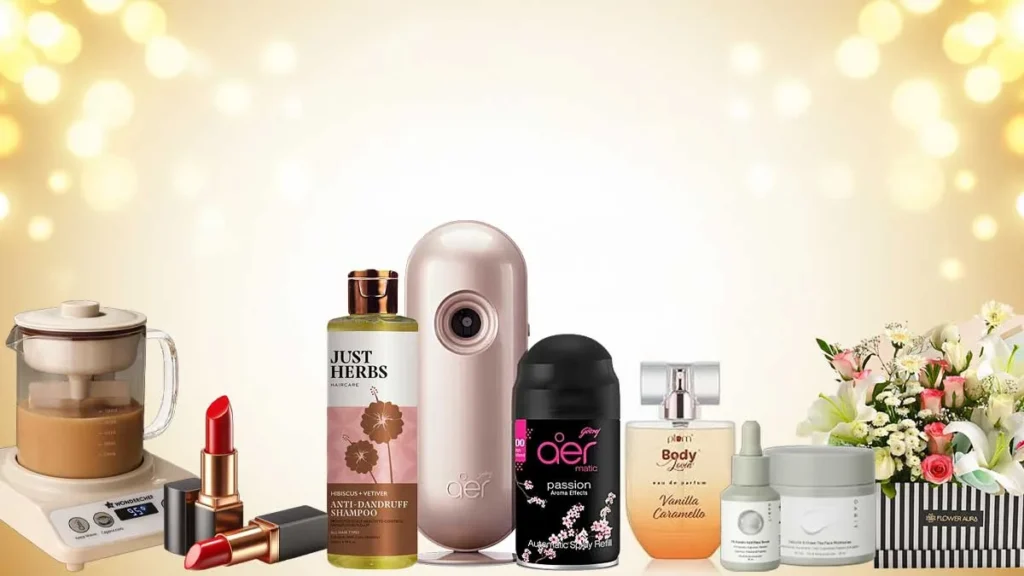
India’s subscription box industry has shifted from being a niche, novelty-driven category to one of the fastest-growing consumer trends of the decade. The underlying data reflects how strongly Indian consumers are embracing curated, convenient, and discovery-oriented shopping experiences.
According to IMARC Group, the India subscription box market was valued at USD 1,225.7 million in 2024, highlighting its rapid penetration into urban and semi-urban households. What’s more compelling is the long-term forecast: the market is expected to expand at a robust 12.54% CAGR, reaching nearly USD 3,549.4 million by 2033. This level of sustained growth indicates not just rising demand but a structural shift in how Indians prefer to shop — through personalization, product discovery, and subscription-led convenience.
Beauty subscription boxes are emerging as a standout category. Grand View Research estimates the segment generated USD 29.2 million in revenue in 2024, and by 2030 it is poised to reach an impressive USD 90.8 million, growing at an exceptional 20.7% CAGR. This surge is fueled by a booming skincare industry, greater awareness of ingredient-led beauty, and the desire to try mini-sized or sample products before committing to premium full-size purchases — a behavior heavily influenced by Instagram, YouTube creators, and beauty influencers.
Food subscriptions are also seeing steady traction. Deep Market Insights projects that the broader food-subscription market (including snack boxes, meal kits, and ready-to-eat curated boxes) was valued at USD 242.7 million in 2024, on track to hit USD 532 million by 2033 with a ~9% CAGR. The popularity of healthier snacking, fitness-focused eating, and gourmet food discovery — once inaccessible to many consumers — is now being democratized through subscription boxes.
Several powerful macro-trends explain this surge across categories:
- Massive internet + smartphone penetration, making app-based subscription management frictionless.
- Growing trust in digital payments, UPI autopay, and recurring billing systems.
- Higher disposable incomes, especially among young working professionals in metros and Tier-2 cities.
- Social media–driven product discovery, where unboxing videos and influencer curation shape buying decisions.
- Preference for personalized and curated experiences, instead of browsing endless products on e-commerce platforms.
- Improved logistics and faster delivery, enabling nationwide reach for small D2C brands.
Publications like IMARC Group, Trade Flock, and industry analyses point toward a clear insight: India may still be in the early stages of subscription-based consumption, especially compared to mature Western markets such as the US and UK. But this early stage is precisely what makes India one of the most attractive regions for long-term growth.
In conclusion, India’s subscription box space is ripe with untapped potential. With strong tailwinds, rising curiosity among consumers, and the rapid growth of D2C brands, there is a massive opportunity for entrepreneurs, curators, and content creators. From specialized boxes (like coffee, Ayurveda, and men’s grooming) to high-margin beauty or wellness segments, the next decade will see the industry evolve into a mainstream e-commerce pillar — and those who enter now can position themselves as early movers with strong brand loyalty.
What We Considered While Selecting the Top 5 Subscription Boxes
To shortlist the subscription boxes that truly resonate with Indian consumers in 2025, we evaluated multiple criteria that reflect real user preferences, market trends, and value-for-money considerations. Our goal was to highlight boxes that not only deliver a good unboxing experience but are also sustainable, relevant, and trusted within the Indian market.
Key Factors We Prioritized
1. Strong Popularity & Social Proof
We selected boxes that consistently show up across top Indian lifestyle blogs, beauty magazines, news portals, influencer reviews, and e-commerce ratings. High user reviews, frequent mentions, and positive customer sentiment were crucial in ensuring reliability.
2. Category Variety & Use-Case Coverage
To appeal to India’s diverse audience, we ensured the top picks span across beauty, snacks, kids’ learning, wellness, and niche lifestyle needs. This ensures that every type of buyer — from young professionals to parents — finds a box tailored to their interests.
3. Pricing, Affordability & Accessibility
Subscription boxes only work long-term if they feel worth the money. So we prioritised plans with:
- Flexible monthly/quarterly/annual options
- Reasonable entry-level prices
- Nationwide delivery (not just metro cities)
- Value-packed offerings compared to retail MRP
4. Content & Affiliate Potential
As a blog built for SEO and monetization, we considered boxes that are:
- Popular for unboxing videos
- Highly searchable
- Frequently reviewed online
- Available through affiliate-friendly websites or partnerships
These boxes offer strong revenue potential for bloggers, creators, and marketers.
5. Consistency & Recurring Value
Subscription boxes fail when brands can’t maintain quality across months. So we selected providers with:
- Long-term market presence
- Strong monthly curation
- Reliable delivery and customer support
Top 5 Subscription Boxes Indians Are Loving in 2025
Box #1: Fab Bag — Best for Affordable Monthly Beauty & Grooming Surprises
What is Fab Bag?
Fab Bag is one of India’s most recognised beauty subscription services, offering a curated mix of makeup, skincare, haircare, and grooming essentials delivered monthly. It has dominated the beauty box category for nearly a decade due to its affordability and discovery-driven curation.
(Sources: Fabbon, New Love Makeup)
What You Get
Each monthly Fab Bag typically includes:
- 4–5 products: lipsticks, eyeliners, face wash, moisturisers, scrubs, hair serums, sheet masks, etc.
- Sample or travel-size formats, sometimes full-size for certain makeup items
- A themed pouch + product information cards
Subscription Plans (approx):
- 1 month: ₹599
- 3 months / 6 months / 12 months at discounted rates
Why It’s Loved
- Low-cost entry for beauty enthusiasts
- Lets you try multiple brands without buying full-sized expensive products
- Fun “surprise” factor — every month feels like a mini celebration
- Great for gifting during birthdays, anniversaries, or festivals
Who It’s For
- Students
- Young working professionals
- Makeup/skincare beginners
- People who love product discovery and experimentation
Potential Drawbacks
- Most items are sample-sized
- You might accumulate products you don’t use
- Not ideal if you prefer full-size only or want consistent refills
Box #2: My Envy Box — Perfect for Luxury Beauty Lovers & Premium Gifting
What is My Envy Box?
My Envy Box focuses on luxury international beauty and skincare brands, offering premium samples and sometimes lifestyle accessories. It’s often viewed as a more upscale alternative to mainstream beauty boxes.
(Sources: LBB, New Love Makeup)
Typical Contents
- 4–5 high-end skincare or grooming products
- Travel-size perfumes, serums, creams
- Occasionally, lifestyle items like jewellery or accessories
Pricing
Earlier plans averaged around ₹850 per month, making it a mid- to high-tier option.
Why It’s Popular
- Great for those exploring luxury brands without paying full retail
- Makes an impressive gift — visually appealing and premium
- Curates aspirational brands not easily accessible in India
Who It’s For
- Urban professionals
- Beauty enthusiasts
- Gifting buyers
- People testing luxury skincare before fully committing
Caveats
- Mostly sample-sized products
- Higher cost than entry-level boxes
- Availability sometimes varies based on stock and imports
Box #3: Snack/Food Subscription Box — For Gourmet Discovery & Tasty Surprises (Snackible & Others)
Why Snack Boxes Are Trending
India’s food & snack subscription market reached USD 242.7 million in 2024, projected to hit USD 532 million by 2033 (CAGR ~9%).
(Source: Deep Market Insights)
What You Get
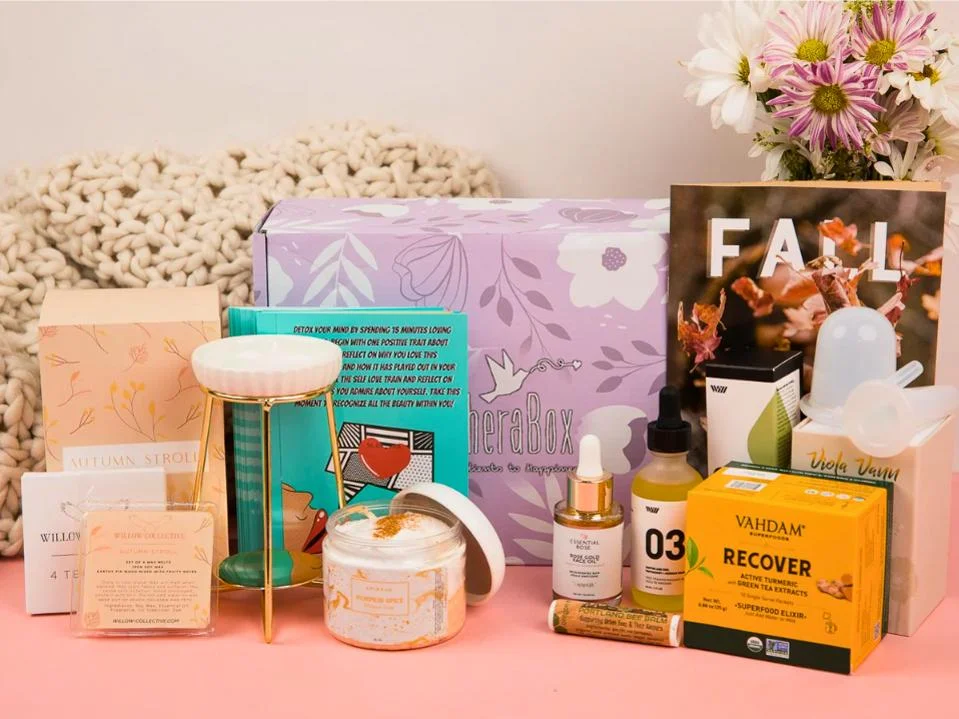
Depending on the provider, these boxes may include:
- Healthy snacks (protein bars, baked chips, seeds, nuts)
- Gourmet foods
- Regional specialities (Gujarati, Bengali, South Indian snacks)
- Coffee/tea samplers
- Festive or seasonal theme boxes
Why Consumers Love It
- Convenient snacking for busy professionals
- Helps people explore regional flavours not available locally
- Suitable for corporate gifting, festive treats, or sending to friends abroad
- High novelty + high sharability on social media
Who It’s For
- Food-lovers
- Fitness-conscious snackers
- Office-goers
- Families wanting healthier snack options
Challenges
- Taste preferences differ; not all items may be liked
- Shipping fragile items can increase costs
- Perishability or melting issues in hot climates
Box #4: Flintobox — Best for Kids’ Learning, Creativity & Development
What is Flintobox?
Flintobox is a STEAM-based activity subscription for kids, offering hands-on educational play kits delivered monthly.
(Source: Wikipedia)
What You Get
Each box includes:
- Toys, DIY craft materials, puzzles
- Monthly theme-based learning activities
- Tools to develop creativity, motor skills, and cognitive abilities
Why Indian Parents Love It
- Provides screen-free, educational playtime
- Keeps children engaged with new monthly themes
- Ideal for busy parents wanting structured, developmental activities
- Helps build routine, curiosity, and creativity
Ideal For
- Kids aged approx. 2–10 years
- Homeschooling families
- Parents seeking enrichment beyond schoolwork
Considerations
- Value depends on parent involvement
- Not a replacement for formal education — more of a supplemental tool
Box #5: Wellness / Eco-Living / Niche Hobby Boxes — For Conscious, Lifestyle-Focused Consumers
Overview
This category is rapidly emerging as Indians embrace sustainability, wellness, and niche hobbies. These boxes typically offer eco-friendly, Ayurvedic, wellness, self-care, or DIY-themed products.
(Sources: Net Zero India, Trade Flock)
What You Might Get
- Bamboo toothbrushes, natural soaps, reusable bags
- Herbal teas, aromatherapy oils, clean beauty items
- Zero-waste tools (beeswax wraps, metal straws)
- DIY craft kits, hobby-based activities
- Self-care items like candles, bath salts, journals
Why This Trend Is Growing
- Rising awareness of sustainability
- Post-pandemic wellness boom
- Younger buyers prioritizing self-care and mindful living
- Niche boxes often feel more purposeful and personalized
Who It’s For
- Eco-conscious consumers
- People exploring self-care routines
- Young professionals, couples, minimalists
- Hobby enthusiasts (art, crafts, gardening, journaling)
Challenges
- Smaller audience compared to mainstream categories
- Higher price points due to premium/sustainable sourcing
- Harder for brands to consistently curate meaningful items
Comparison Table: Quick View — Your Subscription Box Options
| Box / Category | Typical Price (monthly / subscription) | Frequency | Best For / Audience | Pros | Cons |
| Fab Bag (beauty) | ₹599 (monthly) / lower per month for 6–12 month plans Fabbon+1 | Monthly | Beauty & grooming lovers, students, working adults | Affordable, curated, variety, easy gifting | Sample sizes, may accumulate unused items |
| My Envy Box (luxury beauty) | ~₹850/month (older pricing) New Love Makeup+1 | Monthly / periodic | Premium beauty brand fans, gift-givers | Luxe brands, surprises, aspirational products | Still mostly sample-sized, higher cost |
| Snack / Food Box | Varies (depends on provider) | Monthly / Quarterly | Snack-lovers, busy professionals, gift-seekers | Curated snacks, regional flavours, convenience | Taste varies, shipping/logistics issues |
| Flintobox (kids / educational) | Varies by plan & age | Monthly | Parents with children, homeschooling, early learning focus | Educational, fun, doorstep delivery | Depends on parent involvement, recurring value must justify cost |
| Wellness / Eco-Living / Niche Boxes | Varies (often mid–premium) | Monthly / Quarterly | Eco-conscious, wellness-focused, minimalists, hobbyists | Curated, sustainable, lifestyle value, niche appeal | Premium pricing, smaller niche audience, variable retention |
Why These Boxes Are Popular — Key Consumer Trends (2025)
Rise of personalization & curated experiences:
Indian shoppers — especially millennials and Gen Z — increasingly prefer hyper-personalised product discovery instead of sifting through endless online catalogs. Subscription boxes tap directly into this need by offering carefully curated assortments tailored to themes like beauty, wellness, gourmet snacking, kids’ learning, eco-friendly living, or even niche hobbies. This “curation over clutter” trend makes each box feel like a personalised surprise rather than a routine purchase.
Convenience + discovery in one package:
With fast-paced urban lifestyles and limited time for in-store browsing, consumers want simple, time-saving solutions that still feel exciting. Subscription boxes solve this by delivering handpicked products straight to your home — letting buyers explore new brands, flavours, or self-care items without the effort of research. For many, these boxes become a monthly ritual of discovery, replacing random impulse buys.
A growing culture of gifting + attractive pricing:
Boxes have become especially popular as gifting options during birthdays, anniversaries, festivals, corporate events, and even long-distance gifting. Their packaging, themed curation, and “surprise element” make them feel more thoughtful than a generic gift card. Plus, many boxes bundle high-value items at a lower collective cost, making them an affordable yet premium-looking gifting choice.
D2C growth, influencer marketing & the rise of unboxing culture:
A huge share of subscription-box popularity in India comes from Instagram, YouTube, and short-video platforms where influencers showcase “unboxing moments.” These videos create curiosity, highlight the product value inside each box, and generate instant FOMO — pushing viewers to try the service themselves. D2C brands particularly leverage this trend, using unboxing experiences to build trust and social proof.Rising
disposable incomes + willingness to experiment:
Young consumers in India — especially in metro and tier-2 cities — now have more discretionary income and a stronger appetite for experimentation. Instead of committing to full-size products, they prefer subscription boxes that offer trial-sized samples or curated selections at a smaller cost. This lowers the risk of buying something new while increasing their exposure to trending brands, global products, or premium categories.
What to Watch Out For (Subscription Box Pain Points)
Subscription fatigue & high churn:
Many Indian consumers sign up because the idea of a “mystery box” feels exciting at first — but the novelty can wear off quickly. If boxes start repeating themes, sending sample-sized products every month, or offering items that don’t feel premium, subscribers may cancel within 2–3 cycles. The industry sees high churn because people want continuous freshness, not routine repetition.
Value vs. cost trade-off:
One of the biggest pain points is perceived value. A box priced at ₹399–₹999 may look attractive, but if users find that they don’t use half the products (e.g., a lipstick shade that doesn’t suit them, snacks they don’t enjoy, or wellness items they won’t finish), the cost-per-use increases sharply. Over time, this can make the subscription feel like “money wasted” rather than smart discovery.
Shipping, delays & packaging challenges:
Logistics remain a major operational hurdle for Indian subscription services. Snack boxes, perishable items, chocolates or organic products require careful temperature control and timely delivery. Even non-food boxes face damage risks or delayed deliveries, especially when shipping to tier-2 or tier-3 cities. A single bad delivery experience can impact trust considerably.
Inconsistent curation, low relevance or poor personalization:
Subscription boxes need to maintain consistency in quality month after month. For beauty users, mismatched products such as wrong skin tone, wrong hair type, or unsuitable skincare actives can frustrate buyers. In kids’ boxes, age-appropriate items are crucial. Similarly, dietary restrictions in snack boxes are easy to overlook — leading to dissatisfaction. One “irrelevant” month can hurt retention.
Sustainability concerns & clutter accumulation:
Eco-conscious shoppers often worry about waste — repeated bubble wrap, plastic jars, disposable sachets, and courier packaging. Beauty and lifestyle boxes in particular may lead to accumulation of unused products, miniatures, and trinkets. Users who value minimalism or sustainable living may reconsider long-term subscriptions due to the environmental footprint.
Why These 5 Stand Out — Key Highlights
They address diverse consumer needs and categories:
The selected boxes span essential categories such as beauty, wellness, snacks, kids’ learning, and lifestyle — appealing to a broad mix of Indian households. This ensures relevance across varied interests, ages, and spending patterns.
Balance of affordability and premium value:
Some boxes like Fab Bag or snack boxes are competitively priced for younger consumers or first-time buyers. Others like premium beauty/wellness boxes offer luxurious or full-size products at a fraction of market cost. The spectrum ensures that the list includes something for every budget and taste.
Great for gifting, self-care, and family-oriented experiences:
Part of the appeal lies in versatility. These boxes work equally well as self-indulgent monthly surprises, quick gifting solutions, or engaging kids’ activity kits. Their packaging, themes, and curated presentation make them highly giftable — adding to their popularity in festival-heavy India.
They leverage convenience, discovery, and urban aspirations:
Urban and semi-urban consumers now prefer thoughtful curation over random browsing. These boxes tap into aspiration (beauty, wellness, luxury), convenience (ready-to-use bundles), and discovery (new brands or flavours). This mix positions them strongly within India’s evolving D2C and e-commerce ecosystem.
FAQs Section
1. What is a subscription box?
A subscription box is a curated package of products delivered periodically—usually monthly, quarterly, or on special editions—directly to your doorstep. Unlike buying individual products online or offline, subscription boxes offer:
- Curated selection: Items are hand-picked around a theme such as beauty, wellness, snacks, kids’ activities, or hobbies.
- Discovery element: Boxes allow consumers to try new brands, flavours, or products without committing to full-size or retail-priced purchases.
- Convenience: Eliminates the need to shop repeatedly for similar items; they arrive on a regular schedule.
- Brand exposure: Many boxes include products from both established and emerging brands, offering subscribers a chance to discover niche items.
Example: Fab Bag delivers 4–5 beauty products each month, while Flintobox provides monthly STEM/STEAM learning kits for children.
2. How much do subscription boxes in India typically cost?
Costs vary widely depending on the category and premium level of the box:
- Beauty boxes: ₹599–₹900/month for entry-level boxes (Fab Bag), ₹850–₹1,500/month for luxury or premium boxes (My Envy Box).
- Snack boxes: ₹499–₹1,200/month depending on size, number of snack items, and inclusion of regional or international products.
- Wellness boxes: ₹700–₹2,500/month depending on content (herbal teas, skincare, aromatherapy, self-care items).
- Kids’ educational boxes: ₹699–₹1,499/month depending on age group and complexity of activities (Flintobox, KiwiCo-style kits).
💡 Tip: Always check if the subscription includes shipping costs, as perishable snack boxes and premium items often add extra fees.
3. Are beauty subscription boxes worth it?
Yes, if you value variety, discovery, and convenience, but their worth depends on:
- Usage: You’ll only get value if you actively use most products in the box. For example, getting five products but using only two reduces cost-effectiveness.
- Trying new brands: They are ideal for consumers who like to experiment with new makeup, skincare, or grooming brands without buying full-size products.
- Gift and self-care value: Even if some products are not used personally, beauty boxes often make thoughtful gifts.
- Budget alignment: For entry-level boxes (₹599–₹900), the risk is low. Premium boxes may require selective subscription months to justify the cost.
4. Do subscription boxes in India deliver all across the country?
- Urban coverage: Most major players deliver across metro cities (Delhi, Mumbai, Bangalore, Hyderabad, Chennai, Pune).
- Tier-2 & Tier-3 cities: Increasingly accessible, but delivery times may be longer, especially for perishable or fragile products.
- Regional restrictions: Snack boxes or perishable items may be limited to select states to ensure freshness.
💡 Pro tip: Always check the delivery policy on the brand website before subscribing. Some boxes offer special logistics for perishable or fragile items, including refrigerated packaging.
5. Can I gift a subscription box?
Absolutely. Subscription boxes have become a popular gifting trend in India due to:
- Convenience: Delivered directly to recipients without physical store visits.
- Surprise factor: Curated items often change monthly, creating excitement.
- Wide appeal: Categories like beauty, snacks, wellness, and kids’ educational boxes cater to diverse audiences.
- Customisation options: Some brands allow personalisation with recipient preferences or greeting notes.
Example: A My Envy Box or Fab Bag subscription makes for a premium birthday or Diwali gift, while a snack box can be a thoughtful regional treat for relatives abroad.
6. What kind of subscription models exist? (monthly / quarterly / one-time)
Subscription boxes in India offer flexible models:
- Monthly: Standard recurring plan; most common. Ideal for continuous product discovery.
- Quarterly / Seasonal: Delivered every 3 months; often more curated and premium. Useful for niche or higher-priced boxes.
- Annual / Long-term: Prepay for 6–12 months for discounted pricing; ensures uninterrupted delivery.
- One-time / Limited edition: Special edition boxes (festivals, birthdays, wellness retreats) for gifting or special trials.
💡 Tip: If you are new to a box, start with a monthly or one-time plan to evaluate content before committing long-term.
7. How to avoid subscription fatigue and ensure value?
Subscription fatigue occurs when the box content becomes irrelevant or excessive. To avoid this:
- Pick boxes aligned with your needs: Consider skin type, dietary restrictions, age of children, or lifestyle preferences.
- Check reviews/unboxings: Many YouTubers and bloggers unbox subscription boxes — learn what’s usually included.
- Skip or pause months: Most services allow pausing or skipping months to prevent accumulation.
- Customisation: Prefer boxes that allow you to swap items or select themes.
Track usage: Keep a checklist of products you use vs. don’t use — helps evaluate true cost-effectiveness.
8. Is there scope for niche subscription boxes in India (eco-living, wellness, hobbies)?
Yes. The eco-conscious, wellness-focused, and hobbyist markets are growing rapidly:
- Eco-living boxes: Bamboo toothbrushes, zero-waste skincare, sustainable living tools.
- Wellness boxes: Herbal teas, aromatherapy, yoga props, mental health guides.
- Hobby/DIY boxes: Crafts, learning kits, self-improvement tools.
These boxes cater to smaller but highly engaged audiences, often willing to pay premium for curated, ethical, or sustainable items.
9. Are subscription boxes good for content creators / affiliates?
Very much. Subscription boxes are excellent for unboxing, reviews, and comparison content:
- High engagement: Unboxing videos generate curiosity and FOMO, leading to high social media shares.
- Affiliate monetisation: Brands often offer referral or affiliate programs. You can earn commissions on every new subscriber using your link.
- Lead magnets: Offer downloadable guides or “best of” checklists for your blog readers (e.g., top 10 snack boxes in India).
- SEO potential: Evergreen content like “best subscription boxes India 2025” ranks well for search queries.
10. What should I check before subscribing to a box?
Before subscribing, ensure the box matches your preferences and expectations:
- Contents: Sample vs full-size, product types, number of items.
- Frequency and cost: Monthly, quarterly, or annual; check total price including shipping.
- Shipping & delivery: Are there region restrictions? How fragile or perishable is the packaging?
- Customization: Can you pick themes or swap products?
- Cancellation / pause policy: Ensure flexibility to skip months or cancel.
- Reputation: Check reviews, social media mentions, unboxing videos, and ratings.
11. How to pick the right subscription box for me?
Use this step-by-step approach:
- Define your goal: Are you exploring beauty products, snacking, wellness, kids’ learning, eco-living, or hobbies?
- Research boxes: Look for popular, reviewed boxes in your category — check unboxing content for actual value.
- Start small: Opt for a monthly or one-time box to test usefulness and enjoyment.
- Evaluate value: Compare cost per use — e.g., if 50% of items are unused, your cost effectively doubles.
- Consider gifting or sharing: Some boxes work better as shared experiences (snack boxes for family, kids’ boxes for multiple children).
- Look for additional perks: Discounts, customization options, exclusive access to new products, or affiliate deals if you’re a blogger.
💡 Pro Tip: Always prioritize boxes that align with your lifestyle, interests, and budget — the more relevant the box, the higher your satisfaction and long-term subscription value.
Summary
- India’s subscription box market is booming, driven by rising disposable income, digital adoption, D2C growth, and a shift toward personalized experiences.
- Beauty, grooming, food, wellness, and lifestyle boxes dominate demand, especially those offering trial-sized products, curated assortments, or premium international brands.
- Consumers prefer flexible, cancel-anytime models, transparency in pricing, and value-packed monthly boxes with high savings compared to retail MRP.
- Tier-2 and Tier-3 cities are emerging as strong growth drivers, thanks to better logistics and a desire for aspirational products.
- Global subscription trends influence India, with categories like coffee, wellness, and pet boxes expanding rapidly due to social media, influencer culture, and unboxing trends.
- The next decade will see smarter, AI-powered personalization, sustainability-focused packaging, and hybrid retail models blending offline discovery with online subscription convenience.
Conclusion
Subscription boxes are fast becoming a lifestyle staple for many Indians — offering convenience, variety, and a sense of delight each time a box arrives. Whether you’re a beauty enthusiast, foodie, parent, wellness-seeker or eco-conscious consumer, there’s likely a subscription box out there for you.
Curious to try one? Start with a short-term plan, pick a box that matches your interest and budget — and see if the value inside matches the promise.
If you liked this post, subscribe to our newsletter for more curated lists, reviews, and deep-dive guides on trending consumer trends in India. And feel free to share in comments which subscription box you love (or want us to review next)!
References
- Statista – Subscription E-commerce Market Worldwide & India Reports
https://www.statista.com - EY Future Consumer Index – India Consumption Trends
https://www.ey.com - RedSeer Consulting – India D2C & E-commerce Growth Insights
https://redseer.com - KPMG India – Retail & Consumer Outlook Reports
https://kpmg.com/in - Deloitte Consumer Behavior & Personalization Report
https://www2.deloitte.com - Economic Times – India Subscription Box & D2C Articles
https://economictimes.indiatimes.com - Mint – D2C & Consumer Spending in India
https://www.livemint.com - McKinsey – The State of Subscription E-commerce (Global)
https://mckinsey.com - Razorpay E-commerce Insights (Recurring Payments & Subscriptions)
https://razorpay.com - Shiprocket Social Commerce & D2C Growth Report
https://www.shiprocket.in
