








Estimated Reading Time: 40-43 minutes ( 7,770 words)
Introduction
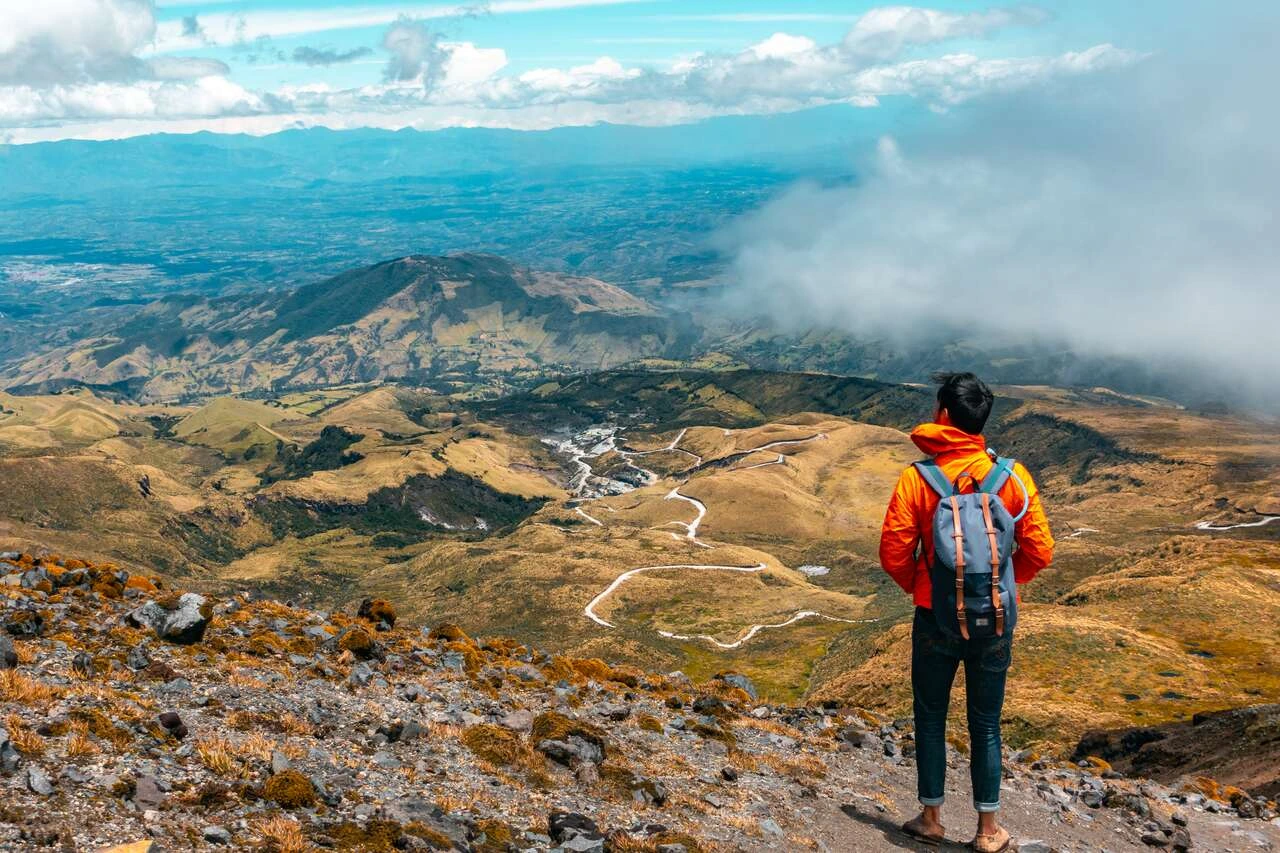
Backpacking across South America is not just a trip — it’s an adventure of a lifetime. From the Andes and Amazon rainforest to Machu Picchu, Patagonia, Salar de Uyuni, and the beaches of Brazil, the continent offers raw nature, ancient civilizations, vibrant cultures, and incredible backpacker-friendly routes.
But here’s the challenge:
Most South America travel content online is written for Western travellers — not Indians.
Indian travellers face different questions:
- How expensive is South America in INR?
- What about visa rules for Indians?
- Is it safe for brown, non-Spanish-speaking travellers?
- How to manage food, transport, and long flights from India?
This guide answers every one of those questions — based on real experiences, Indian traveller case studies, budgets, safety tips, and practical planning advice.
Let’s begin your journey.
Key Facts & Highlights
Quick Facts Box (For Indian Backpackers)
Average Daily Budget: ₹2,500–₹4,500/day
This includes hostel stays, local food, intercity buses, metro fares, and occasional tours. Countries like Bolivia and Peru are cheaper, while Chile, Brazil, and Argentina sit on the higher end.
Hostels: ₹800–₹1,500/night
Backpacker hostels are widely available in all major travel hubs. Prices vary by country and season. You’ll find everything from basic dorm rooms in Bolivia to modern, social hostels in Colombia, Peru, and Brazil.
Meals: ₹300–₹800 per meal
Street food and local eateries are affordable, though vegetarian options may be limited in smaller towns. Big cities offer hostels with kitchens, making self-cooking a smart money-saver for Indian travellers.
Internal Buses: ₹1,500–₹3,500 for long routes
South America relies heavily on long-distance buses — sometimes 8 to 20 hours between cities. They are safe, comfortable, and much cheaper than domestic flights. Argentina, Chile, and Peru have excellent bus networks.
Best Time to Visit:
November–April (Southern Hemisphere summer, best for Patagonia)
May–October (Dry season for Peru, Bolivia, Amazon)
The continent’s weather varies massively due to mountains, deserts, jungles, and multiple climate zones.
Primary Languages:
- Spanish (most countries)
- Portuguese (Brazil)
English is not widely spoken, especially outside tourist areas, so learning basic Spanish phrases helps a lot.
Safety Level: Moderate
Safety varies city by city. Tourist zones in Peru, Chile, Uruguay, and Argentina are generally safe, while parts of Brazil and Colombia require extra caution. Solo Indian travellers, especially women, should be alert but not fearful.
Visa Difficulty: Low–Moderate
Many South American countries offer:
- Visa-free entry for Indians
- Visa-on-arrival
- Easy entry if you hold a valid US/UK/Schengen visa
This makes multi-country backpacking surprisingly smooth compared to Europe or North America.
Why South America Is Perfect for Indian Backpackers
South America is one of the most rewarding continents for Indian travellers — offering a mix of nature, culture, affordability, and lenient visa rules that you rarely find together. Here’s why it has become a rising favourite among Indian backpackers and digital nomads.
Adventure + Culture in One Trip
South America is a continent where every border feels like stepping into a completely different world. Unlike Europe, where countries often share similar architecture and culture, South America offers dramatic contrasts:
- Peru → Inca ruins, Machu Picchu, Andes trekking
- Bolivia → Salar de Uyuni, high-altitude deserts, unique indigenous cultures
- Brazil → Carnival, Amazon rainforest, iconic beaches like Copacabana
- Argentina → Patagonia, glaciers, tango culture, world-famous steaks
- Chile → Atacama Desert, Easter Island, futuristic Santiago
- Colombia → Caribbean coast, jungles, coffee farms
Whether you’re interested in adventure, ancient civilizations, wildlife, food, or photography, this continent packs all of it into one itinerary.
For Indians specifically, South America offers something rare:
➡️ a chance to see landscapes you cannot find in Asia.
Salt deserts. Massive glaciers. Jungle ecosystems. Andean mountains. It’s a once-in-a-lifetime mix of terrains in a single trip.
Backpacker-Friendly Prices
Compared to Europe, the US, Japan, or Australia, South America is much more budget-friendly — especially for Indians travelling with INR.
- Hostels: ₹800–₹1,500
- Meals: ₹300–₹800
- Public Transport: affordable and reliable
- Tours: Machu Picchu, Uyuni, Amazon trips are cost-effective versus similar Asian or European destinations
Countries like Bolivia, Peru, Paraguay, and Colombia are extremely affordable for long-term backpacking. Even relatively expensive places such as Chile, Brazil, and Argentina are still cheaper than Western countries.
For travellers watching currency rates, this is a big advantage:
➡️ You enjoy premium experiences without premium prices.
Visa Options Are Easier Than You Think
This is where South America surprises most Indian travellers.
Many countries offer:
- Visa-free entry
- Visa on arrival
- Easy entry for Indians holding a valid US/UK/Schengen visa
For example:
- Peru, Chile, Argentina, Brazil, Colombia, Ecuador → allow Indians to enter visa-free if you have a valid US/Schengen visa
- Bolivia → visa on arrival
- Uruguay → simple e-visa
- Paraguay → relaxed but requires embassy processing
Compared to Europe, where visas are strict, or the US/Canada, where approval is uncertain, South America is refreshingly simple.
This makes multi-country backpacking realistic:
➡️ One trip → 4–7 countries.
Perfect for Long Trips
Flights from India to South America are long (22–36 hours) and slightly expensive, which is why most backpackers stay longer:
- Average Indian trip: 18–30 days
- Backpacker trips: 4–6 weeks
- Digital nomads: 1–3 months
Because daily costs are lower than Europe or North America, longer stays become financially viable.
Why long trips make sense for Indians:
- You recover the long flight time
- You maximize value for airfare
- The continent is huge — worth exploring slowly
- Safety improves when you spend more time in fewer places
- Longer stays mean deeper cultural experiences
South America is designed for slow, meaningful travel, which aligns perfectly with Indian backpacker goals.
Best Countries to Visit (Ranked for Indian Travellers)
South America is huge — and every country offers something unique. But for Indian backpackers, the ideal destinations balance cost, visa convenience, safety, diversity, and accessibility.
Below is a ranked list based on real experiences, budget considerations, and traveller reviews.
1. Peru — Best for Culture + Mountains (Perfect First Country)
Peru is the ultimate starter country for Indians in South America. It offers world-renowned archaeological sites, stunning mountain scenery, and some of the most iconic backpacking routes on earth.
Top Highlights for Indians:
- Machu Picchu
One of the New Seven Wonders of the World. You can visit via train or trek the Inca Trail / Salkantay Trek (budget-friendly). - Sacred Valley
Home to ancient Inca towns like Pisac, Ollantaytambo, and Chinchero. Great for culture lovers and photography. - Rainbow Mountain (Vinicunca)
A surreal, multicolored mountain at high altitude — a must for Instagram and landscape lovers. - Amazon Rainforest (Iquitos or Puerto Maldonado)
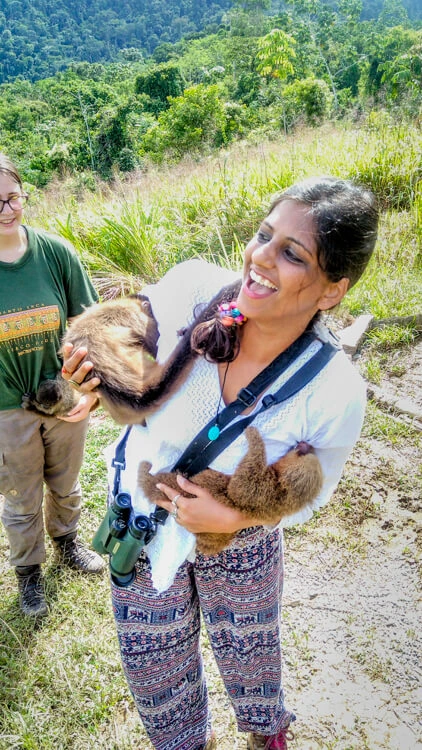
Offers affordable jungle lodges, wildlife tours, and river expeditions.
Why Indians Love Peru:
- Visa-free with US/Schengen visas
- Safe and budget-friendly
- Indian food options in Cusco and Lima
- Backpacker-friendly hostels & tours
- Rich cultural similarities with local markets, bargaining, and vegetarian options
Peru is often the #1 most visited South American country by Indian travellers.
2. Bolivia — Best for Budget Backpackers (Cheapest Country)
Bolivia is the lowest-cost destination in South America and a paradise for backpackers who want dramatic landscapes without burning their budget.
Top Highlights:
- Salar de Uyuni (World’s Largest Salt Flats)
Otherworldly landscapes. Multi-day jeep tours are extremely affordable. - La Paz Cable Car (Mi Teleférico)
One of the highest cities in the world with an ultra-modern cable car network. - Lake Titicaca (Copacabana)
Beautiful lakeside towns, islands, and Indigenous communities.
Why Indians Love Bolivia:
- Extremely cheap hostels and meals
- Visa on arrival available
- Similar local markets and street food culture
- Tours are much cheaper than Peru, Chile, or Argentina
Bolivia is perfect for long-term backpackers and budget-conscious Indian travellers.
3. Chile — Best for Nature Lovers (Safest Country)
Chile is one of the safest, most organized, and diverse countries in South America. It stretches from deserts to glaciers, making it a top pick for nature and adventure lovers.
Top Highlights:
- Atacama Desert
The driest desert in the world — home to geysers, flamingo lagoons, salt flats, and stargazing experiences. - Patagonia (Torres del Paine)
One of the world’s best trekking destinations. Stunning glacial lakes, granite towers, and wildlife.
Why Indians Love Chile:
- Visa-free with US/Schengen visas
- Very safe for solo travellers
- Reliable public transport
- Modern infrastructure
- Great flight connectivity to Argentina/Peru
Though slightly more expensive, Chile offers premium experiences that justify the cost.
4. Argentina — Best for Cities & Landscapes (European Feel)
Argentina mixes European-style cities with world-class nature. It’s stylish, vibrant, and full of unforgettable experiences.
Top Highlights:
- Buenos Aires
Tango shows, European architecture, nightlife, street art, steak houses, and cafés. - Iguazu Falls
One of the most powerful and beautiful waterfalls on Earth (shared with Brazil). - Patagonia (El Chaltén, El Calafate)
Home to Perito Moreno Glacier, Mount Fitz Roy, and some of the best hikes in the world.
Why Indians Love Argentina:
- Visa-free with US/Schengen visas
- Vegetarian-friendly options
- Buenos Aires has a strong Indian community
- Amazing for photography, trekking, and city lovers
- Great internal transport through long-distance buses
Argentina feels like Europe at half the price.
5. Colombia — Best for Culture + Beaches (Most Social Country)
Colombia is the ultimate country for backpackers who love culture, nightlife, beaches, and friendly locals. It’s affordable and extremely popular among young travellers.
Top Highlights:
- Medellín
Once infamous, now one of the most innovative cities in the world with cable cars, co-working spaces, and incredible nightlife. - Cartagena
A colorful Caribbean coastal city — perfect for beaches, islands, and colonial architecture. - Coffee Region (Salento)
Lush green valleys, coffee tours, and the famous Cocora Valley palm trees.
Why Indians Love Colombia:
- Affordable hostels and food
- Warm, friendly people
- Strong digital nomad community
- Beautiful beaches and islands (Tayrona, San Andrés)
- Great social culture for solo travellers
Colombia is especially appealing for younger Indian backpackers and remote workers.
A Realistic 21-Day Backpacking Route (Indian Traveller Edition)
This 3-week itinerary is designed specifically for Indian travellers—balancing budget, safety, altitude, must-see attractions, and visa-friendly countries. It follows the most common overland route used by backpackers from India, Europe, and Australia.
You’ll experience Peru → Bolivia → Chile → Argentina in one smooth flow with minimal backtracking.
Day 1–4: Lima & Cusco (Peru)
⚡ Highlights: Miraflores, Barranco, Plaza de Armas, Sacred Valley, Pisac, Ollantaytambo
⚡ Why start here? Peru is visa-friendly, culturally rich, and a perfect acclimatization point before high-altitude villages.
Day-by-Day Breakdown:
Day 1: Arrive in Lima (Altitude: Sea Level)
- Stay in Miraflores or Barranco (safe + tourist-friendly).
- Explore the clifftop Costa Verde, Indian restaurants, and local markets.
Day 2: Lima City Tour
- Plaza Mayor
- San Francisco Monastery (catacombs)
- Barranco street art district
Optional: Paracas + Huacachina desert day trip (dune buggies and sandboarding).
Day 3: Fly from Lima → Cusco (Altitude: 3,400m)
Important: Indians typically feel altitude here—rest well.
- Drink coca tea
- Walk slowly
- Avoid heavy meals/alcohol
Day 4: Sacred Valley Tour
Visit: Pisac → Ollantaytambo → Chinchero
These spots help you adjust before Machu Picchu.
Day 5–7: Machu Picchu & Rainbow Mountain (Peru)
⚡ Highlights: Machu Picchu, Aguas Calientes, Hydroelectric Route (budget), Rainbow Mountain (Vinicunca)
Day-by-Day Breakdown:
Day 5: Cusco → Aguas Calientes
Options:
- Backpacker: Train from Ollantaytambo
- Budget: Hydroelectric trek (cheapest route)
Check into a hostel and prepare for the sunrise trip.
Day 6: Sunrise at Machu Picchu
- Take the early bus (4:30–5 AM)
- Explore the citadel, terraces, and viewpoints
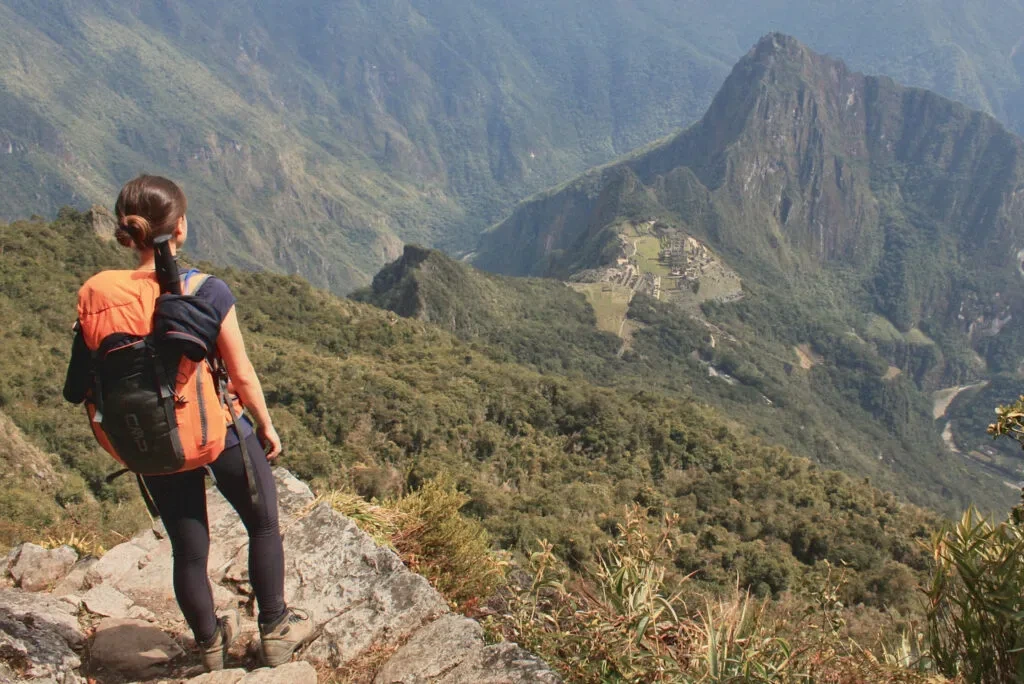
- Optional hikes: Huayna Picchu or Machu Picchu Mountain
Return to Cusco in the evening.
Day 7: Rainbow Mountain Day Trek
- 6–7 hour round-trip hike
- Stunning multi-colored mountain
- Altitude is tough—walk slowly
This is one of the most popular Instagram spots for Indian travellers.
Day 8–10: La Paz & Death Road (Bolivia)
⚡ Highlights: Cable cars, Witches’ Market, Death Road bike ride
⚡ Why this segment? Bolivia is cheap and packed with adrenaline activities.
Day-by-Day Breakdown:
Day 8: Cusco → La Paz (Bus or Flight)
- Overnight bus (budget) or quick flight
- Explore: Witches’ Market, San Francisco, and the Red Cable Car Line
Day 9: La Paz City + Cable Cars
The Mi Teleférico network is the largest urban cable-car system in the world—cheap and scenic.
Day 10: Death Road Bike Tour (Optional)
Known as the world’s most dangerous road.
- Full-day mountain biking
- Safety levels have improved massively
- Great for adventure lovers
If not biking, visit Valle de la Luna (Moon Valley).
Day 11–13: Salar de Uyuni (Bolivia)
⚡ Highlights: Salt flats, red lagoon, geysers, flamingos, desert camps
⚡ Why go? This is the most surreal landscape on any South American trip.
Day-by-Day Breakdown:
Day 11: La Paz → Uyuni (Overnight Bus)
Check in and rest before the 3-day jeep tour.
Day 12–13: 3-Day Uyuni Jeep Expedition
You’ll cross:
- Giant salt flats
- Cactus island
- Red & Green Lagoons
- Flamingos
- Desert geysers
- Volcano viewpoints
Stay in salt hotels and desert lodges.
Photography here is world-famous—especially during the rainy season mirror effect.
Day 14–17: Atacama Desert (Chile)
⚡ Highlights: Moon Valley, El Tatio Geysers, Lagunas Altiplánicas
⚡ Why visit? The Atacama Desert is one of the world’s top stargazing and adventure destinations.
Day-by-Day Breakdown:
Day 14: Cross Bolivia → San Pedro de Atacama (Chile)
Your Uyuni tour ends at the Chile border.
San Pedro is a desert backpacker town with great hostels.
Day 15: Moon Valley Tour
Sand dunes, canyon hikes, sunset viewpoints.
Day 16: Geysers del Tatio
- Sunrise geysers
- Altiplano wildlife
- Hot springs
Day 17: Lagunas & Stargazing Tour
The Atacama is famous for its crystal-clear skies—perfect astronomy experience.
Day 18–21: Santiago → Buenos Aires
⚡ Highlights: Santiago city, Palermo markets, tango shows
⚡ Why end here? Both capitals are modern, safe, and ideal for ending your trip with culture, food, and nightlife.
Day-by-Day Breakdown:
Day 18: Fly from Atacama → Santiago
Explore:
- Cerro San Cristóbal
- Plaza de Armas
- Sky Costanera viewpoint
Day 19: Santiago → Buenos Aires (Flight)
Check into Palermo or San Telmo.
Day 20: Buenos Aires Exploration
- Recoleta Cemetery
- La Boca (colorful streets)
- Puerto Madero
- Café culture and empanadas
Day 21: Tango Night + Markets
- Attend a tango show or try a beginners’ class
- Visit San Telmo Market for antiques, art, and street food
Fly back home with a continent’s worth of memories.
Budget Breakdown (In INR) — Realistic Costs for Indian Backpackers
Planning a trip to South America from India requires understanding the true, on-ground costs. Prices vary across countries, seasons, and travel styles — but the following breakdown reflects a realistic 21-day backpacking budget based on Indian traveller experiences, hostel prices, and tour data from 2023–2025.
Below is the complete cost sheet with explanations for each expense category.
Expense-Wise Cost Breakdown (Approx, in INR)
| Expense Category | Estimated Cost (Range) | Details & Notes |
| Flights: India → South America (Return) | ₹70,000–₹1,20,000 | Depends on route (Delhi/Mumbai → São Paulo, Lima, Santiago). Prices fluctuate based on sales, layovers, and season. |
| Hostel Stays (21 Nights) | ₹18,000–₹30,000 | Dorm beds cost ₹800–₹1,500/night. Bolivia cheapest, Chile/Argentina slightly higher. |
| Food (Daily Meals + Snacks) | ₹12,000–₹18,000 | Street food + hostel kitchens + budget restaurants (₹300–₹800/meal). Veg options available. |
| Long-Distance Buses | ₹10,000–₹20,000 | Peru → Bolivia → Chile routes. Overnight buses save money on accommodation. |
| Major Tours (Machu Picchu + Uyuni Salt Flats) | ₹25,000–₹45,000 | Machu Picchu entry + train + bus + guide + Uyuni 3-day tour (including food/stay). |
| Internal Flights | ₹12,000–₹25,000 | Examples: Cusco → La Paz, Calama → Santiago, Santiago → Buenos Aires. Budget airlines available. |
| Visas + Travel Insurance | ₹6,000–₹15,000 | Many countries free with US/Schengen visa. Insurance mandatory for certain borders. |
| Total Estimated Trip Cost | ₹1.6 lakh – ₹2.6 lakh | Includes everything + buffer. Actual spend depends on travel style. |
Detailed Explanation of Each Cost Category
1. International Flights (₹70,000–₹1,20,000)
This is the biggest expense for most Indian travellers.
Cheapest routes:
- Delhi/Mumbai → São Paulo (Brazil)
- Mumbai → Lima (Peru)
- Delhi → Santiago (Chile)
Best airlines for deals:
- Ethiopian Airlines (most popular with Indians)
- Air France / KLM (frequent sales)
- Qatar Airways
- Emirates
Money-saving tip:
Book 2–3 months in advance → Prices drop significantly during off-season (March–May & Aug–Oct).
2. Accommodation (Hostels) — ₹18,000–₹30,000
South America is very backpacker-friendly.
Average costs:
- Bolivia: ₹600–₹900/night
- Peru: ₹800–₹1,200/night
- Chile/Argentina: ₹1,200–₹1,500/night
Most hostels include:
- Free breakfast
- Kitchen access
- Lockers
- Free Wi-Fi
- Social events
Tip:
Hostels in Peru and Bolivia are extremely affordable → Stay longer here to reduce costs.
3. Food Expenses — ₹12,000–₹18,000
Daily average: ₹600–₹900/day
What Indians typically spend on:
- Set menu lunches (₹300–₹500)
- Hostel meals (₹250–₹400)
- Snacks, empanadas, juices (₹50–₹150)
- Occasional restaurant meal (₹600–₹1,000)
Vegetarians and vegans:
Peru, Chile, Argentina, and Colombia have good veg options, plus hostel kitchens allow cooking.
4. Long-Distance Buses — ₹10,000–₹20,000
Buses are extremely common and comfortable.
Examples:
- Cusco → La Paz: ₹1,500–₹3,000
- La Paz → Uyuni: ₹1,000–₹2,000
- Uyuni → Atacama (border crossing): included in Uyuni tour
- Atacama → Calama → Santiago: ₹3,000–₹6,000
Overnight buses = Save money + time + hostel cost.
5. Major Tours — ₹25,000–₹45,000
These are must-do experiences.
Machu Picchu (₹12,000–₹20,000):
Includes:
- Entry ticket
- Train (or Hydroelectric route)
- Bus to the ruins
- Local guide
Uyuni Salt Flats 3-Day Tour (₹10,000–₹15,000):
Includes:
- Accommodation
- All meals
- Transport
- Guide
- Border drop to Chile
Tip for Indians:
Book Uyuni locally — online bookings are more expensive.
6. Internal Flights — ₹12,000–₹25,000
Typical routes:
- Cusco → La Paz
- Calama → Santiago
- Santiago → Buenos Aires
Budget airlines:
- Sky Airline
- JetSMART
- LATAM (bigger, more reliable)
Book early → cheaper than buses for long distances.
7. Visa + Insurance — ₹6,000–₹15,000
Good news for Indians:
Many South American countries allow entry if you hold a valid US/Schengen visa.
Breakdown:
- Bolivia visa on arrival: ₹2,500–₹4,000
- Travel insurance (mandatory): ₹2,500–₹7,000
- Argentina/Chile/Peru entry: Free with US/Schengen visa
Tip:
Buy insurance with altitude + adventure sports coverage (for Rainbow Mountain & Death Road).
Final Total Estimated Cost: ₹1.6L – ₹2.6L
Your total depends on your style:
| Travel Style | Total Cost (Approx) | Who It Suits |
| Budget Backpacker | ₹1.6L–₹1.9L | Hostel stays, buses, budget tours |
| Mid-Range Comfortable | ₹2L–₹2.3L | Mix of hostels + flights + tours |
| Flexible Traveller | ₹2.3L–₹2.6L | Better hotels + more flights + extra activities |
Visas for Indians: Country-by-Country Guide (2025)
Here’s a detailed breakdown of visa / entry rules for Indian passport holders — what’s visa-free, visa-on-arrival / e-Visa, and where a pre-approved visa is required. Since policies change, always cross-check with the relevant embassy or airline (Timatic) before travel.
Visa-On-Arrival / e-Visa / Easier Entry
Bolivia — Visa-on-Arrival
- Indian passport holders can get a visa-on-arrival for Bolivia (typically up to 60–90 days). MEA India+1
- Requires a passport with minimum 6 months validity, return ticket or onward ticket — like most visa-on-arrival regimes across the world.
Ecuador — e-Visa / Visa-On-Arrival / Easy Entry (as per older / public lists)
- Some public visa-on-arrival / visa-easy lists mention Ecuador among Latin American countries granting visa-on-arrival or relaxed entry for Indian passport holders. Care Health Insurance+1
- Important: Because rules can shift quickly, verify at time of planning.
Countries with Recently Eased or Conditional Entry (With US/Schengen Visa or Special Conditions)
Argentina — Easier Entry for Indians with Valid US Visa (2025 update)
- As of August 2025, Argentina introduced a policy allowing Indian citizens holding a valid U.S. tourist visa to enter without needing a separate Argentine visa or prior Electronic Travel Authorization (AVE). The Economic Times
- This significantly lowers the barrier for Indian travellers; many immigration/airline sources list India under “approved when US visa present.” However, some travellers report mixed experiences — always carry printouts / confirmations. (See travel-community reports.) Reddit+1
Peru & Chile — Historically Among Easier Entry Countries for Indians with Valid US/Schengen Visa
- Multiple sources and travel guides list Peru and Chile among the Latin American countries that Indian travellers often manage without tedious visa processes — especially if they already hold a valid US/Schengen visa. Wikipedia+2The Economic Times+2
- However — and this is critical — this depends heavily on airline check-in rules and border enforcement. Always confirm before booking flights.
Countries Where Indian Passport Likely Requires Pre-Approved Visa
Brazil — Visa Needed (Apply in Advance)
- Brazil is not listed among visa-on-arrival / e-Visa / relaxed-entry countries for Indian passport holders in official lists. Bajaj General Insurance Limited+1
- So Indian travellers should apply for a regular tourist visa before planning the trip to Brazil.
Colombia — Pre-Trip Visa Often Required
- Public official lists do not consistently show Colombia under visa-on-arrival / visa-free for Indian passport holders. MEA India+1
- Many travel-advice platforms categorize Colombia under “apply in advance” for Indians.
✅ What This Means for Indian Backpackers
- Flexibility is improving — countries like Argentina, Bolivia, Peru, Chile offer relatively smoother entry (especially if you hold a valid US or Schengen visa).
- You still need to check at booking time — airlines often verify visa rules at check-in, and border regulations can change abruptly.
- Carry additional documents: return ticket, travel insurance, proof of funds — especially where visa-on-arrival / relaxed-entry is cited.
- Pre-planning for visa-required countries (Brazil, Colombia) gives time for paperwork and reduces last-minute hassles.
Safety Guide for Indian Travellers (Practical + On-Ground Tips)
Backpacking in South America is incredibly rewarding, but safety varies by city, neighbourhood, and even time of day. As an Indian traveller, you’ll stand out more than in Europe or Southeast Asia — so awareness and street-smart behaviour are essential.
Safe Zones (Generally Tourist-Friendly & Well-Policed)
• Santiago, Chile
- One of the safest capitals in South America.
- Areas like Providencia, Las Condes, and Bellavista are full of hostels, cafés, and metro connectivity.
- Pickpocketing exists but violent crime is rare for tourists.
• Cusco, Peru
- Extremely backpacker-friendly with a strong tourism economy.
- Areas around Plaza de Armas, San Blas, and the main market are lively and safe during the day and evening.
- Most travellers feel comfortable walking around late because streets are always busy.
• Medellín, Colombia (Main Areas Only)
- The city has transformed dramatically over the past decade.
- Popular and safe districts: El Poblado, Laureles, Envigado.
- Huge backpacker community, modern metros, cafés, co-working spaces — excellent for digital nomads.
• Buenos Aires, Argentina (Central & Tourist Areas)
- Relatively safe compared to other big South American cities.
- Palermo, Recoleta, San Telmo, and Microcentro are the best areas for travellers.
- Nightlife is vibrant — just watch your belongings in crowded bars.
Be Cautious In (High Pickpocketing / Scams / Unsafe After Dark)
• La Paz Outskirts, Bolivia
- Avoid wandering outside central zones like Sopocachi, Miraflores, and Witches’ Market area.
- Some outskirts are known for robberies — especially after sunset.
- Use taxis/Uber for longer distances within the city.
• Lima Downtown (Peru)
- Historic Centre becomes risky after evening — pickpocketing and mobile snatching are common.
- Stick to Miraflores and Barranco, which are well-lit and patrolled.
• Bogotá, Colombia
- Safer areas include Zona Rosa, Chapinero, and Candelaria — but still keep your phone hidden.
- Avoid late-night walks even in tourist districts.
- Some neighbourhoods become unsafe very quickly just after dark.
• Rio de Janeiro, Brazil
- One of the highest crime-risk tourism cities.
- Copacabana, Ipanema, and Leblon are fine but stay alert at all times.
- Avoid favelas unless on an official guided tour.
- Robberies (especially phone snatching) are very common.
Tips for Safety (Especially Important for Indian Travellers)
1. Avoid Walking Alone at Night
- Even in “safe” neighbourhoods, night-time muggings happen.
- Plan your return before midnight or use Uber/Bolt to get back to your hostel.
2. Keep Your Phone Inside Pockets / Don’t Use It on Streets
- South America’s biggest tourist crime is phone snatching.
- Never stand on a sidewalk using your phone — thieves on motorcycles target visible devices.
- Ask for directions inside a shop/restaurant, not on the street.
3. Use Uber / Didi / Cabify / Bolt Instead of Street Taxis
- In many cities (especially La Paz, Lima, Rio, Bogotá), street taxis may overcharge or pose safety concerns.
- Ride-sharing apps are safer, cheaper, tracked, and widely used by travellers.
4. Stay in Well-Rated Hostels with Good Security
- Look for hostels with:
- 24×7 reception
- CCTV
- Lockers
- Female-only dorm options (if needed)
- Good neighbourhood reviews
- 24×7 reception
- Avoid overly cheap hostels — they’re often in unsafe areas.
5. Don’t Show Expensive Gear in Public
- Keep camera gear, GoPros, drones, and lenses inside your bag.
- Take photos quickly and put your device away.
- Wear simple clothes; avoid flashy jewellery or expensive watches.
6. Learn Basic Spanish Phrases
- Knowing simple phrases reduces your chances of being scammed.
- Essential:
- “¿Cuánto cuesta?” (How much?)
- “No gracias.” (No thanks.)
- “¿Dónde está…?” (Where is…?)
- “¿Cuánto cuesta?” (How much?)
- Locals appreciate the effort and often help more.
7. Use Money Belts or Anti-Theft Bags
- Keep cash split between main bag, money belt, and a small day pouch.
- Only carry the amount you need for that day.
8. Be Aware of Common Scams
- Fake police asking for passports
- Taxi meter manipulation
- Distraction thefts (someone spilling something on you)
- Fake tour operators
9. Avoid Certain Areas During Protests
- South American cities occasionally have political marches.
- Stay away from large crowds — protests can turn heated quickly.
10. Trust Hostels & Locals for Real-Time Safety Info
- Ask your hostel staff which areas to avoid.
- They know the city better than any guidebook.
Food Guide — What Can Indians Eat in South America?
Food in South America is diverse, flavourful, and surprisingly Indian-friendly — especially in Peru, Chile, Argentina, and Colombia. While the cuisine is less spicy than Indian food, most ingredients feel familiar: rice, potatoes, lentils, grilled meats, corn breads, and fresh vegetables.
Here’s a complete guide to what you can eat, what to expect, and how to manage food as an Indian traveller.
Must-Try Foods (Country-by-Country — Affordable & Backpacker-Friendly)
🇵🇪 Peru — Rich, Flavourful & Globally Famous Cuisine
Peru is considered one of the world’s top food destinations (multiple-time winner of “World’s Best Culinary Destination”).
Try these dishes:
- Lomo Saltado → Stir-fried beef with onions, tomatoes, fries + rice (closest to Indian-Chinese style taste).
- Aji de Gallina → Shredded chicken in a creamy yellow chilli sauce (mild but delicious).
- Ceviche → Raw fish cured in lime (for seafood lovers).
- Pollo a la Brasa → Rotisserie chicken served with fries.
- Papa a la Huancaína → Potatoes with spicy yellow pepper sauce (vegetarian).
Cost: ₹250–₹700 per meal
Vegetarian friendly? Yes — Peru has many veg options like quinoa bowls, tamales, vegetarian ceviche, salads, and rice dishes.
🇨🇱 Chile — Simple, Home-Style Food
Chilean food is hearty, mildly spiced, and very filling.
Must-try:
- Empanadas → Stuffed pastry (veg, cheese, chicken, or beef).
- Pastel de Choclo → Corn pie with chicken/meat filling.
- Cazuela → Broth-based soup with veggies and meat.
- Completo → Chile’s famous giant hotdog loaded with sauces.
Cost: ₹200–₹600 per meal
Vegetarian friendly? Moderate — empanadas de queso (cheese), salads, soups, and rice dishes are easy to find.
🇦🇷 Argentina — Meat Lover’s Paradise
Argentina is known for steaks and grilling culture (asado), but there’s more to try.
Must-try:
- Choripán → Grilled chorizo sausage in bread (street food classic).
- Milanesa → Breaded fried cutlet (chicken/beef).
- Empanadas → Every region has its own version.
- Dulce de Leche Desserts → Sweet caramel-like flavour.
Cost: ₹300–₹800 per meal
Vegetarian friendly? Yes — cheese empanadas, pasta, pizzas, and salads are everywhere. Buenos Aires has excellent veg/vegan cafés.
🇨🇴 Colombia — Simple, Filling & Affordable
Colombian food is comfort-driven and easy to adapt to Indian palate.
Must-try:
- Arepas → Corn flatbreads; come in cheese, butter, spicy, or stuffed versions.
- Bandeja Paisa → Massive plate with rice, beans, meat, egg (non-veg).
- Ajiaco → Chicken + potato soup (mild flavour).
- Patacones → Fried plantain slices (veg).
- Buñuelos → Fried cheese balls (snack).
Cost: ₹200–₹500 per meal
Vegetarian friendly? Yes — arepas, rice + beans, patacones, and bakery foods.
Indian-Friendly Eating Tips (Made for Backpackers)
1. Most Big Cities Have Indian Restaurants
You’ll find Indian food in:
- Lima, Cusco
- Santiago
- Buenos Aires
- Medellín, Bogotá
- São Paulo, Rio
- Quito
- La Paz (limited, but available)
Expect slightly toned-down spice levels, but many kitchens will “make it Indian-style” if requested.
Average cost: ₹700–₹1,500 per meal.
2. Vegetarian Options Are More Common Than You Think
While South America is known for meats, vegetarian travellers won’t struggle because:
- Rice + beans are everyday staples.
- Markets sell fresh fruits, juices, and veg meals.
- Many hostels/cafés offer vegetarian bowls and pastas.
- Peru has excellent vegetarian offerings (quinoa, potato dishes, veg soups).
If you’re vegan, Colombia and Peru are your best options.
3. Most Hostels Have Kitchens — Cook Your Own Meals
This is a HUGE money-saver and makes long trips easy.
Typical hostel kitchen facilities:
- Stoves, utensils, salt, oil
- Fridge + storage
- Cooking pans
- Microwave
What Indians commonly cook in South America:
- Maggi / Yippee
- Poha (carry ready mixes)
- Upma mixes
- Rice + ready-to-eat dal packets
- Masala oats
- Ready masala packets for quick stir-fries
Pro-tip:
Local supermarkets (like Tottus, Jumbo, Lider, Carrefour) are very affordable.
4. Carry Masala Sachets (Lifesaver!)
Carry these from India:
- Chole masala
- Garam masala
- Masala mix packets
- Ready-to-eat curries
- Small chilli flakes
- Tea bags (Indian chai is rare)
Hostels love when travellers cook — and your masala dishes might even become hostel favourites!
5. Spice Levels Are Mild — Add Your Own Kick
South American cuisine is flavourful but not spicy.
You’ll often need:
- Hot sauce (Aji chili sauce is common)
- Extra salt
- Pepper
- Lemon
Most restaurants give you chilli sauce on the side.
6. Street Food Is Safe in Tourist Areas
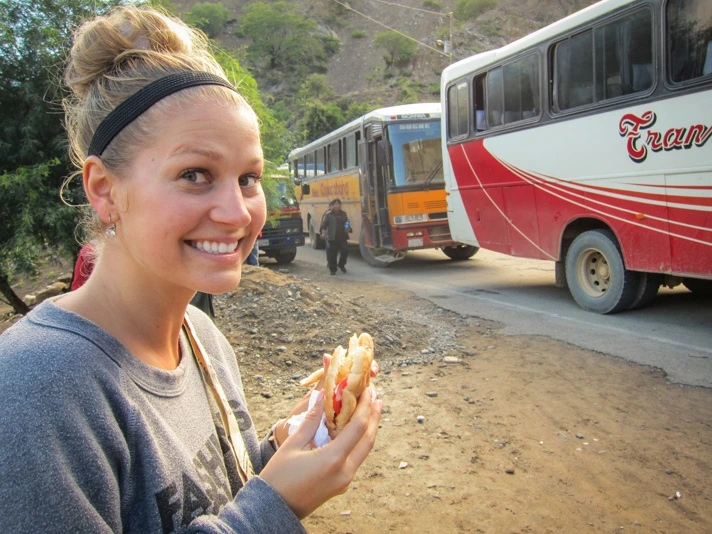
Try empanadas, sandwiches, churros, fruit juices, and grilled foods.
Just avoid unboiled water-ice drinks in remote regions.
7. Breakfast Is Usually Simple
Expect:
- Bread
- Jam
- Eggs
- Coffee/tea
- Fruits
You may need to supplement with your own snacks if you prefer heavy Indian breakfasts.
Hostels, Transport & SIM Cards (Detailed India-Friendly Guide)
Backpacking in South America means balancing comfort, safety, and affordability. This section covers the best hostels, recommended buses, metro systems, flights, SIM cards, and connectivity options — all tailored for long-term travellers.
🏨 Hostels — Best Backpacker Hostels in South America
Hostels in South America are vibrant, clean, social, and surprisingly affordable. Many offer coworking spaces, on-site bars, travel desks, and group tours — perfect for solo Indian travellers.
Top Hostel Chains (Safe + Social + Reliable)
These are the most popular and trusted across South America:
1. Selina (Premium + Digital Nomad Friendly)
- Locations: Peru, Colombia, Chile, Argentina, Brazil
- Known for: coworking spaces, café lounges, wellness classes
- Ideal for: solo travellers, remote workers, older backpackers
- Price: ₹1,200–₹2,800 per night
- Pros: clean, stylish, safe neighbourhoods
- Cons: higher cost than regular backpacker hostels
2. Wild Rover (Party Hostel)
- Locations: Cusco, Arequipa, La Paz
- Known for: energetic nightlife, backpacker community
- Ideal for: young travellers, party lovers, social hostels
- Price: ₹900–₹1,700 per night
- Pros: daily events, massive bars, very social
- Cons: loud — not ideal for early sleepers
3. Loki Hostels (Party + Adventure Mix)
- Locations: Lima, Cusco, Huacachina, La Paz
- Known for: themed parties, big common areas, fun staff
- Price: ₹800–₹1,500 per night
- Pros: great for meeting other travellers
- Cons: same as Wild Rover — noisy
4. Che Lagarto (Budget + Central Locations)
- Locations: Chile, Argentina, Brazil, Peru
- Known for: affordable prices, clean rooms, great locations
- Price: ₹700–₹1,300 per night
- Pros: safe areas, good breakfast, friendly staff
- Cons: fewer social events compared to party hostels
5. Other Reliable Hostels
- Hospedaje Recoleta (Cusco)
- Casa del Sol (La Paz)
- Milhouse Hostel (Buenos Aires)
- Hostel Joroba (San Pedro de Atacama)
Pro Tip:
Always check reviews for:
- Neighbourhood safety
- Wi-Fi speed
- Hot water (cold regions!)
- Locker availability
🚌 Transport — How Indians Can Travel Safely & Cheaply
South America is HUGE — meaning buses, budget airlines, and local metros are essential.
Best Bus Companies (Safe + Comfortable)
1. Peru Hop (Peru, Bolivia)
- Ideal for first-time travellers
- Hop-on, hop-off system
- English-speaking guides
- Safe pickup zones
- Allows flexible travel dates
- Great for solo travellers
Price: ₹3,500–₹10,000 depending on route.
2. Cruz del Sur (Peru)
- Most premium bus service in Peru
- Fully reclining seats
- Onboard food & entertainment
- Highly safe & reliable
Price: ₹1,000–₹3,000 per route.
3. Cata International (Argentina, Chile)
- Popular for Argentina–Chile border crossings
- Comfortable semi-cama & cama seats
- Safe for long overnight travel
Price: ₹1,500–₹4,000.
Other Reliable Bus Companies
- Bolivia Hop (Bolivia)
- TurBus (Chile)
- Andesmar (Argentina)
- Flota Magdalena (Colombia)
✈️ Domestic & Regional Flights
Budget airlines can be cheaper than buses if booked early.
Top airlines:
- LATAM
- Sky Airline
- Jetsmart
- Avianca
- Aerolíneas Argentinas
Average fares:
- Short regional flight: ₹3,000–₹6,000
- Long flight (e.g., Peru → Chile): ₹7,000–₹12,000
🚇 Local Transportation (City-Level)
Peru
- Taxis, Uber
- Public buses (avoid at night)
Chile
- Santiago Metro → clean, safe, fast
- Uber works everywhere
Argentina
- Buenos Aires Subte (metro) → very affordable
- Cashless bus cards needed (SUBE card)
Colombia
- Medellín Metro → safest and most modern
- Bogotá TransMilenio → crowded but cheap
📱 SIM Cards & Connectivity — Best Options for Indians
Staying connected is essential for maps, Uber, hostel bookings, and safety.
Local SIM Cards (Cheapest Option)
1. Entel (Peru, Chile)
- Best coverage in mountains and deserts
- Good for Cusco, Peru Hop routes, Patagonia
- Prepaid packages easily available at airports and stores
Price: ₹700–₹1,800 for 10–20 GB.
2. Movistar
- Widely available across South America
- Good speeds in cities
- Affordable data packs
Price: ₹500–₹1,500 for standard prepaid plans.
3. Claro
- Excellent urban coverage
- Common in Colombia, Brazil, and Argentina
- Great value plans
Price: ₹600–₹1,600.
Easiest Option for Beginners — eSIM (Instant Activation)
Airalo eSIM
- Works across multiple countries
- No need to buy separate SIMs
- Activate on landing
- Perfect for crossing borders often
- 100% online purchase → great affiliate monetization potential
Price:
- Regional eSIM (Latin America): ₹2,000–₹4,000 for 5–10 GB
- Country-specific eSIM: ₹800–₹1,800
Benefits for Indian backpackers:
- No local address or ID required
- Keep your Indian SIM active for OTPs
- Hassle-free when entering rural areas
Affiliate potential:
You can earn passive income by linking:
- Airalo
- HolaFly
- Nomad eSIM
- AloSIM
Challenges Indians Face — And Practical, Real-World Solutions
Traveling to South America is exciting, but Indians often face a few predictable challenges. The good news? Every challenge has a simple, proven solution if you plan smartly.
1. Language Barrier (Spanish/Portuguese)
Challenge:
Most locals in Peru, Chile, Argentina, Colombia, and Bolivia speak very little English. Even hostel staff may speak only basic English, especially outside major cities.
Solutions:
- Learn must-know Spanish phrases: directions, food orders, emergency phrases, numbers.
- Use apps like Duolingo, Memrise, or LingoPie for quick learning.
- Download Google Translate offline + the camera translator for menus and signs.
- Keep a notes file of important words (vegetarian, no egg, train station, washroom).
- Speak slowly—South Americans are generally patient and helpful.
2. Long & Expensive Flights
Challenge:
Flights from India to South America usually take 24–36 hours with 1–2 stops and can get costly.
Solutions:
- Use multi-city or broken journey routes (Delhi → Dubai → Madrid → Lima).
- Track prices using Skyscanner, Google Flights, Hopper, and set alerts.
- Fly to Brazil or Argentina first (cheaper entry points) → then take a low-cost regional flight.
- Choose weekday departures to save up to 20–30%.
- Book 2–3 months early for peak season (June–August, December–January).
3. Safety Concerns
Challenge:
Some cities in South America have pickpocketing, bag-snatching, and after-dark safety issues.
Solutions:
- Stay in tourist-friendly neighborhoods (Miraflores in Lima, Palermo in Buenos Aires, Poblado in Medellín).
- Avoid walking alone late at night in quiet areas.
- Use trusted apps for transport: Uber, Cabify, Beat, Didi.
- Wear a money belt or cross-body bag.
- Don’t use your phone while walking on the street.
- Always keep photocopies of your passport and visa stamps.
4. Food Issues (Vegetarian/Eggless/Jain)
Challenge:
South America is meat-heavy, and vegetarian Indian travelers sometimes struggle.
Solutions:
- Cook in hostel kitchens—most hostels are very cooking-friendly.
- Carry essential items:
- Maggi, Upma Mix, Poha Mix, Ready Rotis, MTR meals
- Masala sachets (chole, biryani, garam masala)
- Maggi, Upma Mix, Poha Mix, Ready Rotis, MTR meals
- Look for “Menu Vegetariano” or “Sin Carne” restaurants.
- Many big cities have Indian restaurants (Lima, Santiago, Buenos Aires, Bogotá).
- Use Google Maps filters → “vegetarian”, “vegan”, “Indian”.
5. Visa Confusion & Rules Change
Challenge:
Indians often get confused about visa rules for countries like Peru, Chile, and Argentina, especially when entering by land or air.
Solutions:
- Always check the official embassy websites for the latest visa regulations.
- Use reputable Facebook/Reddit groups (“Backpacking South America,” “Indians in Peru”).
- Keep printed hotel bookings, exit tickets, and travel insurance—immigration officers often ask.
- If entering by land, confirm if you need a pre-approved visa or if your US/UK/Schengen visa exempts you.
- Keep digital + printed copies of all documents.
6. Altitude Sickness (Andes Regions)
Challenge:
Indians are not used to high altitudes like Cusco (3,400m) or La Paz (3,600m).
Solutions:
- Spend 1–2 days acclimatizing before trekking or sightseeing.
- Drink coca tea (available everywhere).
- Avoid heavy meals and alcohol for the first 24 hours.
- Take Diamox (consult a doctor before travel).
- Walk slowly and stay hydrated.
7. Money & Card Usage
Challenge:
Some countries have cash-only stalls; some charge extra for Indian debit/credit cards.
Solutions:
- Keep a mix of USD + local currency.
- Use Revolut / Niyo / Wise for low forex charges.
- Withdraw money only from trusted ATMs (BCP in Peru, BancoEstado in Chile).
- Keep small notes—for buses, markets, local shops.
8. Cultural Differences
Challenge:
Indians may find some local customs unfamiliar (late dinners, tipping expectations, slow service).
Solutions:
- Expect restaurants to open dinner service after 7:00–8:00 PM.
- Tipping is normal (5–10%).
- Greetings include a “Hola” or light handshake—very friendly culture.
- Be polite, patient, and open-minded.
What to Pack — Complete, Practical Checklist for Indians
Packing for South America requires planning because the continent has every kind of climate—Amazon rainforest humidity, Andean cold, coastal heat, deserts, and unpredictable rains.
Below is a detailed checklist that covers safety, comfort, food, clothing, tech, health, and documents.
🎒 A. Backpack & Luggage Essentials
- 45–50L Backpack (Main Bag)
Ideal for 2–6 weeks. Easy to carry on buses and hostels.
Choose one with:
- Padded hip belt
- Waterproof cover
- Front-loading (opens like a suitcase)
- Strong zippers
- Padded hip belt
- 10–20L Daypack
For daily walks, city tours, hikes, Machu Picchu, Atacama, Patagonia, etc.
Should be lightweight and foldable.
👕 B. Clothing (Weather-Ready)
South America has multiple climates—even in one trip—so pack smartly:
Cold/Andes Regions (Peru, Bolivia, Chile, Argentina)
- Thermals (top + bottom)
Mandatory for Cusco, La Paz, Uyuni, Patagonia, even in “summer.” - Fleece jacket / Mid-layer
Light but warm. - Down jacket (optional but amazing)
Packs small and handles sub-zero temperatures.
Rain Protection
- Rain Jacket (Waterproof, not just water-resistant)
For Machu Picchu, Amazon, Patagonia, and unexpected showers. - Rain Cover for Backpack
Essential for bus travel and hikes.
Footwear
- Hiking Shoes / Trekking Shoes
Needed for Machu Picchu, Rainbow Mountain, Patagonia, volcano treks. - Flip-flops
For hostels, beach towns, and showers. - Comfortable walking shoes
For city days.
General Clothing
- 4–5 T-shirts
- 1–2 full-sleeve shirts (for sun or mosquitoes)
- Lightweight pants / cargo pants
- Shorts (beach countries like Brazil, Colombia)
- Innerwear for 5–7 days
- Quick-dry socks
- Cap/hat + Sunglasses (UV is strong in Andes)
🧴 C. Toiletries & Hygiene
- Toothbrush, paste
- Soap/body wash
- Shampoo + conditioner (travel size)
- Wet wipes (lifesaver on long buses)
- Deodorant
- Razor, shaving kit
- Sanitary products (harder to find in rural areas)
- Small laundry soap / travel detergent
- Quick-dry microfiber towel
🍛 D. Indian Food & Spices
South America is meat-heavy, so packing Indian basics saves money + guarantees comfort food.
- Indian Spices:
- Garam masala
- Chaat masala
- Haldi
- Jeera
- Tea masala (great for hostel kitchens!)
- Garam masala
- Ready Mixes:
- Maggi
- Poha
- Upma
- MTR ready meals
- Ready roti/chapati (lasts long)
- Maggi
- Small rice cooker / kettle (optional)
Can help in remote towns.
💊 E. Medicines & Health Kit
Medical stores vary by country; carry a small India-specific kit:
- Paracetamol (fever/body pain)
- Combiflam-brufen
- ORS (heat & altitude dehydration)
- Diamox (for altitude sickness – consult doctor)
- Band-aids
- Anti-allergy tablets
- Motion sickness tablets (for Andean roads)
- Digene / acidity tablets
- Basic first-aid items
- Mosquito repellent (Amazon, beaches)
🔌 F. Electronics & Travel Tech
- Universal Adapter (most important!)
South America uses mixed plug types: C, L, N. - Power Bank (10,000–20,000 mAh)
Long journeys need backup. - Phone + Protective Case
- Camera + extra batteries
- Portable charger cable set
- Earphones/headphones
- Ebook/Kindle (great for long bus rides)
- Offline maps downloaded on Google Maps & MapsMe
📄 G. Documents & Safety Items
- Passport (valid 6+ months)
- Printouts + soft copies of:
- Hotel bookings
- Return/exit tickets
- Travel insurance
- Visa documents
- Vaccination certificates (if required)
- Hotel bookings
- 4–6 passport-size photos (useful for last-minute permits)
- Small lock for hostel lockers
- Money belt / hidden pouch
- International driving permit (if renting a car)
💵 H. Money & Cards
- USD (clean, crisp notes preferred in South America)
- Debit/Credit Cards:
- Wise
- Niyo Global
- Revolut
- HDFC Regalia (for lounges + flight benefits)
- Wise
- Emergency ₹5,000–₹10,000 cash
- Coin pouch (bus conductors prefer exact change)
FAQs Section
1. Is South America safe for Indian backpackers?
Yes — overall, it’s safe for travellers who take normal precautions, but safety varies by city and neighbourhood.
- Very safe: Santiago, Cusco, Mendoza, Buenos Aires (Recoleta/Palermo), Medellín (El Poblado).
- Moderate caution: La Paz, Lima, Bogotá, Rio de Janeiro.
- Tips for full safety:
- Avoid walking alone at night.
- Keep phones inside zipped pockets.
- Use Uber, Cabify, or InDriver instead of street taxis.
- Stay in hostels with good ratings (4.3/5+).
- Avoid walking alone at night.
Avoid showing expensive gear or jewellery.
With smart planning, South America is no more dangerous than major Indian metros.
2. How expensive is South America for Indians?
(What is the realistic total budget?)**
South America is much cheaper than Europe or the US, especially for hostels, food, and buses.
For a 3-week multi-country trip:
- Budget: ₹1.6–₹2.6 lakh (including flights).
- Flights: ₹70k–₹1.2L
- Hostels: ₹800–₹1,500/night
- Food: ₹300–₹800/meal
Transport: Very cheap in Peru, Bolivia, Colombia; moderate in Chile & Argentina.
Backpackers who cook in hostels can save an additional ₹8,000–₹12,000 easily.
3. Can Indians travel without speaking Spanish?
Yes! Thousands do.
But having basic Spanish phrases makes life dramatically easier.
- Bus stations, local shops, and rural towns rarely speak English.
- Hotels and tourist operators speak “tourist English.”
Tools that help: - Google Translate offline mode (must-download)
- Spanish phrase apps
Handwritten notes for buses, directions, and room bookings.
Knowing 20–30 phrases (hola, gracias, cuánto cuesta, baño?) makes the trip smoother.
4. What is the best season to visit South America?
Because the continent is huge, seasons vary:
- Best overall:November to April
- Summer in Patagonia
- Best weather in Chile/Argentina
- Machu Picchu is open and green
- Summer in Patagonia
- May to September:
- Dry season in Peru and Bolivia (great for treks)
- But colder in Andes
- Dry season in Peru and Bolivia (great for treks)
- Avoid:
- Heavy rains in Amazon (Jan–Mar)
- Winter in Patagonia (Jun–Aug) — many treks closed
- Heavy rains in Amazon (Jan–Mar)
If it’s your first time, Nov–Apr is the sweetest spot.
5. Do Indians get visa-free entry in South America?
Yes, in many countries — but with conditions.
Visa-Free (with valid US/Schengen visa):
- Peru
- Chile
- Argentina
Easy / Visa-on-arrival or e-visa:
- Bolivia (VOA + e-visa option)
- Ecuador (easy entry, sometimes visa-free for Indians depending on updates)
Visa Required in Advance:
- Brazil (easy process, usually fast)
- Colombia (straightforward but needed in advance)
Always recheck embassy updates before finalizing flights.
6. What food options are available for Indians?
You’ll find a surprising amount of vegetarian, vegan, and Indian-friendly foods across major cities.
- Peru: rice, potatoes, lentils (menú del día is usually veg-friendly)
- Chile & Argentina: empanadas, breads, pasta, veggie sandwiches
- Colombia: arepas, plantains, juices
Plus: - Indian restaurants in major cities (Buenos Aires, Santiago, Lima, Bogotá, Medellín).
- Hostels have full kitchens, so you can cook:
- Maggi
- Poha
- Upma
- MTR ready meals
- Masala rice Carrying masala sachets makes everything easier, especially in Bolivia.
- Maggi
7. How is public transport in South America?
Surprisingly excellent — especially long-distance buses.
You’ll experience:
- Semi-cama / cama buses (recline 160°–180°)
- USB chargers
- Blankets & pillows
- Washrooms
- Meals on some routes
Top companies:
- Peru: Cruz del Sur, Peru Hop
- Bolivia: Todo Turismo
- Chile: TurBus, Pullman
- Argentina: Andesmar, CATA International
Buses are comfortable, punctual, and safe — perfect for budget backpackers.
8. Is solo travel safe for Indian women?
Yes — with the same precautions as Europe or Southeast Asia.
Safest for women:
- Chile
- Peru
- Argentina
- Uruguay (very safe but off-route for most)
Use extra caution in:
- Bolivia (especially La Paz at night)
- Colombia (only certain neighbourhoods safe)
- Brazil (research neighbourhoods well)
Women should stick to:
- Well-rated hostels
- Tourist districts
- Uber/Cabify
Day travel instead of night buses
South America has a HUGE global solo female traveller community, especially in Peru and Chile.
9. Can I use Indian debit/credit cards in South America?
Yes — Visa and Mastercard work almost everywhere.
Recommended cards for Indians:
- Niyo Global
- Wise (best overall)
- Revolut
- HDFC Regalia / SBI Elite (for lounge benefits)
However:
- Some small shops only accept cash.
- ATMs charge fees (₹300–₹500 per withdrawal).
Always carry USD cash as backup; it’s the universal emergency currency.
10. Is altitude sickness a problem?
Yes — especially for Indians coming from sea level.
Risk zones:
- Cusco (3,400m)
- La Paz (3,600m)
- Uyuni region (4,000–5,000m)
- Rainbow Mountain (5,100m)
Reduce symptoms by:
- Spending 1–2 days acclimatizing
- Avoiding alcohol on the first days
- Drinking coca tea / chewing coca leaves
- Staying hydrated
- Using Diamox (after consulting a doctor)
Most travellers feel better by Day 2–3.
11. How long should Indians stay in South America?
Minimum: 2 weeks
Recommended: 3–4 weeks
Because:
- Flights from India take 24–36 hours
- Time zone difference is large
- Countries are huge — Peru alone needs 10–12 days
- Buses between countries take time Short trips feel rushed; long trips feel rewarding and cost-effective.
12. Is South America good for beginner backpackers?
Absolutely. It has:
- Friendly locals
- Cheap hostels
- Great bus network
- Warm backpacker culture
- Safe tourist zones Plus, cities like Cusco, Santiago, Medellín, and Buenos Aires have huge international backpacker communities.
13. Do I need travel insurance for South America?
Yes — 100% recommended.
Reasons:
- Altitude sickness
- Trekking accidents
- Stomach issues
- Flight delays
- Theft / pickpocketing Policies cost ₹1,200–₹3,000 for 3 weeks — totally worth it.
Summary / Key Takeaways
- Safe and Backpacker-Friendly:
South America is generally safe for Indian travellers, especially when staying in tourist-friendly neighbourhoods, using Uber/Cabify, and following standard safety precautions. - Affordable Adventure:
Compared to Europe or North America, a 3-week South American trip costs around ₹1.6–2.6 lakh, including flights, hostels, food, and tours. Cooking in hostels can further reduce costs. - Diverse Nature and Culture:
From Machu Picchu, Rainbow Mountain, and Salar de Uyuni to Patagonia, Amazon rainforest, and vibrant cities like Buenos Aires and Medellín, the continent offers a unique mix of natural wonders and cultural experiences. - Easy Visas for Indians:
Countries like Peru, Chile, and Argentina offer visa-free entry (with US/Schengen visa), while others like Bolivia and Brazil have simple e-visa or visa-on-arrival options, making multi-country travel feasible. - Language and Connectivity:
Basic Spanish phrases greatly enhance your travel experience, especially outside major cities. SIM cards or eSIMs keep you connected for maps, bookings, and safety. - Flexible Travel Options:
Indian backpackers can combine hostel stays, budget buses, domestic flights, and guided tours to design a comfortable and well-paced itinerary. This flexibility makes even long multi-country journeys manageable and enjoyable.
Conclusion
Backpacking across South America as an Indian traveller is not just feasible — it can be an incredibly life-changing experience. The continent offers a rare combination of breathtaking natural landscapes, rich cultural history, and a vibrant backpacker community. From the soaring peaks of the Andes and the mystical ruins of Machu Picchu to the otherworldly salt flats of Uyuni and the windswept beauty of Patagonia, every destination promises a sense of awe and discovery. For Indian travellers, South America also presents a surprisingly affordable adventure, with budget-friendly hostels, street food, and low-cost buses making long journeys manageable without breaking the bank.
Beyond the landscapes, South America provides experiences that challenge and inspire. Trekking high-altitude mountains, navigating bustling markets, or mingling with fellow travellers from around the world fosters resilience, adaptability, and a deeper understanding of global cultures. For first-time Indian backpackers, even long flights and language barriers become part of the adventure, enriching your travel story rather than hindering it. With careful planning, basic Spanish, and smart use of hostels, buses, and eSIMs, every aspect of the journey becomes smoother and more rewarding.
If you’ve ever dreamed of a trip that combines adventure, culture, and personal growth, South America is calling. It’s more than a holiday — it’s a transformative journey where every day brings new challenges, unforgettable sights, and memories that last a lifetime. For Indian travellers seeking to explore the world beyond Asia or Europe, this continent offers a perfect blend of excitement, affordability, and cultural immersion — proving that your dream backpacking adventure is not only possible but waiting just beyond the horizon.
References
- UN World Tourism Organization (UNWTO) – World Tourism Barometer & Data Dashboard
- Provides official global & regional tourism data, including international arrivals and recovery trends.
- Useful for demonstrating South America’s post-pandemic tourism rebound.
- Link
- Provides official global & regional tourism data, including international arrivals and recovery trends.
- UNWTO – Compendium of Tourism Statistics (2017–2021 / 2023 Edition)
- Long-term dataset of inbound/outbound tourism, ideal for comparing pre- and post-COVID travel volumes.
- Link
- Long-term dataset of inbound/outbound tourism, ideal for comparing pre- and post-COVID travel volumes.
- UNWTO – Regional Report: Tourism in the Americas
- Regional breakdown for tourism in South America; great for estimating trends and growth potential.
- Link
- Regional breakdown for tourism in South America; great for estimating trends and growth potential.
- Ministry of Tourism, Government of India – India Tourism Data Compendium 2024/2025
- Provides data on India’s outbound travel, tourism spending, and demographic trends for Indian travellers.
- Link
- Provides data on India’s outbound travel, tourism spending, and demographic trends for Indian travellers.
- Peru Tourism Board
- Official portal for Peru’s tourism stats, visa info, and popular destinations.
- Link
- Official portal for Peru’s tourism stats, visa info, and popular destinations.
- Chile Tourism Statistics / Official Chile Travel Portal
- Country-specific visitor data, seasonal trends, and safety advisories.
- Link
- Country-specific visitor data, seasonal trends, and safety advisories.
- Argentina Ministry of Tourism / Official Portal
- Provides tourism statistics, visa information, and travel recommendations.
- Link
- Provides tourism statistics, visa information, and travel recommendations.
- Statista – Adventure Tourism Report
- Global and regional insights into adventure and backpacker tourism growth, trends, and forecasts.
- Link
- Global and regional insights into adventure and backpacker tourism growth, trends, and forecasts.
- Recent Travel & Visa News for Indians
- Updates on visa-free countries, e-visas, visa-on-arrival options, and new regulations.
- Example: India Travel Advisory – South America
- Updates on visa-free countries, e-visas, visa-on-arrival options, and new regulations.
- Travel Blogs & First-Person Accounts
- Verified Indian traveller experiences for budgets, safety tips, hostel recommendations, and food options.
- Examples: Nomadic Matt | The Broke Backpacker
- Verified Indian traveller experiences for budgets, safety tips, hostel recommendations, and food options.
- Academic & Policy Reports
- Studies on Indian outbound travel, tourism economics, currency impact, and middle-class growth.
