







Estimated Reading Time: 16-20 minutes (3,317 words)
Introduction
In a world that’s evolving faster than ever—thanks to remote-work, sustainability awareness, and technological leaps—our homes are no longer just places to live. They’re reflections of values, comfort zones, productivity hubs and wellness sanctuaries. For homeowners and renters alike—in India and around the globe—the interior design blueprint for 2025 is shifting dramatically.
What does this mean for you? Whether you’re refreshing a Mumbai flat, upgrading a Bengaluru villa, or simply tweaking your home office, knowing the leading design trends of 2025 gives you a serious head-start. In this article you’ll discover the 10 key trends, why they matter (with data), how they apply in India, actionable tips to implement them, and how you (or your readers) can monetise these design shifts through affiliate partnerships, brand sponsorships or renovations.
Read on to future-proof your interiors.

Market Snapshot & Why 2025 Matters
🌍 Global Interior Design & Home Décor Market Overview
Before diving into 2025’s top trends, it’s essential to understand why this year is such a pivotal inflection point for the global interior design industry.
According to Halman Thompson (2024), the global interior design market was valued at approximately USD 136.12 billion in 2023 and is projected to expand at a compound annual growth rate (CAGR) of around 5.3% from 2023 to 2033. This consistent growth is driven by urbanisation, rising disposable income, and the acceleration of design innovation through AI and sustainable materials.
Meanwhile, the global home décor segment—which includes furniture, textiles, lighting, and accessories—is projected by CreteKala (2025) to reach USD 142.41 billion by 2025, signaling that both functional and aesthetic investments in homes are becoming mainstream lifestyle priorities.
Other sources such as Mordor Intelligence (2025) and Statista (2024) estimate that the broader home interiors and décor industry could surpass USD 880 billion globally by 2030, marking a strong recovery and transformation phase post-pandemic.
💡 Key takeaway: Interior design is no longer a luxury sector—it’s a global, tech-enabled consumer movement centered around wellbeing, sustainability, and self-expression.
🇮🇳 India’s Interior Design Boom
While India-specific data is more segmented, the growth trajectory is even steeper. The Indian interior design services market, according to IIAD (Indian Institute of Art & Design) and other industry trackers, is expected to touch USD 178 billion by 2029 (including residential, commercial, and retail design segments).
Complementary research by IMARC Group (2024) suggests that India’s home interiors market alone was valued at ~USD 34 billion in 2024, and is projected to nearly double to USD 71 billion by 2033, expanding at a CAGR of 8.5–9%—significantly outpacing the global average.
The Asia-Pacific region, especially India and Southeast Asia, continues to be flagged as the fastest-growing market for design services due to:
- Explosive urban housing demand
- Rapid digitization and rise of online furniture platforms (e.g., Pepperfry, Urban Ladder, Livspace)
- Millennial and Gen Z homeowners prioritizing design, functionality, and sustainability
- Growing preference for organized design services over informal contractors
🏡 Fact Box: India adds nearly 10 million new urban housing units annually, and an estimated 65% of homes renovated in 2024–2025 included at least one “design consultancy” input or modular upgrade. (Source: Economic Times, 2025)
🔑 Why 2025 Is a Pivotal Year for Interior Design
1. Post-Pandemic Lifestyle Shifts
The “home economy” born out of lockdowns is maturing. People now view their homes as multi-functional ecosystems — workplaces, wellness centers, entertainment zones, and community spaces. This new perspective is driving demand for hybrid designs, ergonomic furniture, and emotionally uplifting interiors.
2. Sustainability Becomes Standard, Not Optional
Eco-conscious choices have moved from niche to necessity. Consumers now expect circular materials, energy-efficient appliances, and certified low-VOC paints as defaults. Designers and homeowners alike are factoring in carbon footprints and lifecycle impact.
3. Technology Reshaping the Industry
Artificial intelligence, augmented reality (AR), and 3D visualization tools are revolutionizing how spaces are imagined and executed. From AI-driven layout planners (like Planner 5D and Homestyler) to AR furniture previews (IKEA Place, Pepperfry Visualizer), 2025 marks the year when tech-led interior design becomes democratized.
4. India’s Middle Class & Urban Growth Story
India’s rising middle class and young homeowners are fueling unprecedented design spending. Modular kitchens, smart lighting, and customized wardrobes are no longer “premium” — they’re becoming standard in mid-tier projects.
5. Huge Monetization Opportunities for Creators & Bloggers
For content creators, affiliate marketers, and interior design bloggers, 2025 is a breakout year.
- High-ticket affiliate niches: furniture, smart home gadgets, decor, and eco-products
- Service-based partnerships: local designers, modular kitchen companies, and sustainable material suppliers
- Traffic magnet content: small-apartment design ideas, sustainable interiors, color trends, and AI design tools
💬 “2025 isn’t just another year in interior design—it’s the year where lifestyle meets technology, and sustainability meets personalization.” — Global Design Trends Report, 2025
🧭 Summary — Why This Matters for You
- The global design market is in sustained expansion, but India’s growth is exponential.
- The convergence of tech, sustainability, and lifestyle transformation is reshaping every corner of home design.
For bloggers, designers, and entrepreneurs, 2025 offers unprecedented opportunities to tap into this momentum — through content, affiliate marketing, or direct service offerings.
Trend 1: Biophilic Design & Nature-First Interiors
🌿 Why It Matters
Biophilic design — the concept of bringing the outside in — has become one of the defining movements of 2025. It’s not just about adding plants anymore; it’s about integrating natural systems, materials, and rhythms into everyday living spaces.
Architectural Digest highlights how biophilia connects human psychology with nature, improving concentration, reducing stress, and even enhancing air quality. Designers are experimenting with natural materials like quartzite, bamboo, jute, and terracotta, along with circadian lighting systems that mimic sunrise and sunset patterns to align with the body’s natural clock.
In 2025, biophilic interiors go beyond aesthetics — they represent a lifestyle of wellness, mindfulness, and sustainability. Expect to see homes that feel alive, breathing through light, plants, water elements, and earthy materials.
🇮🇳 India-Specific Insights
In dense urban environments like Mumbai, Delhi, and Bengaluru, outdoor green spaces are limited. Biophilia offers a way to reclaim wellness indoors:
- Balcony gardens, vertical plant walls, and indoor trees (e.g., ficus lyrata, areca palms) are becoming popular in premium flats.
- Local, organic materials such as Indian teak, laterite stone, and lime plaster bring authenticity and sustainability.
- Wellness-focused homeowners are also embracing Ayurvedic-inspired interiors, which blend biophilia with holistic health — think aromatic herbs, neem wood furniture, and natural ventilation.
🏡 Implementation Tips
- Use large-leaf statement plants (monstera, fiddle-leaf fig, snake plant) in corners or beside furniture.
- Maximise daylight by using sheer curtains and reflective surfaces.
- Add natural textures — exposed brick, rattan furniture, or woven jute rugs.
- Introduce indoor water features or hanging planters for calm ambience.
- Consider air-purifying plants like peace lilies or spider plants to enhance air quality.
💰 Monetisation Angle
- Affiliate opportunities: indoor plant kits, vertical garden systems, eco-lighting solutions.
- Sponsored posts: sustainable furnishing brands, organic paint companies.
Lead magnet idea: “Urban Biophilia Blueprint: 10 Ways to Bring Nature into Your Apartment” (India Edition).
Trend 2: Sustainable / Circular Materials & Local Crafts
🌱 Why It Matters
Sustainability is now at the heart of design decisions. According to halmanthompson.com, the eco-furniture market hit USD 43.26 billion in 2022, growing at 8.6% annually through 2030. The focus is shifting from fast décor to circular design, where products are durable, repairable, and recyclable.
Consumers want transparency: what materials are used, how long they’ll last, and who made them. As global waste concerns rise, eco-conscious buyers prefer handcrafted, low-impact, and local alternatives over imported, mass-produced décor.
🇮🇳 India-Specific Insights
India’s artisanal heritage offers a massive advantage here. Crafts such as terracotta pottery (Kutch), cane weaving (Assam), and handloom textiles (Tamil Nadu) align perfectly with sustainable design.
Conscious consumers are supporting “Made in India” brands that merge sustainability with local storytelling — an opportunity for home décor blogs, eCommerce tie-ins, and affiliate programs.
🛠️ Implementation Tips
- Invest in furniture made from reclaimed wood or bamboo.
- Use low-VOC or natural paints (ideal for apartments with limited ventilation).
- Add handwoven textiles like dhurries, cotton throws, and cane lighting fixtures.
- Label each piece’s origin story (craftsman name, region, material) to add emotional value.
💰 Monetisation Angle
- Affiliate programs: eco-furniture marketplaces, artisan collectives, recycled décor brands.
- Sponsored posts: “Top 10 Sustainable Indian Home Décor Brands for 2025.”
- Lead magnet: “Sustainable Home Makeover Checklist (Eco-Friendly & Made-in-India)”.
Trend 3: Maximalism & Retro Revivals
🎨 Why It Matters
Minimalism is making way for expressive maximalism — layered colours, bold prints, and rich textures. Forbes lists “rich colour palettes” and “pattern overload” among the key design cues of 2025. The mood is nostalgic yet confident: interiors that reflect individuality, not restraint.
🇮🇳 India-Specific Insights
India’s love for colour and craftsmanship makes maximalism a natural fit. From Rajasthani block prints to bold Kolhapuri patterns, Indian homes already celebrate visual richness.
The retro revival (70s–80s influences) taps into nostalgia among Gen X homeowners, making it emotionally resonant and commercially viable.
🪄 Implementation Tips
- Mix vintage furniture (curved sofas, metal-legged chairs) with modern fabrics.
- Try accent walls in jewel tones (teal, ochre, ruby).
- Layer textiles: silk cushions, velvet curtains, woven rugs.
- Add gallery walls of art, photos, or handmade pieces.
💰 Monetisation Angle
- Affiliate: retro-style furniture, artisan wallpapers, statement rugs.
- Sponsored: vintage furniture or décor brand collaborations.
- Lead magnet: “5 Maximalist Moodboards for Small Indian Homes.”
Trend 4: Curved, Sculptural Furniture & Textural Layers
🪑 Why It Matters
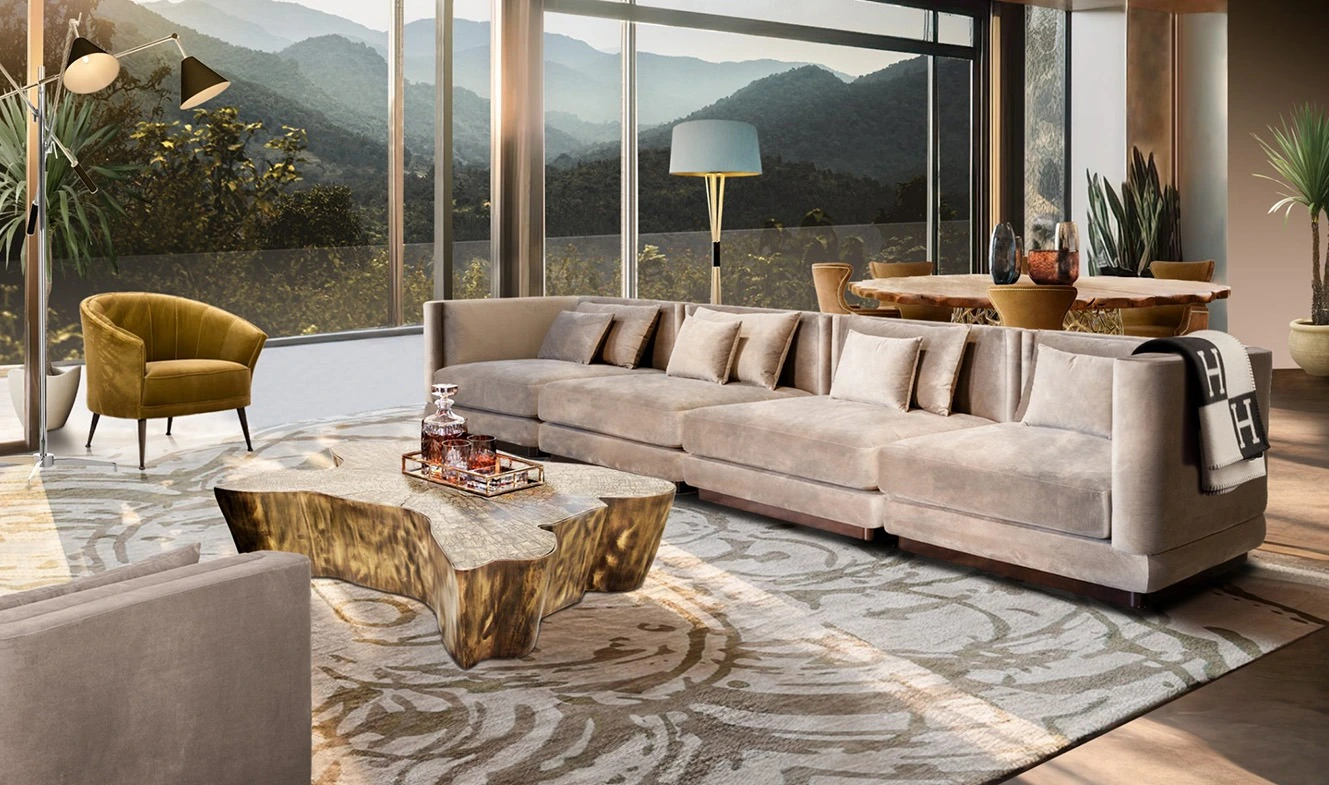
Designers predict 2025 to be the year of soft curves and sculptural silhouettes. This trend breaks away from boxy minimalism, adding comfort and fluidity.
Curves create movement and visually enlarge compact rooms — perfect for Indian urban apartments.
🇮🇳 India-Specific Insights
Curved sofas, pouffes, and ribbed cabinetry are entering India’s mid-price range via brands like Pepperfry and Urban Ladder. Paired with rich materials like boucle, velvet, and stone, they add sophistication without overpowering small spaces.
🛋️ Implementation Tips
- Pick one hero piece — a curved sofa or table — and let it define the room.
- Add boucle or suede textures in cushions and throws.
- Pair curves with organic lighting and neutral tones.
💰 Monetisation Angle
- Affiliate: designer furniture, upholstery, premium home décor.
- Sponsored: new product launches or brand features.
- Lead magnet: “Furniture Layout Guide for Small Indian Homes (Curved Edition).”
Trend 5: Smart Homes + AI/AR Design Tools
🤖 Why It Matters
Smart homes are mainstream in 2025. Home automation, energy-efficient devices, and AI-driven design tools are revolutionizing how we plan interiors.
AI can now generate layout suggestions, while AR apps let users “place” furniture virtually.
🇮🇳 India-Specific Insights
India’s smart home market is growing 25% YoY, driven by younger buyers. From Alexa-controlled lighting to smart locks, homeowners are eager to integrate tech for convenience and security.
Indian eCommerce platforms already use AR for product previews — a massive affiliate potential for design-tech content.
⚙️ Implementation Tips
- Suggest AR-based décor apps (IKEA Place, Pepperfry AR).
- Create “smart home starter kits” with affordable devices.
- Blend automation with aesthetics — hidden sensors, voice-controlled lighting.
💰 Monetisation Angle
- Affiliate: smart devices, AR tools, automation kits.
- Sponsored: smart lighting or home-security brands.
- Lead magnet: “Smart Home Setup Blueprint (India 2025 Edition).”
FAQs Section
1. What does “biophilic design” mean in home interiors?
Biophilic design is the concept of connecting humans with nature through thoughtful architectural and interior choices. It means designing spaces that breathe — integrating elements like indoor plants, natural materials (wood, stone, bamboo), water features, and abundant daylight.
In 2025, this trend has evolved into nature-first interiors, where lighting systems mimic circadian rhythms (sunrise to sunset), walls feature living plant installations, and materials like jute, linen, and cane replace synthetic alternatives.
According to Architectural Digest (2025), biophilic interiors significantly enhance mood, focus, and overall wellbeing — especially important in high-stress urban settings like Mumbai or Delhi. Designers also link this trend to sustainability and wellness, making it ideal for health-conscious Indian homeowners.
Pro tip: Add indoor plant affiliate links or create content like “5 Indoor Plants that Improve Air Quality in Indian Apartments.”
2. Are sustainable materials expensive to use in Indian homes?
Not necessarily. While high-end eco-materials (like FSC-certified teak or imported bamboo) can be premium-priced, many sustainable alternatives are actually cost-effective and locally available.
For example:
- Locally-sourced hardwoods (like sheesham, mango, acacia) are durable and affordable.
- Handloom textiles from Indian artisans offer both sustainability and heritage.
- Natural fibre rugs (jute, coir, cotton blends) are long-lasting and low maintenance.
These materials also support India’s circular economy, promoting local craftsmanship and reducing transport emissions. For eco-conscious consumers, the value goes beyond price — it’s about durability, aesthetics, and social responsibility.
Pro tip: Partner with sustainable décor brands or artisan marketplaces and offer discount codes for readers.
3. Will minimalism disappear entirely in 2025?
No — minimalism isn’t vanishing; it’s evolving. The stark, cold, “all-white” aesthetic of the late 2010s is giving way to “warm minimalism” — a softer, layered approach that combines simplicity with texture and personality.
According to The New York Post (2025), homeowners are moving toward intentional comfort — keeping spaces uncluttered but adding warmth through wood tones, earthy palettes, and personal art. Instead of clinical minimalism, the new approach feels lived-in yet balanced.
So, think of it as “mindful maximalism meets warm minimalism” — comfort-driven, personal, and versatile.
Pro tip: Use content titles like “How to Transition from Minimalism to Cozy Maximalism in 2025.”
4. How important is smart-home technology for Indian interior design?
Extremely important. India’s smart-home market is expanding rapidly — driven by affordable devices, remote work setups, and lifestyle upgrades. Smart home integration is now a core design consideration, not an add-on.
Common upgrades include:
- Smart lighting systems (automated circadian or mood lighting)
- Voice-controlled assistants (Alexa, Google Home, etc.)
- Smart security & energy-efficient appliances
- AR-based furniture visualization apps from platforms like IKEA and Pepperfry
In 2025, smart technology enhances both form and function — blending design elegance with daily convenience.
Pro tip: Write comparison posts like “Best Smart Lighting Systems for Indian Apartments (2025)” — perfect for affiliate income.
5. Can I apply these trends in a small apartment (e.g., 1BHK in Bengaluru)?
Absolutely! Even compact apartments can look stunning with the right approach. Space optimisation is key — and 2025’s design trends are tailor-made for small urban homes.
Here’s how:
- Biophilic design: Use vertical gardens or hanging planters instead of floor plants.
- Smart furniture: Invest in multipurpose pieces like foldable dining tables or wall-mounted desks.
- Warm colour palettes: Create visual depth with textured paint or accent walls.
- Smart lighting: Use warm LEDs or motion sensors to enhance ambience and efficiency.
Small spaces thrive on flexibility and layered aesthetics — so 2025 is actually a perfect year to experiment creatively without cluttering your apartment.
Pro tip: Offer a downloadable “Small Apartment Décor Checklist (India Edition)” as a lead magnet.
6. Which colour palettes are trending for 2025 in India?
2025 is all about warmth, depth, and organic tones. Globally and in India, homeowners are moving away from stark neutrals toward earth-inspired palettes that evoke calm and connection.
Top colour families for 2025 include:
- Ochre, clay, and terracotta — grounded and cozy.
- Moss green, sage, and deep olive — calming and biophilic.
- Warm browns and rust tones — perfect for tropical climates.
- Muted gold and copper accents — add cultural richness.
As Forbes (2025) notes, bold colour is officially “back,” but with sophistication — think curated contrast, not chaos.
Pro tip: Collaborate with paint brands (Asian Paints, Nerolac) for sponsored “palette reveal” posts.
7. Is rental furniture a good option for homeowners or just renters?
Rental and subscription furniture models now cater to both renters and homeowners. For renters, they offer flexibility and affordability; for homeowners, they allow seasonal refreshes or quick upgrades without long-term commitment.
In India’s metro cities (Bengaluru, Pune, Hyderabad), platforms like Furlenco, Rentomojo, and Cityfurnish offer designer-grade furniture subscriptions at a fraction of purchase cost. For homeowners, this means updating your interiors every year — matching evolving trends like biophilia or warm palettes — without major expense.
Pro tip: Create comparison content like “Rent vs Buy Furniture in India (2025 Guide)” — perfect for affiliate conversion.
8. How do I monetise interior-design content on a blog?
Interior design is one of the most lucrative blogging niches in 2025 — with high-ticket affiliate potential and evergreen content demand. You can monetise in several ways:
- Affiliate Marketing: Promote furniture, décor, lighting, or smart-home tech.
- Sponsored Content: Partner with paint brands, interior firms, or eco-product startups.
- Lead Magnets: Offer free PDFs — e.g., “Décor Checklist for First-Time Homeowners.”
- AdSense & Display Ads: Place contextual ads for interior inspiration searches.
- E-books / Online Courses: Teach readers “How to Style an Indian Home in 2025.”
Consistency + authenticity are key — use SEO keywords, high-quality images, and expert-backed advice to build authority and conversions.
Pro tip: Use Pinterest and Instagram Reels for visual traffic and backlink growth.
9. What should I look for in sustainable décor brands in India?
Before buying from or promoting a brand, check these sustainability indicators:
- Material sourcing: Locally sourced or recycled wood, metals, or textiles.
- Craftsmanship: Products that are hand-made or support rural artisans.
- Non-toxic finishes: Look for low-VOC or natural paints and polishes.
- Traceability: Transparency in supply chain and production methods.
- Longevity: Durability is key — sustainable means built to last.
Emerging Indian eco-brands like Iris Home Fragrances, Mason Home, and The Loom combine sustainability with style — ideal for affiliate or partnership collaborations.
Pro tip: Publish a blog post like “Top 10 Sustainable Indian Home Décor Brands You’ll Love in 2025.”
10. How often should these design trends be updated in my home?
It depends on your budget and design goals:
- Structural updates (lighting fixtures, modular furniture, flooring) — every 5–7 years, as materials age or tech evolves.
- Accent décor (cushions, wall art, colour palette, plants) — annually or seasonally for freshness.
- Smart tech & paint refreshes — every 2–3 years to stay modern.
In 2025, design is more fluid — homeowners are encouraged to adapt spaces regularly, reflecting lifestyle and emotional needs. A few small upgrades (like new lighting or indoor greenery) can make your home look completely reimagined without heavy investment.
Pro tip: End-of-year “trend refresh” blogs perform extremely well in SEO (e.g., “2026 Interior Design Refresh: What to Keep & What to Ditch”).
Summary / Key Takeaways
- The interior design market is growing steadily and 2025 marks a tipping point: wellness, sustainability, tech, and personalised expression drive décor.
- For India, many global trends align well: local craft, warm palettes, compact living solutions, tech-integration and flexible furniture.
- Ten specific trends to watch: biophilia; sustainable/circular materials; maximalism & retro; curved furniture; smart homes; multipurpose spaces; warm earth palettes; local/artisan supply; statement lighting; rental/second-hand models.
- Each trend carries actionable design tips + monetisation opportunities for your blog/content.
Conclusion
2025 marks a transformative moment in the world of interior design — one that merges aesthetic innovation with technological intelligence and environmental mindfulness. Homes are no longer just living spaces; they’ve become reflections of lifestyle, wellness, and personal identity. The global design community is pivoting towards hybrid spaces that accommodate both work and leisure, while sustainability continues to anchor every creative decision. From biophilic elements that reconnect us with nature to smart-home ecosystems that simplify everyday living, the design language of 2025 is about balance — between form and function, luxury and simplicity, and global inspiration with local craftsmanship.
For creators, marketers, and businesses — particularly those with an India-first focus — this shift represents an extraordinary opportunity. India’s rising disposable incomes, rapid urbanization, and digitally empowered middle class are driving a new appetite for stylish yet practical interiors. Homeowners and renters alike are investing in upgrades that enhance comfort, aesthetics, and sustainability. This provides fertile ground for content creators to explore detailed trend stories, DIY guides, and product recommendations tied to affiliate programs (furniture, lighting, home tech, etc.), while also leveraging SEO around high-traffic design keywords like “affordable smart homes,” “eco-friendly décor India,” and “small apartment design trends 2025.”
Ultimately, this is more than a design movement — it’s a cultural evolution in how people perceive and shape their personal spaces. By aligning your content with these evolving needs and aspirations, you can build not just traffic, but long-term reader trust and brand authority. Use these insights to create a consistent publishing strategy, collaborate with sustainable brands and creators, and position your blog as a go-to hub for design-savvy readers across India and beyond. In 2025, the homes people dream of — and the content they search for — will converge around inspiration, intentionality, and innovation.
References & Sources
- “Interior Design Statistics, Facts & Trends” – Halman Thompson. halmanthompson.com
- “Emerging Interior Design Trends in 2025” – IIAD blog. IIAD
- “Top 10 Interior Design Trends You Should Follow in 2025” – Walls & Dreams. Walls and Dreams
- “Interior Designers Predict These Will Be The 15 Hottest Interior Design Trends For 2025” – Forbes. Forbes
- “Interior Design Market Size & Forecast (2025 Statistics)” – Cretekala. cretekala.com
- “Interior Design Trends 2025: Bold Style, Personal Expression and the Future of Home” – Ray White Clayfield.
